
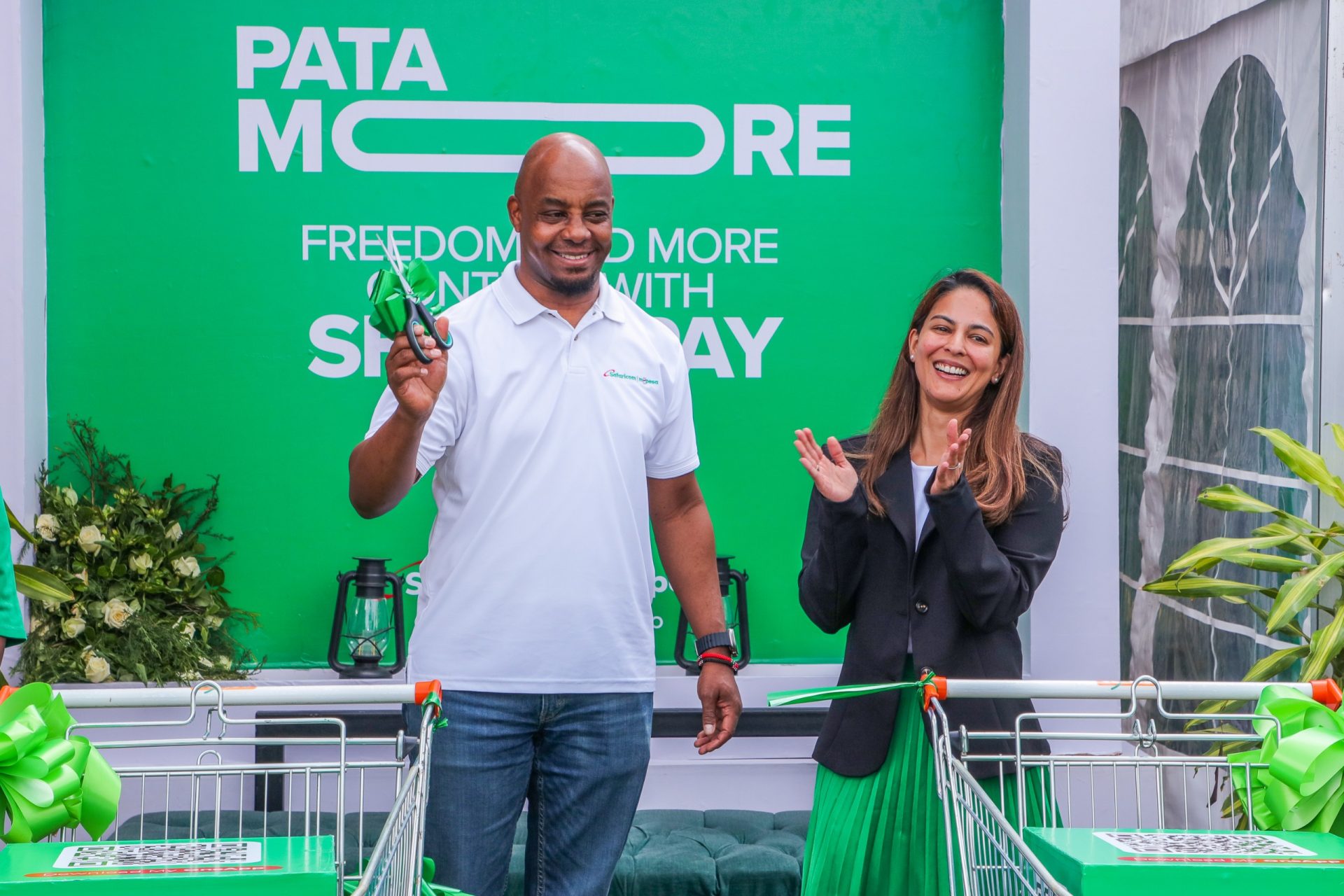
Safaricom has announced that more than 3.7 million customers have opted into its Shiriki Pay service, highlighting growing demand for flexible ways to manage shared financial responsibilities through M-PESA.
Launched to make everyday payments more convenient, Shiriki Pay allows M-PESA account holders to grant trusted individuals controlled access to their wallets to make payments on their behalf.
The service targets families, dependants, households and businesses that regularly need to facilitate payments without repeatedly transferring money between different M-PESA accounts.
According to Safaricom, the growing uptake reflects increasing demand for convenient financial management solutions that allow customers to support others while retaining control over their funds.
“Managing money is often a shared responsibility, whether within families, households or businesses. Shiriki Pay makes it easier for customers to empower people they trust to make payments on their behalf, while maintaining visibility and control over their funds,” said Stephen Chege, Group Chief Corporate and External Affairs Officer at Safaricom PLC.
How Safaricom’s Shiriki Pay Service Works
Shiriki Pay operates through a sponsor-beneficiary arrangement. The primary M-PESA account holder, known as the sponsor, authorises other individuals to transact using their wallet within predefined monthly spending limits.
Customers can activate the service through the My OneApp application or by dialling *334#.
To get started, the sponsor adds a beneficiary using their M-PESA mobile number and assigns a monthly spending limit.
The service allows each sponsor to nominate up to five beneficiaries, with each beneficiary receiving a monthly spending allocation of up to KES 20,000.
Once authorised, beneficiaries can use the sponsor’s M-PESA funds to make several types of transactions, including:
- Sending money to other M-PESA users.
- Making payments to Pay Bill numbers.
- Paying merchants through Till Numbers.
- Making payments to Pochi La Biashara merchants.
All transactions are deducted directly from the sponsor’s M-PESA wallet, subject to the beneficiary’s allocated spending limit.

Security and Spending Controls on Shiriki Pay
One of the key features of Shiriki Pay is the level of control retained by the primary account holder.
Sponsors can monitor transactions, adjust individual beneficiaries’ spending limits and revoke access whenever necessary.
The service also incorporates restrictions designed to protect the sponsor’s financial information and funds.
Beneficiaries cannot withdraw cash through Shiriki Pay. They are also restricted from viewing the sponsor’s M-PESA account balance or transaction history.
These safeguards allow account holders to delegate everyday payment responsibilities without giving beneficiaries unrestricted access to their mobile money accounts.
From loans to bill payments: Everything you can do with the new Co-op Bank App
What Shiriki Pay Means for Kenyan Households and Businesses
The service addresses a common challenge in household and business financial management: how to facilitate payments by other people without repeatedly transferring money to their personal accounts.
For families, parents can allocate spending limits to children and other dependants for approved expenses.
For households, individuals can authorise domestic workers or other trusted persons to make payments for groceries, utilities and other everyday requirements.
For businesses, employers and business owners can provide selected employees with controlled access to funds for routine operational payments.
The ability to set individual spending limits and monitor transactions provides an additional layer of financial accountability.
Safaricom Expands M-PESA Beyond Money Transfers
The growth of Shiriki Pay reflects Safaricom’s broader strategy of expanding M-PESA beyond conventional person-to-person money transfers.
Over the years, M-PESA has evolved into a broader digital financial services platform supporting merchant payments, bill payments, savings, credit and business transactions.
Shiriki Pay introduces another dimension by enabling controlled shared spending through a single M-PESA wallet.
With more than 3.7 million customer opt-ins, the service demonstrates the potential demand for digital financial tools that address everyday financial management challenges.
As Kenya’s mobile money ecosystem continues to mature, innovations that combine convenience, security and spending controls could play an increasingly important role in how households and businesses manage their finances.
For Safaricom, the opportunity is no longer limited to facilitating the movement of money. It is increasingly about making digital money more useful in the everyday economic activities of individuals, families and enterprises.