

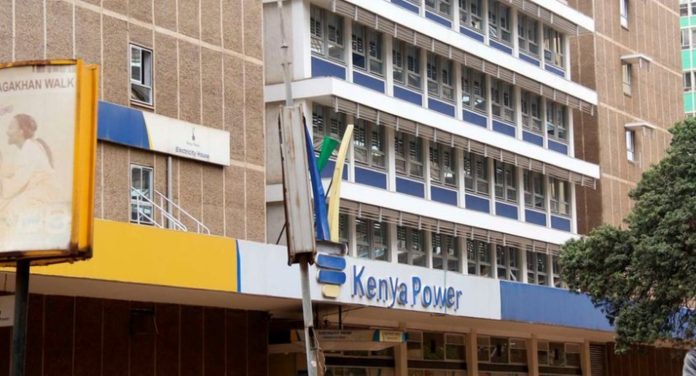
The long-standing Kenya Power monopoly in the energy sector is coming to an end. This is after the government published the Energy (Electricity Market, Bulk Supply and Open Access) Regulations of 2026 which will allow power producers to compete directly with Kenya Power. These regulations were gazzetted on May 8, 2026.
This means that power producers who do not have any existing power purchase agreements (PPAs) with Kenya Power will be able to sell their electricity to consumers such as industries, factories and commercial enterprises.
However, these power producers will still need to use infrastructure developed by Kenya Power and the Kenya Electricity Transmission Company (Ketraco) to reach these customers. They will then pay an ‘access’ fee to both Kenya Power and Ketraco for using their infrastructure.

The opening of this power market to independent power producers goes against the recommendations of the World Bank which had warned that ending the Kenya Power monopoly would cause a hike in electricity prices across the country.
“A network service provider shall provide non-discriminatory open access to its transmission or distribution system to a licensee or an eligible consumer,” the new regulations state.
The network service provider shall grant open access to the wheeler, provided that the load shall not be less than one megavolt-ampere (1MVA) in the distribution system or ten megavolt-amperes (10MVA) in the transmission system.”
According to the World Bank, the segment of power consumers that will now be open for other producers has been paying more for a unit of electricity in comparison to domestic power consumers. This has been allowing Kenya Power to subsidize what domestic consumers pay.
If the larger consumers stop using Kenya Power and move to the new power producers, the World Bank has been warning that Kenya Power will lose its ability to subsidize the local domestic user which will trigger price increases per unit of power consumed.
READ MORE: How Kenya Power and IPPs continue to mess up Kenyans unabated
The larger consumers usually have load demands of 10MVA. The Energy and Petroleum Regulatory Authority (EPRA) will then approve the prices that power producers will sell the electricity to larger consumers at.
Currently, Kengen is at the forefront of selling power independently. Earlier this year, the power company declared that it was waiting for regulations and pricing before it can start supplying power directly to customers.
“What is pending are regulations of how the [sell of electricity directly to larger consumers] shall be undertaken, and how the infrastructure will be based on wheeling charges for using transmission lines,” Kengen stated in a note to shareholders in February 2026.
Kengen is currently the single-largest supplier of electricity to Kenya Power. It supplied 59 percent or 8,482GWh of the 14,472GWh that Kenya Power purchased from power producers in the financial year ended June 2025.