

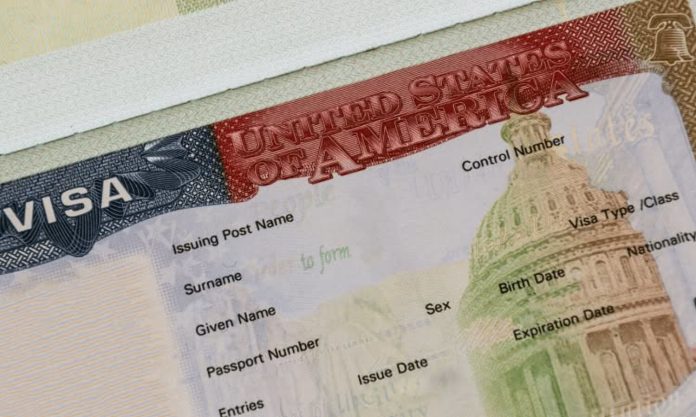
The United States has overhauled its student visa framework, ending a long-standing policy that allowed international students to remain in the country for as long as they maintained their academic status.
The U.S. Department of Homeland Security (DHS) announced on Thursday, July 16, that it had adopted a final rule replacing the nearly five-decade-old “duration of status” system with fixed admission periods and enhanced federal oversight for non-immigrant students, exchange visitors and foreign media representatives.
The changes are aimed at tightening immigration controls and addressing what U.S. authorities describe as widespread misuse of the student visa programme.

“For decades, foreign students have been admitted into the U.S. indefinitely, allowing thousands to abuse our immigration system by perpetually enrolling in courses to avoid having to leave the U.S.,” DHS Secretary Markwayne Mullin said.
“By implementing clear, finite limits on these visas, the United States is reclaiming its ability to properly screen, vet, and monitor individuals within our borders. This final rule ensures that foreign students remain focused on their primary purpose: completing their studies and returning home.”
Under the new regulations, holders of F student visas and J exchange visitor visas will be admitted for the length of their academic programme, subject to a maximum stay of four years.
The move marks the end of the “duration of status” policy, which has been in place since 1978 and allowed international students to remain in the United States indefinitely provided they continued to meet the conditions of their visas through their educational institutions.
Students who need additional time to complete their studies will no longer receive automatic extensions through their schools. Instead, they will be required to apply directly to the U.S. Citizenship and Immigration Services (USCIS) for an Extension of Stay (EOS).
According to DHS, all extension requests will be subjected to biometric screening, background checks and fraud assessments before a decision is made.
The department said the revised process restores federal authority over visa extensions, shifting responsibility away from academic institutions.
The changes also reduce the period students can remain in the United States after completing their studies.
While F-1 visa holders previously had 60 days to leave the country, transfer to another institution or seek a change of immigration status, the grace period has now been cut to 30 days.
In addition, DHS has introduced tighter restrictions on students seeking to change their academic programmes while studying in the United States.
The new policy will apply not only to future applicants but also to international students currently in the country under the previous “duration of status” arrangement.
DHS said those students will automatically transition to the new framework, with their authorised stay limited to a maximum of four years from the date the rule takes effect.
The final rule is expected to be published in the Federal Register in the coming days and will become effective 60 days after publication.
Also Read: U.S Supreme Court upholds birthright citizenship in historic ruling