

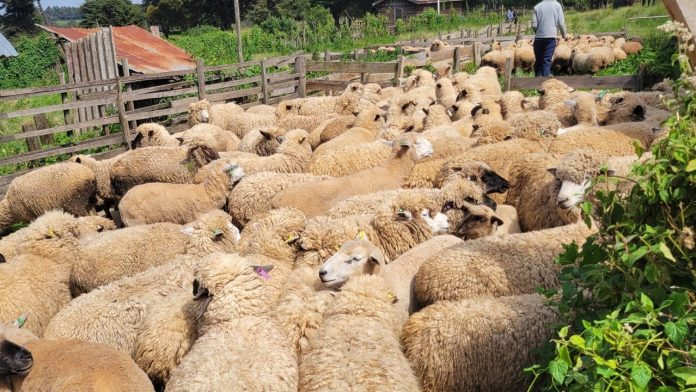
Demand for quality meat, adaptable breeds, and relatively manageable production costs are driving growing interest in sheep keeping
The animals require less space than larger livestock, can make use of available pasture and crop residues, and, with proper management, can provide farmers with regular income through the sale of lambs and mature animals.
Among the breeds attracting growing attention is the Dorper, a meat-oriented breed known for its ability to perform under relatively harsh conditions.

Dorpers are valued for their adaptability, fast growth and good meat production, making them suitable for farmers targeting the expanding demand for sheep meat.
Their hardiness and ability to utilise available forage have also made them an attractive option for both small-scale and commercial producers.
However, breed choice alone does not guarantee a profitable flock. Farmers entering sheep production need to pay close attention to breeding, feeding, housing, disease prevention and marketing.
Below are key tips every sheep farmer should master to raise a healthy flock:
Breed selection and culling determine the strength of the enterprise
A profitable flock begins with choosing animals that can consistently perform. Farmers should assess sheep based on their health, growth, fertility and ability to raise lambs.
Animals that repeatedly fall ill, remain in poor body condition or fail to care adequately for their offspring can become a financial burden.
Such animals should be identified and removed from the breeding flock rather than consuming feed and other resources without delivering returns.
Regular culling helps farmers gradually build a healthier and more productive flock.
Good nutrition before and during pregnancy can improve lambing results
Feeding management plays an important role in reproductive performance. Giving ewes adequate nutrition before mating can improve their chances of conceiving and may increase the likelihood of multiple births.
The nutritional needs of pregnant ewes become particularly important toward the end of pregnancy.
Providing additional energy during the final weeks helps support foetal growth and prepares the ewe for milk production after lambing.
Keep housing simple, dry and well ventilated
Sheep do not require elaborate housing, but their shelters should protect them from rain, strong winds and prolonged exposure to damp conditions.
The sleeping area should remain dry, with clean bedding and adequate airflow. Poor ventilation combined with wet and dirty surroundings can create conditions favourable to respiratory diseases, including pneumonia, while persistent moisture can contribute to foot problems.
Responsible parasite control saves money and slows drug resistance
Regularly administering deworming medicine without determining whether treatment is necessary can become an expensive and ineffective practice.
More importantly, excessive use of the same drugs can contribute to parasite resistance, making future treatment less effective.
Farmers should instead monitor their animals for signs of parasite problems and use appropriate veterinary guidance when treatment is required.
Rotating grazing areas can also reduce parasite pressure, while keeping feed and water troughs clean and raised off the ground helps limit contamination.
The first hours and days can determine whether a lamb survives
Newborn lambs require close attention immediately after birth. One of the most important steps is ensuring that each lamb receives colostrum, the ewe’s first milk, soon after delivery.
Colostrum provides essential nutrients and antibodies that help the young animal develop immunity.
Farmers should also disinfect the newborn’s navel using iodine or an appropriate antiseptic to reduce the risk of infection.
Close observation during the first few days allows farmers to identify weak lambs or animals that are struggling to suckle before their condition deteriorates.
Balanced feed, water and minerals support growth and flock health
Successful sheep production depends on more than simply providing pasture. Animals need adequate quantities of nutritious forage, reliable access to clean water and appropriate mineral supplementation.
Farmers should ensure that feed resources are sufficient for the size of the flock and adjust feeding according to the animals’ stage of production.
Ewes carrying lambs, lactating mothers and growing lambs may have higher nutritional requirements than other animals.
For breeds that produce substantial amounts of wool, regular shearing is also important. Removing excess wool helps animals cope with heat and reduces the risk of fly-related problems, including maggot infestations.
Farm records can reveal which animals generate income and which consume it
Record keeping is a simple management tool that can have a significant effect on profitability. Farmers should document lambing dates, birth weights, treatments, feed expenditure and other important events.
These records make it easier to identify fast-growing animals, productive mothers and recurring health problems. They also help farmers determine the actual cost of raising their sheep and identify areas where money is being lost.
Without reliable records, it can be difficult to tell whether a flock is genuinely profitable.
Buy healthy stock and sell strategically
Farmers looking to expand their flocks should be cautious when purchasing breeding stock. Animals that appear inexpensive may be in poor condition or carrying diseases that could spread to an established flock.
Where possible, farmers should source sheep from reputable breeders or farms and inspect animals carefully before bringing them home.
New purchases should also be managed responsibly to reduce the risk of introducing infections into the existing flock.
Marketing should begin well before animals reach sale weight. Farmers can plan breeding and finishing schedules around periods when demand traditionally rises, including festive seasons, when the market for sheep meat may strengthen.
The objective is to have market-ready animals when buyers are actively seeking quality stock.
Also Read: Nyeri farmer turns rejected avocado into oil selling at Sh800 a bottle