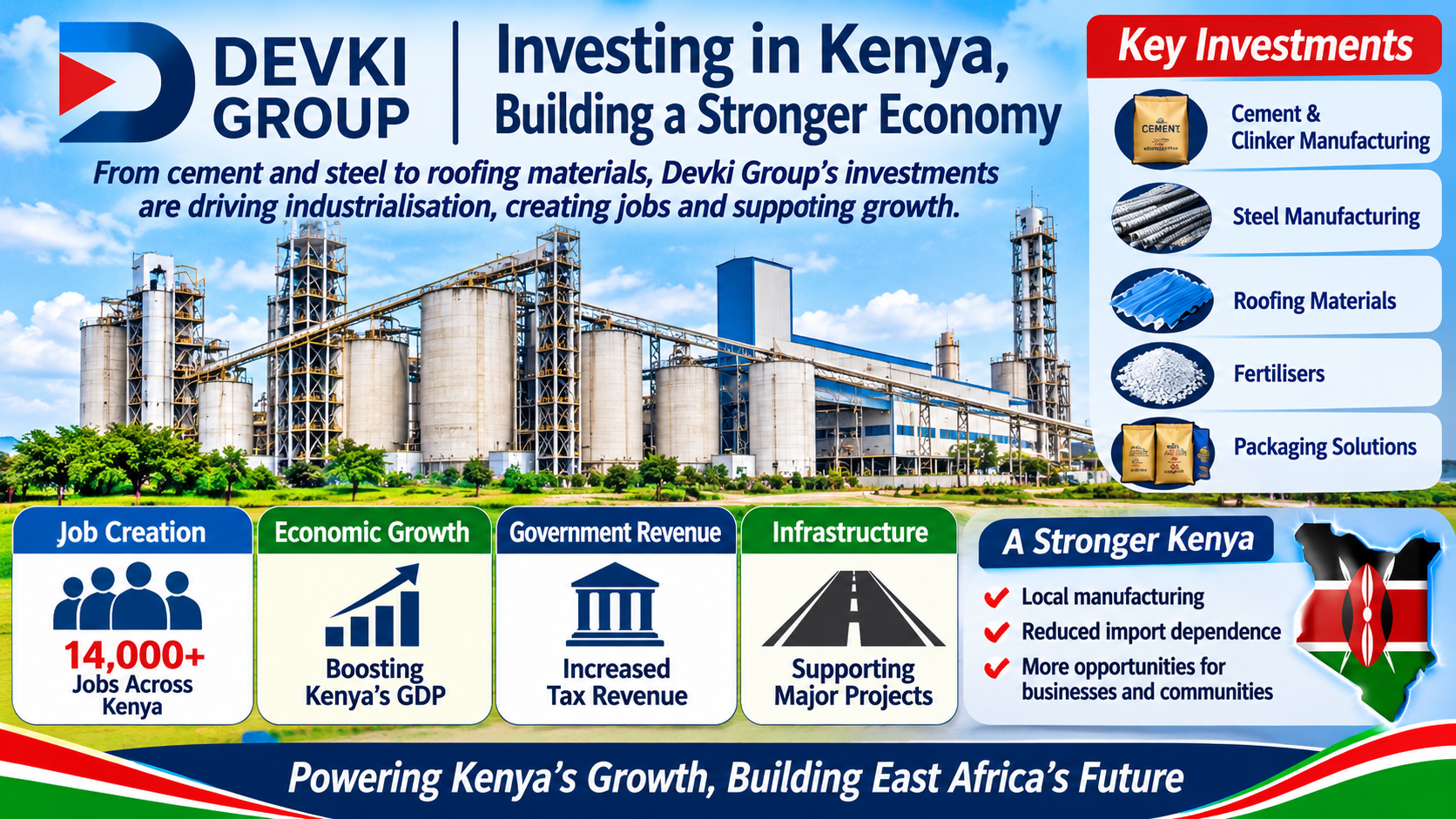
Devki Group’s growing investments in Kenya and across East Africa are playing an increasingly significant role in transforming the region’s manufacturing landscape, supporting infrastructure development and strengthening the production of essential construction materials.
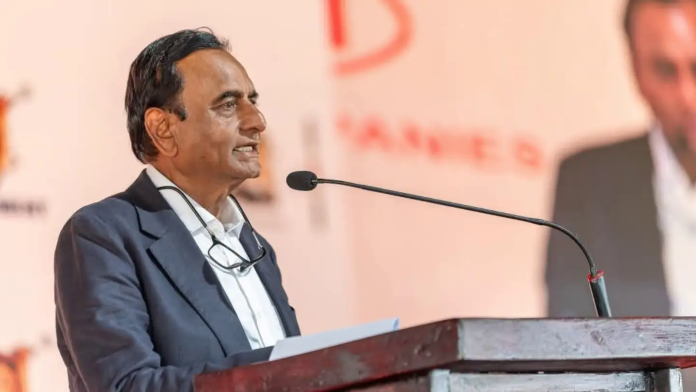
Led by billionaire industrialist Dr Narendra Raval, the Kenyan conglomerate has built a diversified manufacturing business spanning cement, steel, clinker, roofing materials, fertilisers and packaging, positioning itself as one of the region’s major industrial players.
Through its subsidiaries, including National Cement Company, Devki Steel Mills, Maisha Mabati Mills, Cemtech Limited and other manufacturing businesses, the group has invested heavily in local production, seeking to reduce reliance on imported construction materials while creating employment and expanding industrial capacity.

The group’s latest investments, including the KSh70 billion cement and clinker manufacturing project in Ngaaie, Mwingi North, Kitui County, demonstrate its ambition to deepen its presence in Kenya’s manufacturing sector and serve growing demand across East Africa.
Billionaire Narendra Raval: Why I own only one pair of shoes
Devki Group’s Growing Industrial Footprint in Kenya
Devki Group’s investment strategy is built around developing local manufacturing capacity and supplying products that support construction, infrastructure and industrial development.
Its operations cover several critical segments of the construction value chain, including steel reinforcement bars, cement, clinker, roofing sheets and cement packaging materials.
This integrated manufacturing model gives the group an important position in supplying materials required for residential housing, commercial developments, roads, bridges, industrial facilities and major infrastructure projects.
According to information published by the company, Devki Group employs more than 14,000 people across its operations and has manufacturing interests spanning multiple industries.
Its investments have also contributed to the growth of Kenya’s manufacturing ecosystem by creating opportunities for transport companies, distributors, contractors, equipment suppliers and other small and medium-sized enterprises.
The expansion of domestic production is particularly important as Kenya seeks to increase manufacturing’s contribution to the economy, strengthen value addition and reduce its dependence on imported industrial inputs.
KSh70 Billion Kitui Plant Strengthens Kenya’s Cement Industry
One of Devki Group’s latest major investments is its KSh70 billion cement and clinker manufacturing project in Ngaaie, Mwingi North, Kitui County.
President William Ruto presided over the groundbreaking ceremony on October 27, 2026, marking a significant milestone in the development of Kitui’s industrial sector.
The facility is designed to produce approximately three million tonnes of clinker annually, strengthening the group’s capacity to supply a critical raw material used in cement manufacturing.
The project is expected to create thousands of employment opportunities during construction and operations, while stimulating economic activity in Kitui and neighbouring counties.
The investment is also expected to unlock the economic potential of Kitui’s limestone deposits, turning locally available mineral resources into industrial products.
For the local economy, the benefits extend beyond direct employment. Businesses involved in transportation, accommodation, food supply, construction, equipment maintenance and other services stand to benefit from the increased economic activity associated with the project.
The factory is also expected to strengthen Kenya’s ability to produce clinker locally, reducing exposure to international supply disruptions and supporting the country’s broader manufacturing ambitions.
Ruto launches KSh70 billion Devki Cement plant in Kitui, set to create thousands of jobs
West Pokot Clinker Plant Positions Kenya as a Regional Supplier
Devki’s investment in West Pokot through Cemtech Limited is another important milestone in Kenya’s industrial development.
The group’s clinker manufacturing facility in Sebit represents a major investment in the production of one of the most important inputs in the cement industry.
The plant has a reported production capacity of approximately six million tonnes of clinker annually, positioning it as a significant source of supply for domestic cement manufacturers and regional markets.
Its strategic importance extends beyond Kenya because countries such as Uganda, Rwanda and Burundi depend on clinker supplies to support their cement industries.
By increasing local production, Kenya has an opportunity to strengthen its position as a regional supplier of construction materials while earning foreign exchange through exports.
The investment also demonstrates how manufacturing projects located outside major urban centres can stimulate economic development in counties that have traditionally attracted fewer large-scale industrial investments.

Steel Manufacturing Supports Infrastructure and Affordable Housing
Beyond cement, Devki Group has established a significant presence in Kenya’s steel manufacturing industry through Devki Steel Mills.
Steel is an essential input in construction, particularly for reinforced concrete structures, bridges, roads, factories, commercial buildings and residential developments.
The group’s local steel production capacity supports the availability of construction materials needed by Kenya’s rapidly growing infrastructure and housing sectors.
Local manufacturing also creates opportunities for businesses involved in scrap metal collection, transportation, distribution, fabrication and construction.
By producing steel products within the region, Devki contributes to reducing reliance on imported finished steel products and strengthening local industrial capabilities.
This is particularly relevant as Kenya continues implementing affordable housing initiatives, road construction programmes and other infrastructure projects that require substantial quantities of steel and cement.
Narendra Raval opens multi-billion West Pokot clinker factory
Regional Expansion Strengthens East African Trade
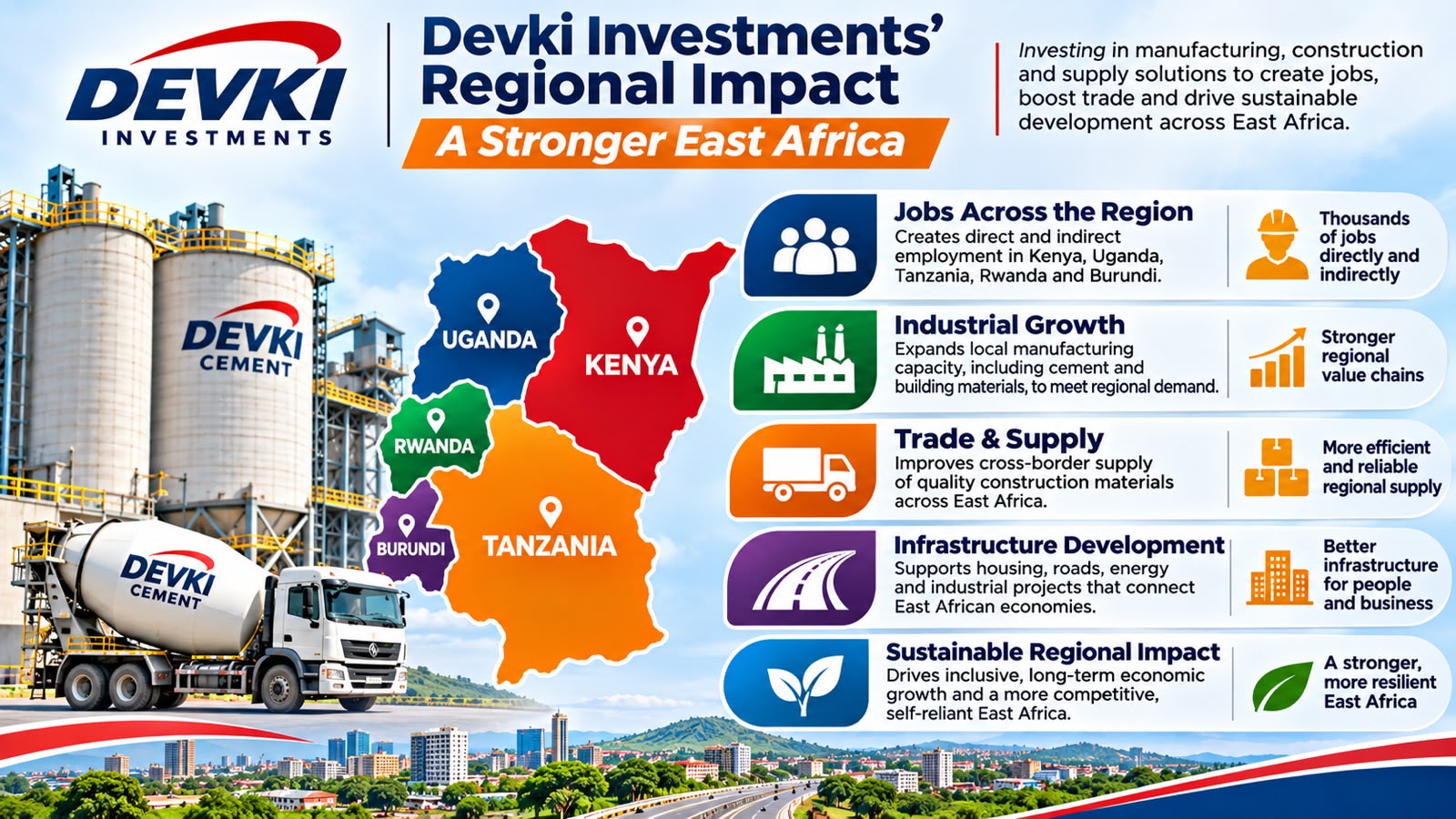
Devki Group’s influence is increasingly extending beyond Kenya, with manufacturing and business interests in Uganda and Rwanda.
Through National Cement Company Uganda and its interests in Rwanda’s CIMERWA, the group has established a presence in important regional construction materials markets.
Its expansion supports the development of interconnected manufacturing and distribution networks capable of serving different markets within the East African Community.
One of the biggest opportunities lies in reducing the region’s dependence on imported cement, clinker and steel.
Several East African countries have significant infrastructure and housing requirements but continue to rely on imported industrial inputs.
Greater regional manufacturing capacity could help address supply shortages, reduce exposure to international freight costs and improve access to essential construction materials.
Kenya, with its established transport networks, industrial base and access to regional markets, is well positioned to become a major manufacturing and distribution centre.
Devki’s investments in clinker production and cement manufacturing could therefore contribute to strengthening Kenya’s position in regional construction materials trade.

Thousands of Jobs and Opportunities for Local Businesses
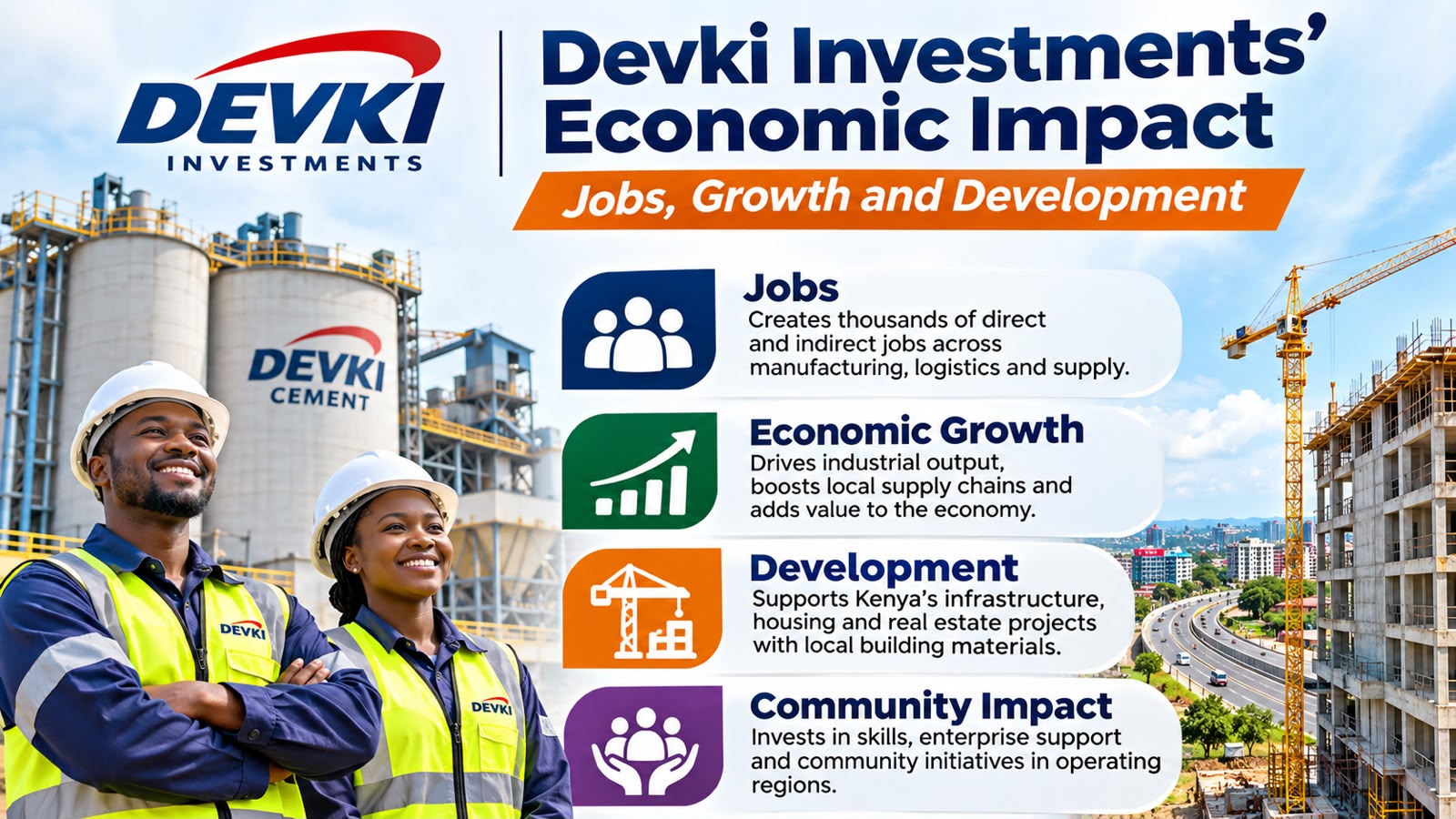
Employment creation is among the most significant economic contributions associated with Devki Group’s industrial expansion.
Large manufacturing facilities require workers across engineering, production, administration, logistics, procurement, maintenance, security and distribution.
They also support indirect employment through businesses supplying raw materials, transporting finished products, providing maintenance services and distributing manufactured goods.
The Kitui cement and clinker project, for instance, has already generated construction-related employment, with thousands of workers expected to benefit as development progresses.
The economic impact extends to surrounding communities, where increased demand for accommodation, food, retail goods and transport services can support the growth of small businesses.
Industrial investments can also create opportunities for technical training and skills development, particularly for young people seeking employment in engineering, manufacturing and industrial operations.
However, the long-term employment impact will depend on the successful completion of projects, the number of permanent positions created and the extent to which local residents benefit from recruitment and procurement opportunities.
Narendra Raval’s multi-billion steel factory opens in Kwale
Boosting Government Revenue and Foreign Exchange Earnings
Devki’s investments also have implications for government revenue and Kenya’s balance of trade.
Manufacturing operations contribute to the economy through corporate taxes, employee income taxes, statutory contributions, duties and other applicable government revenues.
The expansion of local production can also reduce the need to import finished construction materials and selected industrial inputs.
Meanwhile, exports of clinker, cement and steel products to neighbouring countries provide opportunities to earn foreign exchange.
For Kenya, strengthening domestic manufacturing is an important strategy for addressing the trade deficit and retaining more economic value within the country.
The group’s regional operations also demonstrate the potential of Kenyan-owned businesses to expand into neighbouring markets, compete with international manufacturers and support cross-border industrial integration.
Devki’s Investments and the Future of Affordable Housing
The construction sector is one of the biggest beneficiaries of increased local cement and steel production.
Kenya’s affordable housing programme, commercial property developments, road networks and other infrastructure initiatives require a reliable supply of construction materials.
Expanding domestic production could improve the availability of cement, clinker and steel, helping to strengthen supply chains and reduce the country’s vulnerability to external market disruptions.
However, increased production does not automatically translate into lower prices for consumers.
The ultimate benefit will depend on manufacturing costs, energy prices, transport expenses, competition among producers, distribution efficiency and market demand.
For construction companies and households, a more competitive and reliable supply chain could provide important long-term benefits.
Narendra Raval withdraws multi-billion bid to revive Mumias Sugar
Environmental Sustainability and Community Responsibilities
While large-scale manufacturing creates economic opportunities, it also comes with environmental and social responsibilities.
Cement and clinker production are energy-intensive industrial processes that generate significant carbon dioxide emissions.
The expansion of manufacturing capacity therefore increases the importance of investing in energy efficiency, emissions management, responsible quarrying, waste management and environmental rehabilitation.
Devki’s growing industrial footprint also makes community engagement an important consideration.
Issues such as land acquisition, fair compensation, occupational safety, access to water and protection of surrounding ecosystems must be addressed to ensure that industrial development delivers sustainable benefits.
In Kitui, for example, the success of the new investment will depend not only on the factory’s production capacity but also on how effectively the company works with surrounding communities and ensures that local residents share in the economic opportunities.
Sustainable industrialisation requires a balance between commercial growth, environmental protection and community welfare.
Competition and the Changing East African Cement Industry
Devki’s expansion is taking place against the backdrop of growing competition in East Africa’s cement industry.
Major investors and manufacturers are expanding their operations across Kenya, Uganda and Tanzania through new factories, acquisitions and capacity upgrades.
The entry of additional production capacity could strengthen regional supply and encourage manufacturers to improve efficiency, product quality and distribution.
However, the concentration of manufacturing capacity among a few large players also raises questions about market competition and pricing.
The government’s policies on imported clinker, including the Export and Investment Promotion Levy, have also generated debate about their impact on domestic manufacturers and smaller cement producers.
For the sector to deliver maximum benefits to consumers, increased local production must be accompanied by fair competition, transparent pricing, reliable supply and effective regulatory oversight.
Nairobi billionaire buys ARM Cement at Sh. 5 billion
Devki Group’s Role in Kenya’s Industrialisation Ambitions
Kenya’s ambition to expand manufacturing and become a stronger industrial economy depends heavily on private-sector investment.
The scale and diversity of Devki Group’s operations illustrate the role large domestic manufacturers can play in developing industrial infrastructure, creating jobs and supporting value addition.
From steel production and roofing materials to cement and clinker manufacturing, the group’s investments are contributing to the development of industries that support construction and infrastructure across the region.
Its growing presence in Uganda and Rwanda also highlights the opportunities available to Kenyan businesses seeking to expand into the wider East African market.
As the group continues investing in new manufacturing facilities, the focus will increasingly shift towards productivity, competitiveness, sustainability and the ability to supply regional markets.
Devki’s Investments Could Redefine East Africa’s Manufacturing Future
Devki Group’s investments represent more than the expansion of an individual business empire. They illustrate the potential of private-sector capital to transform natural resources into industrial products, create employment and strengthen regional supply chains.
For Kenya, the investments offer opportunities to expand manufacturing, reduce dependence on imports, increase exports and support major infrastructure and housing projects.
For East Africa, they could contribute to a more integrated construction materials industry, with greater regional production capacity and improved access to essential industrial inputs.
The long-term success of these investments will ultimately be measured by their ability to deliver competitive products, sustainable employment, fair market conditions and tangible economic benefits to the communities and countries in which they operate.