

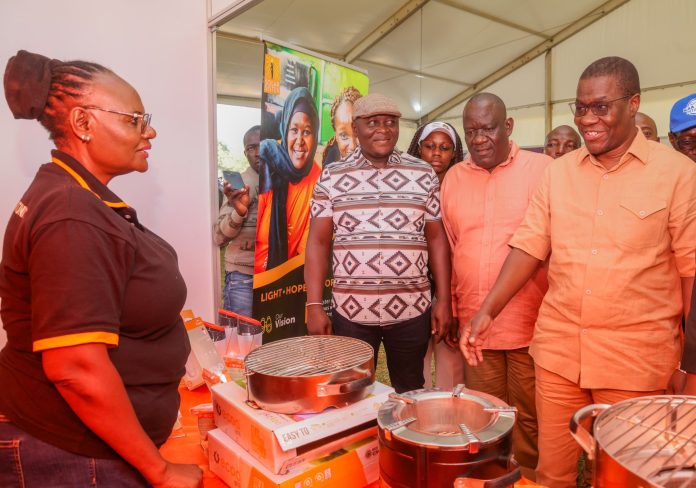
Kenya aims to ensure universal access to clean cooking solutions by 2028. This goal addresses the serious public health and environmental risks linked to traditional fuels. Currently, about 9.1 million Kenyan households use firewood and charcoal as their main energy source. Of these, 7.4 million are in rural areas, and 1.7 million are in urban centers. This widespread use puts millions at risk for harmful indoor air pollution, leading to respiratory diseases, eye problems, and other serious health issues.
To address this challenge, the energy CS Hon. Opiyo wandayi government launched the Kenya National Cooking Transition Strategy 2024–2028. This single, unified plan brings together various existing initiatives, including the Bioenergy Strategy, the Bioethanol Masterplan, the LPG Growth Strategy, and the Electric Cooking Strategy. By integrating these programs, the framework acknowledges that different communities need different approaches based on their local circumstances and resources.
Kenya Advances Biofuel Blending to Strengthen Energy Security and Reduce Fuel Import Dependence

The transition focuses on five key priority areas to connect rural and urban needs. First, the government wants to increase the availability of clean cooking fuels and technologies throughout all regions. Second, it aims to improve affordability so lower-income households can move away from charcoal and wood. To support this financially, the strategy also emphasizes promoting local manufacturing of clean cooking equipment and developing sustainable, homegrown fuel sources like biogas and bioethanol. Finally, the plan stresses the importance of raising public awareness by teaching communities about the direct risks between traditional fuels and poor health.
Additionally, implementation is heavily decentralized through the Integrated National Energy Plan (INEP) 2023–2043. This plan includes clean cooking in county-level energy planning, allowing local governments to customize investments in LPG distribution, electric cooking, bioethanol, biogas, and improved cookstoves. This localized approach ensures that solutions fit local economic needs and cultural practices while creating regional job opportunities.