

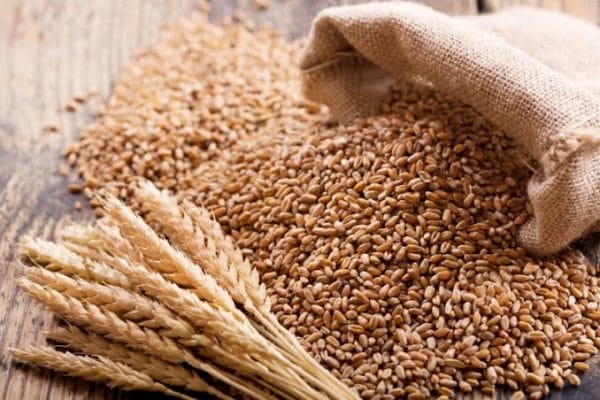
Wheat farmers across the country are set to earn more from their produce this season after the Government raised the producer price of locally grown wheat by Sh350 per 90-kilogramme bag.
The new price has been set at Sh5,100 per bag, up from Sh4,750 last year, in a move aimed at improving farmers’ earnings and encouraging greater domestic production of the strategic food crop.
The revised price was agreed following consultations coordinated by the Agriculture and Food Authority (AFA), bringing together the Cereal Growers Association (CGA), wheat farmers and cereal millers.

Agriculture Cabinet Secretary Mutahi Kagwe said the new price was arrived at after discussions seeking to balance the interests of farmers, processors and consumers.
“The agreed price will apply at designated aggregation centres where the Government has commenced the ongoing wheat mop-up exercise ahead of any wheat importation,” Kagwe said.
The Government says the approach is intended to give priority to locally produced wheat before turning to imports, providing farmers with a ready market while supporting a stable supply of grain to millers and consumers.
For a farmer delivering 100 bags, the new price would translate into an additional Sh35,000 in gross earnings, before accounting for production and marketing costs.
The move comes at a time when the cost of farm inputs, labour, machinery and other production expenses remains a major concern for cereal farmers.
More than 2,000 wheat farmers in Narok, Nakuru, Meru, Laikipia, Nyandarua and Uasin Gishu are expected to benefit from the revised price.
The Government’s decision to mop up locally produced wheat before allowing imports could also provide farmers with greater confidence to plant the crop, particularly if they are assured of a reliable market at remunerative prices.
For millers, however, the challenge will be to maintain affordable wheat products for consumers while paying farmers a higher price for locally produced grain.
Wheat is a key raw material for products consumed by millions of Kenyan households. The crop is a staple in many homes, finding its way into bread, chapati, mandazi, cakes, biscuits, pasta and other flour-based foods.
Kenya’s wheat production is concentrated mainly in the high-potential areas of the Rift Valley and central regions, with Narok, Uasin Gishu, Nakuru, Laikipia and Nyandarua among the major growing areas, alongside production in parts of Meru.
Also Read: Farmer questions Hass Avocado boom as oversupply and market access concerns mount