



The Co-operative Bank has joined the fight against illegal trade in wildlife. The bank has signed an information-sharing pact with the United for Wildlife’s (UfW) financial taskforce to stem financial flows that fuel illegal wildlife trade.
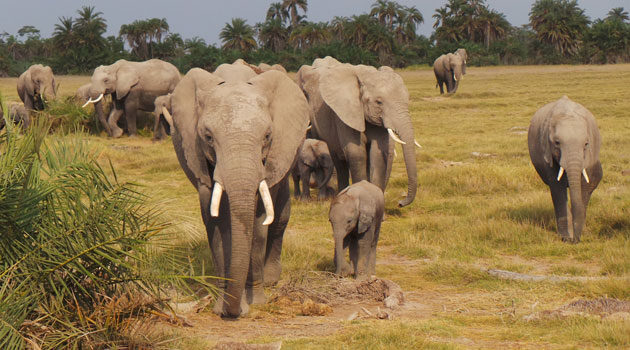
Poaching is a persistent global problem with a profound effect on the East African region. The international demand for ivory and rhino horn is fueling catastrophic declines in the elephant and rhino populations in Kenya.
According to Co-op Bank chief executive officer Dr. Gideon Muriuki, the bank becomes the first Kenyan lender to join global banks such as HSBC, Royal Bank of Scotland, and Bank of America and JPMorgan who share financial intelligence. “The signing up means the bank has now joined the UfW financial taskforce committing to fight the illegal trafficking in wildlife, by way of building illegal wildlife trade into existing financial crime compliance programs. Co-op Bank also commits to working with like-minded lenders, share good practices and support one another in fighting illegal wildlife trade,” Dr. Muriuki said.

Kenya’s estimated 33,000 elephants and 1,010 rhinos, in addition to a mosaic of other wildlife, are concentrated not only in national parks, but scattered throughout the country across officially protected areas, private ranches, county council territories, and both communal and private lands.
Dr. Muriuki further said that the bank championed wildlife protection via its cards emblazoned with the ‘elephant in your wallet’ motto and the Jumbo Junior savings account’s ‘elebank’-shaped savings box, which has resonated well with its customers.
According to the United Nations, growing affluence and economic growth in Asia have increased the demand for Africa’s natural resources, including wildlife and wildlife products. In addition, the rising price of ivory and rhino horn on the black market, combined with centuries-old traditions of valuing these products as either status symbols (in the case of ivory) or traditional medicine (in the case of rhino horn), perpetuate the lucrative illegal trade.