



Nairobi, Kenya – 26 February 2026: Kenya Association of Manufacturers (KAM), in partnership with DigiTax, hosted a high-level industry seminar on VAT compliance under KRA’s Tax Invoice Management System (TIMS) and Electronic Tax Invoice Management System (eTIMS).
The forum, themed Operational Impact and Issues Affecting VAT Compliance Through TIMS/eTIMS, comes at a critical moment as KRA intensifies enforcement through automated, real-time invoice validation.
While eTIMS was introduced to strengthen transparency and seal revenue leakages, its rollout is reshaping day-to-day operations across procurement, supplier management, and financial reporting.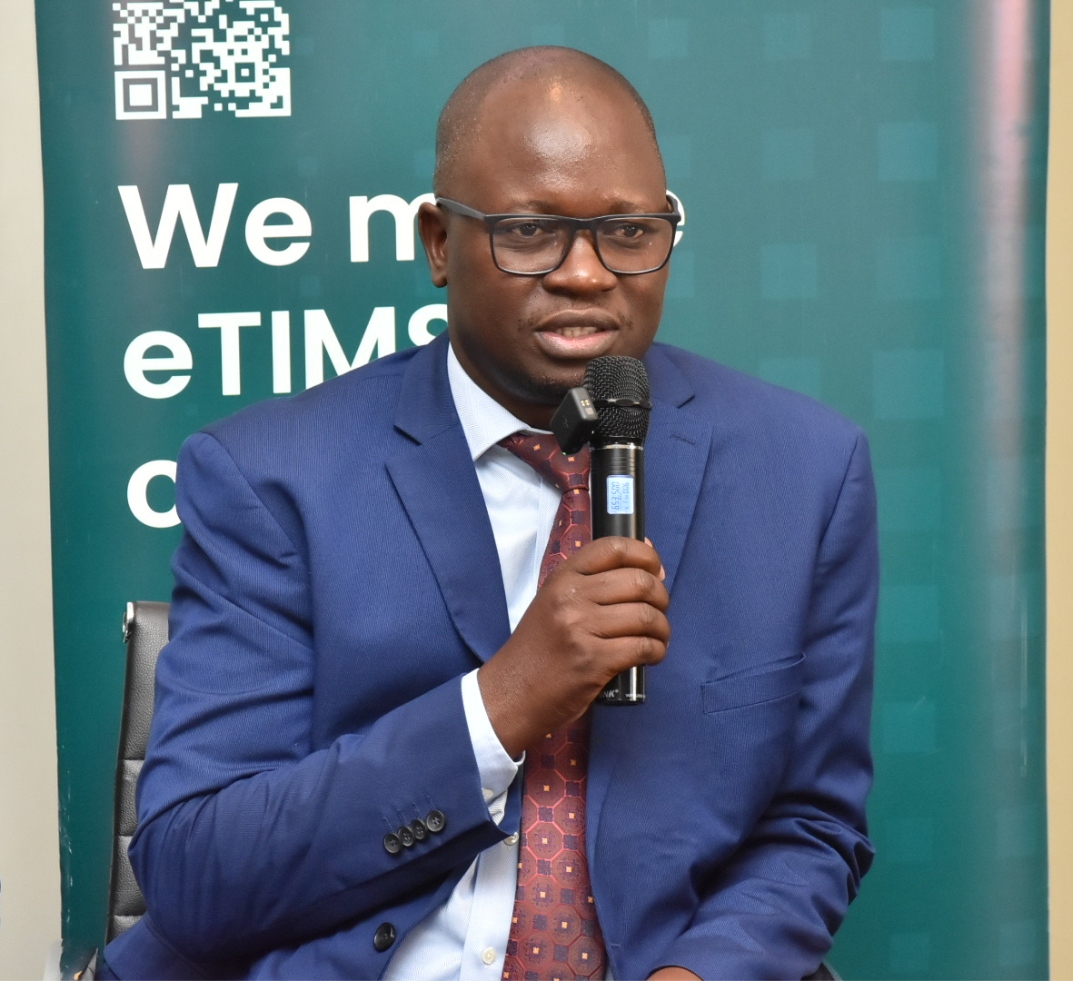

With KRA now validating income and expenses declared in tax returns against data transmitted through eTIMS alongside customs and withholding tax records, VAT compliance has become an operational risk, not just a tax function.
Speaking ahead of the forum, Thuku wa Thuku, Chief Operations Officer of DigiTax, said the shift to data-driven enforcement has fundamentally changed how businesses must think about compliance. “eTIMS has moved tax compliance from an annual or monthly exercise to a real-time operational process. Manufacturers can no longer afford manual workarounds or fragmented systems. This forum is about helping businesses understand what KRA is validating, where the risks lie, and how technology can turn compliance from a disruption into a strategic advantage,” said Thuku.
Manufacturers are grappling with challenges, including real-time invoice validation and system downtimes, ERP and accounting system integration complexities, and supplier compliance alignment across fragmented supply chains.
The seminar provided a structured platform for manufacturers, tax specialists, and technology providers to interrogate these challenges, clarify regulatory expectations, and explore practical solutions that protect compliance without disrupting production cycles.
Kenya Association of Manufacturers emphasized the need for sustained engagement between industry and regulators.
“E-TIMS implementation needs to reflect the complex operational realities of production and supply chains. Continuous dialogue is essential to ensure that compliance frameworks do not unintentionally penalize legitimate businesses or undermine competitiveness,”
Under KRA’s expanded validation framework, only expenses supported by properly transmitted eTIMS or TIMS invoices will be recognised for tax purposes, significantly raising the stakes for VAT input claims and audit preparedness. As manufacturers file returns for the 2025 year of income in 2026, errors or gaps in eTIMS data could directly translate into tax adjustments and penalties.
Industry leaders say proactive engagement is critical to aligning regulatory intent with operational feasibility, particularly for manufacturers working with large supplier bases, informal value chains, and legacy systems.