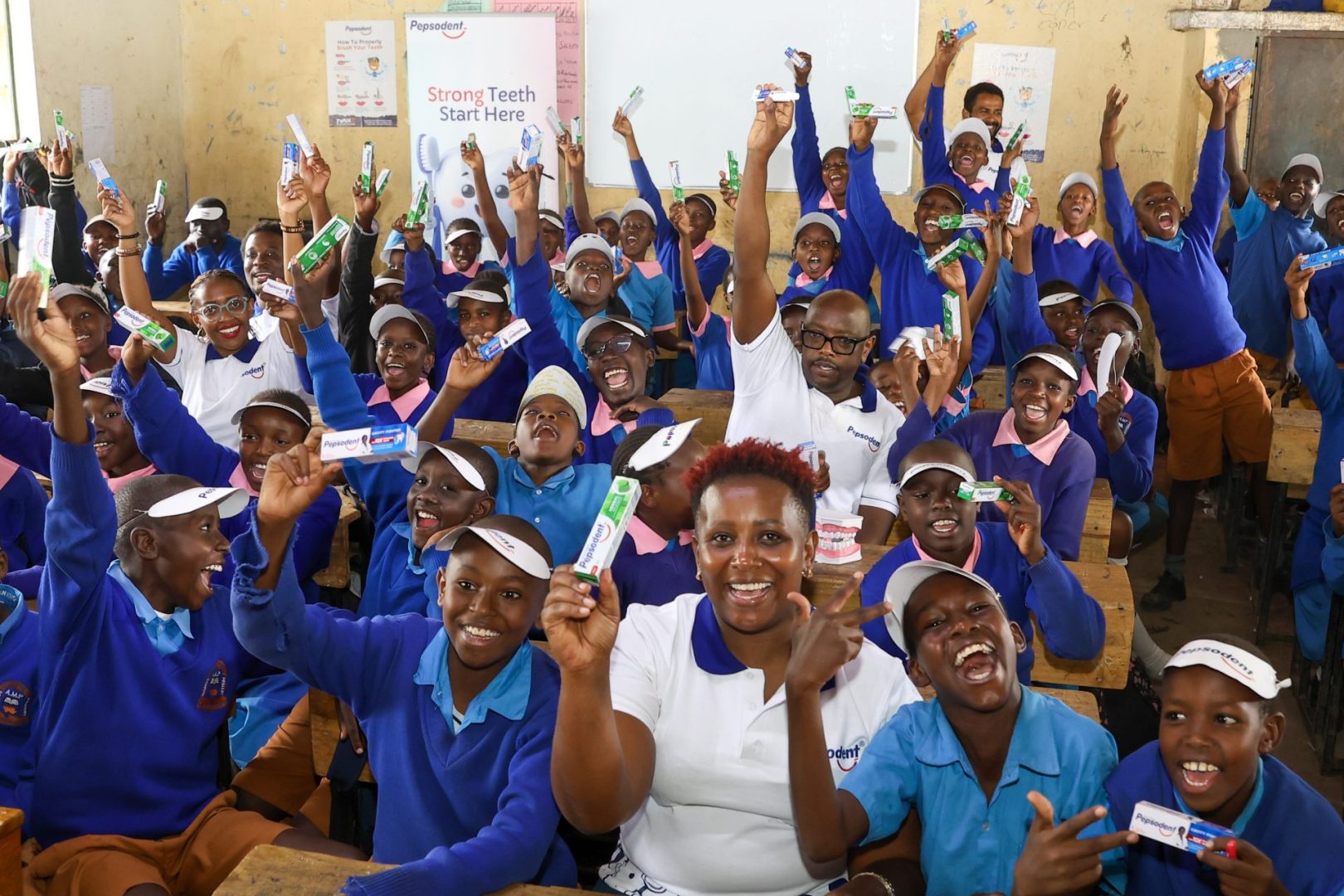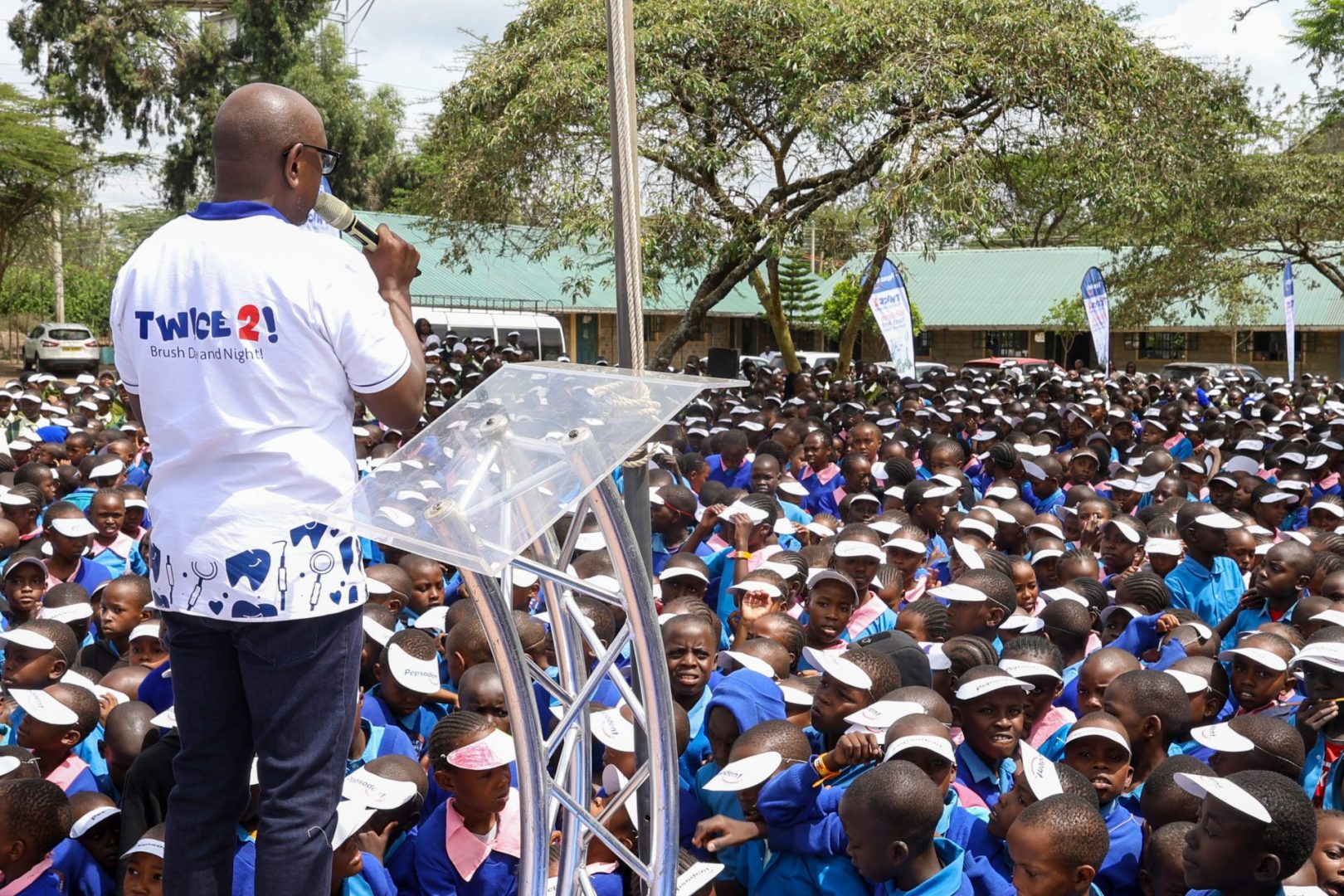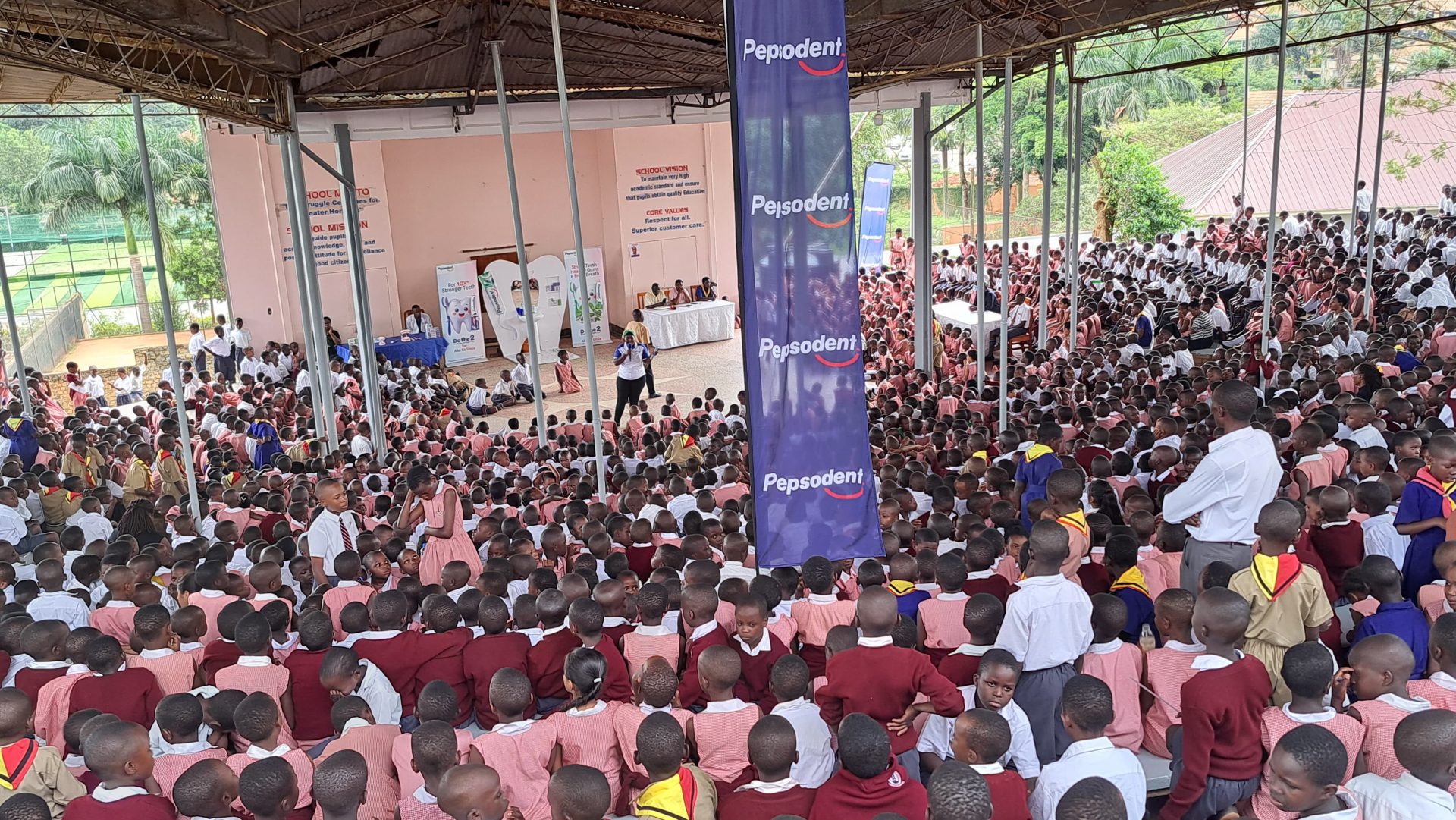



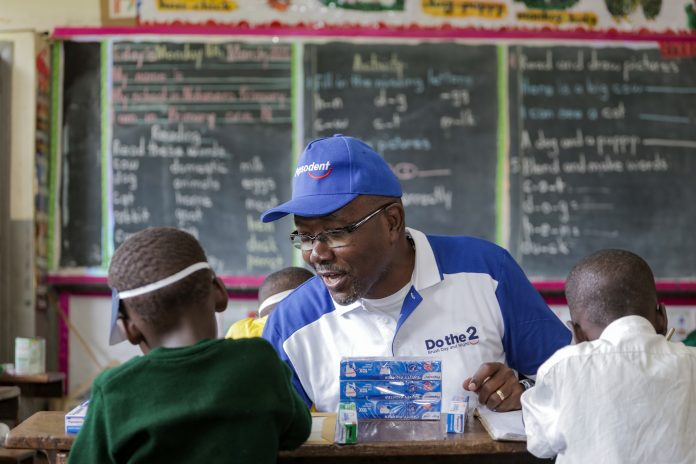
Unilever’s personal care brand, Pepsodent, has today launched a nationwide school oral health campaign targeting 500,000 pupils across 500 primary schools by the end of the year, in a push to address Kenya’s high burden of preventable dental diseases.
The programme, unveiled at Arap Moi Primary School in Kiserian, will be rolled out across urban, peri-urban, and rural regions. It is designed to drive behaviour change among school-going children through structured oral hygiene education and practical learning sessions.
As part of the rollout, Pepsodent teams have already engaged pupils in several institutions, including Olympic Primary School in Kawangware, Mwiki School in Kasarani, Ruiru Comprehensive School, Mukuru Community School, and Arap Moi Primary School in Kiserian.

Focus on behaviour change with the “Twice 2” campaign
At the core of the initiative is the “Twice 2 – brush day and night” campaign message, which encourages children to brush their teeth twice daily for at least two minutes using fluoride toothpaste.
Investing in adolescent health: A key to Africa’s economic growth
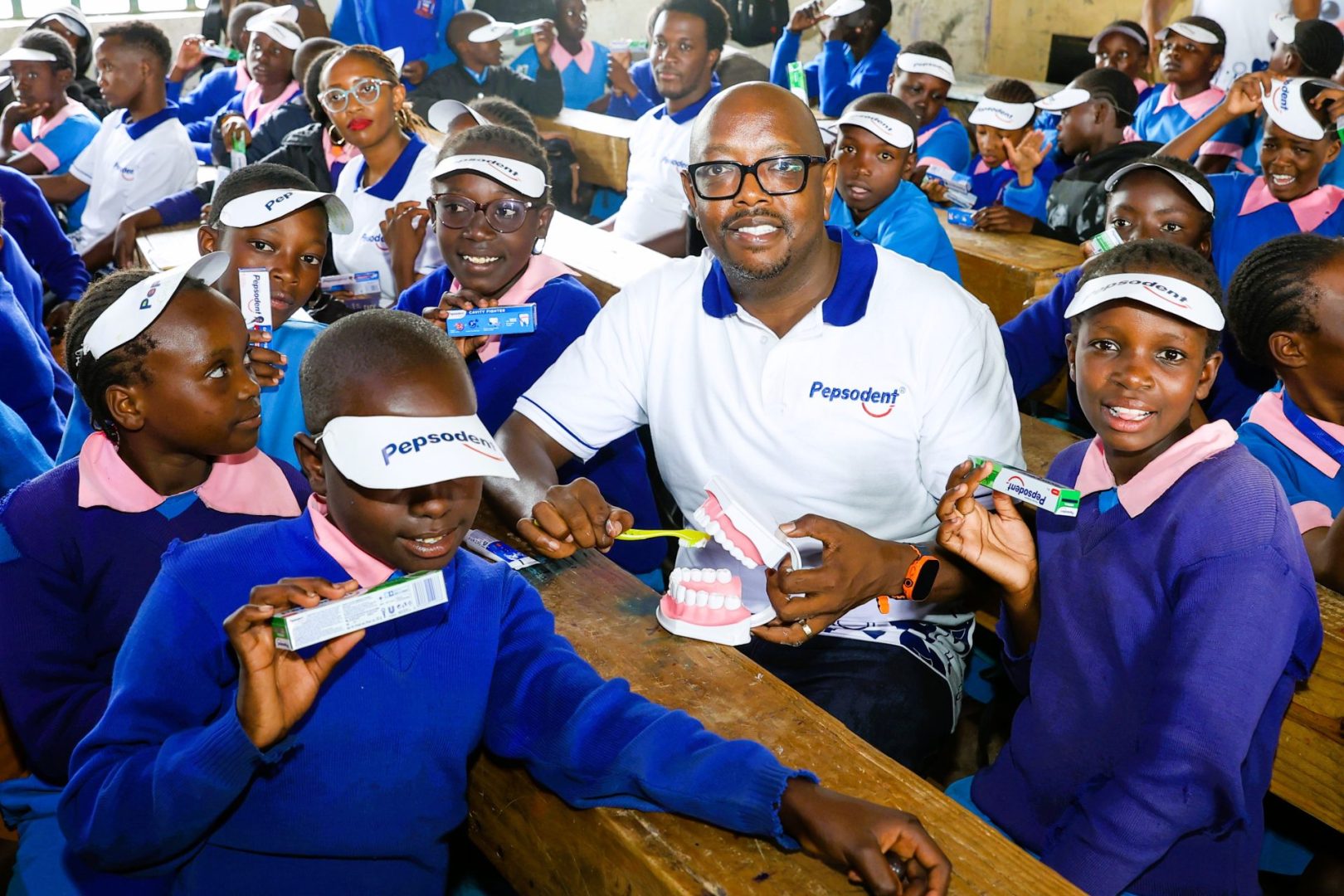
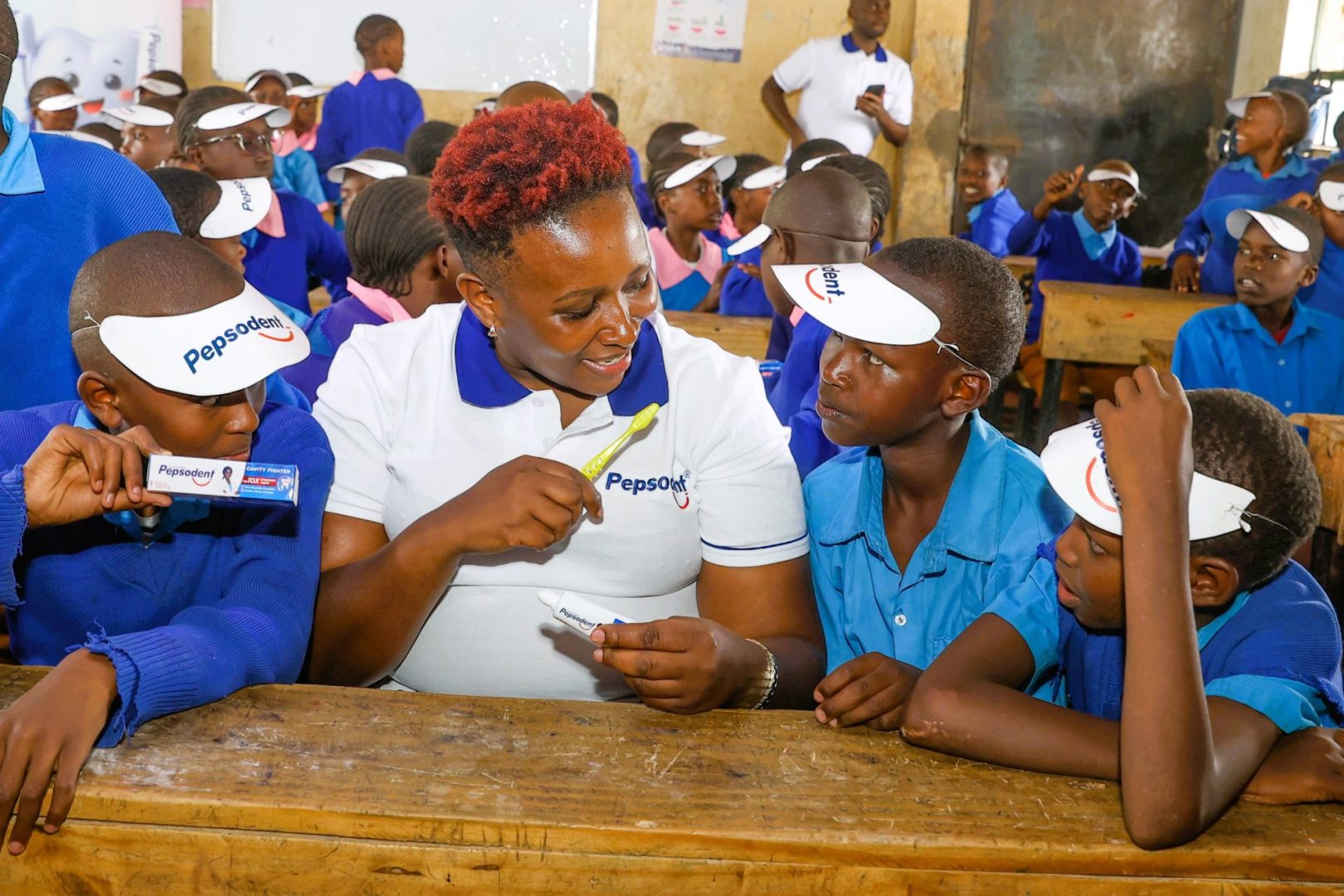
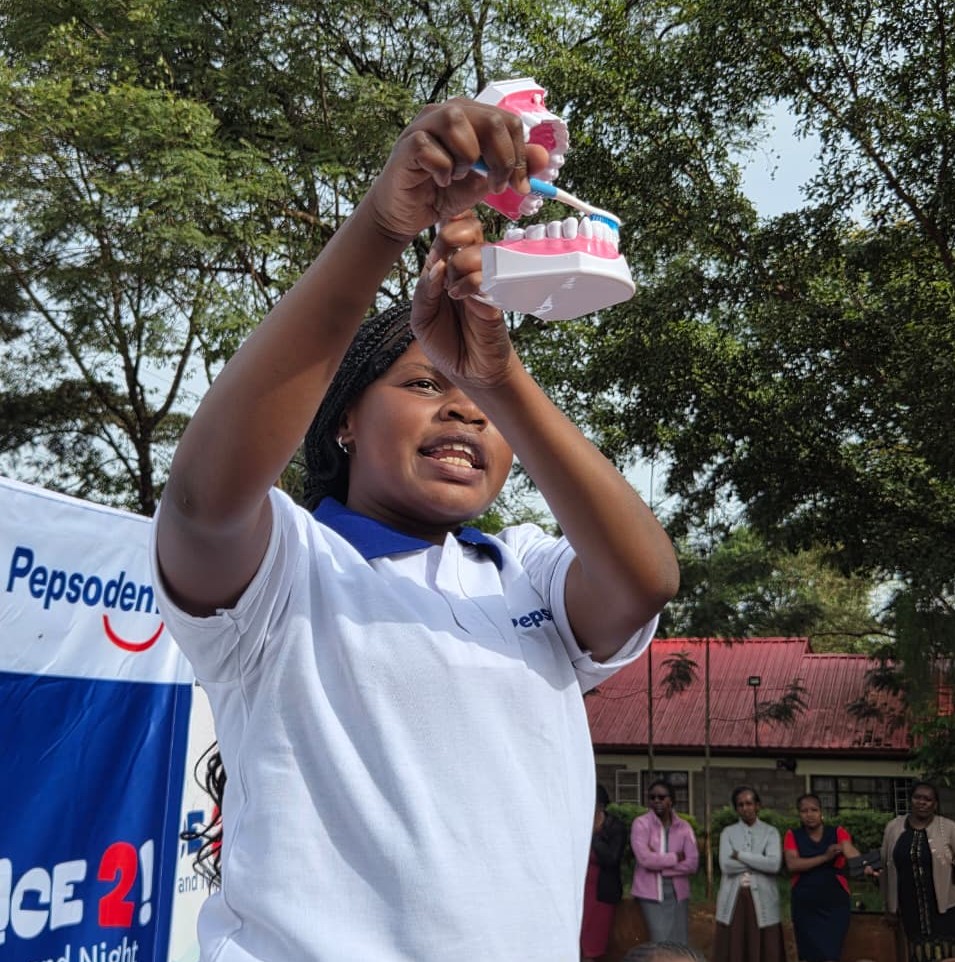
The programme integrates supervised demonstrations on proper brushing techniques alongside basic oral care education, aiming to instill lifelong hygiene habits at an early age.
This structured approach reflects a growing emphasis on preventive healthcare—shifting from treatment to early-stage intervention through education.
Kenya faces a high burden of oral diseases
This intervention comes at a critical time for Kenya’s public health landscape. Data from the Kenya National Oral Health Survey indicates that nearly half of children aged five suffer from tooth decay, while more than 90 per cent of the population is affected by gum disease.
These figures underscore a systemic gap in preventive care, particularly among children, where early intervention can significantly reduce long-term health complications and costs.
Industry leaders link oral health to education outcomes
Unilever East Africa Commercial Director John Kibira noted that schools provide an effective platform for embedding sustainable health behaviours.
“Reaching children in school allows us to simplify oral care and embed daily habits such as brushing twice a day using fluoride toothpaste. These are small actions with significant long-term health outcomes,” he said.
Unilever East Africa Managing Director Luck Ochieng emphasised the broader developmental implications of oral health.
“Good oral health underpins a child’s confidence and ability to learn. Preventive interventions at school level are critical in reducing the long-term burden of dental disease,” he said.
Gaps persist despite increased access to oral care products
Despite increased access to oral care products in Kenya, usage patterns remain inconsistent. National data shows that over 77 percent of adults own a toothbrush and brush at least once daily, while about 70 percent use fluoridated toothpaste.
However, gaps persist in brushing frequency, technique, and product awareness, with approximately 17 percent of users uncertain whether their toothpaste contains fluoride.
Health experts also highlight low adherence to recommended practices such as replacing toothbrushes every three months, which continues to undermine effective oral hygiene outcomes.
Aligning with national health policy priorities
The Pepsodent school programme aligns with the Kenya National Oral Health Policy (2022–2030) and the National Oral Health Strategic Plan (2022–2026), both of which prioritise preventive, school-based interventions as a cost-effective pathway to improving national oral health outcomes.
By scaling outreach through schools, Pepsodent is supporting national efforts to reduce childhood tooth decay and gum disease while lowering the long-term cost burden associated with oral health treatment.
A strategic shift toward impact-driven brand building
From a strategic standpoint, this campaign reflects a broader shift in how consumer brands engage emerging markets—moving beyond product distribution to behaviour change and ecosystem impact.
In markets like Kenya, where health outcomes directly influence productivity and human capital development, such interventions are not peripheral—they are central to long-term economic resilience.
For business leaders, the implication is clear: sustainable growth will increasingly depend on aligning commercial strategy with measurable social outcomes. Companies that invest in community-level impact, particularly in health and education, will build stronger brands, deeper trust, and more durable market positions over time.