

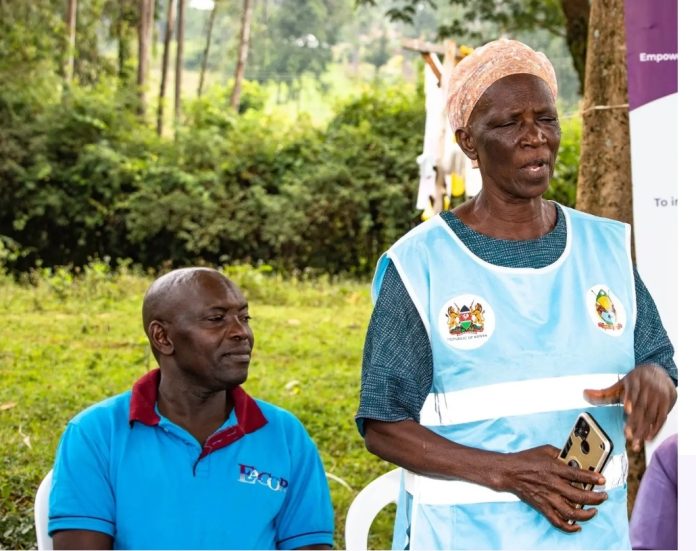
A landmark study investigating the psychological well-being of Kenya’s frontline healthcare workforce has revealed alarming rates of mental health strain among Community Health Promoters, particularly those serving in dense urban informal settlements. Conducted under the SHINE research project by a consortium comprising LVCT Health, the African Population and Health Research Center, the Liverpool School of Tropical Medicine, and the BRAC Institute of Population and Health Sciences, the study surveyed 1,236 health workers across Nairobi’s Viwandani and Korogocho settlements, alongside rural communities in Lari and Gatundu in Kiambu County.
Using the validated Depression, Anxiety and Stress Scale alongside participatory interviews, researchers found that more than one in four workers in Nairobi show symptoms of depression, while approximately one in three experience anxiety. Overall, 22.4 percent of respondents across all study sites screened positive for depression, 30.6 percent reported anxiety, and 12.7 percent experienced moderate to severe stress.
The data exposes a dramatic geographical divide between urban informal settlements and rural healthcare settings. In Nairobi, depression rates reached 26.4 percent, compared to 8.2 percent in rural Kiambu. Similarly, anxiety affected 33.8 percent of Nairobi promoters against 18.9 percent in Kiambu, while elevated stress levels stood at 15.4 percent and 3 percent, respectively.

Researchers attributed this disproportionate burden in urban areas to demanding workloads, severe economic vulnerabilities, and hyper-dense living conditions. Only eight percent of Nairobi-based promoters considered their workload manageable, compared with 24 percent in Kiambu, while 40 percent of urban respondents expressed persistent fears of losing their positions.
Structural financial strain emerged as a primary catalyst for worker burnout across both settings. Between 93 and 97 percent of surveyed health workers reported that their monthly stipends were inadequate or unfairly compensated, while between 92 and 94 percent regularly spent their own personal money on client transport, mobile airtime, and basic emergency medical costs.
“Hidden Scars”: Violence Against Children and Mental Health in Kenya
Furthermore, although Kenya relies on approximately 107,000 promoters to anchor its national Universal Health Coverage agenda through household screening, health education, and emergency referrals, institutional support remains severely constrained. The recommended supervisory ratio of one Community Health Assistant per community unit is frequently breached, with some assistants forced to oversee up to 100 promoters, thereby limiting opportunities for meaningful mentorship or psychosocial support.
Extending beyond administrative and financial stressors, the study highlights acute environmental and physical safety risks facing the frontline workforce. Promoters act as primary responders during climate shocks, such as the 2024 Nairobi floods, which displaced families and escalated community health hazards while directly affecting the workers’ own households. Additionally, female health promoters reported persistent safety concerns during routine household visits and late-night referrals, including vulnerability to verbal abuse and sexual harassment.
To mitigate these systemic pressures, the research team has developed and piloted a four-component mental health intervention package engaging 500 promoters and 50 supervisory assistants. The model combines mental health literacy to reduce stigma, a five-week peer-led self-care curriculum adapted from the World Health Organization’s stress management guidelines, capacity-building for supervisory assistants in supportive leadership, and automated mobile messaging offering wellness encouragement and direct referral contacts.
To sustain the health workforce, researchers urge county and national governments to integrate promoter well-being into the national Community Health Strategy, guarantee timely stipend payments, enforce strict supervision limits, and establish confidential reporting mechanisms for workplace harassment.