

When corporations promote renewable energy projects worth millions of shillings, the main focus is typically placed on environmental responsibility, reductions in carbon emissions, and achieving global sustainability objectives. However, if you get rid of the climate-related jargon concerning Unilever’s KES 70 million (£540,000) solar installation at its factory in Nairobi, what remains is a much more practical story: a high-return operational safeguard in the uncertain East African industrial environment.
In industrial corporate finance, any capital expenditure has to meet strict internal hurdle rates. In theory, Unilever’s 800kW solar installation—which has been in operation since June 2026has a highly attractive payback profile. The initial outlay is S 70 million and the expected annual savings are about KES 30 million (£230,000), so the simple payback period is around 2.33 years (about 28 months). It is extremely quick to recover an industrial asset worth half a million dollars within just under two and a half years, enabling the factory to meet about 30% of its electricity needs at nearly zero marginal cost for the rest of the system’s 20- to 25-year life.
For manufacturers working in East Africa, unpredictable operational expenditure tends to pose a greater threat to their margins than the basic cost of raw materials. By generating 30% of its power on-site, the facility almost manages a third of its electricity demand away from variations in grid tariffs, fuel adjustment surcharges, and spikes in foreign exchange levies. The solar power produced on-site during the day naturally matches the timing of the peak periods of production, thus reducing the peak demand charges and helping to stabilise the factory’s overhead costs. Together with an earlier change that involved replacing the heavy fuel oil boilers with biomass units, the plant greatly decreases its exposure to fluctuating imported petroleum prices and establishes a more self-sufficient industrial system.

The financial aspects can be considered independently, but the operational restructuring also directly addresses Unilever’s wider corporate governance needs. Combining the solar array with the biomass boilers reduces the factory’s carbon emissions by about 40% compared to its 2023 baseline. Since global consumer goods companies are now undergoing more rigorous supply chain audits and have to meet tighter carbon disclosure requirements from international investors, local measures such as those implemented in Nairobi help to secure access to capital and preserve a competitive edge in the various regional markets.
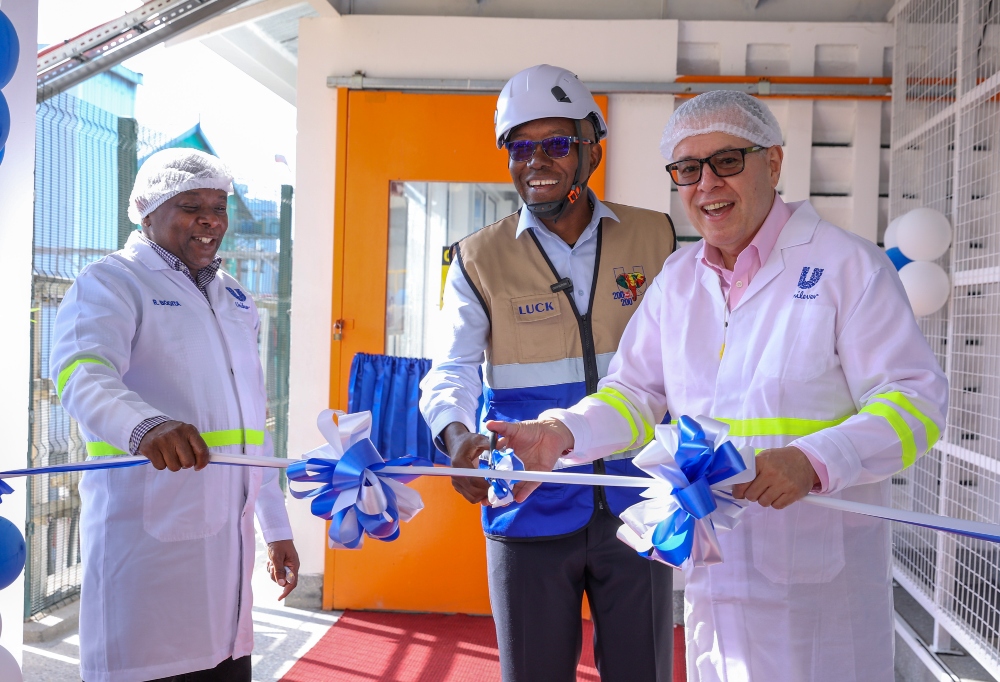
The fact that senior management were present at the event—among them João F. Ribeiro, Head of Supply Chain at 1UL, Luck Ochieng, Managing Director, and Richard Bogita and Elodie Kouassi, Supply Chain Executives—shows that this is not merely a standalone pilot project. Since it has already been announced that plans exist to convert hot-air generation systems from fossil fuels to biomass, the Nairobi site acts as a model for private-sector industrial decarbonisation throughout Sub-Saharan Africa, since in that region the best reason for pursuing sustainability is a strong balance sheet.

