

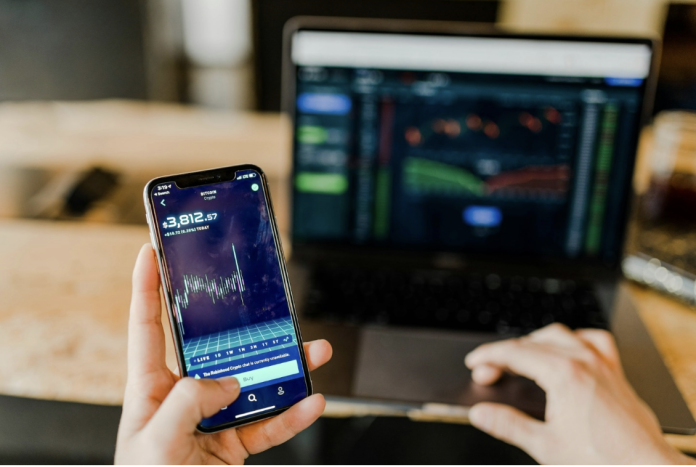
Mobile trading has changed how many Kenyans approach the currency market. From Nairobi to Kisumu, traders now monitor charts, place orders, and react to global news directly from their phones. That convenience is powerful, but it also creates room for mistakes that quietly drain accounts over time.
Using a Forex Trading App can make trading faster and more flexible, but speed without discipline often leads to expensive decisions. Here are nine common mistakes that cost mobile traders real money in Kenya.
1. Trading Without Checking the Full Market Context
Many traders open a position after seeing one strong move on a small chart. On mobile, it is easy to focus only on the latest candle and ignore the bigger picture.

That is risky. A pair may look bullish on a five minute chart while running straight into resistance on a higher time frame. In markets like forex, that is like stepping into moving traffic after glancing only one way.
2. Entering Trades Too Quickly
Mobile apps are built for speed, and that can become a problem. A fast tap can place a trade before the setup is fully confirmed.
Why Forex Trading is Becoming Increasingly Popular in Kenya
Kenyan traders often follow major US data releases or Central Bank news in real time, and those moments can create emotional decisions. You might feel pressure to jump in fast, but rushed entries often turn good ideas into bad trades.
3. Using the Wrong Lot Size
This is one of the most expensive mobile trading mistakes. On a small screen, it is easy to enter the wrong trade size or fail to notice how much exposure is being taken.
A small typing error can turn a controlled position into a dangerous one. Many traders only realize it after the market moves against them, and by then the damage is already done.
4. Ignoring Stop Loss and Take Profit Levels
Some mobile traders enter trades first and plan risk later. Others avoid stop losses entirely because they want to manage the trade manually.
That sounds fine in theory, but markets do not wait for convenience. Internet delays, distractions, or sudden volatility can hit before you have time to react. A trade without protection is like riding a motorbike in heavy traffic without brakes.
5. Relying Too Much on Notifications
Alerts can be useful, but they are not a strategy. A price notification only tells you that something happened. It does not explain why it happened or whether the move still makes sense.
In Kenya, traders who follow global headlines often see sudden moves during international sessions. By the time you open the alert and check the chart, the opportunity may already be gone or the market may have reversed.
6. Trading on Weak Internet Connections
Execution matters more than many traders realize. A poor connection can lead to delayed entries, slippage, or failed order changes at the worst possible moment.
Your First Steps to Start Forex Trading in Kenya
This is especially relevant for traders using mobile data while commuting or working outside the home. One unstable signal can turn a planned trade into a messy one, and the market will not slow down to compensate.
7. Failing to Update the App
Some traders keep using old versions of their app because they do not want layout changes or new settings. But updates often fix stability issues, improve speed, and strengthen security.
An outdated app can freeze, lag, or behave unpredictably when volatility rises. That is the last thing you want during a sharp move in USDKES or any major pair tied to global sentiment.
8. Overtrading Because the Market Is Always in Your Pocket
This is a very common mobile trading habit. Because the app is always available, traders keep checking charts and forcing positions even when there is no clear setup.
More access does not always mean more opportunity. Sometimes it just means more temptation. Smart traders know that not every moment deserves a trade, no matter how easy the app makes it look.
9. Treating Mobile Trading Casually
The biggest mistake is forgetting that mobile trading still involves real money and real risk. A phone may feel informal, but the market is not.
Profitable traders usually have a routine. They review setups carefully, manage risk properly, and avoid emotional decisions. In Kenya’s growing trading community, that discipline is often what separates steady traders from those who keep repeating the same losses.
Conclusion
Mobile trading offers Kenyan traders speed, access, and flexibility, but those benefits only matter when paired with control. Most losses do not come from the app itself. They come from how the app is used.
Avoiding these nine mistakes can make a big difference. A mobile device can be a strong trading tool, but only when it is backed by patience, planning, and proper risk management.