
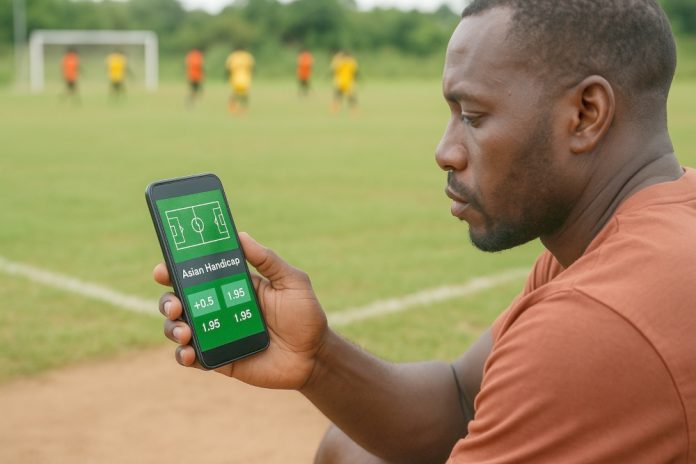
Asian Handicap betting arrived in Africa later than in Europe, yet it changed how players read football odds. Before its spread, most wagers followed simple win-or-draw outcomes. Bookmakers offered limited options, and margins stayed wide. When handicaps entered the scene, balance replaced guessing.
Bettors began using advanced statistics and performance models. Local punters found comfort in digital platforms that supported clear systems and stable interfaces. Many prefer managing their wagers through 1xbet tanzania, where football markets display detailed handicap lines. That level of precision turned betting from random choice into a game of analysis.
The method fits perfectly with African football’s rhythm, where matches often show unpredictable results. From Nairobi to Dar es Salaam, the handicap format helps equalise gaps between stronger and weaker teams. It turns uneven fixtures into balanced contests on paper, creating fairer odds and steady engagement.

How the system works
The handicap removes the possibility of a draw by giving one team a virtual lead. This concept came from Asia several decades ago, designed to reflect realistic balance. Bettors no longer focus only on victory but on goal margins.
The structure divides into fractions and whole numbers. For example:
- A -0.5 handicap means the stronger team must win by at least one goal.
- A +1.0 handicap rewards the underdog if the team avoids a two-goal loss.
- Split handicaps like -0.25 divide stakes between two outcomes.
These small details influence every ticket. They change not only potential payouts but also the way bettors follow live games.
Influence on African football betting
Handicaps suit African leagues where match intensity varies widely. Differences in playing surfaces and tactical styles often create uneven contests. Applying a handicap gives structure to these variations.
The rise of mobile betting platforms simplified access to such complex formats. Analysts noticed a growth of nearly 40% in Asian Handicap usage across East Africa during the past five years. This reflects not only curiosity but growing literacy in betting mathematics.
Within this evolution, iGambling changes the African market by combining regional habits with global systems. It makes advanced formats like handicaps more familiar to both casual and experienced bettors.
Cultural and technical adaptation
African punters adapt betting logic quickly. Decades ago, local prediction pools dominated, based on community networks and small stakes. Today, digital interfaces have replaced paper slips, but the social nature of betting remains. People still discuss outcomes in cafes, transport stations, and social media groups.
Platforms now provide real-time updates, language localisation, and visual trackers. The blend of statistics and tradition defines modern betting culture in the region. Every line in an Asian Handicap reflects deeper understanding – not blind risk.
Common approaches to analysing handicaps
To manage handicap betting effectively, users often rely on basic frameworks:
- Reviewing team form, goal difference, and recent travel history
- Studying past match data for similar handicap lines
- Tracking weather and pitch quality, especially for outdoor matches
This approach converts observation into structure. Bettors learn patterns that repeat across seasons. When applied carefully, handicaps reveal how outcomes balance over time.
Economic impact and growth
The spread of handicap betting affects not only individuals but the economy around sport. Local analysts, odds compilers, and data providers now form part of a growing digital network. The model rewards information accuracy rather than luck.
In some countries, football betting supports small enterprises that create statistics and event commentary. These jobs did not exist a generation ago. The change represents a quiet transformation of entertainment into micro-economy.
How Education Enhances Responsible Betting Culture
A steady evolution
The arrival of Asian Handicap has given African bettors a modern structure for reading the game. It fits both tradition and innovation – two forces shaping today’s market. Local leagues continue to attract wagers from fans who understand more than they once did.
Betting, once based on instinct alone, now mirrors global analysis. For Africa’s diverse football scene, that balance between emotion and calculation marks a turning point. It shows that progress often begins not with technology itself, but with the understanding behind it.