

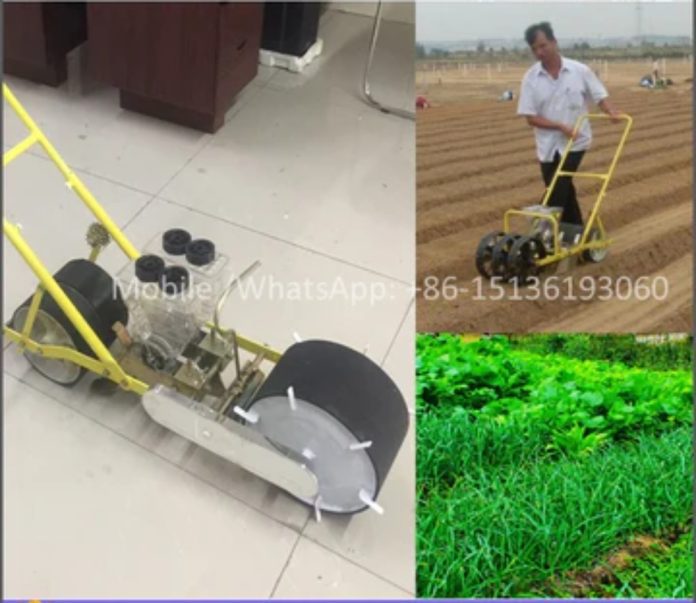
The agricultural landscape has undergone a profound shift over the past several decades, but the pace of innovation in the last few years has been especially remarkable. Today’s farmers are no longer relying solely on tradition, intuition, or labor-intensive routines. Instead, they are operating within an ecosystem shaped by data, engineering advances, and sophisticated equipment designed to maximize efficiency while reducing strain on both people and land.
As global demand for food continues to rise and climate variability becomes more unpredictable, the ability to produce more with fewer resources has never been more important. Modern farm machinery stands at the center of this evolution, offering solutions that help agricultural operations of all sizes work smarter, not harder.
The Expanding Role of Technology in Modern Agriculture
Farm productivity has always been tied to the equipment available, but technology has transformed that relationship from one of simple mechanical assistance to one of strategic decision-making. Agricultural experts and global institutions such as the Food and Agriculture Organization consistently highlight how mechanization and smart equipment contribute to higher crop yields, more stable production, and improved resource management. The emerging consensus is clear: technology is no longer a supplementary option but an essential component of sustainable farming.

Today’s machinery integrates automation, precision controls, and digital monitoring systems that help farmers analyze soil conditions, track crop progress, and manage inputs like water and fertilizer with exacting accuracy. These innovations reduce waste, improve timing, and support the kind of data-informed practices that were once the exclusive domain of large industrial operations. As these tools become more accessible, mid-sized and smaller farms are increasingly able to leverage their benefits.
Precision, Efficiency, and Reduced Labour Pressures
One of the most significant advantages of modern equipment is its ability to address labor shortages—an issue widely recognized across global agricultural sectors. Contemporary machines take on tasks that traditionally required large teams, from planting and tilling to spraying and harvesting. This shift not only saves time but also reduces human error and physical strain.
Precision technologies such as GPS-guided tractors, sensor-equipped implements, and variable-rate application tools ensure that each pass across the field is optimized. Rows remain straight, overlaps and missed areas disappear, and resources are applied exactly where they are needed. These improvements translate directly into higher productivity and cost savings. When a machine can plant, fertilize, or irrigate with pinpoint accuracy, a farm’s output becomes more consistent and less vulnerable to inefficiency.
It’s essential to acknowledge how accessible high-quality agricultural machines, also locally known as machines agricoles, have become in the African market. This accessibility is playing a key role in broadening the adoption of technologies that were once available only to major operations. As equipment becomes more specialized and diverse, farms can select high-performing tools suited to their crop type, land size, and management approach rather than relying on one-size-fits-all solutions.
Sustainability Through Smarter Resource Use
Modern agriculture is increasingly expected to strike a balance between productivity and environmental stewardship. Machinery designed for precision agriculture supports this balance by minimizing input waste and improving soil health. Tools equipped with smart sensors and real-time feedback systems help ensure that water, fertilizers, and crop protection products are used more judiciously. This aligns with broader sustainability recommendations shared by agronomy experts and environmental institutions that advocate reducing runoff, preserving soil structure, and enhancing long-term land resilience.
Reduced tillage equipment, for example, disturbs the soil less, which helps maintain organic matter and prevents erosion. Similarly, machines that facilitate targeted spraying or micro-irrigation reduce the overall volume of chemicals and water needed. Over time, these practices support both environmental goals and economic stability, helping farms operate efficiently while preparing for shifting climate conditions.
Automation and the Rise of Autonomous Tools
Autonomy is no longer a distant concept—it is becoming a mainstream component of agricultural operations. Automated equipment, ranging from self-steering tractors to autonomous harvesters, delivers consistent performance independent of fatigue or changing field conditions. This contributes to timely fieldwork, which is critical for protecting yield potential during narrow planting and harvesting windows.
Furthermore, automation enhances safety. Farmers can remotely monitor and control machinery, reducing exposure to dust, chemicals, and hazardous terrain. As the technology continues to advance, autonomous equipment is expected to play an increasingly central role in helping farms operate continuously during peak seasons without requiring excessive labor hours.
Equipment Tailored to Diverse Farming Needs
Agriculture is far from uniform. Fields vary in size, shape, soil type, and farming goals, and the machinery market has evolved to accommodate this diversity. Whether a farm specializes in row crops, orchards, vineyards, or livestock management, specialized tools exist to streamline daily operations and address unique challenges.
Agnes and Philip Murgor: Success secrets behind our 650 acre dairy farm
Compact tractors, multi-purpose loaders, efficient seeders, and crop-specific harvesters allow farmers to fine-tune their workflow. These machines contribute to a more adaptable and resilient agricultural sector—one capable of responding quickly to market demands, weather disruptions, and resource constraints.
Improving Farm Management Through Connectivity
Connectivity has expanded the way farmers interact with their machinery. Many modern machines are equipped with telematics systems, allowing operators to monitor performance, track maintenance schedules, and evaluate productivity through centralized dashboards. This form of digital oversight aligns with industry trends that emphasize data-driven decision-making for stronger long-term outcomes.
Manufacturers and agricultural technology providers often collaborate with research institutions to ensure these systems align with best practices in agronomy and farm management. As a result, the information gathered not only helps individual farm operations but also contributes to a larger body of knowledge that supports the sector’s continuous improvement.
Conclusion: A More Capable and Resilient Future for Agriculture
Modern farm machinery has evolved far beyond being just a set of tools—it represents a significant shift in how agricultural work is conceptualized, organized, and sustained. By integrating precision, automation, sustainability, and digital intelligence, today’s equipment empowers farmers to do more than simply keep up with demand. It enables them to thrive in an environment where efficiency and adaptability are essential.
As innovation continues, the agricultural sector stands to benefit from machinery that supports both productivity and environmental responsibility. Farms that embrace these advancements are better positioned to navigate challenges, optimize their operations, and contribute to a stable global food system. Through careful adoption and thoughtful use, modern machinery is helping build a stronger, more resilient future for agriculture—one well-equipped to meet the complexities of today and the possibilities of tomorrow.