

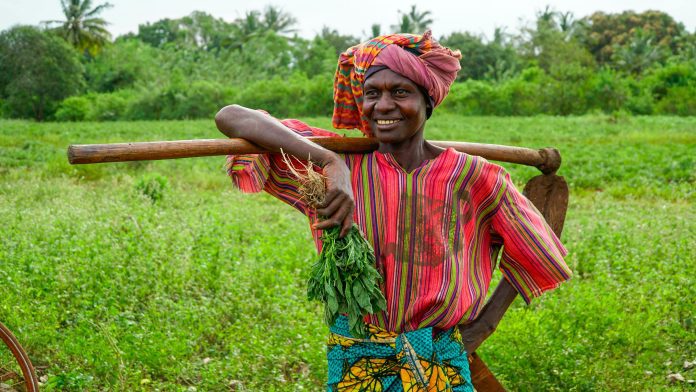
Kenya is a country richly blessed with arable land, diverse climates, and a hardworking population. We have what it takes to feed ourselves and even export food to the region. So why do we constantly face food shortages, high prices, and heavy dependence on imports?
The answer lies not in lack of capacity, but in how we manage what we grow, how we move it, and how the market is controlled.
1. We Can Feed Ourselves
From the Rift Valley to Western and parts of Eastern Kenya, our land produces a wide range of crops, grains, vegetables, fruits, and livestock. There are many success stories of farmers who’ve thrived, but there are also countless stories of loss, discouragement, and frustration.

Farming in Kenya is not for the faint-hearted. It’s expensive, risky, and often unrewarding. Many who have invested in the sector end up giving up due to lack of markets, price crashes, or exploitation by brokers.
2. A Broken System of Distribution
To me, the biggest challenge is not production, but distribution. It’s frustrating to see fresh tomatoes rotting in Kagemi market, while in Kitui or Garissa, the same tomatoes are scarce or selling at triple the price. The disconnect is not distance, it’s the system.
Markets are controlled by cartels and gatekeepers who determine who accesses the market, what gets sold, and at what price. This cartel network benefits a few, while both farmers and consumers suffer.
We lack a coordinated, transparent, and efficient food movement system across the country. If you’re not in the “loop,” your produce rots.
3. Policy That Hurts Instead of Helps
Poor policy decisions also play a huge role in sabotaging local food production. Take this, for example: rice farmers in Mwea expect a good harvest. Just then, the government gives clearance for imported rice and sugar to enter the market, ironically on the same day a ship docks at the port.
Joseph Choge: From earning Sh200,000 at 18 to heading multi-million food company
This immediately floods the market, crashes prices, and discourages local investment in farming. Someone is making money off imported food, while our farmers bear the brunt.
Who are these distributors of food from Uganda and Tanzania? Rice from Pakistan and sugar from Brazil?
These decisions destroy morale and turn agriculture into a gamble rather than a business.
4. Rain-Fed Farming and Poor Timing
Another structural issue is our rain-fed farming system. Most Kenyan farmers plant at the same time because we rely heavily on rainfall.
While this works for grains, it’s a major problem for fresh produce, which spoils quickly if not stored or sold. Without cold storage or staggered production cycles, a glut leads to price crashes and food waste.
That’s why many farmers abandon the business after a few seasons. They produce, but the market collapses before they can recover costs.
5. The Case for Modern Distribution
If Kenya is to fix its food crisis, we must invest in modern agricultural distribution networks.
We need to support the likes of Farm Net, led by Allan Oyier, and Twiga Foods, which are solving real problems for farmers. These companies link producers directly with markets, offer fair trade terms, and provide storage and transport solutions to reduce losses.
Twiga, for instance, has built a modern vegetable storage facility and cold chains that extend produce shelf life and stabilize supply across seasons. With such systems, more people will enter farming, and food security will become achievable,not just a buzzword.
6. Unite the Farmer and the Market
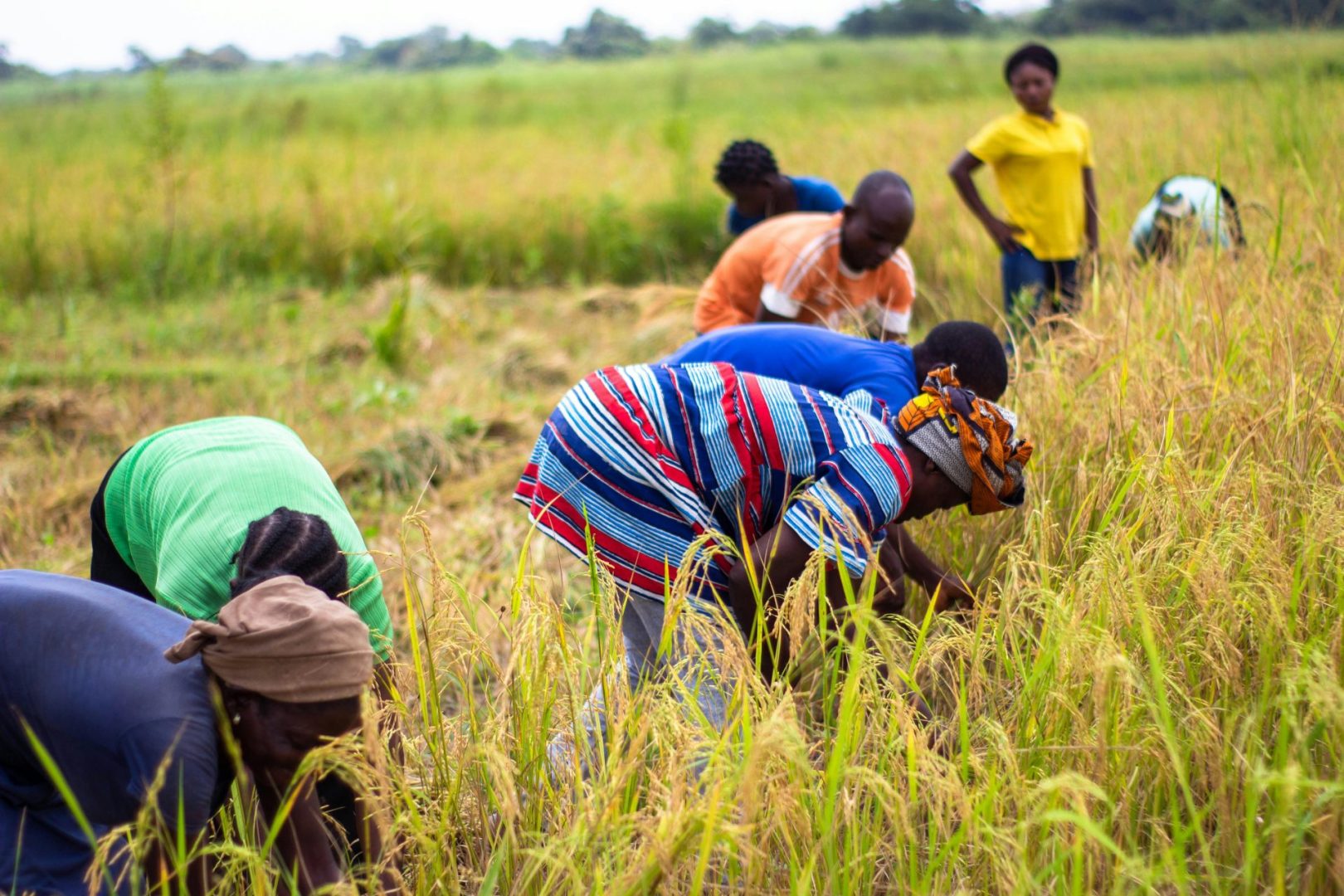
In every county, we have databases of farmers and what they produce—but most of these farmers struggle to find consistent markets. What is grown in Kitui or Taita Taveta never reaches Trans Nzoia or Bungoma, where it’s needed, and the farmers in Kitui and Taita Taveta make losses. The problem cuts across all counties.
We need a national food movement strategy that connects farm to fork, fairly, efficiently, and transparently.
Why practical skills matter more than degrees in today’s economy
7. What Kenya Must Do
To stabilize our food system, Kenya must:
- Break the hold of cartels and gatekeepers in food markets
- Regulate import timing to protect local farmers
- Invest in cold storage, warehouses, and transport networks
- Support agritech companies and modern logistics firms
- Train farmers on market-led farming rather than seasonal planting
- Create regional hubs for collection, storage, and distribution
Kenya has everything it takes to be food secure. The land is fertile, the farmers are ready, and the demand is high. What we need now is bold leadership, fair markets, and smart systems that ensure what is grown can move and earn.
Until we fix distribution, policy timing, and market access, we will keep importing food we could grow ourselves, and our farmers will keep losing faith in the very sector that could drive our economy.
Our current president, Dr Ruto, and immediate former President Uhuru Kenyatta have shown us faith in agribusiness investments. Remember, they have access to data on our economy to get into such ventures.
The soil is ready. Now it’s time to fix the system.
About the author
Mulumi Mwangi is a seasoned businessman with more than five decades of life experience, bringing a rare depth of perspective to both enterprise and writing. Trained as an electrical engineer, he has founded, built, and managed ventures across diverse sectors, including advertising, marketing, agribusiness, real estate, and fintech.
His writing is firmly grounded in lived experience. It draws from family life as a father, husband, brother, and uncle; from public life through his service as a political party official; and from the hard lessons of business, both failure and success. These experiences, combined with everyday social interactions, have shaped a reflective and pragmatic worldview.
Mulumi’s work is offered as a personal perspective rather than a prescription. His views are candid, experience-driven, and open to debate—acknowledging that insight is often refined through dialogue, reflection, and the humility to accept that one may be right or wrong.