

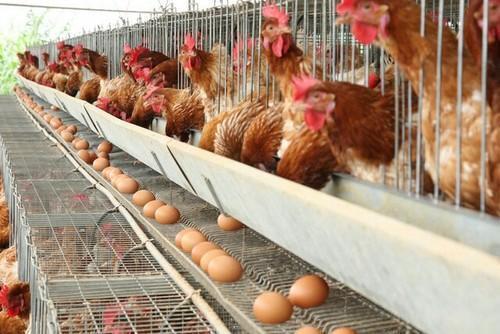
Layer poultry farming remains one of the most widely practiced agribusiness ventures across Africa and beyond, largely because of its steady income potential, relatively quick returns, and growing demand for eggs as an affordable source of protein.
For many smallholder and commercial farmers, keeping layers offers a reliable pathway to food security, employment creation, and household income.
The benefits of layer farming are significant. Eggs are consumed daily in millions of homes, making the market dependable and less volatile compared to some farm products.

Beyond direct sales, poultry manure provides valuable organic fertilizer for crop production, while the business itself creates opportunities along the value chain.
Yet despite these advantages, one challenge continues to frustrate many poultry farmers: low egg production.
Many farmers have reported scenarios where birds appear healthy, active, feeding well, but egg output remains below expectations.
According to poultry experts, the problem often comes down to management gaps that directly affect production. Understanding these factors can help farmers restore and improve performance.
-
Feed Quality and Nutrient Balance
Nutrition is the foundation of egg production. Layers require a carefully balanced diet rich in protein and calcium to sustain laying. Protein plays a central role in egg formation, while calcium strengthens eggshells.
When feed quality is poor, diluted, or inconsistent, hens often respond by reducing laying frequency or producing weak-shelled eggs.
Poultry farming: How much can a first timer make from 300 layers
Farmers are advised to maintain a strict feeding schedule and supplement calcium where necessary using materials such as crushed oyster shells or limestone.
-
Lighting Duration and Stability
Egg laying is heavily influenced by light exposure because it regulates the hormones responsible for production. For optimum output, hens need between 14 and 16 hours of light daily.
When lighting is irregular, whether due to poor housing design or inconsistent artificial lighting, the birds’ laying cycle is disrupted.
Farmers are encouraged to maximize natural daylight and install artificial lighting systems where necessary to maintain consistency.
-
Stress from Overcrowding and Disturbance
Stress is one of the most overlooked causes of reduced egg production. Overcrowding, excessive noise, predator threats, and constant disturbances create anxiety among birds, which directly lowers laying activity.
A calm and secure environment is essential.
Proper stocking density, reduced movement around the poultry house, and protection from predators can significantly improve production.
-
Inadequate Nesting Conditions
Hens need safe, comfortable, and private spaces to lay eggs. Poor nesting arrangements can cause birds to withhold laying or deposit eggs on the floor, increasing the risk of breakage and loss.
Clean, dark, and quiet nesting boxes with dry bedding encourage normal laying behavior and help improve productivity.
-
Heat Stress and Poor Ventilation
High temperatures are a major enemy of egg production. Heat stress reduces feed intake, weakens birds, and interferes with egg formation.
Poor ventilation worsens the problem by trapping hot air inside the poultry house.
To manage this, farmers should improve airflow, avoid overcrowding, and ensure birds have constant access to cool, clean drinking water.
-
Age and Breed Productivity
Not all hens perform equally. Young layers are naturally more productive, while older birds gradually decline in egg output.
Breed selection also matters. Some breeds are genetically designed for high egg production, while others are less efficient.
Farmers should monitor flock age and cull or replace birds whose productivity has dropped significantly.
-
Water Intake Quality and Access
Water is often underestimated, yet it is one of the most critical elements in egg production. Eggs contain a large percentage of water, meaning even short periods of water shortage can immediately reduce laying.
Dirty or contaminated water can also discourage intake and affect bird health.
Farmers are encouraged to ensure clean, fresh water is always available and that drinkers are functioning properly at all times.