

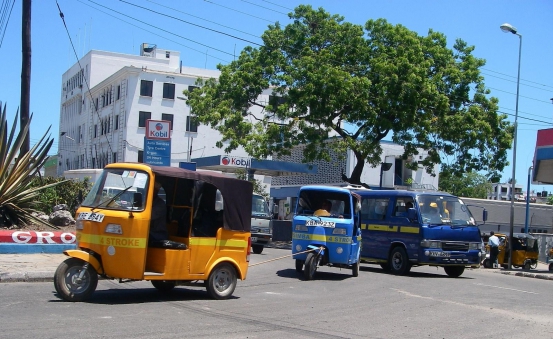
In many urban centres across Kenya, tuktuks have become an indispensable mode of transport, offering commuters an affordable, flexible and convenient way to navigate congested roads.
Their ability to consume less fuel and provide faster mobility in busy towns has made them a preferred option for both passengers and entrepreneurs seeking income opportunities.
For many operators, the three-wheeled vehicles are a source of livelihood and economic independence.

However, behind the growing popularity of the sector lies a harsh financial reality that industry players say aspiring investors must carefully consider, especially when acquiring tuktuks through loans.
For Vincent Otieno, a long-time resident and operator in Kisumu, the business has sustained him for more than a decade. He describes the trade as both a dependable source of income and something he genuinely enjoys.
“This business has been my main source of income and employment for years. On a good day, I can make more than Sh2,500 after fuel expenses,” he told KNA.
Despite the earnings potential, Vincent says the operating environment has become increasingly difficult over the years, significantly reducing profitability for many operators.
Among the biggest challenges is the rising cost of fuel, which continues to eat into daily income. Since tuktuk transport largely depends on affordability to attract passengers, operators often struggle to pass increased fuel costs on to customers through higher fares.
“The way we used to work has changed,” Vincent explains. “We can no longer make the kind of income we used to. At the same time, competition has intensified due to the growth of the boda boda sector.”
The lingering economic effects of the COVID-19 pandemic have also reshaped travel patterns and reduced consumer spending power, further affecting daily earnings.
In addition, the escalating cost of spare parts and vehicle maintenance has increased operational pressure on operators already dealing with shrinking margins.
Due to this reality, Vincent cautions prospective investors against purchasing tuktuks through loans, arguing that many new entrants underestimate the financial strain involved in balancing repayments with operating costs.
“I encourage anyone entering this business to own their tuktuk outright. Taking loans can be risky because the current income levels may not sustain both repayment and daily operations,” he says.
Even with the challenges, Vincent remains optimistic about the future. His long-term ambition is to expand his operations by acquiring additional tuktuks and employing other riders, before eventually venturing into the long-distance transport sector through investment in lorries.
Also Read: Why Electric Two-Wheeler Insurance Needs a Separate Buying Framework