

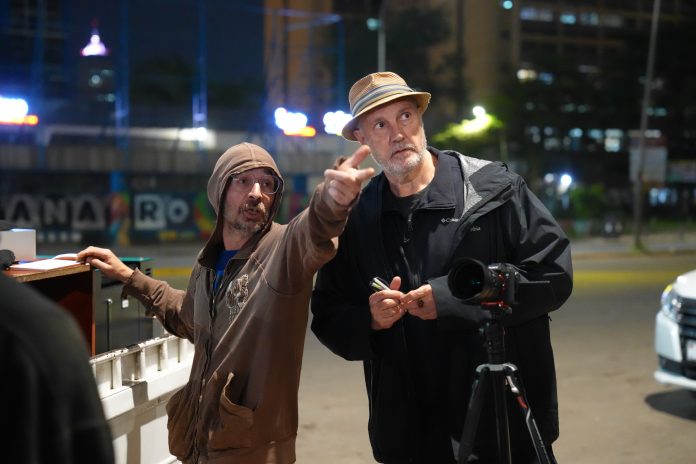
Internationally acclaimed Italian visual artist Franz Cerami has unveiled Jute Portraits, a powerful cultural art project that celebrates the people behind Kenya’s coffee value chain and strengthens the growing cultural and economic ties between Kenya and Italy, in the spirit of the Mattei Plan for Africa.
The project, supported by the Embassy of Italy in Kenya, the Italian Cultural Institute and UNIDO, forms part of Italy’s National Day celebrations in Kenya. It brings together art, coffee, diplomacy and human storytelling through a series of portraits of Kenyan coffee workers, farmers, processors, scientists and other actors who contribute to one of the country’s most important agricultural exports and industrial sector.
Cerami, one of Italy’s leading contemporary artists working across public art, digital installation, video mapping and visual storytelling, travelled across Kenya in March, photographing about 300 men and women working across the coffee value chain. The portraits were later transformed through a combination of photography, watercolour, graphite and digital painting to create a striking multimedia installation.

The project was inspired by the shared coffee culture between Italy and Kenya. Italy is globally known for its coffee traditions, while Kenya is recognised for producing some of the finest coffee in the world. Through Jute Portraits, Cerami shifts attention from the final cup of coffee to the human beings whose labour, expertise and resilience make that cup possible.
“Behind every cup of coffee are many hands and many stories,” Cerami said. “There are people who work the land, people who harvest the coffee, people who shape the flavour, people who process it, and people who carry it through the value chain. This project is my journey through Kenya, through its people, roads, coffee and colours.”
The title Jute Portraits refers to the jute bags commonly used to carry coffee. For Cerami, however, the name also speaks to the wider journey of Kenyan coffee. From farms and communities to international markets, cultural spaces and global conversations.
Speaking about the significance of the project, the Ambassador of Italy to Kenya and Seychelles, H.E. Vincenzo Del Monaco, said Italy’s National Day in Kenya is an opportunity to speak about the depth of the relationship between our two countries through the lenses of culture, of creativity, moving the cursor toward people-to-people connections, and bringing to light the human contribution to the bilateral relations. For instance, the one of the Kenyan coffee value chain workers.

“With Jute Portraits, we are celebrating the joy and, in a positive sense, the craziness of art,” Ambassador Del Monaco said. “We are bringing colour, music, light and human stories into public spaces. For me, this is one of the most beautiful sides of diplomacy, bringing people together without asking for anything in return. It is not transactional. It is not political. It is simply the joy of art and the immense power of human connection.”
The Ambassador noted that coffee offers one of the strongest bridges between Kenya and Italy. While Italy has perfected the culture, technology and global language of coffee, Kenya produces exceptional coffee that continues to earn global recognition. He said the project highlights not only the economic importance of coffee, but also the people whose work is often hidden behind trade statistics and consumer experiences.
“Coffee is not just a beverage. It is an economic story, a cultural story and a human story,” Ambassador Del Monaco said. “Behind every cup of coffee there is a supply chain, and behind every supply chain there are human beings. That is what Jute Portraits seeks to show.”
The project is expected to travel beyond its public installations in Kenya to major institutional and cultural platforms, including UNIDO headquarters, the National Museums of Kenya, the Ministry of Culture, and the new United Nations Office at Nairobi facility being developed in Kenya. This will give the portraits of Kenya’s coffee workers visibility on national and international stages.
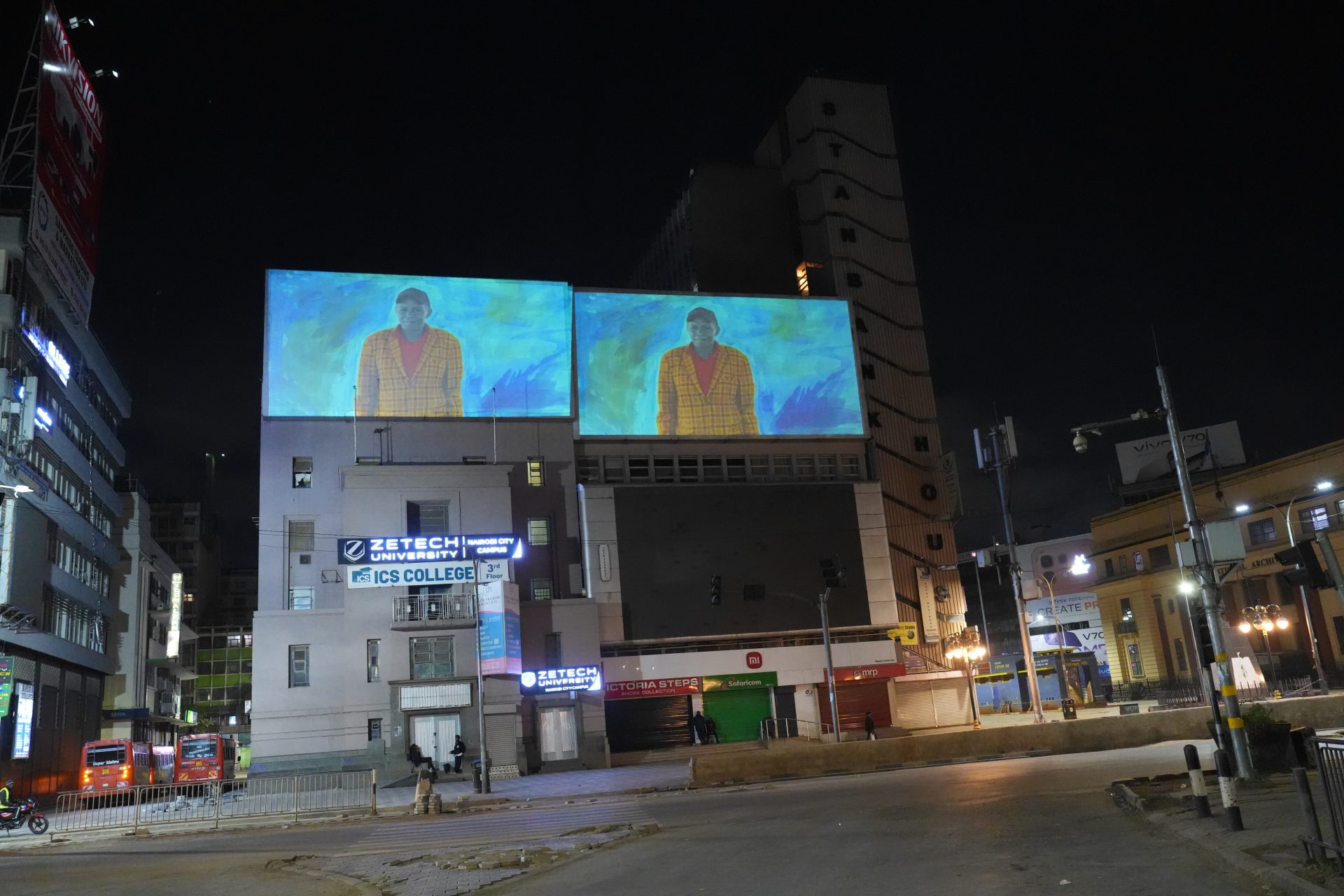
For Kenya’s cultural and creative sector, Jute Portraits represents a major moment of artistic exchange. It places Kenyan workers, communities and agricultural heritage at the centre of a contemporary international art project while deepening people-to-people relations between Kenya and Italy.
The project also comes at a time when Kenya is seeking to increase value addition in agriculture, strengthen creative and cultural industries, and expand strategic partnerships with global partners. Through coffee, art and public storytelling, Jute Portraits speaks to a broader vision of Kenya not only as a producer of raw commodities, but as a country of creativity, dignity, skill and cultural depth.
Ambassador Del Monaco said cultural diplomacy plays an important role in his mandate.
“Cultural diplomacy is not an ornament to economic diplomacy. It is a catalyst,” he said. If we want the Italy–Kenya relationship to be resilient, we must go beyond government-to-government relations. We must reach communities, students, artists, farmers, entrepreneurs and families.
About Franz Cerami
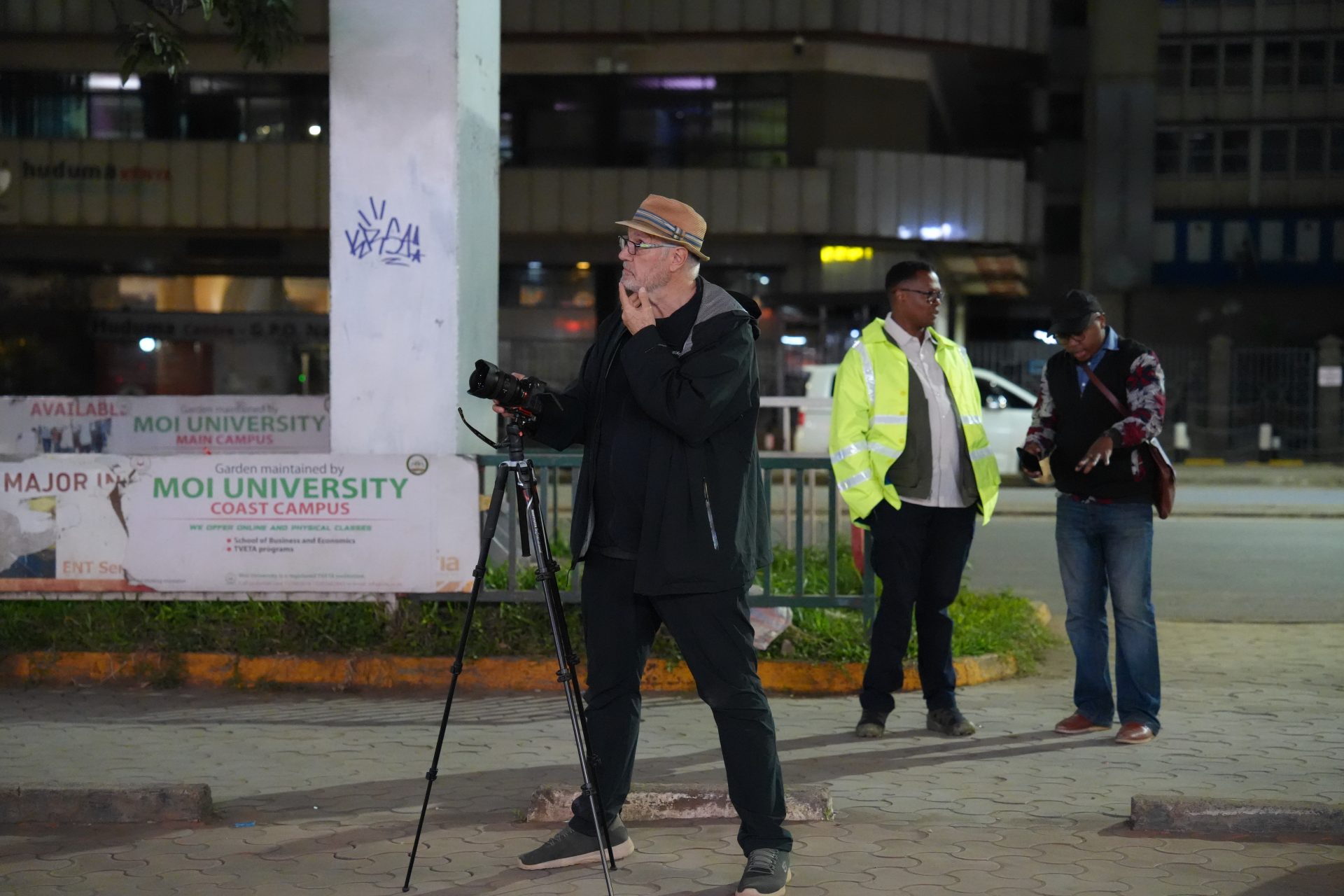
Franz Cerami is an Italian visual artist from Naples known for his work in public art, digital installations, video mapping and multimedia storytelling. His work often transforms buildings, streets and public spaces into large-scale visual experiences that connect people, place and memory. Cerami has also been recognised internationally for his contribution to Italian design and contemporary visual culture.
About Jute Portraits
Jute Portraits is a multimedia art project by Franz Cerami celebrating Kenya’s coffee value chain through portraits of the people behind the country’s coffee. The project combines photography, painting, digital art and public projection to highlight farmers, workers, scientists, processors and other actors whose labour connects Kenyan coffee to the world.