

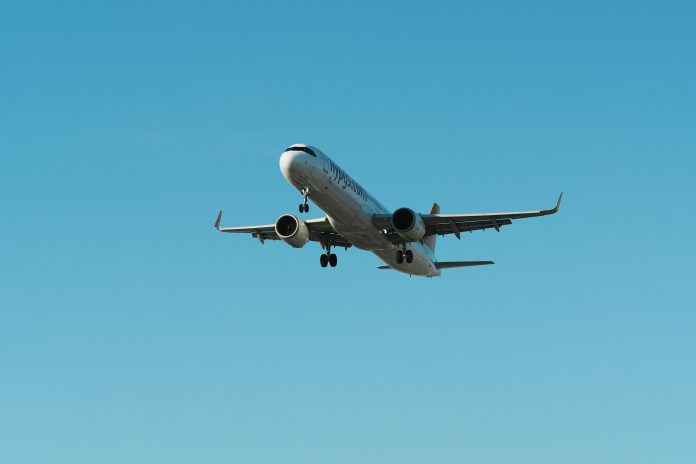
Jet A-1: Petroleum products have dominated headlines in recent weeks, a reminder that modern economies run not merely on confidence and credit, but on hydrocarbons. From matatus to manufacturing plants, and from cargo ships to cabinet meetings, much of economic life remains, quite literally, fuelled by oil from the Middle East.
Aviation, predictably, has not escaped the turbulence. Yet while other sectors have protested soaring fuel prices with strikes and indignation, airlines have carried on with the stoicism of long-suffering aristocrats, quietly absorbing eye-watering increases in the cost of Jet A-1. Here, then, are five curious facts about the fuel that keeps humanity improbably aloft.
1. Jet A-1 is Kerosene’s far more accomplished cousin
To the untrained eye, Jet A-1 may resemble the ordinary kerosene still used in parts or rural Kenya for cooking and lighting. This is rather like mistaking a neurosurgeon for a village barber because both own sharp instruments. Jet A-1 does indeed belong to the broader family but it is a highly specialised aviation fuel engineered exclusively for turbine-powered aircraft.

Subjected to rigorous refining and filtration, it is designed to remain relatively stable under conditions that would make lesser fuel lose composure entirely. At cruising altitude, where temperatures plunge to arctic extremes, Jet A-1 resists freezing. Near roaring turbines generating extraordinary heat, it avoids combustion instability. In aviation, where reliability is prized only slightly less than gravity, such properties are not luxuries but necessities.
Seven golden rules of air travel
2. Jet A-1 may be the world’s fussiest liquid
Few substances endure scrutiny like Jet A-1, the kerosene cocktail upon which modern aviation precariously relies. Commercial airlines operate under a remarkably uniform global standard, meaning that whether fuel is loaded in Nairobi, Nagoya or New York, the rules governing it are largely the same.
From refinery to wing tank, every transfer is monitored with almost clerical devotion. Such paranoia is justified. Jet fuel possesses an inconvenient fondness for water, which, if allowed to linger, can invite corrosion, contamination and the sort of engineering surprises best avoided at 35,000 feet.
3. Jet Fuel enjoys a tax status most citizens can only dream of
Unlike the kerosene used in households, Jet A-1 enters the country largely unmolested by ad valorem taxes and sundry levies. The logic is less generous than survival. Taxing aviation fuel too heavily would amount to charging international airlines twice over, while simultaneously making air travel so ruinously expensive that only oligarchs and conference panellists could afford it.
These exemptions are not, therefore, acts of charity towards airlines but lubricants for global commerce itself. They help keep airfares, cargo costs and the delicate choreography of international logistics within the realm of the economically tolerable.
Recent tax reliefs on kerosene, despite predictable public suspicions, were not designed to pamper Jet A-1. Aviation fuel already bears little beyond shipping costs and an administrative fee imposed by importers. In the curious hierarchy of modern taxation, the fuel that powers a grandmother’s stove is treated more sternly than the fuel that powers a Boeing at 35,000 feet.
Things to know about cheap flight tickets, lost luggage, and overbooked flights
4. The tyranny of Jet Fuel
Even after generous tax exemptions, Jet A-1 fuel remains punishingly expensive. For some airlines, it devours as much as 60 per cent of operating costs, a finance cost more suited to a hedge fund than a hydrocarbon. Meanwhile, carriers in the Middle East, perched conveniently atop roughly a fifth of the world’s oil reserves, feast in heavily subsidized fuel. The result is a competitive advantage so vast that rivals elsewhere may as well be attempting flight with the parking brake engaged.
5. Safety first, suitcases second, maybe third
Aircraft rarely leave the tarmac with merely enough fuel to reach their destination. Airlines and pilots must account for the whims of weather, stubborn headwinds and the occasional diversion to an alternate airport. Prudence in aviation is measured in kilograms of Jet A-1. Sometimes forecasts suggest that a journey may prove longer or less straightforward than planned.
In such cases, a pilot may elect to carry additional fuel. Yet fuel is heavy, and aircraft are creatures of unforgiving arithmetic: more fuel means more weight. To remain within safe operating limits, passengers and cargo may therefore need to be offloaded.
Such decisions are not acts of commercial convenience, let alone airline caprice. They are made for one reason alone: safety, the industry’s most expensive and least negotiable obsession.