


Kenya and Tanzania have been urged to step up joint management of the Mara River as environmental degradation threatens water supplies, farming, tourism, livestock production and businesses that depend on the shared river system.
The call emerged during celebrations marking the 15th anniversary of Mara Day, where government officials, communities, conservation organisations, researchers, businesses and other stakeholders gathered to discuss the future of one of East Africa’s most important transboundary ecosystems.
The 2026 celebrations are being held under the theme “Mara River, Diverse Lives: Keep It Thriving – Mto Mara, Uhai wa Viumbe, Tuuutunze.”

While the Mara is widely recognised for supporting wildlife and the world-famous Mara-Serengeti ecosystem, speakers said its economic importance extends much further.
The river supports farming, livestock, households, tourism enterprises and other businesses across Kenya and Tanzania, meaning deterioration of its water quality or quantity could have consequences far beyond conservation.
WWF-Kenya Manager Kevin Gichangi told participants that the river should be understood as one interconnected economic and ecological system.
Activities taking place in forests and farms upstream influence water quantity and quality downstream, meaning decisions affecting agriculture, settlements, livestock, industry and water use cannot be addressed separately.
Stakeholders identified deforestation in the Upper Mara, agricultural expansion, chemical pollution, degradation of wetlands and riparian areas, population growth and increasing water abstraction as some of the most significant pressures facing the river.
What does the future of marketing African tourism to Europe look like?
Unplanned growth of urban centres is also emerging as a concern, with participants warning that inadequate sewage and wastewater infrastructure could result in increased pollution of rivers as towns expand.
The pressure is particularly significant for communities and enterprises downstream, where participants reported declining flows and increasingly contaminated water.
Water Resources Authority Deputy Director for Regional Coordination Dr Joash Oruta called for stronger Water Allocation Plans that balance competing demands between households, agriculture, livestock, industries and ecosystems.
He said planning must anticipate growing populations, economic expansion and climate change instead of responding only after water shortages become critical.
At community level, participants warned that conservation efforts will struggle to succeed unless they also generate economic opportunities.
Joseph Koech highlighted beekeeping, bamboo production and other nature-based enterprises as examples of businesses that could provide incomes while encouraging communities to protect forests and water sources.
Stakeholders also proposed strengthening Payment for Ecosystem Services, which could enable communities protecting important catchment areas to benefit financially from the services those ecosystems provide to users downstream.

The approach could see conservation increasingly viewed as an economic partnership between those protecting natural resources and those benefiting from them.
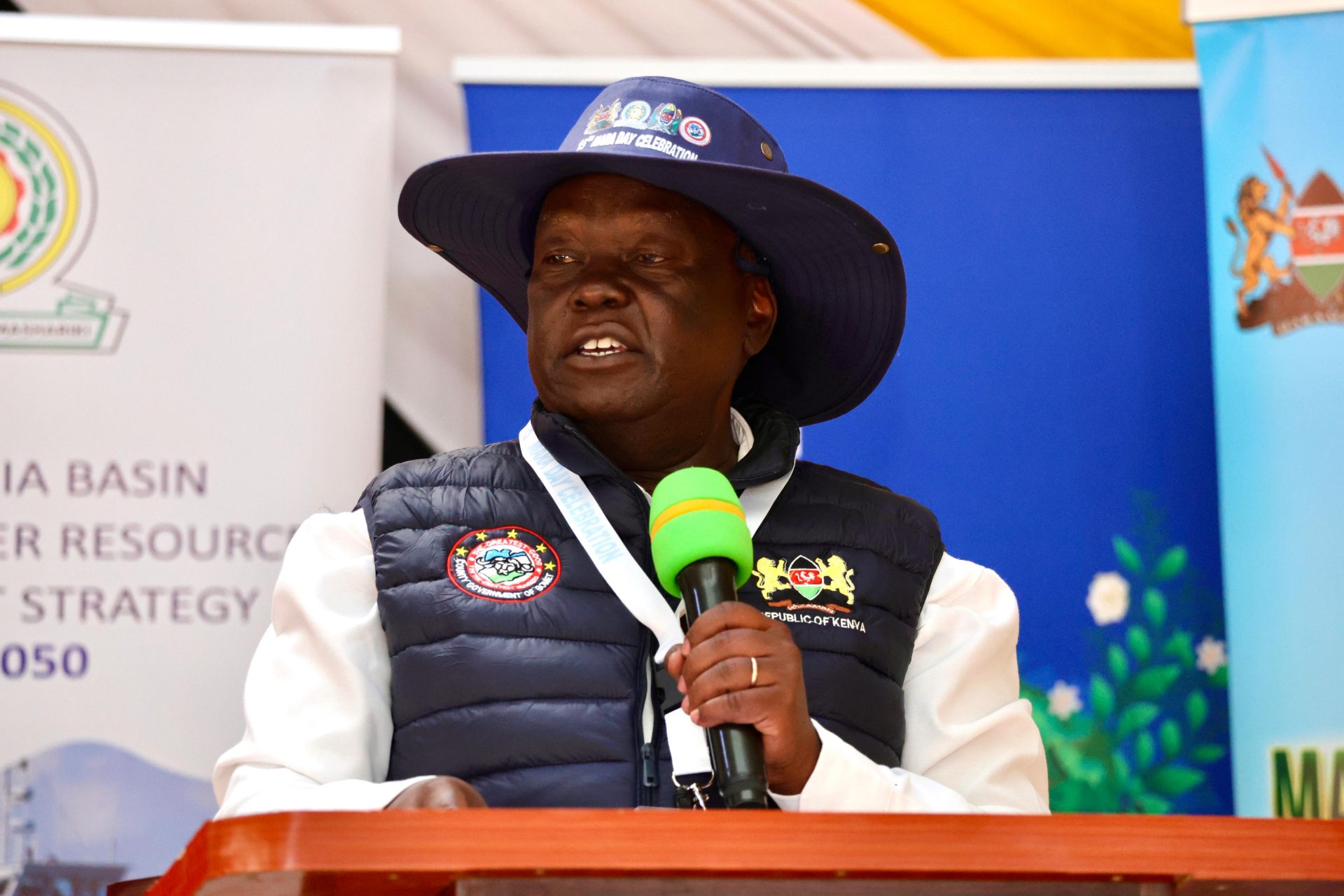
Bomet Deputy Governor Dr Shadrak Rotich said conservation measures must ultimately improve people’s lives, stressing that communities should remain at the centre of decisions affecting rivers, forests and farms.
He also challenged organisations participating in Mara Day to move beyond meetings and translate commitments into measurable action.
Meanwhile, representatives from Kenya and Tanzania called for stronger coordination of policies governing the shared ecosystem.
Differences in environmental, water and land-management frameworks between countries — and even between neighbouring counties — were identified as barriers to integrated management.
As the Mara Day celebrations mark 15 years of transboundary cooperation, stakeholders said the next phase must demonstrate that protecting the river is compatible with economic growth.
For farmers, tourism operators, livestock keepers, businesses and communities throughout the basin, the argument is increasingly straightforward: a thriving economy in the Mara landscape requires a thriving river.j

