

Home Blog Page 130

Which Fiat Currencies Does Gate P2P Support in Africa? A Detailed Analysis of Its Key Advantages

0

Gate P2P supports various local fiat currencies in the African market, including NGN, GHS, ZAR, KES, XAF, XOF, TZS, and ETB, providing local users with convenient deposit and withdrawal channels.

Compared to other platforms, Gate P2P has a significant advantage in Africa with its zero fee policy and a relaxed environment where there are no trading limits for specific currencies (such as ETB), allowing African users to freely buy and sell.

Which Fiat Currencies Does Gate P2P Support in Africa? A Detailed Analysis of Its Key Advantages

01 Gate P2P Africa Map: Supported Coins and Market Coverage

According to public information and platform data, Gate P2P’s business support has covered major economies in Sub-Saharan Africa.

Currently, the platform supports a wide variety of fiat currencies in Africa, including Nigeria’s NGN, Ghana’s GHS, South Africa’s ZAR, Kenya’s KES, as well as the widely used XOF and XAF in West and Central Africa.

Except for the Ethiopian ETB, these fiat currencies support the most densely populated and highly active cryptocurrency countries and regions in Africa.

Kenya shilling on fresh losing streak against US dollar, major world currencies

This layout precisely meets the urgent demand of African users for cryptocurrency trading. In recent years, Africa has become one of the most vibrant and fastest-growing regions for cryptocurrency globally, with Kenya, Nigeria, South Africa, and Tanzania all ranking in the top twenty worldwide for cryptocurrency adoption.

02 Zero Fee Strategy: A Revolutionary Measure to Reduce Trading Costs

Under the industry trend where some platforms have begun to charge maker fees to P2P merchants, Gate stands out by adhering to a zero-fee policy for P2P transactions, not charging merchants any transaction fees. This strategy significantly reduces operational costs for African traders and enhances capital efficiency.

A transfer of 200 dollars typically incurs a fee of about 12.66% with traditional banks, around 5.35% with remittance companies, whereas using the Gate P2P platform can significantly reduce these fees.

Gate’s differentiated strategy has established a strong competitive advantage. In the third quarter of 2025, the number of users on the Gate platform exceeded 41 million, with a 5.7% quarter-on-quarter increase in P2P transaction conversion rates, indicating that the zero-fee strategy has a significant effect on user growth and activity.

03 Outperforming Competitors: The Unique Advantages of Gate P2P

Gate P2P’s advantages in the African market are not limited to zero fees; they also reflect the freedom of trading and the convenience of payments.

Liberation of trading limits

Currently on Gate, users can freely buy and sell without restrictions on price or quantity, which is particularly attractive to traders using ETB.

Diversification of payment methods

Gate P2P platform supports over 450 payment channels, truly achieving barrier-free fiat exchange globally.

African users can conduct transactions through commonly used local bank transfers and other payment methods, significantly lowering the entry barrier.

04 Security Assurance and Platform Ecology

In addition to the obvious cost advantages, Gate also provides multiple security protection mechanisms, including two-factor authentication (2FA), anti-phishing technology, and fund escrow services, to ensure the safety of funds for both buyers and sellers.

The total value of the platform’s reserve fund has reached 10.453 billion USD, with an excess reserve ratio of 23.09%. User assets are 100% verifiable, providing security for merchants.

The global compliance network covers more than 10 countries and regions including Lithuania and Japan, and recently obtained a VASP license in Dubai, further expanding compliance services in the Middle East. These compliance advantages provide a more stable trading environment for P2P merchants.

05 The Development of the African Cryptocurrency Market and Gate’s Layout

The cryptocurrency market in Africa not only experienced a value growth of over 1200% last year, but the adoption rate of cryptocurrency among the grassroots population in Africa is also the highest in the world.

In Africa, P2P platforms are not only a gateway for users to enter the cryptocurrency space but are also widely used for remittances and even commercial transactions.

Gate recently announced the launch of its stablecoin Gate USD (GUSD) for African institutions, aimed at providing African businesses with stable access to digital dollars for international transactions, managing liquidity, and facilitating on-chain settlements.

Gate also revealed that GUSD is being used in humanitarian pilot projects in Africa. A non-profit organization is currently conducting two GUSD-based projects in Kenya, including providing drought insurance and parametric rainfall insurance products for farmers.

Future Outlook

As Gate’s global user base surpasses 41 million and continues to grow, its P2P platform has become the industry benchmark thanks to its zero-fee policy, top-notch merchant services, and extensive fiat support.

Whether small individual merchants or large institutions, they can find a suitable growth path in the Gate P2P ecosystem – zero fees reduce operating costs, exclusive services meet personalized needs, and global compliance layout ensures transaction security. This is the core advantage that allows Gate to stand out in fierce market competition.

The content herein does not constitute any offer, solicitation, or recommendation. You should always seek independent professional advice before making any investment decisions. Please note that Gate may restrict or prohibit the use of all or a portion of the Services from Restricted Locations. For more information, please read the User Agreement.

Link for clients to register on Gate: HERE.
Starehe Boys’ Centre issues guidelines on Grade 10 admission

0

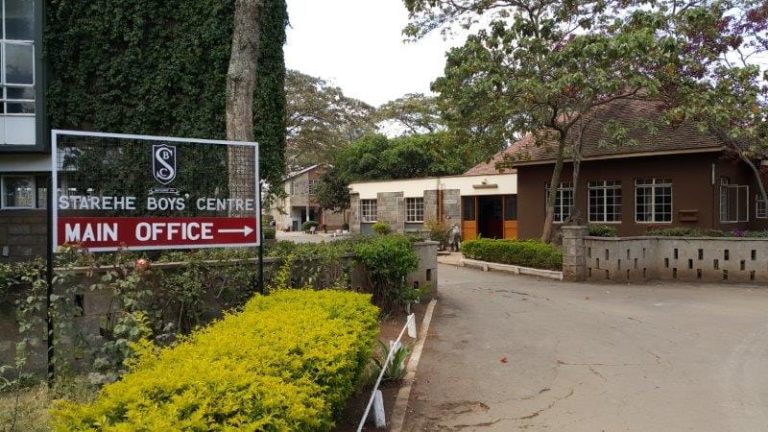
Starehe Boys’ Centre and Starehe Girls’ Centre have issued a joint notice to parents and guardians regarding the 2026 grade 10 admission.

In a notice shared on Sunday, December 21, 2025, the school clarified the admission requirements after inquiries from parents and guardians of 2025 KJSEA candidates.

According to the institution, learners seeking admission are considered based on a set of criteria that is informed by the financial needs of students, school selection, performance, and regional balance.

“The Starehe Boys’ and Girls Centres have received inquiries from parents and guardians of KJSEA candidates who have received information that they have been selected to join these schools.

“Admission to both schools is determined by each Centre based on: need, assessed from information in the Yellow Form for the Boys’ Centre, and the Blue Form for the Girls’ Centre that each candidate must complete. Need is the primary basis for admission,” the notice reads.

The schools added that their charter require that 70 percent of the students admitted be from needy backgrounds, admitted on sponsorship determined by their assessed degree of need.

Additionally, applicants must have selected Starehe as their preferred school in the appropriate category.

“The two Centres are working with the Ministry of Education to obtain the requisite data for candidates that applied to join both Starehe Schools, to enable us complete the selection process in a manner consistent with our mandate,” the statement adds.

The Ministry of Education announced the conclusion of grade 10 placements, with dissatisfied learners given seven days to review their senior school selection.

The revision window, running from Tuesday, December 23, 2025, is designed to allow learners who were not satisfied with the choice of schools or pathways they were offered to select new options for which they qualify.

“We encourage all involved parties to engage constructively in the placement process as we collectively refine and strengthen Curriculum Based Education (CBE) for the benefit of our learners. We [want] to make the placement process as transparent, fair, and satisfactory as possible while taking into account learners’ preferences and the capacities and available pathways in respective schools,” said Professor Julius Bitok, the Principal Secretary for Basic Education.

“Candidates are advised to contact their Grade 9 schools or the Ministry of Education Sub-County and County offices to take advantage of this window through their respective heads of institutions.”

According to the Ministry of Education, the review will be guided by an automated system that will match preferences to learners’ performance and the availability of slots in schools. During the review period, incorrect gender entries will also be addressed.

Also Read: Kenya should scrap CBE education system and go back to 8-4-4 system

Felix Koskei: Career profile, Salary, and allowances of Kenya’s most powerful civil servant

0

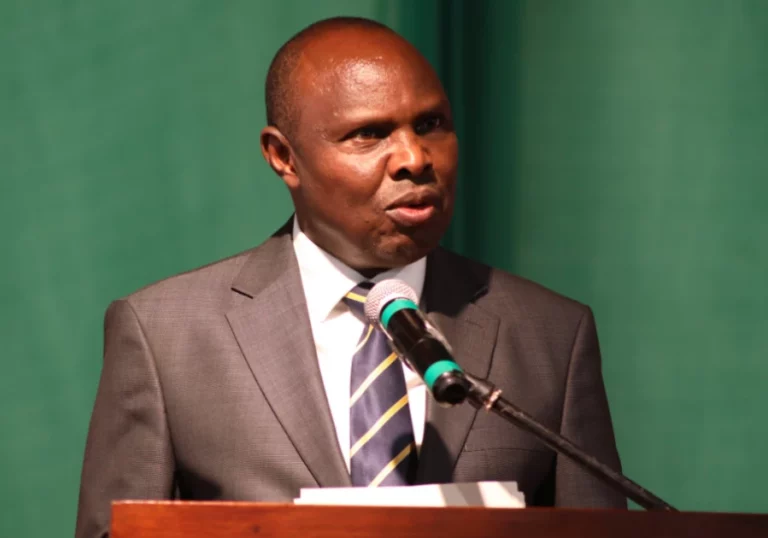
Felix Koskei, the incumbent Chief of Staff and Head of Public Service, is arguably one of the most powerful government officials.

Koskei was appointed as Chief of Staff and Head of Public Service by President William Ruto in October 2022, replacing  Joseph Kinyua, who served during President Uhuru Kenyatta’s regime.

Born in 1964 in Tinderet Nandi County, Koskei schooled at Tachasis Primary School before joining Metetei High School.

He proceeded to the University of Nairobi (UoN), where he pursued his Bachelor of Science Degree. He also holds a Masters in Strategic Management from UoN, as well as other accolades from the University of Brunswick in Canada and the University of Botswana.

Koskei began his career at the defunct Kenya Posts and Telecommunication Corporation before moving to the Kenya Civil Aviation Authority in 2007 as a procurement manager.

Two years later, he landed a role at the Kenya National Highways Authority, where he climbed the ladder to become the general manager of the Supply Chain and Support Services department.

Inside the career profile of Co-op Bank CEO Dr. Gideon Muriuki

In 2013, he was appointed by former President Uhuru Kenyatta as the Agriculture Cabinet Secretary (CS) but was suspended from office two years later on allegations of corruption.

He was accused, among other issues, of issuing illegal permits under the table to sugar importers without going through open tendering as required by the constitution.

This was, however, not the end of his presence in government offices as he managed to make his way back into the government after just three years to serve as a member of the Judicial Service Commission (JSC) and now the Chief of Staff and Head of Public Service.

In his current role, he is deputized by former Turkana Governor Josphat Nanok, who was serving as the Director-General of William Ruto’s presidential campaigns.

According to a gazette notice by the Salaries and Remuneration Commission (SRC), dated August 9, 2023, Koskei takes home a gross salary of Sh957,000.

This includes a basic salary of Sh574,200, a house allowance of Sh200,000, and a salary market allowance of Sh182,800. He is also entitled to a car and a medical cover, which also covers his wife and four children below the age of 25.

The inpatient amount is Sh10 million, outpatient Sh300,000, maternity Sh150,000, dental Sh75,000 and optical Sh75,000.

Other benefits include life insurance, personal accident cover, a daily subsistence allowance for local and foreign travels, maximum airtime of Sh20,000 per month, and annual leave allowance, among others.

Small business ideas to make money during Christmas season

0

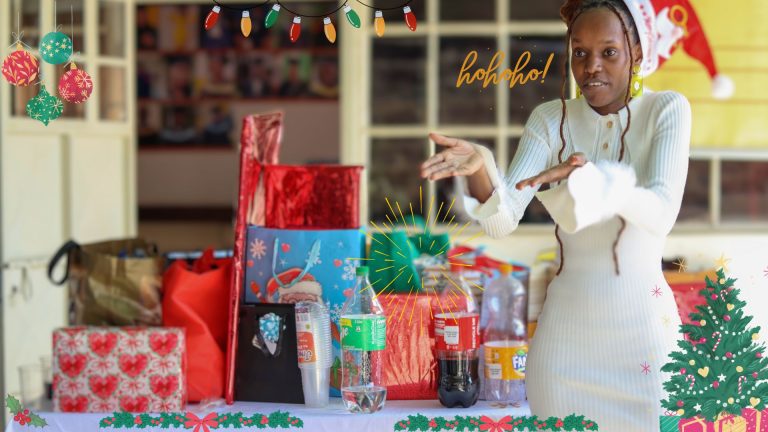
1. Design and sell Christmas cards

When Christmas is near, people buy and exchange Christmas greeting cards with their friends, relatives, and customers. This explains the reason why the demand for Christmas cards start booming wildly anytime from December 1st.

If you are a creative artist, you can design beautiful greeting cards and put them up for sale. You can design them either by hand or with a computer.

Either ways, there’s a lot of money to be made. If you don’t have the required artistic creativity, you can buy greeting cards in wholesale quantities and sell them.

2. Sell goodies. cakes and sweets

Because almost everyone loves treats, you will be going in the right direction by making and selling sweet food products like cupcakes and cookies.

If your treats are very good, you will get an amazing number of orders during Christmas. If you are not skilled enough to make these treats yourself, partner with someone who has the skills or buy from them in large quantities and sell to customers.

3. Pack and sell gift baskets

The good side of this business opportunity is that you don’t have to make the food to be placed in the baskets.

Just visit a grocery or food store around you, buy various foods and fruits, and place them nicely in a basket.

To make the baskets even more attractive, wrap them with beautiful Christmas-branded wrapping sheets.

You can sell your gift baskets to office workers and other interested customers around you.

Also Read: Investors to buy and sell shares on M-Pesa from January

4. Sell Christmas souvenirs

Many people visit their home cities and towns to celebrate Christmas. Aside spending their money on food and fun activities, they also love to buy souvenir items that they can take back with them after the Christmas season.

5. Sell gift items

People exchange gifts during Christmas, and this explains why reasonably priced items like shirts, fancy jewelry, and other exchange gift items sell very well during Christmas period.

To record even more sales, try to sell cheap products. You can sell these items in offices and bazaars. And you can offer to wrap the items for an extra fee.

Most buyers would gladly accept this offer because it would spare them the hassles of doing it themselves.

6. Sell children’s toys

Children’s toys also sell very well during the Christmas season. In fact, they are most abundant in the market during this period.

This business is very easy to put up because children’s toys are very cheap, and they are very profitable.

If you have the creativity and know-how, you can make the toys yourself and put them up for sale.

7. Render food-catering services

Starting a food-catering business is another smart way to make huge profits during the Christmas season.

The demand for catering services boom during this period because many people are too busy to prepare the delicacies they want.

So, would rather pay to have their preferred foods cooked and served for them during Christmas.

8. Sell gift-wraps

As is the case with other festive seasons, people exchange gifts with their friend, relatives, colleagues, and customers during Christmas.

And as one would expect, these gifts are wrapped in beautiful, Christmas-branded gift wraps.

So, you can make a lot of money off of the Christmas season by selling gift-wraps, which people use to package their gifts before presenting them to others.

9. Sell Christmas items online

If you are a blogger with a large online followership, you can make money during Christmas by selling various items as an affiliate and getting commissions from each sale.

Investors to buy and sell shares on M-Pesa from January

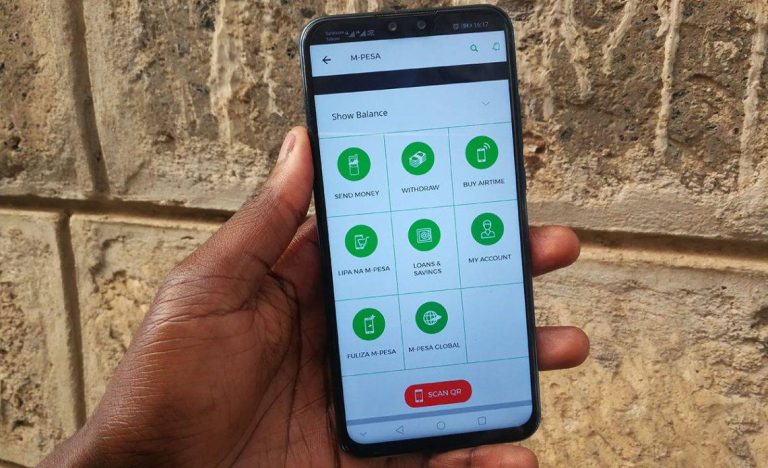
Starting from January 2026, investors looking to put their money in the Nairobi Securities Exchange (NSE) will be able to buy and sell shares on M-Pesa.

This will come following the successful piloting of the Ziidi Trader mobile platform by Safaricom and the NSE. The new platform will allow for deposits and withdrawals directly to and from M-Pesa, in a move that will reduce entry barriers for retail investors seeking to access the capital markets.

The Ziidi Trader platform follows the successful launch of the Ziidi MMF which was launched in December 2024. The Money Market Fund allows Kenyans to invest their money directly from their mobile phones. It offers free deposits and withdrawals to and from M-Pesa, with the minimum amount one can invest set at Sh100.

As at September 2025, Ziidi had 1.15 million customers representing an estimated 47.9 percent of the 2.4 million individual investors in unit trust schemes as per the Capital Markets Authority (CMA) June 2025 register.

To buy and sell shares on M-Pesa, investors under Ziidi Trader will not be required to open an individual share trading account with M-Pesa as has been traditionally happening.

“The solution makes coming to market seamless… Leveraging M-Pesa makes it fairly seamless, and there is the ability to scale given the platform is already used by millions of people,” NSE chief executive officer Frank Mwiti told a local business newspaper.

The new way of trading in shares will mark a fresh milestone in the growth of Kenya’s financial markets, coming after the Centra Bank of Kenya allowed access to treasury bonds through mobile phones.

The CBK currently allows investors to pay for treasury bonds and bills through M-Pesa. This is facilitated through the CBK digital platform known as DhowCSD for transactions of up Sh250,000.

The DhowCSD platform was launched in 2023, and improvised to allow payments via M-Pesa in November 2025.

This platform allows investors to participate in treasury bills and bonds auctions, view auction results, check payment instructions, monitor upcoming corporate actions, and access their portfolio statements.

Inside 25 years of touching lives and small businesses across Kenya

Kenya should scrap CBE education system and go back to 8-4-4 system

0

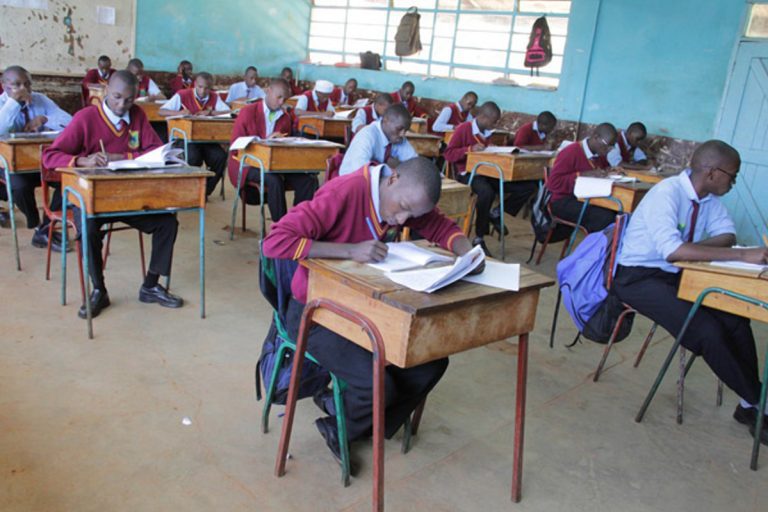
The inaugural Grade 10 class under the Curriculum Based Education (CBE) is set to start in January 2026. However, questions continue to linger on the viability and quality of the CBE education system which has been gradually replacing the 8-4-4 system.

These questions have become more prominent due to the chaos that has rocked the implementation of the system, raising concerns that learners could be getting subjected to a system that is poorer in quality.

According to economic analyst Ephraim Njega, the CBE education system should be scrapped. The learners who are set to join Grade 10 in January should be prepared to sit for KCSE exams in 2018 in what will be a strategic rollback from the current system to the previous system.

Mr. Njega reasons that this new system is straining the economy without any reasonable justification.

“We had an education system which was internationally acclaimed and which has produced one of the most diversified economies in Africa. But now we are acting as if we never had education in this country before CBE. Why couldn’t we improve our 8-4-4 and export it to other countries? Must we import everything?” he argued on his platform.

According to Dr. Bundi Karau, a senior lecturer in Internal Medicine at Kenya Methodist University and a fellow in Neurology at St John’s Medical College in Bangalore, India, the CBE education system has proven impossible for the government to rollout efficiently.

“The transition from upper primary to junior school has been challenging for the government. For the first time, the Teachers Service Commission (TSC) employed a record number of tutors to plug the human resource gap but the shortage continues to plague schools,” he states.

“In some schools, one teacher has had to handle different learning areas, some outside their areas of specialization.”

He adds that these severely overloaded teachers won’t have the time to mentor children on their career pathways. This will disadvantage children from rural areas and poorly equipped schools which will lead to wrong and highly consequential choices.

Dr. Karau also points that allowing kids aged below fifteen years to choose career pathways so young is wrong. He reasons that the early specialization that kids are being subject to will produce a generation of disgruntled career misfits.

“These children are at an age in which they are unlikely to know what they want with their lives.  The last part of the brain to mature is the frontal lobe, which mediates higher functions. Before age 21, someone can make a decision and follow through to achieve it. What they lack is the insight and foresight to know the consequences of that decision,” states Dr. Karau.

According to Dr. Wandia Njoya, the acceptance of CBC just because it was not 8-4-4 system was not a wise position to take at all.

“Other than getting your kid an acceptable school, I think it’s important to do the work and understand what education is (it’s not the equivalent of schooling), and what CBC is, especially for the younger children,” she argued.

“The reason we accepted CBC is because of the propaganda and gaslighting we were treated to. So sadly, you have to disentangle your minds from the propaganda and look at CBC for what it actually is.”

Dr. Njoya cautions that the pathways are going to present the next nightmare to all children because people are not going to be allowed to change careers if they didn’t take the pathway required.

See formula used to place learners in senior schools after KJSEA results

Grade 10 students to change senior school placement from Tuesday

0

Grade 10 students will be allowed to change their senior school placement and career pathways from Tuesday, December 23, 2025. This will be done during the revision window that has been provided by the Ministry of Education.

The window is meant to allow learners who were not satisfied with the choice of schools or pathways they got to select new options that they qualify for. The window will last for seven days.

“We encourage all involved parties to engage constructively in the placement process as we collectively refine and strengthen Curriculum Based Education (CBE) for the benefit of our learners. We [want] to make the placement process as transparent, fair, and satisfactory as possible while taking into account learners’ preferences and the capacities and available pathways in respective schools,” said Professor Julius Bitok, the Principal Secretary for Basic Education.

“Candidates are advised to contact their Grade 9 schools or the Ministry of Education Sub-County and County offices to take advantage of this window through their respective heads of institutions.”

READ MORE: Formula used to place learners in senior schools after KJSEA results

According to the Ministry of Education, the review will be guided by an automated system that will match preferences to learners’ performance and the availability of slots in schools. During the review period, incorrect gender entries will also be addressed.

The Ministry says that learners will then be able to submit their revised choices, which will include switching from STEM to Social Sciences as long as they meet the requirements for the switch and the new schools of choice have open spaces.

The new choices will be submitted through their junior schools. The system will generate schools that are available for selection out of which the learners will pick from.

Currently, placement results are accessible through the ministry’s portal placement.education.go.ke 

For the KJSEA exams, 600,000 chose the STEM pathway, 437,000 chose Social Science while 124,000 chose Arts & Sports. The results of the KJSEA comprised of an aggregate of 20 percent from the Kenya Primary School Education Assessment (KPSEA) which is done at Grade Six, 20 percent from the school-based assessments (SBA) which is done in Grade Seven and Grade Eight, and 60 percent from the Grade Nine KJSEA assessment.

A Life-Changing Call from Safaricom Turns Tuk-Tuk Driver into a Millionaire

1

Joseph Ndung’u, a 27-year-old tuk-tuk driver from Kisauni, Mombasa, has become the latest KES 1 million winner in Safaricom’s ongoing Shangwe @25 promotion, an extraordinary turnaround sparked by an everyday M-PESA transaction.

Having worked in the transport sector for seven years, Joseph is the second-born in a family of three and now becomes the 14th Kenyan to join the growing list of Shangwe @25 millionaires. In addition to the cash prize, he also received an extra KES 250,000 to support a community project of his choice, extending the impact of his win beyond his household and into the wider community.

His life-changing moment came shortly after completing a routine trip. After dropping off a customer, Joseph received an unexpected call from Safaricom informing him of his win. Initially sceptical and assuming it might be related to a fare reversal, he borrowed a friend’s phone to verify the call, only to realise the news was genuine.

“I had just completed a trip when I received the call. I was sceptical at first and borrowed a friend’s phone to verify that it was indeed Safaricom,” he said.

The news arrived during a deeply emotional period for his family, who were mourning the recent loss of his grandfather. Amid the grief, the win brought renewed hope and reassurance at a difficult time.

A Life-Changing Call from Safaricom Turns Tuk-Tuk Driver into a Millionaire
Joseph Ndung’u, winner of KSh 1 million in the Safaricom Shangwe@25 consumer
promotion, holds the dummy cheque during the award ceremony at Pirates Beach in
Mombasa.

A frequent M-PESA user, Joseph relies on the platform for his daily operations, including purchasing fuel, buying data and airtime, and repaying loans. He also uses M-PESA to support his family, having purchased an M-KOPA phone for his younger brother, an instalment he continues to service while providing for both his brother and mother.

With his winnings, Joseph plans to purchase an additional tuk-tuk and open a spare-parts shop, expanding his business and creating a more stable source of income. He also intends to support his mother by financing a surgical procedure, easing a significant financial burden on the family.

Guided by a strong desire to give back, Joseph has chosen the Bidallah Self Help Group, a youth group based in his Mishomoroni–Kisauni neighbourhood as the beneficiary of his community project. The group is involved in several income-generating activities, including fresh water supply, a fruit parlour, and boda boda operations.

Safaricom Shangwe @25 promotion creates 15 millionaires and supports communities

Through the additional KES 250,000 community support prize, the funds will be used to purchase a freezer the group currently lacks, acquire larger water storage tanks, and boost the fruit parlour business, strengthening the group’s capacity to serve the community and grow its enterprises.

“This money gives me an opportunity to plan for the future. I will grow my business, take care of my family’s needs, and invest in my brother’s education. Beyond that, I want to ensure the community also benefits by supporting a youth self-help group called Bidallah Self Help Group here in Mushomoroni, through the provision of a water freezer and additional water tanks, so they can sustain themselves and continue supporting others,” he said.

Since its launch, Shangwe @25 has been rewarding customers daily and weekly with cash prizes, data bundles, devices, and business support tools. Each week, more than 50,000 customers win KES 10,000, KES 50,000, or KES 100,000. Over the course of the promotion, more than five million customers are expected to win prizes worth KES 250 million, with 25 customers set to become millionaires by the end of the campaign.

The promotion also supports businesses of all sizes. Micro and small enterprises are rewarded with tuk-tuk pickups to enhance logistics such as stock transportation and deliveries, while selected businesses receive stock worth KES 250,000 to accelerate growth. Medium and large enterprises receive KES 500,000 to support corporate social responsibility (CSR) projects of their choice.

The Shangwe @25 campaign forms part of Safaricom’s 25th anniversary celebrations, a nationwide initiative to thank customers, uplift communities, and celebrate 25 years of connection, innovation, and impact.

To access M-PESA services, dial *334#.

Trump suspends green card lottery program

0

The United States President Donald Trump has announced the immediate suspension of the green card lottery programme following a shooting incident at Brown University.

In a post on the social platform X on Thursday, December 18, Homeland Security Secretary Kristi Noem announced that Trump had ordered the U.S. Citizenship and Immigration Services to pause the programme.

The suspension follows the shootings at Brown University that killed two students, and a professor, and wounded nine others.

The suspect, Portuguese national Claudio Neves Valente is said to have entered America ona student visa in 2000. In 2017, he was issued a diversity immigrant visa and months later obtained legal permanent residence status.

The diversity visa program makes up to 50,000 green cards available each year by lottery to people from countries that are underrepresented in the U.S., many of which are in Africa.

Trump has long opposed the diversity visa lottery on the grounds that it contravened the U.S immigration policy.

“In 2017, President Trump fought to end this programme, following the devastating NYC truck ramming by an ISIS terrorist, who entered under the DV1 programme and murdered eight people,” Kristi Noem stated.

The program was suspended in 2020 during Trump’s first term as part of broader COVID-19-related restrictions on legal immigration, but the move was reversed in 2021 under former President Joe Biden.

Also Read: Kenyan man held at ICE facility in Texas chooses deportation over detention

Revealed: How much grade 10 learners will pay under the new senior school system

0

A new report has revealed the actual fees that parents and guardians will pay for learners in senior schools in 2026, including those transitioning to grade 10.

According to the Ministry of Education, all public Senior Schools will charge the same annual fees from next year.

The move is in line with the guidelines on the implementation of senior schools published by the Ministry, which aim to standardize operations in these institutions.

The new guidelines have scrapped the categorisation of secondary schools based on infrastructure and location, and will see all the institutions classified into four clusters charging a standard fee.

In guidelines issued on November 4, 2025, the ministry stated that all Senior school students enrolled in boarding schools will pay Sh53,554 annually.

“The school fees to be charged for all categories of boarding school shall, for the time being, remain at Sh53,554.00 as per the Gazette Notice No. 1555 of 10th March 2015,” read part of the guidelines.

However, a new report clarifies that fees for senior schools will vary based on the clusters. The institutions are now grouped into C1 to C4 clusters.

Former national schools, now classified as C1 institutions, will charge Sh53,554 per year. Extra-county schools, reclassified as C2, will charge Sh45,054 annually, while County schools, now referred to as C3 institutions, will charge Sh40,035 per year.

Learners admitted to C4 schools, previously sub-county schools, will continue to benefit from free secondary education.

Schools are required to adhere to the annual fee guidelines issued by the ministry and seek written approval from the Cabinet Secretary for any additional levies through the County Education Board (CEB).

Additionally, fee structures must be issued at the start of the academic year, specifying vote heads such as tuition, boarding, meals, and activity fees.

In the guidelines, the Ministry of Education has also directed that Parents must be given advance notice of fee collection deadlines, with schools required to designate official payment channels.

All payments must be accompanied by official receipts that clearly indicate the amount, date, and purpose.

Also Read: Formula used to place learners in senior schools after KJSEA results