

Home Blog Page 149

KCB Group posts KSh 47.3 Billion Q3 profit as assets cross KSh 2 Trillion mark

0

KCB Group Plc has reported a strong performance for the nine months to September 2025, posting KSh 47.3 billion in net profit on the back of rising income streams and tight cost controls. The Group’s total assets rose to KSh 2.04 trillion, even after completing the sale of National Bank of Kenya (NBK) earlier in the year.

On a like-for-like basis, the balance sheet expanded by 10.9%, underscoring KCB’s continued ability to support lending and economic activity across its seven operating markets.

Credit Growth and Revenue Performance

Gross loans increased by 7% to KSh 1.24 trillion, driven by strategic lending to critical economic sectors including construction, agriculture, manufacturing, energy and water.

According to the financial results released Wednesday, total revenue grew by 4.5% to KSh 149.4 billion, buoyed by a 12.4% rise in net interest income to KShs 104.3 billion. Non-interest income stood at KShs 45.1 billion, accounting for 30.2% of total revenue.

The Group said reduced foreign exchange earnings and lower fees from TMB, following branch closures in Eastern DRC, weighed on NFI growth. However, the recently launched mobile banking app, featuring self-onboarding capabilities, helped maintain digital transaction volumes.

KCB shareholders to pocket Sh4 per share dividend; 2025 half-year net profit hits Sh31.5bn

Subsidiaries Drive Regional Contribution

KCB Group subsidiaries—excluding KCB Bank Kenya—continued to deliver strong results, contributing 35% of profit before tax and 31.3% of assets.

Non-banking subsidiaries posted notable growth:

  • KCB Bancassurance: KSh 833 million (+16%)
  • KCB Investment Bank: KSh 230 million (+90%)
  • KCB Asset Management: KSh 118 million (+71%)

The Group’s regional operations remain a significant pillar in its diversification strategy.

Cost Management and Asset Quality

Operating expenses grew by only 2.0%, below prevailing inflation, helping improve the cost-to-income ratio to 46.2%from 47.4% a year earlier.

The Non-Performing Loans (NPL) ratio dropped to 17.8% from 18.5%, supported by recoveries and the NBK sale.

KCB maintained strong regulatory buffers with a core capital ratio of 17.0% (minimum 10.5%), total capital ratio of 19.6% (minimum 14.5%), and a liquidity ratio of 46.7%.

Return on equity stood at 21.6%, while return on assets was 3.1%. Shareholders’ equity closed at KSh 308.5 billion.

Management Outlook

Group CEO Paul Russo said the results reflect the bank’s resilience amid a difficult operating environment.

“Despite a tough operating environment in all our markets, we have delivered a strong performance showing the resilience of the Group,” Russo said, noting continued execution of the “Transforming Today Together” strategy aimed at improving customer experience and shareholder value.

Group Chairman Dr Joseph Kinyua maintained an optimistic outlook, saying the bank remains well-positioned to finish the year strongly.

Strategic Highlights

The reporting period also saw several key developments:

  • Dividend payout of KSh 4.00 per share (KSh 13 billion total) on November 11
  • Agreement to acquire a minority stake in Pesapal, pending regulatory approvals
  • Partnership with Invest Kenya to support foreign investors
  • Release of the latest sustainability report, with KSh 578.3B in loans screened for ESG risks and KSh 53.2B disbursed as green loans
  • Afreximbank partnership to jointly deploy over US$800 million to support investors in Vipingo SEZ
  • Completion of NBK sale to Access Bank on May 30, 2025
  • Several international awards recognising KCB as one of Africa’s fastest-growing financial institutions

KCB said it will continue strengthening its digital channels, regional business units, and sustainability agenda as part of its long-term growth strategy.

NYOTA business training in Mbeere North Constituency

0

The Principal Secretary, State Department for MSMEs Development, Hon. Susan Mang’eni, visited the NYOTA Project Business Training for Mbeere North Constituency as 174 youth successfully concluded the four-day classroom training phase under Component 2 of the NYOTA Project. The beneficiaries were drawn from Evurore, Muminji, and Nthawa Wards, marking an important milestone in the Government’s commitment to empowering young entrepreneurs in every constituency in Kenya.

Speaking during the visit, PS Susan Mang’eni affirmed that MSMEs remain the strongest pathway to closing Kenya’s annual deficit of 800,000 jobs. She emphasized that the NYOTA Project is designed to equip young Kenyans with the skills, capital, and support needed to build sustainable enterprises that can create jobs within their communities.

NYOTA Project rolls out nationwide training and start-up capital disbursement

“We are working to empower youth to start enterprises that can grow and create employment for others. NYOTA is giving our young people the skills, mentorship, and startup capital they need to succeed. Every ward, every village, will now have new entrepreneurs contributing to local economic growth,” she stated.

She further highlighted the Recognition of Prior Learning (RPL) component under NYOTA, which will see 20,000 youth with informal skills assessed and certified through NITA, enabling them to access better job opportunities and advance their careers.

The completion of the classroom training paves the way for the first tranche disbursement, which will be followed by an additional three days of practical entrepreneurship training, where youth will be linked to the local business ecosystem, market opportunities, and support institutions to help them understand and take advantage of the opportunities available in Mbeere North.

Iconic hotels associated with Gachagua’s family

0

Impeached Deputy President Rigathi Gachagua’s family has invested heavily in the hospitality industry and is associated with some of Kenya’s high-end hotels.

Reports indicate that the former DP and his family own a number of iconic hotels in Kenya including Outspan Hotel, Olive Gardens Hotel and Vipingo Beach Resort.

Olive Gardens Hotel

The Olive Gardens Hotel in Nairobi is said to be owned by the Gachaguas’ family. The three-star facility sits at the heart of Nairobi, approximately 3.8 km from the Kenyatta International Convention Centre (KICC).

The hotel has 60 rooms and features a restaurant providing African food, a garden, and a free private parking area.

Outspan Hotel

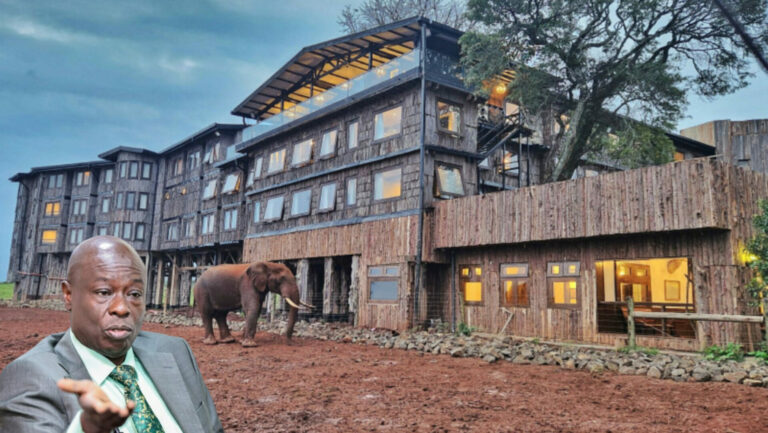
Located in Nyeri, the Outspan Hotel sits on 69 acres of land in the Aberdare Range. Reportedly, the hotel was founded by Eric Sherbrooke Walker in the 1920s.

It is notable for housing the Paxtu cottage, which served as Baden-Powell’s commissioned residence in the late 1930s and is now a scouting museum.

Gachagua’s family allegedly acquired the hotel in September 2023 at a cost of Sh535 million.

Inside Odinga Family’s Sh120 billion estate in Kisumu with 1,400 houses

Vipingo Beach Resort

The facility is situated in Kilifi, some 20 kilometres from Watamu National Marine Park. Vipingo Beach Resort is a luxurious beachfront resort that features a restaurant, a garden, a patio, and complimentary private parking.

The resort has an infinity pool where guests can unwind elegantly and enjoy the stunning surroundings.

Treetops Hotel

The Daily Nation newspaper earlier reported that Gachagua’s son, Keith, acquired the iconic Treetops Hotel, which reopened in 2022. Gachagua however denied the claims clarifying that his children, Kelvin and Keith did not purchase the facility but instead took out a loan to lease the hotel from Kenya Wildlife Service.

“They have leased this hotel from KWS, not purchased it,” Gachagua stated. “People are spreading rumors without knowledge; this hotel belongs to KWS and has been leased,” Gachagua told journalists.

Treetops Hotel located in Aberdare National Park was first opened on November 6, 1932 by Sherbrooke Walker.

The hotel is famed for witnessing Queen Elizabeth’s ascension to the throne 72 years ago. In 1954, Mau Mau fighters burned down the hotel but another structure would later be constructed some 100 meters from the old one.

Walker reportedly sold Treetops to the Block Hotel group in 1966, who later sold it to Aberdare Safari Hotels Ltd.

Joyce Gatiria: Inside illustrious career of Kithure Kindiki’s wife

0

Deputy President Kithure Kindiki’s wife, Joyce Gatiria, has for years maintained a low profile despite being Kenya’s second lady.

Joyce has appeared on few public occasions since Kindiki’s entry into politics, defying the norm where second ladies accompany their spouses in nearly every occasion.

While not much is known about her, she boasts a rich education background and is a PhD holder in Environmental Chemistry.

Born in the 1970s in Meru County, Joyce serves as a senior lecturer at the University of Nairobi in the Department of Chemistry, a position she has held since 2014.

She is trained as a chemistry and mathematics teacher at Moi University, and has dedicated over two decades to the education sector, teaching in several secondary schools across Kenya.

Among the schools where she has served are Gaciongo Secondary School in Kirinyaga, Chemuswa Secondary School in Nandi, Kiptewit Secondary School in Kericho, and Kithayooni Secondary School in Machakos.

The second lady got her doctorate of Philosophy in Environmental Chemistry from the University of Nairobi in 2013. She also holds a Bachelor of Science, and a Master’s degree in Analytical Chemistry from Kenyatta University.

She is widely respected for her contributions to chemistry, as well as her commitment to maintaining a balanced and impactful career in academia.

Besides her teaching career, Joyce is an accomplished researcher, awarded prestigious grants, including a $12,000 grant by the International Foundation for Science in 2010 to investigate pesticide residues in the Upper Tana River Catchment.

She has also authored three textbooks, including her recent release, Statistics for Chemists.

She got married to the Deputy President in 2001  in a memorable celebration witnessed by family and close friends. Together, they are blessed with three children Imani, Neema, and Mwende.

ALSO READ: Kenyan-born Silvia Jemutai is the new Lieutenant Colonel in US Army

Geoffrey Mosiria transferred from Nairobi Chief Environment Officer position

0

Geoffrey Mosiria has been moved from his position as Nairobi County Chief Officer for Environment to head the Citizen Engagement and Customer Service docket in a cabinet reorganisation announced by Nairobi Governor Johnson Sakaja.

The reshuffle announced on Wednesday, November 19 affects 10 county chief officers.

“In accordance with Section 45(5) of the County Government Act 2012, the following county chief officers have been reassigned. The change takes effect immediately,” Sakaja said.

Following the changes, Mosiria will be replaced by Hibrahim Otieno who previously served in the Medical Facilities docket.

Godfrey Akumali has been transferred from the Business and Hustler Opportunities department to the Housing and Urban Renewal department.

Clement Rapudo, who previously led the City Culture, Arts, and Tourism sector, has been moved to the Smart Nairobi sector.

At the same time, Wilson Gakuya will now head the Digital Economy and Start-Ups docket, while Zipporah Mwangi has been reassigned to City Culture, Arts, and Tourism.

Sakaja also moved Mache Waikenda from the Mobility Sector to the Mobility and AG ICT Infrastructure, while Tony Michale Kimani, who headed the Social Services sector, has been moved to the Social Services and Estate Management sector.

Sande Oyolo, previously in Digital Economy and Startups will now lead the Medical Facilities department while Lydia Mathia, who was previously in charge of Housing and Urban Renewal, will now serve in the Business and Hustler Opportunities docket.

ALSO READ:Geoffrey Mosiria: From Pumwani hospital to Nairobi Chief Environment Officer

Ethiopian Airlines orders 6 brand new Airbus A350-900 planes

0

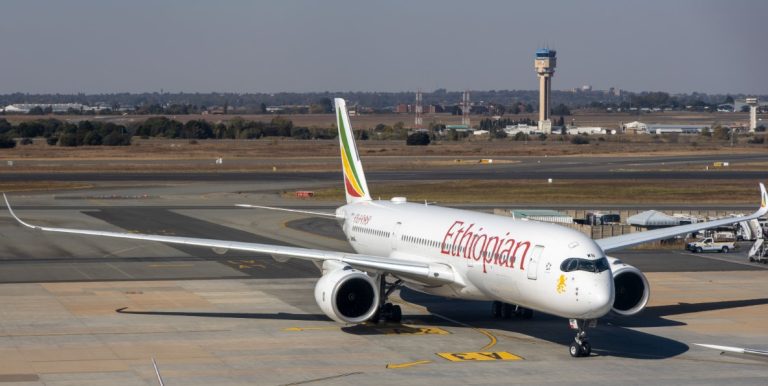
Africa’s largest carrier, the Ethiopian Airlines, has placed an order for six brand new Airbus A350-900 planes. The order for these new planes was confirmed during the Dubai Airshow 2025 which kicked off on November 17, concluding on November 21, 2025.

“We are delighted to expand our Airbus fleet size with this order and strengthen our partnership with the Airbus company,” said Ethiopian Airlines Group chief executive officer Mesfin Tasew.

“As the continent’s leading airline and the largest operator of the A350, this milestone order further supports our vision to grow sustainably while providing a world-class travel experience and strengthening our position as the aviation leader in Africa.”

The order now places Ethiopian ahead of all over airlines in Africa as the leading customer for the Airbus plane models.

““We are proud to further deepen our partnership with Ethiopian Airlines, a long-standing Airbus customer and a benchmark for aviation excellence in Africa,” said Airbus Executive Vice President Sales of the Commercial Aircraft business, Benoît de Saint-Exupéry.

“The A350’s state-of-the-art technology, efficiency and versatility will bring even greater value to Ethiopian’s operations.”

According to the carrier, the Airbus A350-900 comes with 25 percent lower fuel burn and CO₂ emissions compared to previous-generation aircraft and is recognized for its quiet cabin, advanced aerodynamics, and state-of-the-art passenger comfort features.

SEE MORE: Ethiopian Airlines acquires Africa’s first 410-passenger Airbus A350-1000

Ethiopian placed the firm order for the planes barely two weeks after receiving two A350 planes from the Airbus. After receiving these two planes in the first two weeks of November 2025, the airline’s tally of Airbus fleet increased to 22 Airbus A350-900 planes.

“We are excited to welcome our 22nd Airbus A350-900 to our fleet family in less than two weeks of welcoming our 21st [of this model of plane],” the airline stated. “This is a significant step forward in delivering modern, efficient, and truly comfortable journeys for travellers around the world.” Ethiopian is currently the largest airline in Africa.

Over the past few years, Ethiopian has been expanding its fleet as it seeks to entrench its position as the undisputed king of the skies in Africa. In November 2024, in-service fleet at the carrier inched closer to surpassing the 150 milestone following the arrival of the coveted A350-1000 aircraft.

The carrier became the first airline in Africa to own the brand new aircraft when the new plane touched down at Bole International Airport in Addis Ababa in the first week of November 2024.

Kenyan-born Silvia Jemutai is the new Lieutenant Colonel in US Army

0

A Kenyan-born woman has broken the glass ceiling after getting promoted to the position of US Army Lieutenant Colonel. Silvia Jemutai was promoted to this position on November 14, 2025 at Fort Lee, Virginia, United States.

Jemutai hails from Kopsiya in Poror, Eldama Ravine in Baringo County. Following her promotion, she hailed her mother Jacqueline Alice Kirui as her source of inspiration, and honored her as a “trailblazer, a woman of strength, vision, and courage.”

In the US Army, Marine Corps and Air Force, Jemutai’s new rank is a senior officer rank that is just above the rank of Major and below the rank of Colonel. This rank is considered to be equivalent to the Coast Guard rank of Commander and the Naval rank of Commander.

According to the United States Department of War (formerly United States Department of Defense), a Lieutenant Colonel has an officer pay-grade of 0-5.

Ahead of Jemutai’s new position are the positions of Colonel with an officer pay-grade of 0-6, Brigadier General with an officer pay-grade of 0-7, Major General with an officer pay-grade of 0-8.

Lieutenant General with an officer pay-grade of 0-9, General with an officer pay-grade of 0-10, and General of the Army. The position of General of the Army is reserved only for times of war.

These ranks imply that Jemutai is only four ranks below the highest rank of General in the United States Army.

Promotion to a position such as the one that will now be occupied by the Kenyan-born follows the guidelines of the policies in derived from the Defense Officer Personnel Management Act (DOPMA).

These guideline recommend that about 70 percent of all personnel in the rank of Major be promoted to Jemutai’s new position after serving for a period of at least three years from the rank of Major, and after serving in the commissioned service for a total period of 17 years.

READ MORE: Kenyan woman who quit teaching job, became US Army Major at 48

ICEA LION index shows Kenyans only moderately prepared for retirement

ICEA LION Life Assurance has released the Retirement Preparedness Index (IRPI), offering a timely and data-driven assessment of how Kenyans are planning for life after active employment. Based on a comprehensive survey of 1,300 respondents across major urban and semi-urban centres, the IRPI paints a picture of growing awareness but persistent gaps in how households save, invest, and plan for the future.

The study covered both formal and informal sector workers, as well as 300 retirees. It assessed national and individual preparedness using a four-pillar model: savings behaviour, replacement income, financial sufficiency, and asset holdings. The result: an overall IRPI score of 0.5418, signalling moderate preparedness and highlighting the urgent need for stronger pension participation and long-term financial planning.

Formal sector leads in pension readiness

One of the clearest insights from the study is the glaring gap between formal and informal sector workers. Formal employees show higher participation in pension plans, save more consistently, and accumulate more over time. The National Social Security Fund (NSSF) remains the most widely used pension vehicle for both workers and retirees.

However, savings culture remains a national concern. A majority of working Kenyans save less than 10% of their income, with many only setting aside whatever remains after meeting monthly expenses. This habit leaves a large proportion of households vulnerable — most respondents estimated that their current savings would last between one and six months if they stopped earning today.

Retirement confidence remains low

The IRPI reveals a troubling confidence deficit. Most working Kenyans do not believe their current savings and investments will support them in retirement. On the other hand, retirees offer a mixed picture: while about half feel sufficiently supported, 12% struggle to meet even basic expenses such as food, healthcare, and family support.

ICEA LION rolls out retirement planning index for Kenya

Interestingly, a majority of today’s workforce now anticipates retiring after age 60, reflecting shifting economic pressures and the rising cost of living.

Asset ownership is still skewed to rural holdings

Another key finding is that Kenyans continue to rely heavily on rural homes and land as primary assets. While culturally valued, these assets often do not provide the liquidity or cash flow needed to sustain day-to-day living in retirement. Additionally, such assets are difficult to convert to cash in case of emergencies, compounding the owner’s vulnerability. This makes income-generating investments and pension products more critical.

Financial literacy remains a key barrier

The study highlights a persistent challenge: limited understanding of the time value of money. Nearly a quarter of respondents do not consider how inflation erodes purchasing power, and 41% acknowledge it but feel unable to plan around it. This gap directly affects long-term savings behaviour and the ability to make strategic retirement decisions.

A call to action

ICEA LION’s IRPI provides a clear message: while Kenyans value financial security in old age, many are still under-prepared, under-funded, and under-planned. Strengthening national savings culture, expanding pension coverage, especially in the informal sector, and enhancing financial literacy will be essential to improving future outcomes.

The insurer has also launched an easy-to-use Personal Retirement Preparedness Calculator to help individuals evaluate their readiness and take actionable steps toward a more secure retirement.

As the cost of living continues to evolve, the IRPI offers a timely reminder: the best time to plan for tomorrow is today.

CANTO Westlands: A bold new chapter for luxury living and investment launched by VAAL Real Estate

0

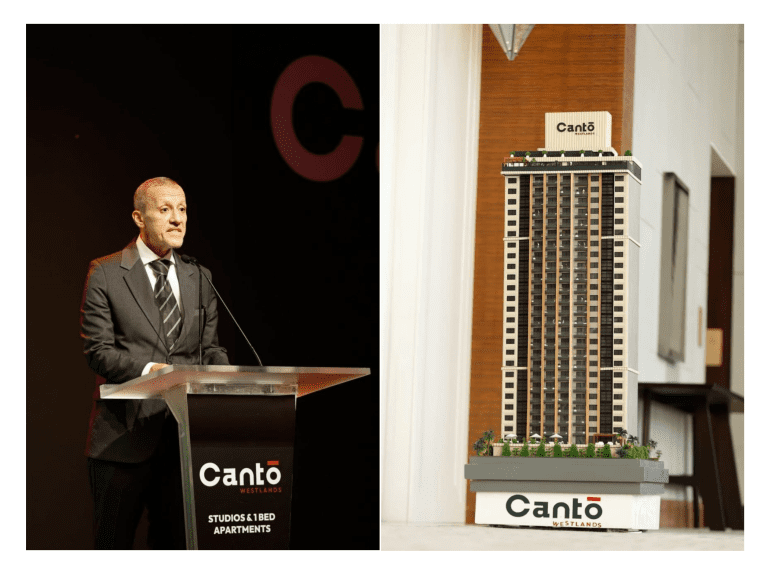
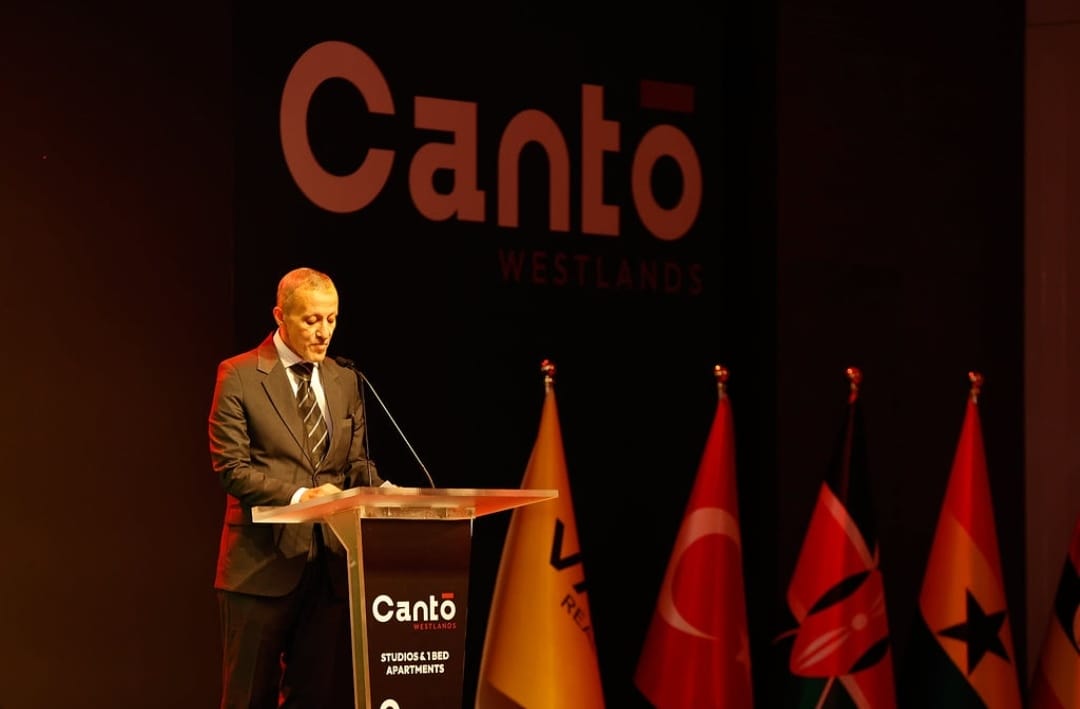
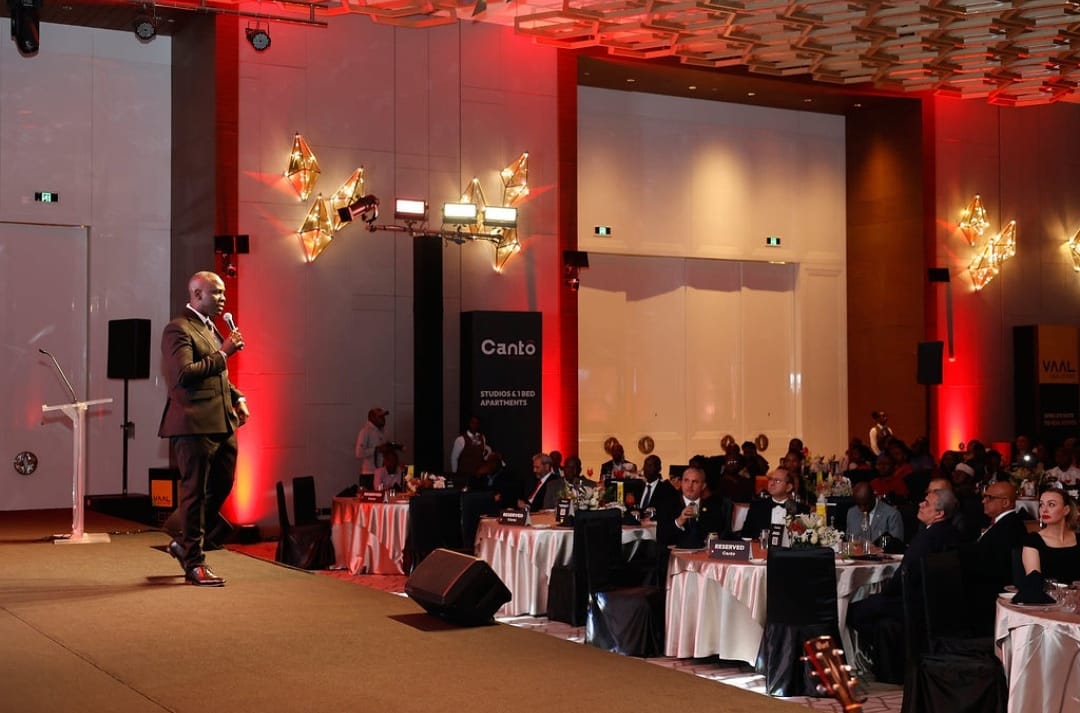
VAAL Real Estate, one of Africa’s leading luxury property developers, has officially launched CANTO, its eighth landmark development in Kenya. Set in the vibrant heart of Nairobi’s Westlands, CANTO introduces a new model of compact luxury apartments designed for performance, convenience, and long-term returns.

The name “CANTO,” drawn from poetry and music, refers to a stanza or movement, a small part of a greater masterpiece. In much the same way, each unit at CANTO will form part of a grand composition: elegant, efficient, and enduring. The development brings to life VAAL’s vision of creating homes that deliver both lifestyle and investment value within Nairobi’s most sought-after urban zones.

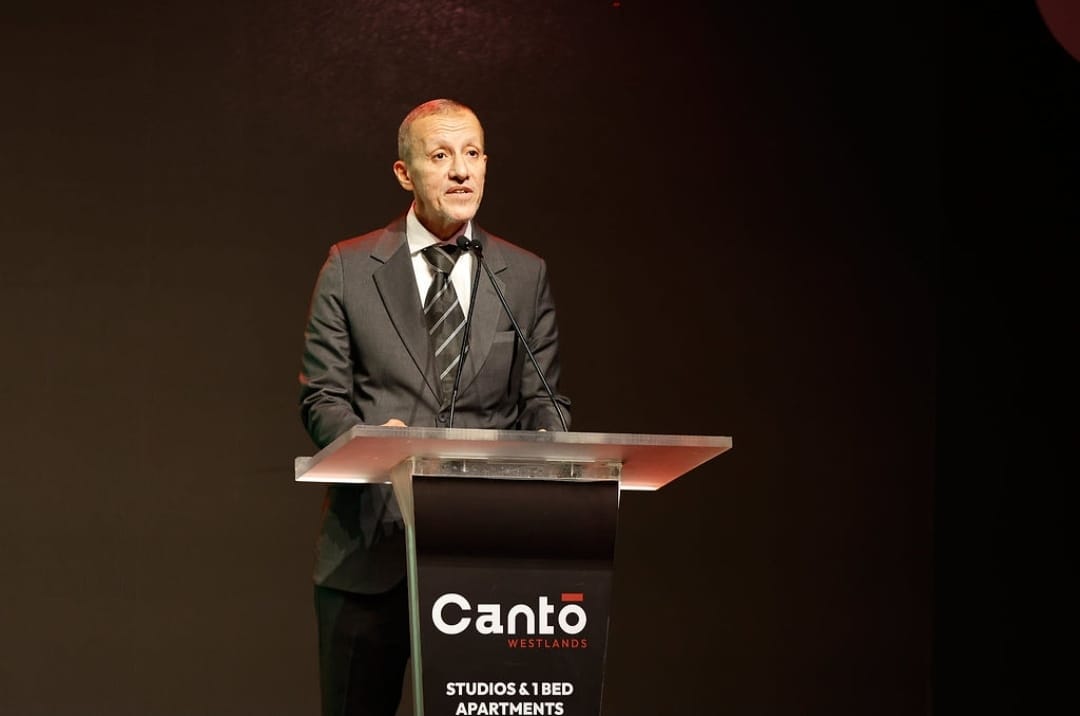
“As VAAL Real Estate expands across Kenya, Uganda, Ghana, Tanzania, and Türkiye, our focus remains the same: delivering developments that combine architectural excellence, financial logic, and lifestyle relevance,” says Ashraf Hamam, CEO of VAAL Real Estate, adding that “CANTO is a testament to that commitment. It represents our confidence in Nairobi’s future and our belief that smart, well-designed spaces will define the next decade of urban investment. Each apartment plays its role in a composition that delivers steady returns and elevated living.”

Strategically located just steps away from Sarit Center, Nairobi’s premier business and retail destination, CANTO is set to offer unmatched walk-to-work convenience and urban sophistication. The 25-floor tower will feature studio and one-bedroom apartments, specifically designed for modern professionals, digital nomads, and global travelers who value location, comfort, and return on investment.

I sold my land to invest in matatu business; I’m now a caretaker

With an expected ROI of 22–25%, CANTO delivers one of the strongest yield performances in Nairobi’s property market. Compact unit sizes allow for lower entry costs and faster rental absorption, ensuring a steady stream of income for investors. Importantly, construction is already underway, and the project is expected to be completed by April 2028, reflecting VAAL’s proven track record of timely project delivery and commitment to excellence.

“Every square meter at CANTO is designed to perform,” notes Anne Kamau, Head of Marketing at VAAL Real Estate. “Our goal is to give clients a product that works for them: beautiful spaces that generate consistent returns, backed by full management from VAAL. Whether you live in it, lease it, or hold it, CANTO is a lifestyle that performs.”

As Kenya strengthens its position as a gateway for tourism, conferencing, and business in East Africa, CANTO aligns perfectly with this momentum. The travel and tourism sector in Kenya is projected to contribute KSh1.2 trillion in 2025, support approximately 1.7 million jobs, and account for more than 7% of GDP. International arrivals rose by around 14–15% in 2024, surpassing two million visitors, with total visitor-days reaching 18.6 million. Across the broader East African Community, tourist arrivals are expected to reach about 14.5 million in 2025, underscoring robust regional demand.

CANTO is not just a home, but a statement. The property will redefine the skyline with its sleek glass façade, vertical rhythm, and exceptional amenities. Residents will enjoy a heated infinity pool, rooftop gym, mini golf lounge, coffee bar, indoor cinema, co-working space, and BBQ terrace, all overlooking Nairobi’s panoramic skyline.

“CANTO showcases how Nairobi’s lifestyle and tourism economies are merging. We are seeing a rise in investors who want both comfort and commercial value – a place to live, earn, and explore East Africa from,” concludes Kamau. Its location near top hotels, embassies, and leisure centers will ensure year-round occupancy from corporate travelers and global visitors who increasingly view Nairobi as both a destination and an investment hub.

ICEA LION rolls out retirement planning index for Kenya

0

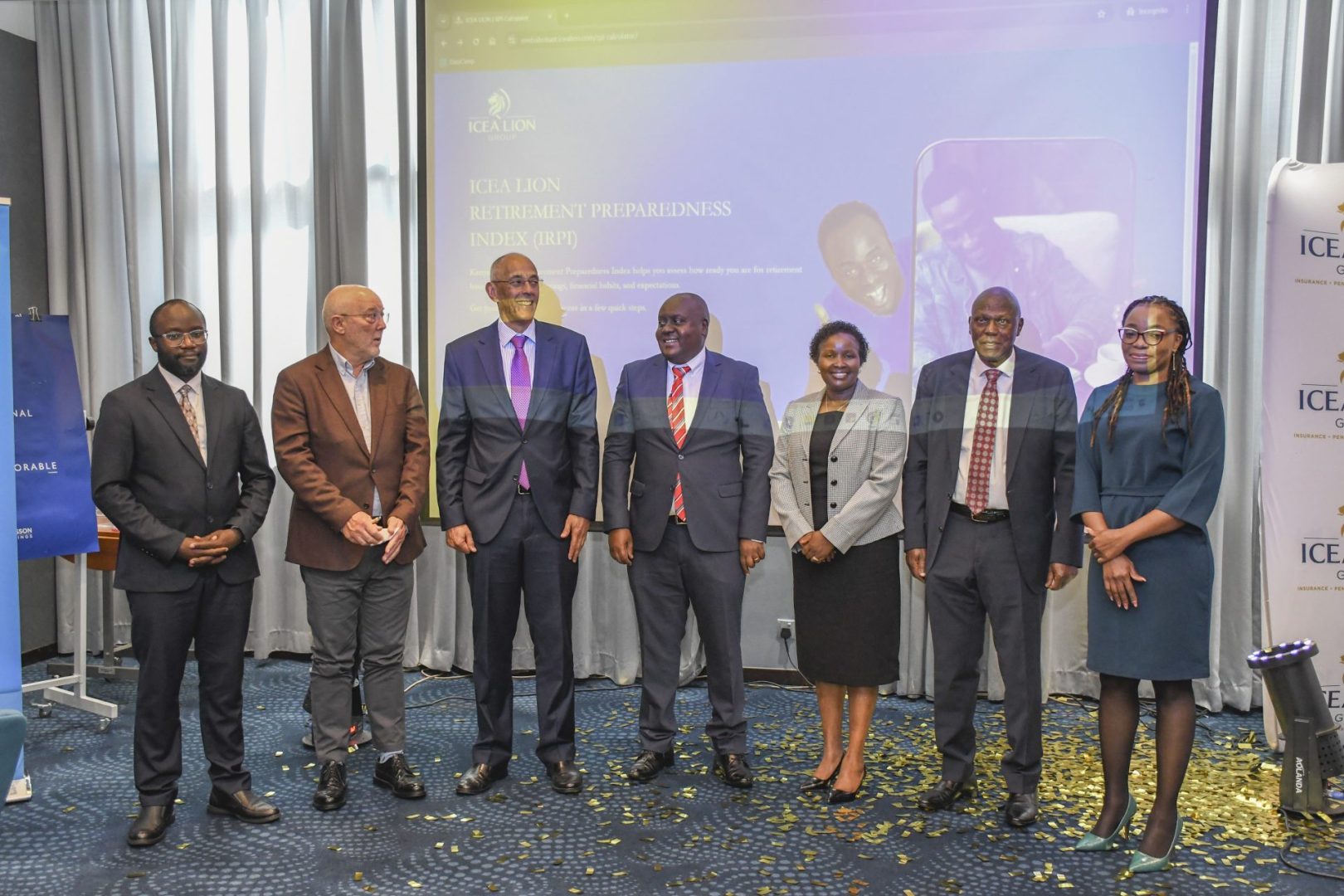
In a notable event, ICEA LION Life Assurance Company launched the ICEA LION Retirement Preparedness Index (IRPI). The index, the first of its kind in Kenya, is designed to measure retirement readiness at both individual and national levels.

On an individual level, the index provides a calculator that measures one’s personal preparedness for retirement. Any individual can input their information (savings, income, frequency of saving, among others) and receive a tailored personal index. At a national scale, the index is derived from a study (primary and secondary research) that targets both working and retired populations to measure their anticipated and current readiness for retirement.

“What makes this index unique is its robust methodology, which integrates four critical dimensions of preparedness: Replacement Rate, Behavioral Scoring, Financial Su ciency Ratio, and Asset Multiples,” Jacqueline Ochieng, Head of Research at ICEA LION Group. The study will be conducted annually, and each year, ICEA LION Life Assurance Company will update the index to reveal the current state of retirement readiness in Kenya.

ICEA LION releases Q4 2025 Investor Pulse: investing ahead of the curve

This innovation reaffirms ICEA LION’s ongoing commitment to shaping the future of pensions through innovative digital-first and customer-centric solutions. Through the launch of the Retirement Preparedness Index (IRPI), we continue to bridge the gap between traditional pension management and modern digital access, ensuring that Kenyans can plan and monitor their retirement journey at any time, anywhere. “By turning complex pension data into meaningful insights powered by AI, we are equipping Kenyans to make informed decisions and take control of their retirement readiness,” Enock Keya, Head of Data at ICEA LION Group.

Among the population that accesses pension services, issues they grapple with include inadequate savings, intermittent employment, and premature access to the pension saving kitty, among other factors.

Across Kenya, retirement planning is rapidly evolving as individuals seek flexible, transparent, and digitally accessible pension solutions. Building on the strong heritage of financial innovation, ICEA LION Life Assurance Company has taken the first step in introducing an innovative solution intended to drive action as the country seeks to improve the livelihoods of its citizens.