



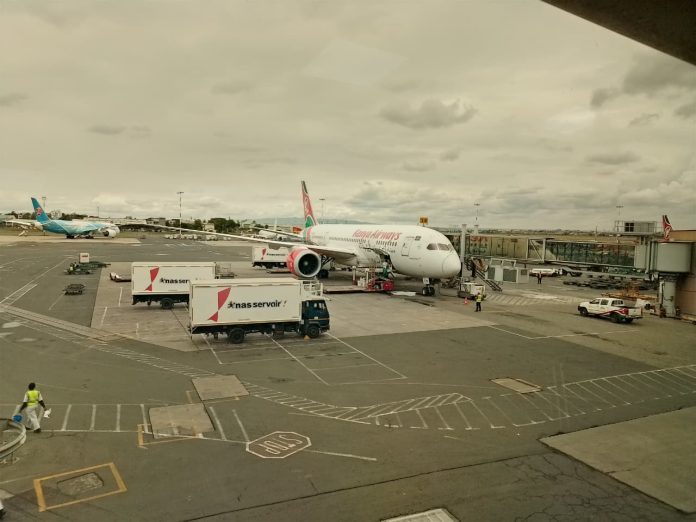
While attending an aviation summit in Nairobi, one attendee, after being given a chance to share her thoughts on services provided by Kenya Airways (KQ), complained that the airplane cabins are kept uncomfortably cold. The panel didn’t tackle her concern, however.
At that moment, I hadn’t flown, and her revelation that planes were kept very cold inside was news to me. It wasn’t until recently, when I first boarded a KQ plane to and from Mauritius, that her sentiments made sense.
At JKIA, soon after boarding the Embraer E-190 assigned to the route, I realized the temperature had dropped compared to what it felt like inside the waiting gates. The sound of the AC and the auxiliary power unit was audible, blasting relaxing cold air inside the cabin.

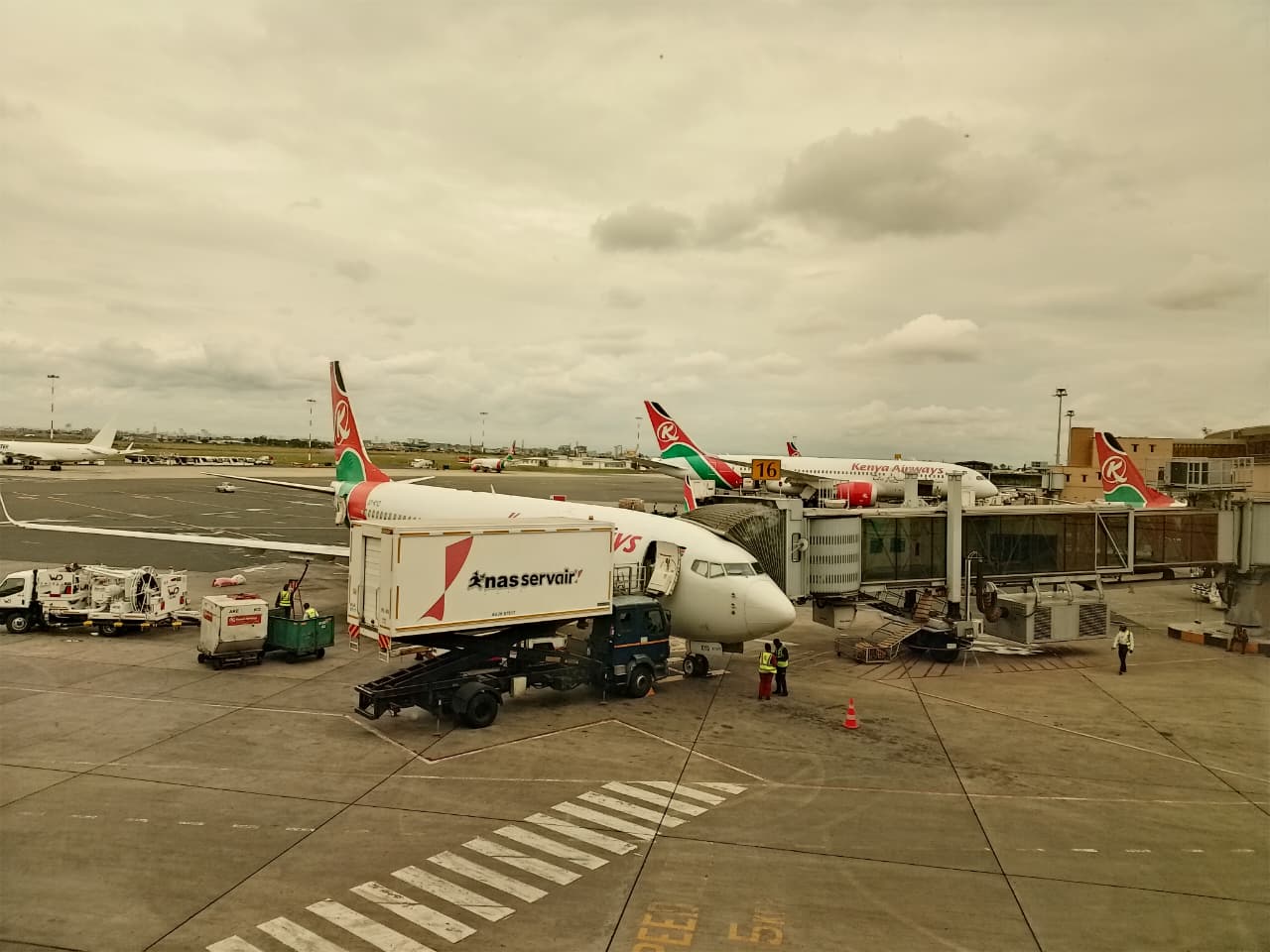
After my return flight, I sought to find out why temperatures inside passenger planes are kept low. Is there a mechanical advantage airlines gain by this, or is it that there’s no technology yet to help warm up the cabins and keep passengers from near-freezing temperatures, especially those flying from tropical countries like Kenya, where the weather is warmer?
For a moment, I even thought temperatures are colder as a way to acclimatize travelers to colder destinations like Europe. I reached out to a technical official at Kenya Airways who shed light on why the cabins are kept cold.

The surprising reason behind the chill
Despite how counterintuitive it may sound, those chilly winds blowing through the passenger cabin are actually there to provide maximum comfort and, more importantly, safety.
“First, the temperature in the cabin isn’t as cold as it may seem. It’s normally kept between 22 and 24 degrees Celsius and rarely drops lower than 18 degrees. In fact, that’s the average temperature in most office buildings,” the Kenya Airways official explained.
The official pointed out that while traveling by plane, you don’t get up from your seat and move around very often. As a result, your body doesn’t produce enough heat to warm itself, and you feel colder than you would under different circumstances.
On the other hand, if the cabin’s fully occupied, the passengers themselves give off enough heat to significantly warm the cabin, which is why airlines err on the cooler side.
To keep passengers warm, Kenya Airways provides blankets, not very thick, but they help keep you warm. I personally never used them; perhaps the excitement of flying for the first time kept me warm enough.
Preventing fainting
It turns out there’s a connection between the pressure and temperature in the passenger cabin and people fainting mid-flight. Passengers tend to lose consciousness in the air more easily than on the ground due to a condition called hypoxia, which occurs when body tissues, including the brain, don’t get enough oxygen and can’t work properly.
“If the temperature on board the plane is too warm, and the pressure is higher than normal, these factors can worsen and increase the probability of a negative reaction. In different people, body temperatures vary, and the temperature that’s comfortable for one person may seem too hot or too cold for another. But just to be on the safe side, airline carriers prefer to keep temperatures in the passenger cabin a bit lower than normal.”
The cooler environment also helps reduce motion sickness, slows the spread of airborne germs in crowded cabins, and promotes alertness, which can be beneficial in emergencies.
Why newer planes feel more comfortable
You’re not as likely to be shivering throughout the flight if the plane you’ve taken is new. Newer aircraft have more advanced thermostats that can regulate cabin temperature more precisely. And even though it’s impossible to adjust the temperature around individual seats, flight attendants have panels they can use to regulate it by zones. However, some planes with overhead air-conditioning vents that can direct a jet of air to the seats below.
“Cabin crew members will usually only raise the temperature after passengers ask them to because they don’t usually have an issue themselves with the chilly temps,” the official explained. “After all, flight attendants are constantly working and moving while the passengers stay in a relaxed state, and that’s why their perception of a comfortable temperature is very different.”
The pre-flight heat wave
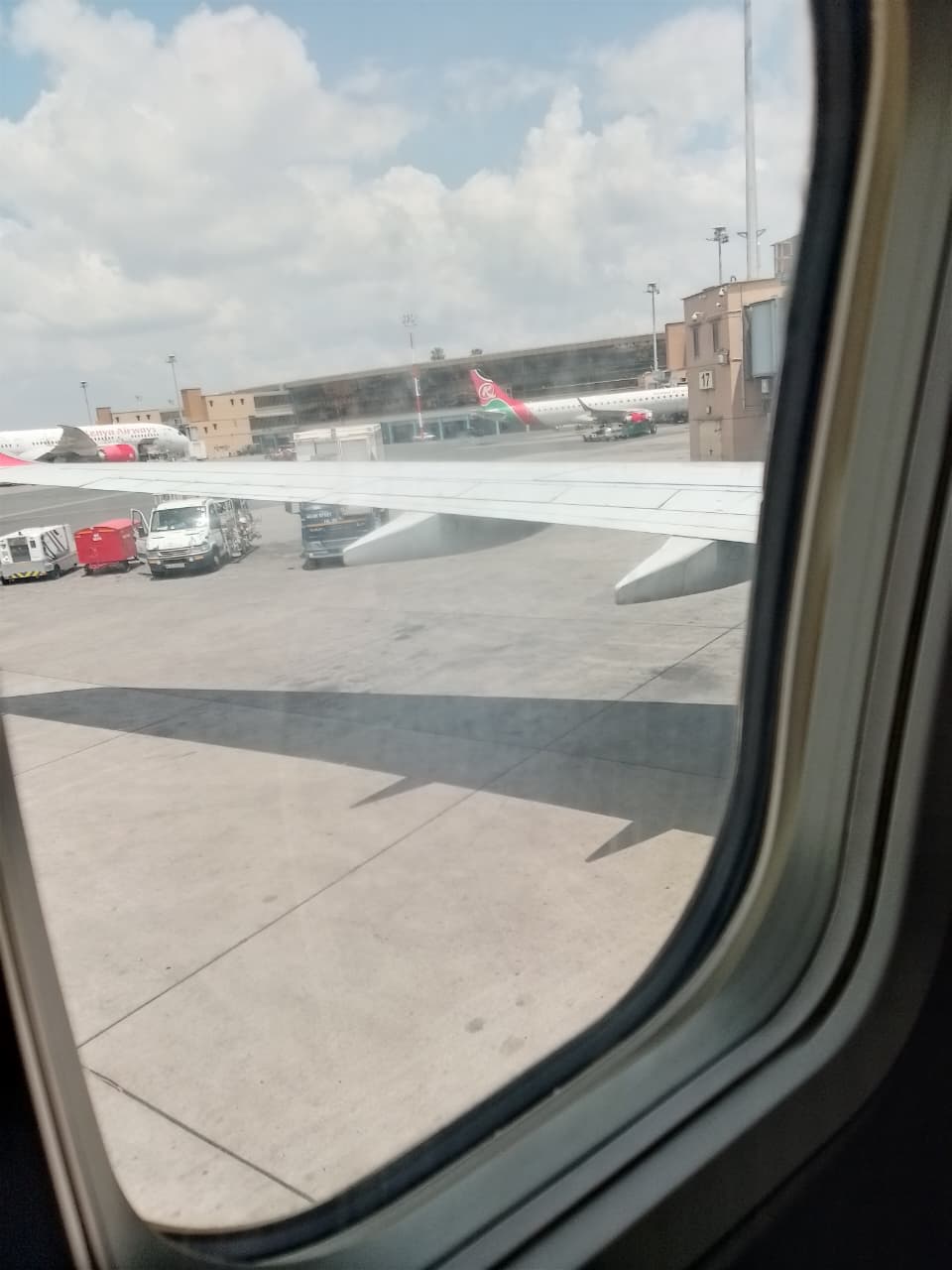
In some planes, minutes after boarding, you may notice it gets uncomfortably hot before takeoff. This happens when the air conditioning on the aircraft has been turned off to save fuel and will only run when the engines are fired up.
As a result, the combined body heat of all the people on board, plus the absence of air conditioning, can warm the cabin to an uncomfortable temperature. The combined body temperature of passengers is among the reasons why the temperature is kept cool once airborne, preventing sweltering conditions.
The KQ staff also explained the mechanical factors at play. Air drawn from outside a plane at cruising altitude is extremely cold, sometimes below -70°C (-94°F). The air conditioning system mixes this cold air with hot air to reach the desired cabin temperature.
Additionally, the cabin is pressurized to a lower altitude, about 8,000 feet, which can make passengers more susceptible to the effects of lower oxygen. Keeping the cabin cool counteracts this. The air conditioning system continuously circulates fresh air to provide a healthy environment, and depending on where you’re seated, you might feel a draft of this cool, fresh air.
What this means for passengers
So, next time you board a commercial airline, don’t lash out at the flight attendants for the temperature; it’s a small price to pay at 35,000 feet. The cooler air keeps everyone comfortable, prevents fainting, and helps stop the spread of germs. If you can’t handle the chill, bring a jacket, sweater, or heavier blanket than the one the airline provides.
On some routes, like flights to Mauritius, it’s a requirement for the plane to be sprayed with special insecticides before takeoff.
“The aircraft must be sprayed as a way of killing insects or bugs, for instance, mosquitoes that may be carried from Kenya or other countries, introducing a species of insect that may be unwanted there,” a KQ flight attendant explained.