


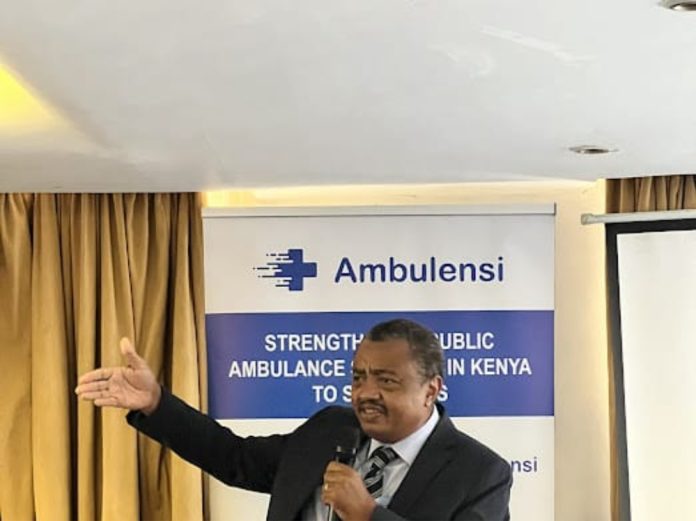
Kenya’s push to modernize emergency response took off at the Ambulensi Emergency Medical Services Conference 2026, held March 12th and 13th at The Heron Hotel. Health leaders rolled out new digital tools and protocols, all aimed at getting public ambulance services working together better, right across the country.
This first-ever conference pulled in people from national and county governments, ambulance providers, EMS training schools, development partners, and tech experts. The big question on everyone’s mind: How can coordination and innovation actually change the way Kenyans get emergency care?
One of the main moments was the launch of new features for the Ambulensi system. It’s a digital platform that brings public ambulance services together and opens up better communication between emergency responders and hospitals.

Right now, Ambulensi runs in 12 counties. It helps with dispatch, ambulance tracking, and links up emergency teams. Organizers have their eyes set on a bigger goal: getting all 47 counties on board, so every Kenyan gets access to a more reliable and organized ambulance service.
During the two-day event, Dr. Andrew Toro, Director of Curative and Nursing Services at the Ministry of Health, officially launched both the Ambulensi Mobile Application and the country’s new Emergency Medical Services (EMS) Protocols. This was a big step forward, pushing for standardized and digital emergency response everywhere.
The new app is built for ambulance operators and emergency teams. It connects them in real time with dispatch centers and puts clinical guidelines and protocols right at their fingertips when they’re out in the field.
Ambulance services and their hotlines in Kenya
Dr. Toro, speaking at the conference, made it clear that building a modern emergency care system means more than just buying more ambulances.
“Every day, thousands of Kenyans face life-or-death situations—car accidents, childbirth complications, serious illnesses. Improving emergency services isn’t just about numbers; it’s about building systems that connect communities, ambulances, and hospitals so patients actually get the urgent care they need,” he said.
People at the conference agreed: while counties have invested in ambulances, there are still big gaps. Coordination, dispatch, training, and long-term funding all need work.
To tackle these issues, the group dug into strategies for shoring up EMS across Kenya. They talked about better training and certification for emergency staff, creating standard procedures, strengthening dispatch centers, and making sure ambulances have the right medical equipment.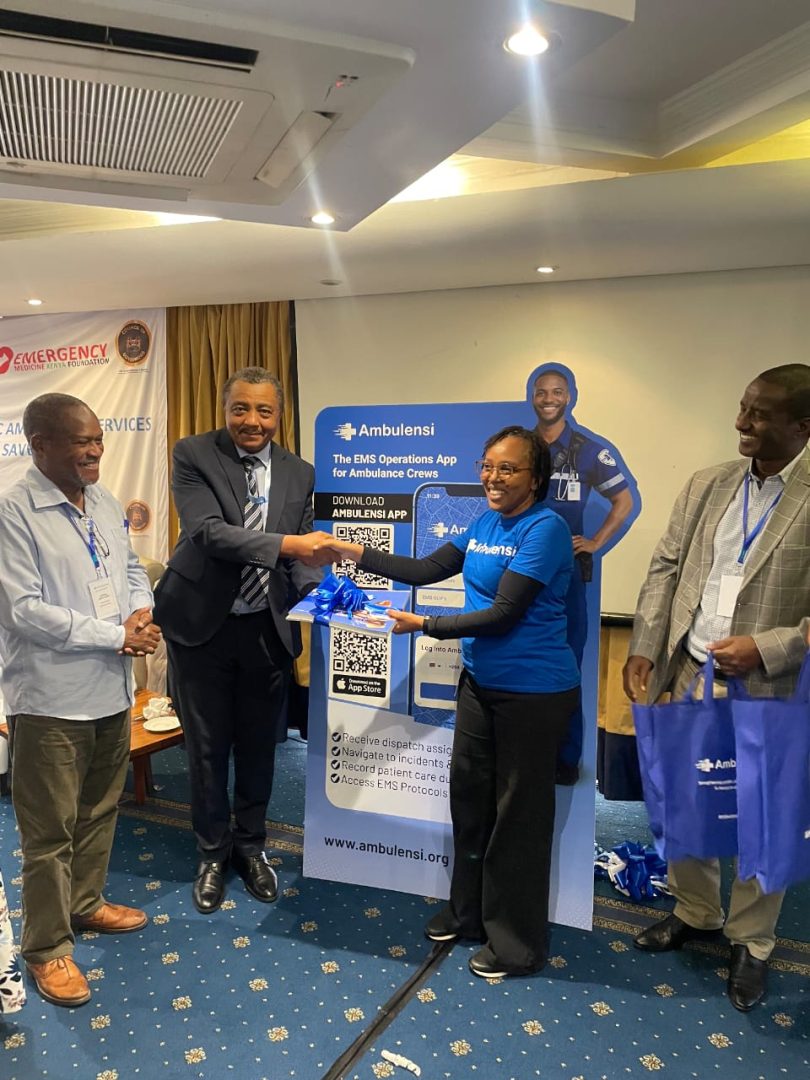
The new EMS protocols are set to guide dispatchers and pre-hospital teams, helping them deliver consistent and high-quality care before patients even reach the hospital.
Organizers said that by building these protocols right into the Ambulensi platform, ambulance crews across different counties can follow the same playbook in emergencies.
The conference also gave counties a chance to swap stories and share what’s worked (and what hasn’t) in managing ambulance services. People kept coming back to the need for stronger leadership, steady financing, and smarter use of technology.
By blending innovation, strong training, and real coordination, everyone at the conference seemed confident: Kenya can build an emergency medical system that responds faster and saves more lives, no matter where someone calls for help.