


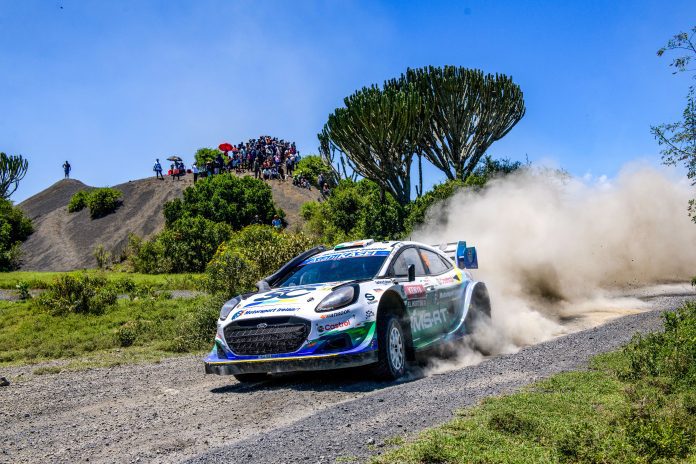
The dust settled on another thrilling edition of the legendary Safari Rally Kenya as the third round of the 2026 FIA World Rally Championship (WRC) concluded Sunday amid scenes of celebration across the Rift Valley.
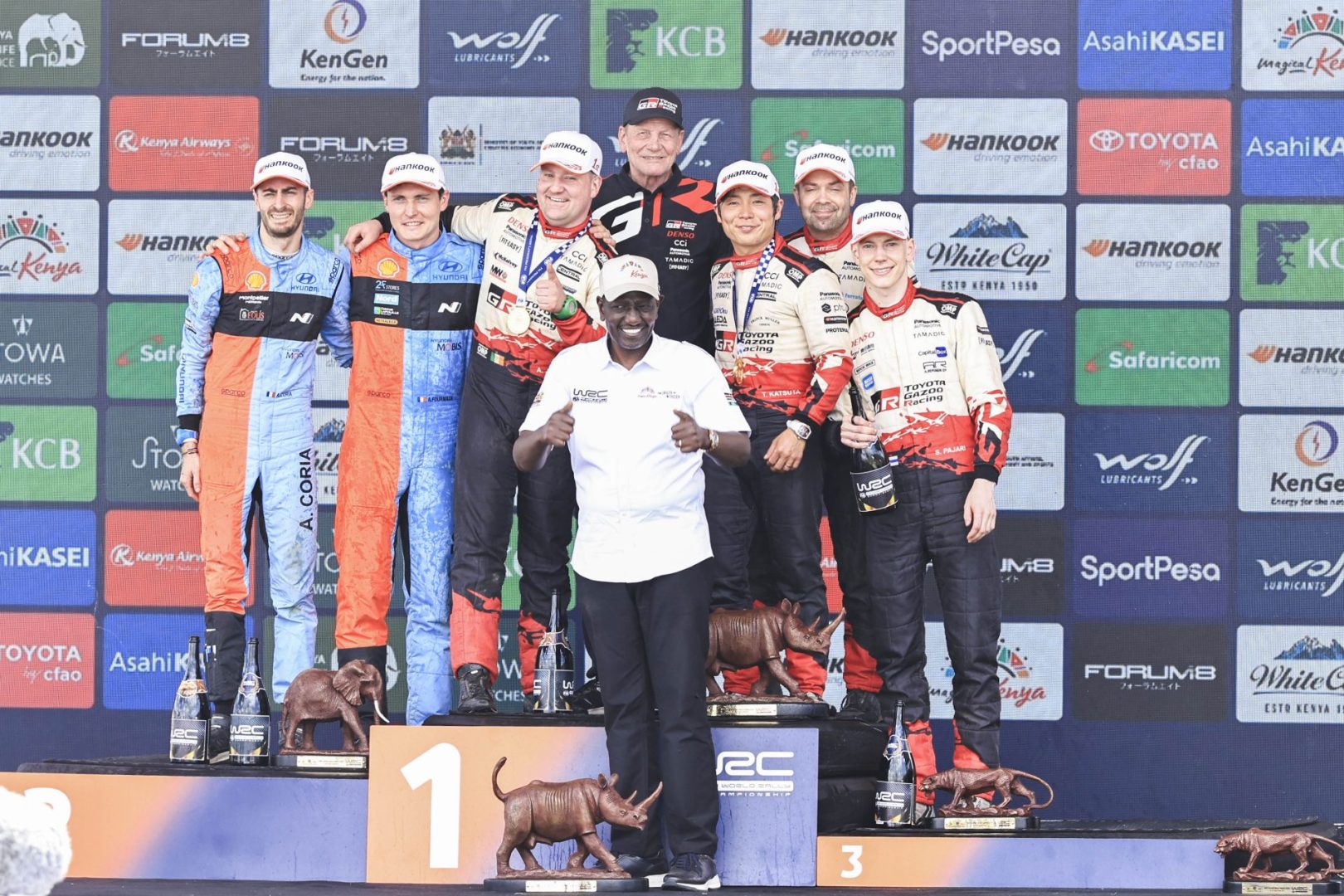
Japan’s Takamoto Katsuta and co-driver Aaron Johnston secured a historic maiden victory in the WRC, conquering the brutal terrain after four days of high drama on the toughest gravel rally in the world.
The Toyota Gazoo Racing (TGR) WRT pair inherited the lead during a chaotic Saturday morning when multiple frontrunners retired in the killer Sleeping Warrior stage.

TGR team-mates Oliver Solberg, Sébastien Ogier and Elfyn Evans, ran into trouble on the punishing SS13 section and the demanding transport section that followed.
Katsuta had deliberately adopted a cautious, survival-first approach as his peers bowed out all around him, and his strategy paid ultimate dividends.
KCB Racing Team gears up for WRC Safari Rally with intense preparations
After establishing an overnight lead of over a minute and 25 seconds at the end of Day 3, the popular Japanese ace nursed his GR Yaris Rally 1 in Sunday’s four stages to clinch his biggest WRC career win by 27.4s.
Kenyan President William Ruto attended the closing ceremony in Naivasha, praising the event’s global significance and offering reassurance about the country’s commitment to keeping the iconic event on the world stage.
“The Safari Rally is part of Kenya’s sporting heritage and a global showcase for our country,” said President Ruto.
He added: “The participation of fans from across the East African Community has elevated the Safari Rally into a truly regional event. Your presence shows the power of sport to bring East Africa together.”
Fans show up in large numbers
From the ceremonial flag-off on Thursday to the dramatic finale at Hell’s Gate National Park, tens of thousands of fans lined the stages across the Great Rift Valley, transforming the rally into a rolling festival of motorsport, colour and culture.
Scores of supporters gathered on rocky hilltops, dusty plains and river crossings to witness the world’s best rally drivers wrestle with the brutal conditions that make the Safari Rally unique.
For drivers, the rally delivered exactly what its reputation promises: adventure, endurance and breathtaking beauty.
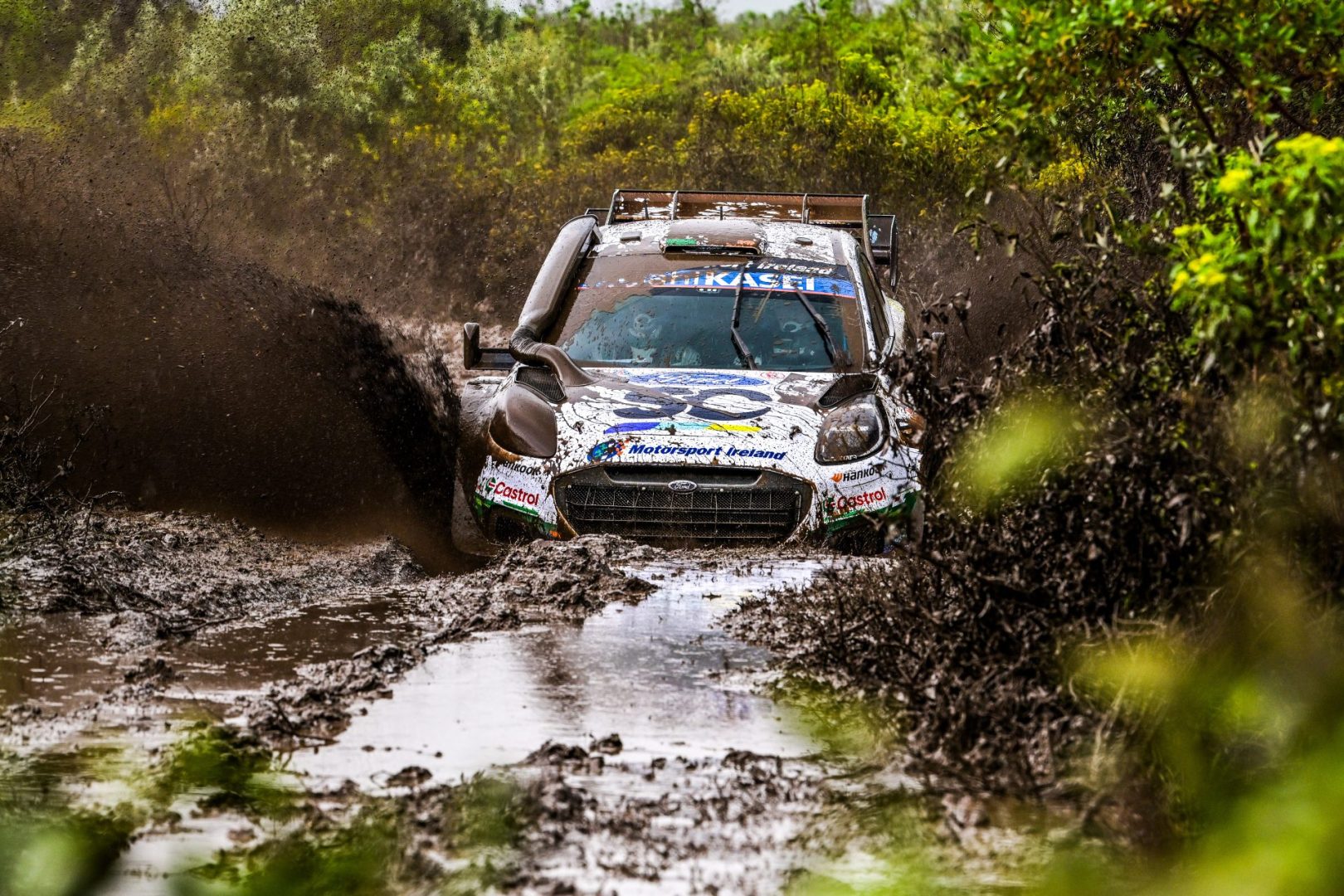
Competitors carved through choking clouds of ‘fesh-fesh’ dust, thundered across rocky escarpments and plunged through muddy water crossings as the Rift Valley’s scenic landscapes provided a breathtaking backdrop to the action.
The legendary stages, including the unforgiving plains of Soysambu and the winding roads beneath the Sleeping Warrior delivered mechanical failures and punctures that humbled the world’s best rally machines.
FIA Rally Stars Set to shine at the WRC Safari Rally
Throw in the unpredictable weather to the mix, sudden rains interchanging with baking sunshine, left competitors to contend with muddy and dusty sections that broke their cars and brought out their best driving skills.
On offer were trophies and points in the WRC1, WRC2 and WRC3 global categories as well as the African national championships.
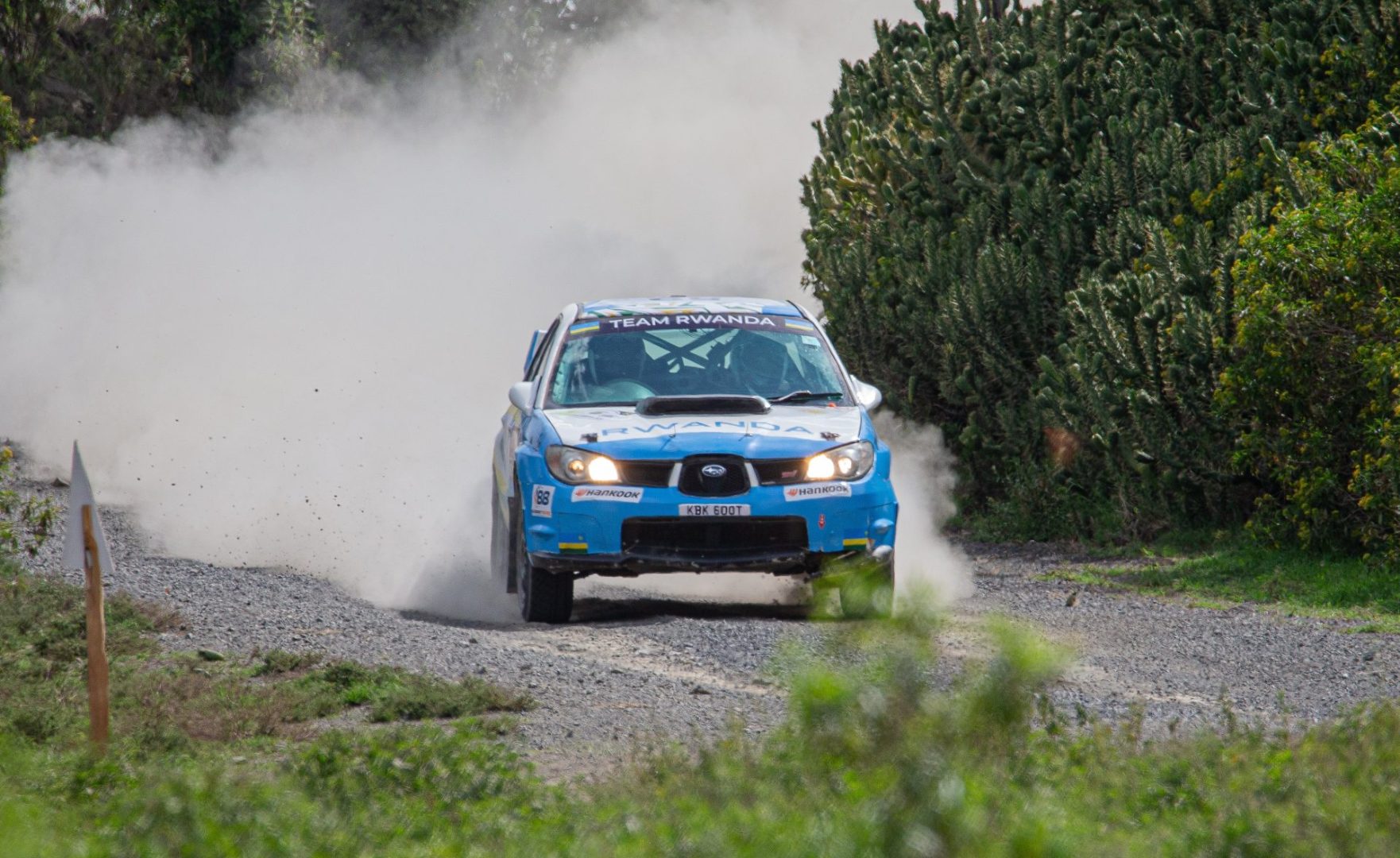
Behind the WRC contenders, local drivers thrilled home fans who gathered in huge numbers across spectator zones stretching from Naivasha to Elementaita to cheer them on.
Rally veteran Carl Tundo, who now serves as the Head of Secretariat for the WRC Safari Rally, praised the scale of support from fans across the region.
“What we have witnessed this week – the crowds, the passion, the atmosphere – shows just how much this rally means to Kenya and to the entire East African region,” he said.
“Our focus now is to build on that momentum and continue raising the standard of the Safari Rally so that it grows even stronger for teams, fans and partners in the years ahead,” added the five-time winner of the WRC Safari Rally.
Three protagonists push all the way
For title contenders in the WRC, the Safari Rally once again proved why it is widely regarded as the most demanding round of the season.
Toyota, Hyundai, Shell, Mobis WRT and M-Sport Ford Puma WRT crews were forced to adapt to rapidly changing conditions, where a single puncture or suspension failure ended podium challenges in seconds.
Corporate partners also embraced the carnival atmosphere, with fan zones and entertainment areas set up by sponsors throughout Naivasha.
SportPesa CEO Ronald Karauri hailed the rally’s ability to unite fans across the continent.
“The Safari Rally is a celebration of Kenya, of Africa and of the incredible passion our people have for sport,” Karauri said.
He added: “The energy we’ve seen from fans this week shows why this rally deserves to remain a permanent fixture on the global motorsport calendar.”
As engines fell silent in Naivasha, Nakuru County, on Sunday attention now turns to the future of the iconic event.
The current contract to keep the Safari Rally in the WRC ended this year and discussions on a renewal are expected to gather momentum in the coming months.
Many across Kenya and the wider East African region hope the extraordinary turnout has once again demonstrated why the Safari Rally belongs on the global championship calendar.