


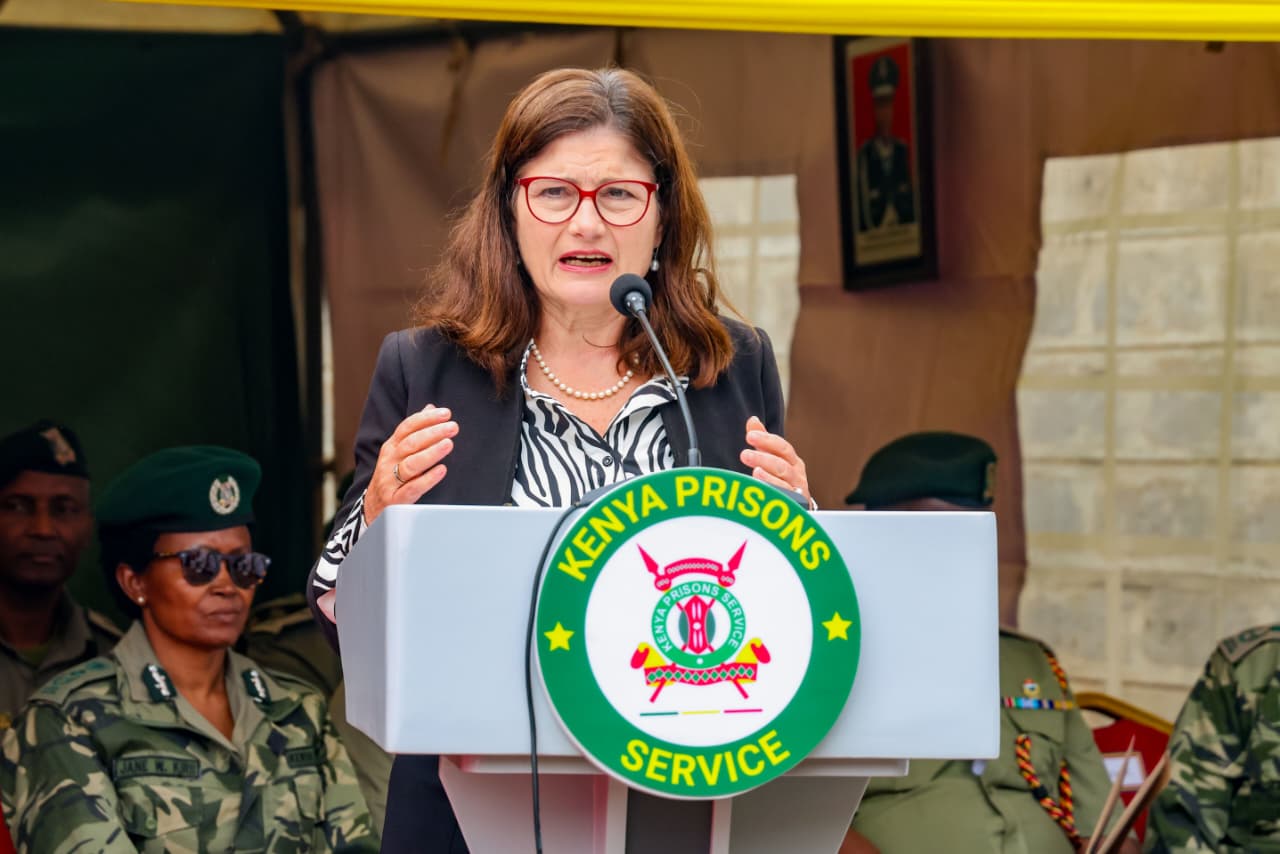
Energy and Petroleum Cabinet Secretary Opiyo Wandayi has officially launched a major solar power project at the Nairobi Remand and Allocation Maximum Security Prison. This project is a key step in modernizing the country’s correctional services and improving access to justice through reliable and sustainable energy. It highlights the government’s commitment to creating an efficient, secure, and environmentally friendly correctional system that can support uninterrupted judicial services.
The project is a collaboration among the Government of Kenya, the European Union, and the United Nations Office on Drugs and Crime as part of the Promoting Legal Education and Assistance to Detained Persons program. This initiative shows the importance of international cooperation in supporting Kenya’s green growth and climate resilience efforts.
During the ceremony, CS Wandayi urged public institutions across the country to embrace renewable energy to reduce electricity costs and mitigate the effects of national grid failures. Before this green infrastructure was installed, the Nairobi Remand facility often faced power outages that disrupted daily operations. These blackouts notably affected the prison’s virtual court infrastructure, which facilitates between 200 and 500 virtual court sessions each day for regional stations in Makadara, Milimani, Kiambu, Kibera, Ngong, Thika, Kisumu, and Mombasa. Unreliable electricity led to unnecessary trial adjournments, delayed digital services, and compromised inmate welfare by shutting down the automated water pumps that supply the facility’s water.

To address these issues, the new 28.08-kilowatt peak hybrid solar power system includes strong technical backups. The installation features battery storage, inverter chargers, automated switching systems, energy-efficient lighting, and a fully rehabilitated diesel backup generator for emergencies. This system ensures a smooth switch to clean energy during grid failures, keeping critical operational areas, security systems, and digital courtrooms powered at all times. Accompanied by Correctional Services Principal Secretary Dr. Salome Beacco, officials noted that a reliable energy source not only modernizes infrastructure but also restores inmate dignity by ensuring consistent access to utilities.
The operational and financial benefits from the installation have been immediate. Virtual court proceedings—including case mentions, hearings, rulings, appeals, and bail applications—can now happen without interruptions.
Electricity bills to skyrocket by 30 pc over unpaid wayleave fees, warns Energy CS
This directly reduces the backlog of cases in the Kenyan judicial system while upholding the right to timely justice. Additionally, remote virtual trials significantly cut the high logistical costs and security risks of transporting prisoners to various courthouses. The shift to renewable energy has also led to a drop in monthly utility costs at the prison, allowing saved funds to be redirected to important programs for inmate rehabilitation and vocational training.
To ensure the long-term success of the project, structured measures have been put in place, such as staff training, scheduled maintenance plans, and dedicated contractor support during the initial defect notification period. As Kenya continues to progress in climate action and digital transformation, the successful solarization of the Nairobi Remand prison serves as a model for public institutions nationwide. CS Wandayi called for ongoing investments in integrated security systems, high-speed internet, and modern ICT solutions to further the digital transformation of the country’s correctional services while asking international partners to continue supporting these essential reforms.