


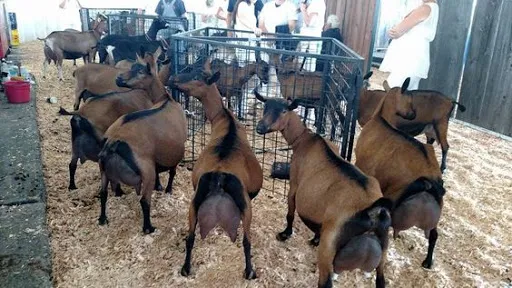
A growing appetite for goat milk is encouraging more farmers to shift from conventional livestock keeping to dairy goat farming, attracted by the promise of steady incomes, lower production costs and resilient animals that can withstand changing weather conditions.
With consumers increasingly seeking goat milk for its nutritional value and digestibility, dairy goats are emerging as a profitable enterprise for both rural and urban farmers.
Among those benefiting from the trend is Kisumu-based electrical engineer Kevin Omondi, who has transformed a little over half an acre in Nyamasaria into a flourishing dairy goat farm that now supports his family and creates employment.

What began in 2019 with just four goats has grown into a herd of about 150 animals, demonstrating the commercial potential of dairy goat farming even on limited land.
“Goat farming is very profitable when you look at the financial returns. When I started in 2019, I had around four goats producing about nine litres of milk daily. Today, I have more than 150 goats, and the business has enabled me to employ two additional youths to help manage the farm,” says Omondi.
Despite pursuing a full-time career as an electrical engineer, Omondi has successfully balanced his profession with livestock farming by investing in proper management systems and reliable workers.
Running a dairy enterprise in Kisumu, however, has not been without challenges. He identifies the availability of quality feeds and adequate water as the biggest hurdles, particularly during prolonged dry spells brought about by the region’s unpredictable rainfall patterns.
Even so, he says goats have proven to be one of the most climate-resilient livestock species.
Their ability to adapt to varying environmental conditions and survive on diverse forage resources, including agricultural by-products that many other livestock species cannot efficiently utilise, has made them increasingly attractive to farmers seeking climate-smart agricultural enterprises.
To further improve productivity, Omondi has invested in crossbreeding. His herd consists of crosses between the high milk-producing Saanen breed and the hardy indigenous Galla breed, combining superior milk yields with resilience to local conditions.
The improved breeds mature faster, produce more milk and command better market prices, enabling farmers to transform goat rearing from a subsistence activity into a commercially viable agribusiness.
The results have been impressive.
Omondi’s herd now produces more than 200 litres of milk every day, supplying a growing network of regular customers, including hotels and households that specifically seek goat milk for its health benefits.
The sales generate more than Sh20,000 daily, providing a reliable source of income from a relatively small parcel of land.
Agricultural experts attribute the growing demand to goat milk’s nutritional qualities. It is widely regarded as an excellent alternative to cow’s milk because it is easier to digest and less likely to trigger allergic reactions.
It is also rich in essential nutrients such as calcium, magnesium, potassium and vitamin A, which contribute to strong bones, healthy immune function and overall wellbeing.
Beyond milk production, goats also present multiple income opportunities through the sale of breeding stock and chevon, further strengthening their appeal as an investment.
Their biological advantages also enhance profitability. Female goats have a gestation period of approximately five months, allowing them to produce kids twice within a year under good management, resulting in rapid herd expansion and quicker returns on investment.
Also Read: Why an investment in sustainable agriculture must include the African smallholder