

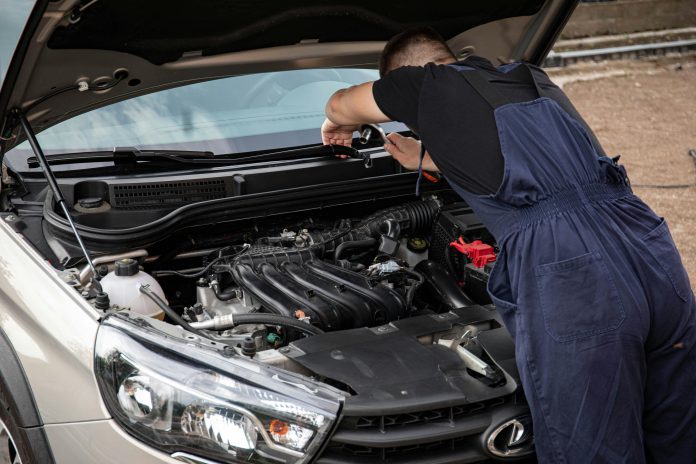
Mechanics: The garage business in Kenya plays a vital role in keeping millions of vehicles on the road. While many mechanics are skilled, honest professionals, others exploit customers through dishonest practices that lead to unnecessary expenses and frustration.
Whether you own a personal car, a taxi, or a commercial vehicle, knowing how mechanics can take advantage of unsuspecting customers can help you avoid costly mistakes.
Here are six common ways dishonest mechanics rip off motorists in Kenya.

1. Charging for unnecessary repairs
One of the most common scams in the garage business in Kenya is billing customers for repairs that were never needed.
A mechanic may diagnose one fault, repair it, and then claim the problem still exists because of another issue. This process may repeat several times until the original problem is eventually fixed.
The customer ends up paying for every repair—even those that were unnecessary or caused by an incorrect diagnosis.
A competent mechanic should accurately identify the problem before replacing parts or charging for repairs.
Cars not to buy in Kenya: 10 cars to avoid when you are on a tight budget
2. Overcharging for spare parts and labour
Many garages legitimately mark up spare parts to cover operating costs. However, some mechanics take advantage of customers who have little knowledge of vehicle parts and pricing.
Common practices include:
- Inflating the cost of genuine or aftermarket spare parts.
- Charging for premium-quality parts while installing cheaper alternatives.
- Billing excessive labour charges for relatively simple repairs.
Before authorizing major repairs, compare prices from reputable spare parts dealers and request a detailed quotation.
3. Recommending replacement instead of repair
Not every worn component needs to be replaced.
Dishonest mechanics may recommend replacing brake discs instead of resurfacing them, installing a new alternator instead of repairing it, or replacing suspension components that still have useful life.
These unnecessary replacements significantly increase repair costs while benefiting the garage rather than the customer.
If a repair estimate seems unusually high, seek a second opinion from another qualified mechanic.
4. Joyriding with customer vehicles
Although most mechanics conduct legitimate road tests after repairs, some abuse customer vehicles by taking them on unauthorized trips.
With the growing use of dashboard cameras (dashcams), more motorists have discovered mechanics using their vehicles for personal errands or recreational driving.
Unauthorized use not only wastes fuel but also exposes the vehicle to accidents, speeding fines, and unnecessary wear and tear.
Rules you must comply with when importing used cars in 2026
5. Damaging your vehicle during repairs
Your vehicle should be returned in the same condition—or better—than when you left it at the garage.
Unfortunately, some customers discover:
- New dents or scratches.
- Grease stains on seats or carpets.
- Missing bolts or poorly fitted components.
- Tools left inside the vehicle.
- Interior damage caused during repairs.
Inspect your vehicle carefully before leaving the garage and report any damage immediately.
6. Theft of personal belongings or vehicle parts
Theft remains one of the most serious complaints in the garage business in Kenya.
Some motorists have reported losing:
- Mobile phones.
- Cash and wallets.
- Car accessories.
- Sound systems.
- Performance parts.
- Alloy wheels.
- Tools and emergency equipment.
Before leaving your vehicle for service, remove valuables and take photos of expensive accessories. If anything goes missing while the vehicle is under the garage’s custody, report the matter immediately and document the incident.
How to protect yourself when visiting a garage
You can reduce the risk of being scammed by following these simple precautions:
- Choose a reputable garage with positive customer reviews.
- Ask for a written quotation before repairs begin.
- Request old parts after replacements.
- Compare spare part prices from multiple suppliers.
- Keep service records and invoices.
- Install a dashcam if possible.
- Seek a second opinion for expensive repairs.
Final thoughts
Most mechanics in Kenya work hard to build honest businesses and long-term customer relationships. However, a few unethical operators continue to damage the reputation of the industry through dishonest practices.
Understanding these common scams can help you make informed decisions, reduce unnecessary repair costs, and find a mechanic you can trust.
Have you ever been overcharged or misled by a mechanic in Kenya? Share your experience in the comments and help other motorists avoid similar situations.