
Africa’s Growing Child Development and Brain Health Challenge
Africa faces a significant burden of child developmental delays and disabilities, with an estimated 29 million children in Eastern and Southern Africa affected, according to global estimates. At the same time, the region continues to experience a critical shortage of locally generated brain health evidence and trained neuroscientists to guide context-specific solutions for its rapidly growing population.
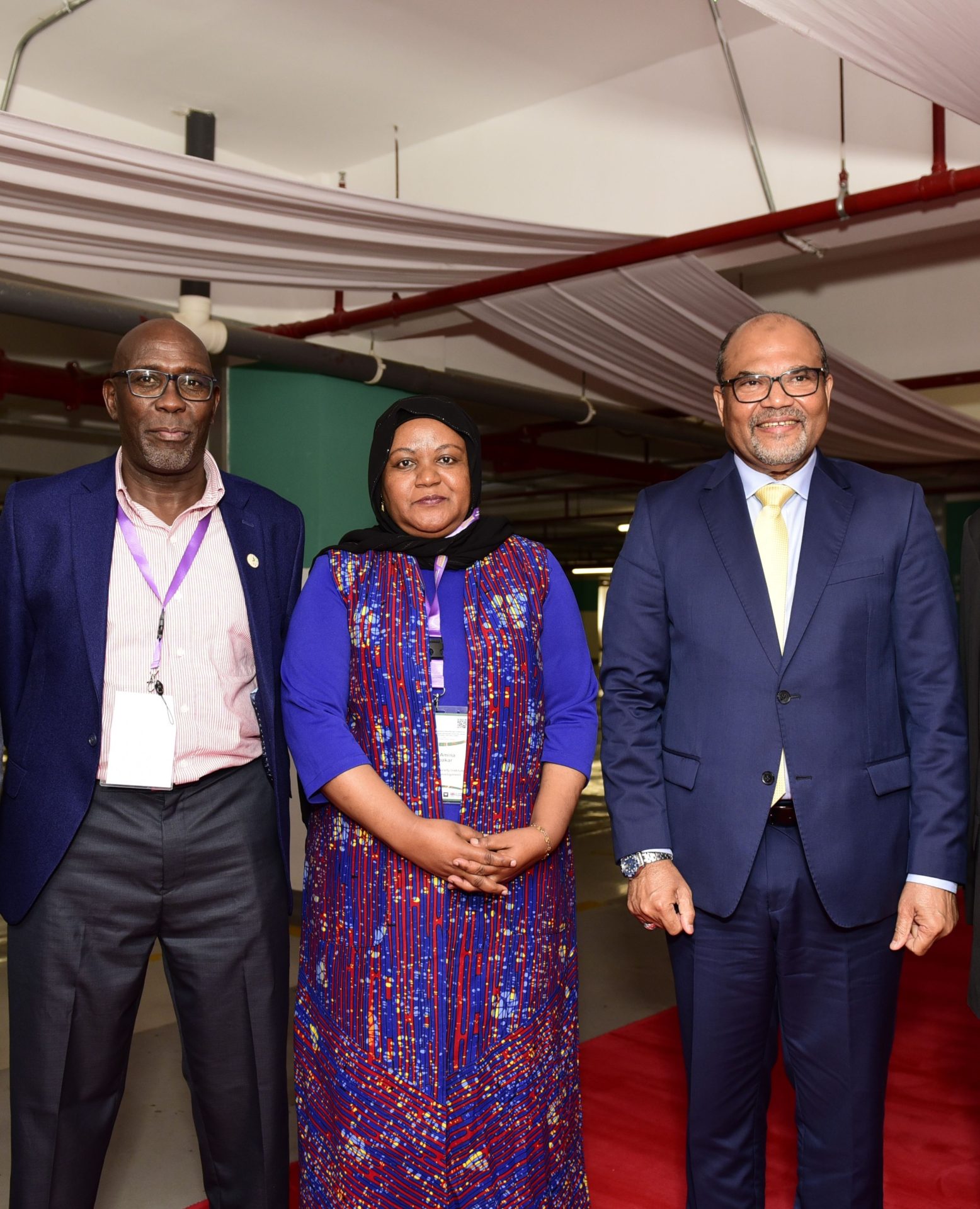
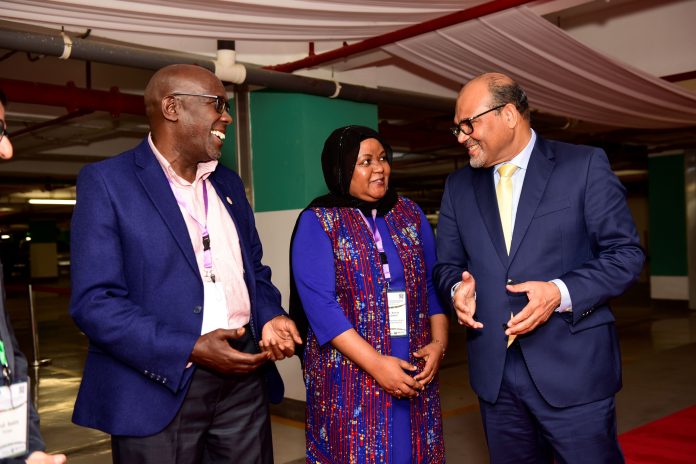
Experts highlighted the need to strengthen brain health research capacity in Africa as they gathered at the Aga Khan University’s Institute for Human Development (IHD) 10th anniversary celebrations, held in Nairobi. The call came during discussions under the theme “Unlocking Human Potential for Optimal Development Across the Lifespan: A Decade of Evidence, Innovation, and Policy Impact,” with stakeholders advocating for increased investment in research, innovation, and evidence-based policy solutions to improve health and development outcomes among children.
“Every child deserves the opportunity to grow, learn, and thrive. Yet for many children, circumstances beyond their control prevent them from reaching their full potential. Investments in research allow us to identify effective interventions, understand local realities, and generate the evidence needed to improve child health and development outcomes,” said Prof. Amina Abubakar.

According to the Kenya Demographic and Health Survey (KDHS) 2022, 18 per cent of children under five are stunted, while only 31 per cent of children aged 6–23 months receive a minimum acceptable diet, and 37 per cent meet minimum dietary diversity. Poor nutrition during early childhood is a key risk factor for brain development, particularly in the first eight years of life when rapid brain growth occurs, and is associated with poorer cognitive and learning outcomes later in life.
Breakthrough as early signs of Parkinson’s disease identifiable in blood
Government Calls for Greater Investment in Research and Innovation
Speaking during the conference, the Guest of Honour, Prof. Shaukat Abdulrazak, underscored the importance of investing in science and research, particularly in child development and brain health, to drive sustainable development.
“When we invest in research, we invest in better decisions. Evidence helps us understand what challenges our communities are facing and which solutions are most likely to improve lives. For governments, this knowledge is essential for designing policies and programmes that respond to people’s needs and create opportunities for future generations,” said Prof. Abdulrazak.
ALMA Consortium Building Africa’s Next Generation of Neuroscientists
At the centre of this call is the Africa Leadership for Measuring Brain Health in Children and Adolescents (ALMA) consortium, an African-led initiative working to strengthen neuroscience research capacity and train the next generation of scientists in child and adolescent brain health.
Launched in 2023, ALMA is currently training more than 50 early-career researchers across four African countries: Kenya, Malawi, South Africa, and Zambia, to conduct high-quality, locally relevant research on brain development and mental health in children and adolescents.
The programme is implemented through a network of leading African and global research institutions, including the Aga Khan University’s Institute for Human Development in Kenya, University of Cape Town, University of Zambia, and Kamuzu University of Health Sciences, with additional collaboration from University of Oxford and Massachusetts General Hospital.
In Kenya, ALMA research is already contributing to emerging evidence on child and adolescent mental health, including the development of a Mental Health Literacy Toolkit for adolescents, designed to improve awareness of mental health conditions, reduce stigma, and strengthen supportive learning environments in schools.