


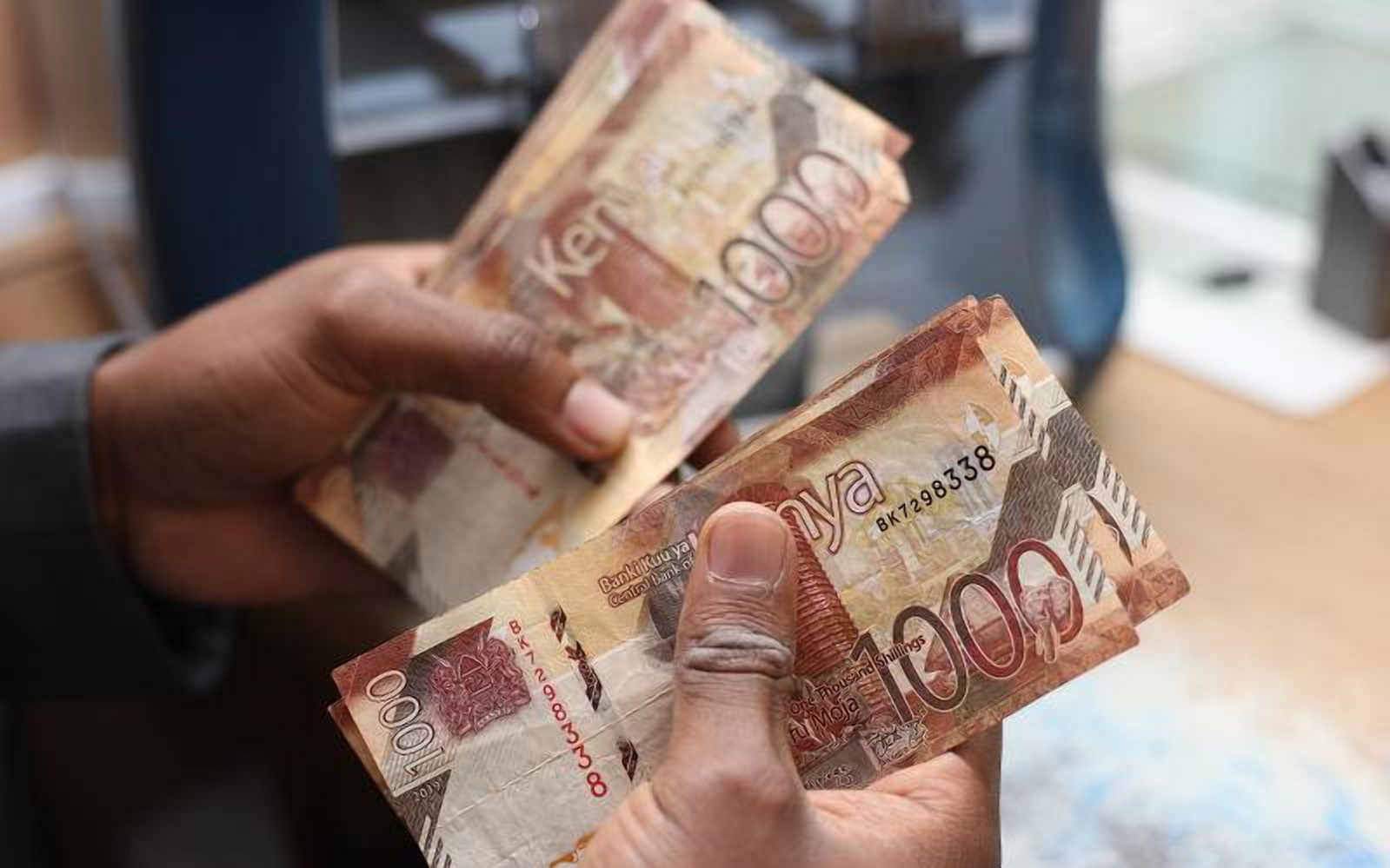
What are some of the things every investor should be on the look out for when buying bonds both from primary and secondary markets? Rhina Namsia, the founder and chief executive officer of The Acemt Consulting, a training and consultation company that provides financial planning and investment advisory, explains the main things every investor should focus on for both primary and secondary purchase of bonds.
PRIMARY BIDDING: (Buying directly from CBK auction)
1). Auction Terms

Coupon rate – fixed or to be determined (for new issues).
Tenor/maturity period – how long your money stays invested.
Minimum investment amount – usually Sh50,000 for infrastructure bonds and Sh100,000
Taxation – IFB is tax-free, others are taxed according to their tenor.
2). Bidding Structure
Competitive vs Non-competitive bid
Competitive: You quote your interest rate (risk of being partially or fully rejected)
Non-competitive: You accept the market rate (always allocated but may be prorated)
Bid cut-off time – ensure you submit before deadline.
3). Pricing
Issued at par, premium, or discount – affects how much you pay.
Discount pricing means you pay less than face value.
Premium pricing means you pay more than face value.
Check pricing formula on the CBK auction notice.
4). Allocation Risk
Not all bids are accepted (especially competitive).
You can be: Fully allocated, partially allocated or unsuccessful
5). Settlement Requirements
Payment date(s)
Ensure funds are available in your bank or broker account.
Late settlement can lead to penalties.
6). Your Bond Strategy
Before placing a bid, confirm: your objective (income, long-term, reinvestment),your risk appetite and whether the bond fits your cash-flow needs.
SECONDARY MARKET: (Buying over-the-Counter via brokers)
1). Current Market Price
Bonds trade at discount, par, or premium.
Market prices change daily.
A higher price reduces your effective yield.
2). Accrued Interest Payable
When you buy a bond mid-cycle, you pay the seller: Clean price + Accrued interest
This affects the total cost of acquiring the bond.
3). Yield-to-Maturity (YTM)
This is the actual return you earn if you hold the bond to maturity.
Compare different bonds using YTM, not coupon rate.
4). Liquidity
Some bonds are actively traded, others are illiquid.
Illiquid bonds are hard to sell quickly or may force you to sell at a discount.
5). Broker Transaction Costs
Brokerage fees apply when buying or selling.
6). Remaining Time to Maturity
Affects: Returns, sensitivity to interest rate changes, accrued interest payable, and liquidity
7). Taxation
Interest from:
IFBs – tax-free
Treasury bonds – taxed Withholding Tax, (10 percent for bonds less than 10 years and 15 percent for bonds more than 10 years)
Tax applies even in secondary purchases.
8). Cash Flow Schedule
Check: next coupon date, Interest cycle (semi-annual) and final maturity amount
This helps plan your cash flow.
9). Clean Price vs Dirty Price
Clean price: Is the price without accrued interest.
Dirty price: what you actually pay (includes accrued interest).
Ensure the broker gives you both
10). Bond Documentation
Ask your broker to show:
Trade confirmation
Pricing sheet
Settlement details
New York Times: How Ruto’s family, allies make profits from sending Kenyans to Saudi
Did you love the story? You can also share YOUR story and get it published on Bizna Click here to get started.