

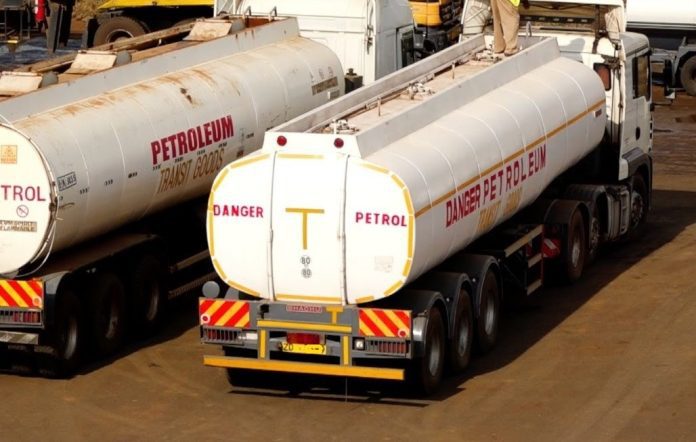
The Energy and Petroleum Regulatory Authority (EPRA) has attributed the latest increase in fuel prices to soaring international petroleum costs, saying that Kenya remains vulnerable to global market fluctuations as the Middle East crisis continues to drive up import expenses.
EPRA Director General Edward Kinyua said September recorded the highest fuel import costs since the crisis began, putting additional pressure on domestic pump prices despite government measures to cushion consumers.
“September has been the worst month ever since this crisis broke,” Kinyua said while addressing the press.

How global fuel prices have changed
According to EPRA, the average landing cost of super petrol rose by 11.81 per cent, from $874.26 per cubic metre in August 2026 to $977.55 in September. Diesel import costs also increased by 11.2 per cent over the same period.
The rising costs have been reflected in the latest fuel price review for October and November, with petrol increasing by Sh12.93 per litre, diesel by Sh9.90 and kerosene by Sh28.49.
Following the adjustments, motorists in Nairobi will pay Sh226.96 per litre for super petrol and Sh227.76 for diesel, while kerosene will retail at Sh219.87 per litre.
Also Read: Dangote Kenya GDR Offer Closing Date Extended to 27 October 2026
Kinyua said the international price of super petrol has more than doubled since the onset of the Middle East crisis, climbing to $1,300 per metric tonne from approximately $600.
To ease the pressure on consumers, the government reduced value-added tax (VAT) on petrol, diesel and kerosene from 16 per cent to eight per cent.
Kinyua said the tax relief has been extended to January 14, 2027, to help limit the impact of elevated international prices on households and businesses.
“The government further reduced the value added tax of super petrol, diesel and kerosene from 16 per cent to 8 per cent to cushion consumers from the adverse effects of the spike in international prices,” he said.
However, the EPRA chief maintained that tax reductions could not fully offset the steep increase in the cost of importing petroleum products, leaving consumers exposed to higher pump prices.
EPRA fuel pricing model
Kinyua also defended the regulator’s approach to pricing kerosene, saying EPRA considers the price gap between the fuel and automotive petroleum products when determining retail prices.
He explained that a significant difference in prices could encourage the adulteration of other fuels with kerosene, a practice that compromises fuel quality and may affect vehicle performance.
The regulator said it is monitoring international market developments that could trigger further price movements. Kinyua noted that October marks the beginning of winter in Western countries, a period when demand for diesel and kerosene typically increases.
Higher seasonal demand could place additional pressure on global petroleum prices, making it more difficult to contain local fuel costs as international markets remain volatile.
“Stabilisation of pump prices remains central to this administration,” Kinyua said, adding that the government is exploring alternative approaches to improve the sustainability of the petroleum sector.
He pointed to major investment initiatives, including the recently launched Dangote East African Refinery project, as part of broader efforts to strengthen the sector and address the effects of international price volatility.
Kenya’s reliance on imported refined fuel leaves local pump prices sensitive to fluctuations in global oil markets, shipping charges and other costs associated with bringing petroleum products into the country.
Also Read: Sun King expands PowerHub Solar Inverter Range to 30kW, Targets businesses and homes