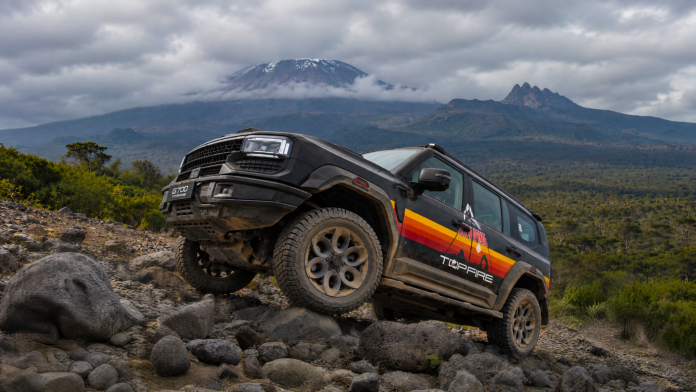
For off-road products, laboratory data can illustrate performance boundaries, but only real roads can prove whether a vehicle can reach its destination. Guided by its Travel+ strategy and its vision to build the world’s No. 1 off-road brand, the JETOUR Africa Expedition convoy will cover a total distance of more than 10,000 km, proving product strength across extreme terrains and conducting extreme-terrain validation around two representative scenarios during the East Africa stage: Mount Kilimanjaro and the East African Rift. The test vehicles, consisting of the JETOUR G700 and F700, have each launched hardcore product tests, taking on challenges such as high-altitude continuous climbing, volcanic gravel terrain traversal, heavy-load gradient climbing and 3.5-tonne towing.
Two Major Hardcore Tests Across Extreme Terrains Become the Biggest Highlight of the JETOUR Africa Expedition
Recently, the JETOUR Africa Expedition convoy entered East Africa, designating Mount Kilimanjaro and the East African Rift as the core test scenarios for this stage, with the G700 and F700 respectively undertaking the two major extreme-terrain validation tasks. For JETOUR, this is not only a long-distance expedition, but also a test to validate product strength across extreme terrains.
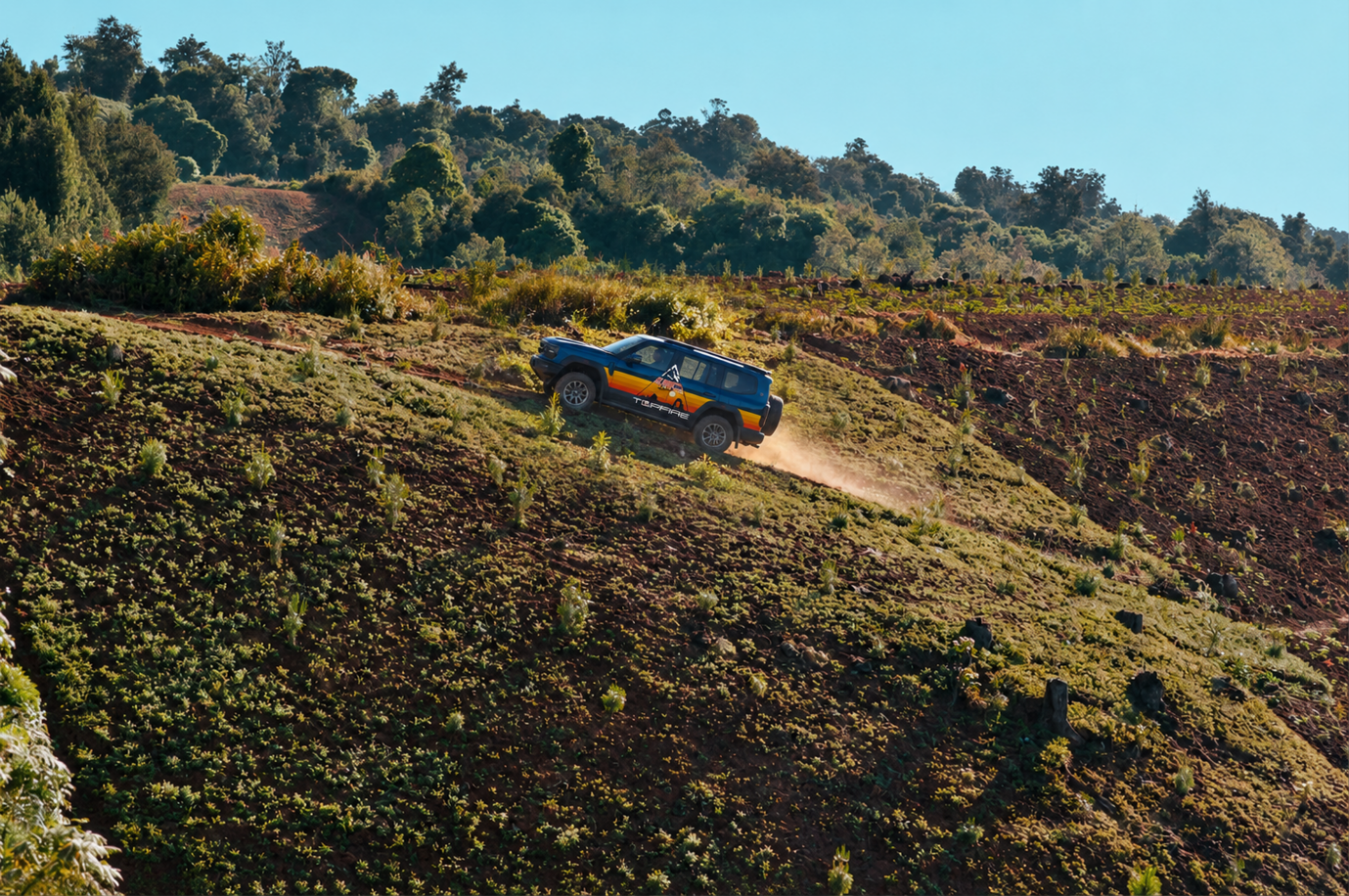

Kilimanjaro: G700 Reaches 3,713.8 Meters, Completes “Four High-Altitude Extreme-Terrain Tests
According to a spokesperson for the JETOUR Africa Expedition team, the G700 took on the high-altitude extreme-terrain challenge of Mount Kilimanjaro, the “Roof of Africa,” validating product strength in real extreme terrains.
Here, the G700 crossed multiple climate zones in succession, completing the”Four High-Altitude Extreme-Terrain Tests”: continuous climbing, high-altitude cold start, volcanic gravel recovery and unpaved-road stability.
Climbing continuously from the foot of the mountain, the G700—equipped with dual-motor four-wheel drive and a 2-speed DHT—completed continuous climbing and a 45-degree gradient challenge in a high-altitude, low-oxygen environment, eventually reaching the highest point accessible to the vehicle at 3,713.8 meters. The vehicle was then left to stand in the low-temperature environment at 3,713.8 meters and completed a high-altitude cold start, validating PHEV system wake-up and the coordinated performance of the 2.0TD engine, battery, electric motors and electrical system.
After entering the volcanic gravel area, the G700 relied on its 230mm minimum ground clearance, 35-degree approach angle and 28-degree departure angle to recover from complex terrain. On the unpaved roads of the highland permafrost, its front and rear double-wishbone independent suspension further tested suspension movement, tire contact and body posture control. Facing a constantly changing environment, the G700 completed all tests while maintaining a stable and composed body posture.
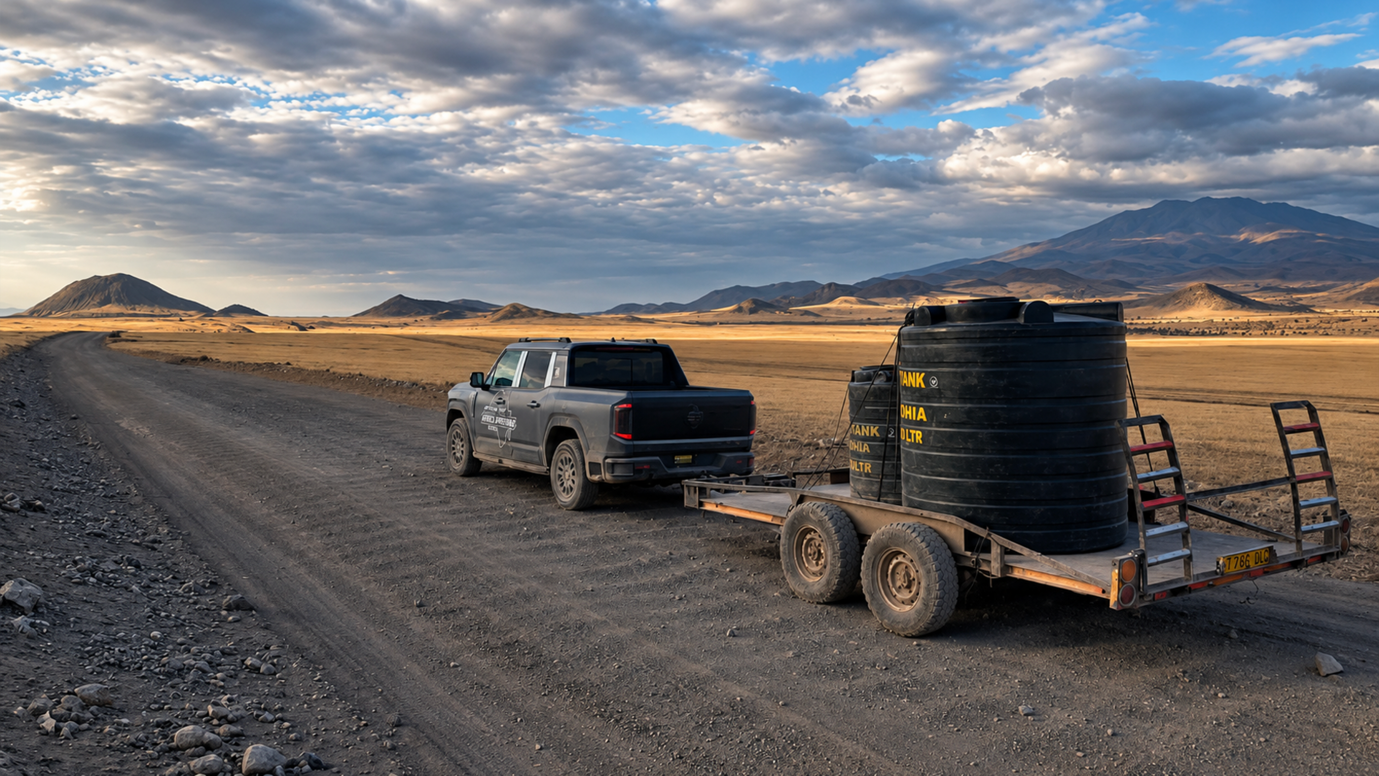
East African Rift: F700 Excels in 3.5-Tonne Towing and Progressively Increasing Load Tasks
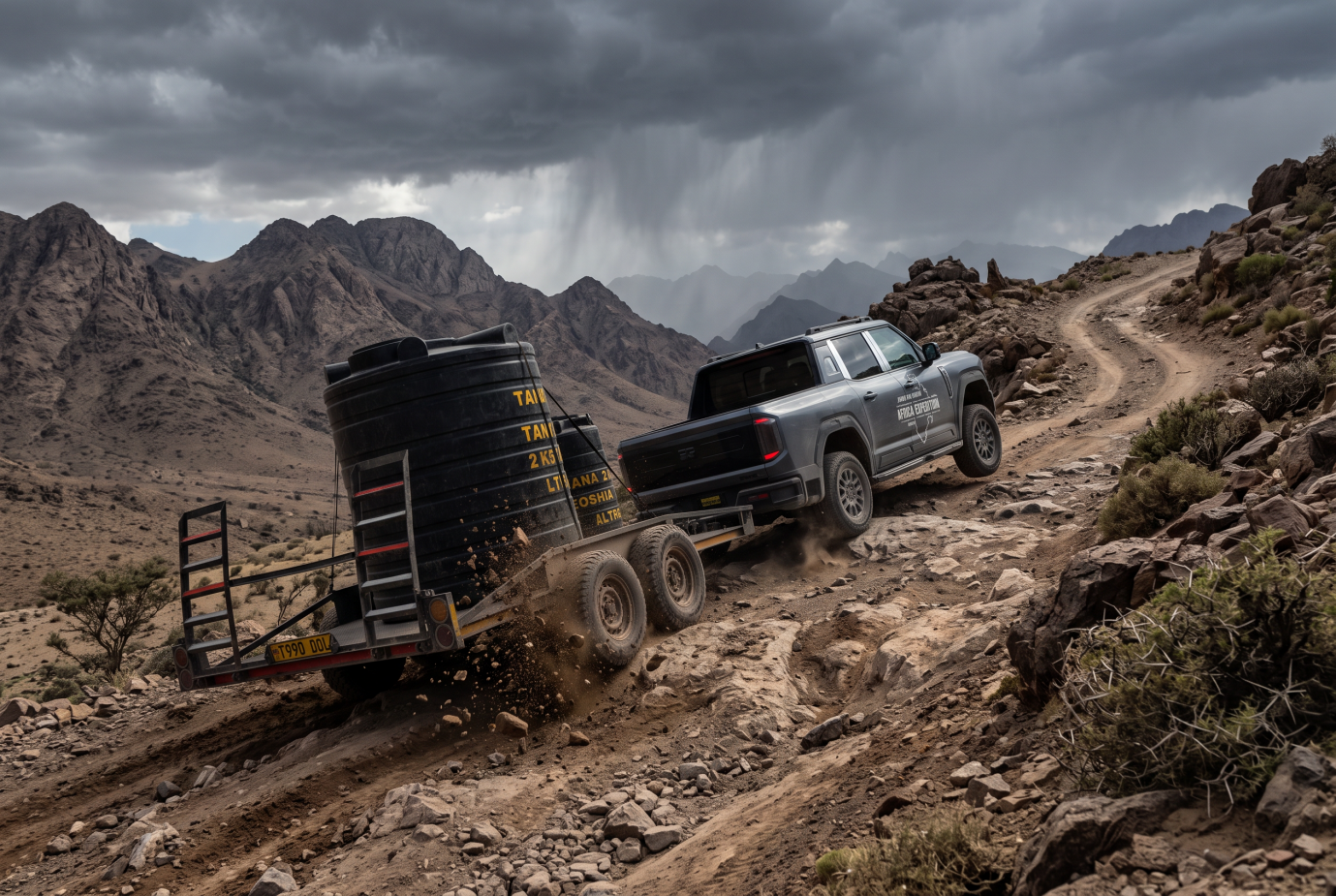
JETOUR stated that the dedicated test at the East African Rift was completed by the JETOUR F700. As a professional off-road pickup, the F700 features body-on-frame construction, dual-motor hybrid four-wheel drive, front and rear double-wishbone independent suspension, a maximum gradability of 45 degrees, a maximum wading depth of 900mm and a maximum towing capacity of 3,500kg, providing solid support for progressively heavier tasks.
This was a continuous test with ever-increasing loads: after completing a 0-100 km/h acceleration test, the vehicle added payload and continued climbing under load; after completing the loaded challenge, it hitched a 3.5-tonne trailer and completed a hill start, stable driving and controlled descent. The test rigorously validated the F700’s performance in power output, body posture, braking stability and towing capability. In addition, the F700 is equipped with an 800V architecture and 175kW fast charging, paired with a 100L fuel tank; its WLTC combined range reaches 900km, giving the F700 stable output and range assurance for long-distance expeditions and continuous heavy-load tasks.
From continuous high-altitude climbing to progressively increasing loads, the G700 and F700 each completed targeted tests in two major extreme-terrain scenarios; they will continue to face the test of real African roads during the overall expedition. For JETOUR, Africa’s diverse and real roads and environments are the best scenarios for validating product strength, understanding local needs and building vehicles for African users. This series of practices also serves a longer-term goal—JETOUR stated that its vision is to build the world’s No. 1 off-road brand.
Travel+: Arriving Locally, Connecting Locally
Travel+ is not just about traveling to more places; it means building connections with different natural environments, cultures and people through travel. While exploring Africa’s natural geography and culture, JETOUR also participates in local communities based on real local needs. It has carried out community support in Angola, supported primary school education in Zimbabwe, focused on village development in Zambia and supported employment for people with disabilities in Tanzania, making every arrival a real connection. This is also a concrete manifestation of the “In Africa, For Africa, Be Africa” philosophy: JETOUR not only comes to Africa and serves Africa, but also hopes to integrate into Africa and grow together with local communities.
As of 2026, JETOUR has been in Africa for seven years, with cumulative sales exceeding 130,000 units. From the high-altitude challenge of Mount Kilimanjaro to the progressively increasing load tasks in the East African Rift, JETOUR is proving product strength across extreme terrains and continuously calibrating its products against real African scenarios.
The next stretch of road will bring new environments, new challenges and new answers. JETOUR will continue to prove its product strength on real roads and advance toward its vision of building the world’s No. 1 off-road brand.