

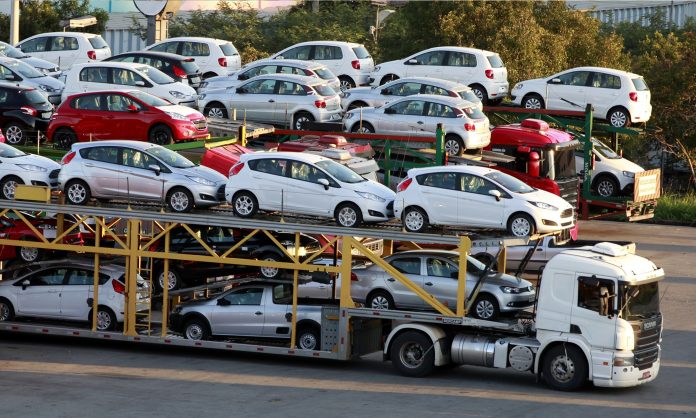
Kenya’s appetite for motor vehicles continues to outpace the country’s capacity to produce them locally, leaving imports as the main source of cars on the roads.
A limited domestic vehicle manufacturing base, coupled with growing demand for personal and commercial transport, has made the import market an important part of Kenya’s automotive sector.
The country is among the world’s major destinations for used vehicles. Global trade data ranks Kenya as the 93rd-largest importer of cars and the 12th-largest importer of used vehicles.

The value of car imports rose to about $1.25 billion in 2025, representing a 20 per cent increase from the previous year.
For many Kenyan buyers, importing a vehicle is attractive because it provides access to a wider range of models and specifications at prices that can be more competitive than locally available alternatives.
Japan remains the dominant source
Japan has retained its position as Kenya’s principal source of imported vehicles, accounting for about 75.6 per cent of total car imports, according to Global Trade data.
The popularity of Japanese vehicles is largely linked to their reputation for reliability, relatively affordable maintenance and availability of spare parts in Kenya.
Japanese manufacturers also offer models suited to Kenyan driving conditions, from compact cars for urban use to four-wheel-drive vehicles for longer-distance travel.
Toyota remains one of the most sought-after brands, with models such as the Toyota Fielder, Axio, Harrier, RAV4 and Land Cruiser popular among different categories of buyers.
Nissan and Mazda also have a substantial following, while models such as the Nissan Note, X-Trail and Mazda Demio feature prominently in the used-car market.
The choice of vehicle is increasingly influenced by fuel economy, engine size, ground clearance, availability of spare parts and resale value.
Regulations for importing a car in Kenya
Kenya has set strict rules for importing motor vehicles, with all vehicles required to meet specific safety and roadworthiness standards before they are registered for use in the country.
The applicable standards are administered by the Kenya Bureau of Standards (KEBS) under the Verification of Conformity to Standards requirements and the relevant Kenyan standards for road vehicles.
According to KEBS, an imported car must generally be less than eight years old from the year of first registration.
The vehicle must also be right-hand drive. Left-hand-drive vehicles are generally not eligible for ordinary importation and registration in Kenya, subject to specific exemptions provided under the applicable rules.
In addition, an imported vehicle is required to undergo a pre-shipment roadworthiness inspection by an inspection agent appointed by KEBS in the country of export.
Documents needed for clearance
According to Kenya Revenue Authority (KRA), to successfully clear a vehicle through Kenya Customs, an importer must engage a licensed clearing agent.
Required document include the original commercial invoice, which establishes the transaction value, and the vehicle’s original foreign logbook.
“Original Logbook from the country of importation that has been cancelled from the country of origin, as this will be required by National Transport and Safety Authority to give you an original Kenyan Log Book,” KRA states.
Other important documents include the original bill of lading, which provides evidence of shipment, and the pre-shipment inspection or roadworthiness certificate.
An individual importer also needs a copy of their Kenya Revenue Authority PIN certificate. Where the importer is a company, the relevant company registration and incorporation documents are required.
Taxes
The cost of importing a vehicle extends well beyond the price paid to the overseas seller. Importers must account for customs duties and other government charges when calculating the final landed cost.
The standard import duty is 25 per cent, while ambulances and hearses may qualify for a zero-duty treatment under the applicable provisions.
Excise duty depends on the vehicle and its engine capacity, with rates ranging from 20 per cent for smaller-engine vehicles to 25 per cent for larger engines under the rates set out in the applicable tax framework. Value Added Tax (VAT) is charged at 16 per cent.
Other charges include the Railway Development Levy at 2 percent and the Import Declaration Fee at 3.5 percent.
These charges are calculated with reference to the vehicle’s customs value and, where applicable, its CIF value—the combined cost of the vehicle, insurance and freight to Kenya.
Also Read: Decoding Kenya’s number plates: What the letters and colours really mean