Home Blog Page 132

SA deports Kenyans processing white South Africans’ refugee applications for US

South Africa has arrested seven Kenyans processing refugee applications filed by white South Africans for the United States government. Following their arrest, South Africa has announced that these Kenyans will now be deported.

According to a government statement, the seven Kenyans had entered South Africa on tourist visas. They had then illegally taken up work at a US gov’t refugee processing centre in the country without obtain work visas.

Apparently, this was despite an earlier application for work visas by Kenyan nationals for the processing of these visas was denied by the South African government.

“The presence of foreign officials apparently coordinating with undocumented workers naturally raises serious questions about intent and diplomatic protocol,” a statement by the Ministry of Home Affairs said.

Following the arrest, the United States has now asked for an explanation from the South African government, accusing it of interfering with its refugees application process.

“We’ll have more to say once all the facts are confirmed, but the Trump Administration will always stand up for US interests, US personnel, and the rule of law,” State Department principal deputy spokesperson Tommy Pigott told the CNN.

The arrest and deportation of Kenyans marks the second time that Kenya is finding herself in the middle of a diplomatic row with SA.

In November, a chartered plane carrying 153 Palestinians was mysteriously cleared to use the Jomo Kenyatta International Airport (JKIA) as a stop-over before heading to South Africa.

The Palestinians who were aboard the plane had left the embattled Gaza and crossed into Israel. In Israel, they were put on the chartered plane at Ramon Airport on Wednesday by Israeli officials and members of what has been termed as a ‘shadowy organization’.

The chartered plane then took off and headed southwards. It landed at the JKIA, from where it later took off from, eventually landing at the Oliver Tambo International Airport on Thursday morning.

“These are people from Gaza who somehow mysteriously were put on a plane that passed by Nairobi and came here,” South African President Cyril Ramaphosa said.

The Kenyan government including agencies running the Jomo Kenyatta International Airport have remained mute over the incident.

READ MORE: Mystery Gaza plane with 153 Palestinians at JKIA stirs diplomatic row

Trump adds Tanzania, Nigeria to list of countries with US visa restrictions

The administration of the United States President Donald Trump has added Tanzania to a list of countries facing US visa restrictions. In addition, the US government has banned an additional five countries from getting any types of US visas.

In the proclamation order that was issued by the White House on December 16, 2025, Burkina Faso, Mali, Niger, South Sudan, and Syria were added to the list of banned countries which includes Afghanistan, Burma, Chad, Republic of the Congo, Equatorial Guinea, Eritrea, Haiti, Iran, Libya, Somalia, Sudan, and Yemen.

The proclamation then added 15 additional countries to the list of countries with visa restrictions.

“The [proclamation] adds partial restrictions and entry limitations on 15 additional countries: Angola, Antigua and Barbuda, Benin, Cote d’Ivoire, Dominica, Gabon, The Gambia, Malawi, Mauritania, Nigeria, Senegal, Tanzania, Tonga, Zambia, and Zimbabwe,” the proclamation that was issued by the White House stated.

The restrictions would impact applications from immigrants and non-immigrants on B-1, B-2, B-1/B-2, F, M, and J Visas. On the restrictions slapped on Tanzania, the White House said that Tanzanians had demonstrated a tendency for overstaying their visit visas.

“According to the Overstay Report, Tanzania had a B-1/B-2 visa overstay rate of 8.30 percent and an F, M, and J visa overstay rate of 13.97 percent,” the proclamation stated.

Nigeria was cited for acts of terror which have been creating vetting and screening difficulties. In addition, the West African nation was also cited for having substantial overstays.

“Radical Islamic terrorist groups such as Boko Haram and the Islamic State operate freely in certain parts of Nigeria, which creates substantial screening and vetting difficulties,” the proclamation stated.

“According to the Overstay Report, Nigeria had a B-1/B-2 visa overstay rate of 5.56 percent and an F, M, and J visa overstay rate of 11.90 percent.”

Nonetheless, the White House proclamation stated that the restrictions would have exceptions for lawful permanent residents, existing visa holders, certain visa categories like athletes and diplomats, and individuals whose entry serves US national interests.

READ MORE: US starts to review all issued visas for potential cancellations

Pepsi Kenya unveils Shs30M ‘Fizzmas’ Campaign

0

Pepsi Kenya has rolled out Fizzmas, a Shs30 million festive campaign designed to immerse Kenyan consumers in premium, high-energy experiences throughout December. Guided by the season’s core message, “Everything Else Can Wait, It’s Christmas” — the campaign positions Pepsi at the heart of the country’s busiest social, travel and retail moments.

Fizzmass is anchored in experiential value, bringing Pepsi’s full beverage portfolio directly to consumers through cultural events, mall takeovers, travel corridors and strategic foodservice partnerships. This year’s rollout expands Pepsi’s presence across entertainment venues, high-footfall retail environments, and holiday travel routes, creating a seamless festive footprint powered by Pepsi, Mirinda, Aquafina and Sting Energy.

Speaking during the launch, John K’Otieno, SBC’s Country Manager, emphasized Pepsi’s intent to amplify how Kenyans celebrate the festive season.

Speaking during the launch, he said: “Fizzmas is built to meet Kenyans where they already are; at concerts, in malls, on the road and in shared social spaces. This season is about fun, connection and shared experiences, and instead of asking consumers to participate in mechanics, we are giving them better environments, better access and better moments as they come together to enjoy a great Christmas.”

As part of the expanded footprint, Pepsi has activated partnerships with Simbisa Brands; including Pizza Inn, Chicken Inn and Galito’s ensuring Fizzmass is felt across popular dining and takeaway hubs nationwide. Pepsi is also working closely with Shell petrol stations, engaging holiday travellers with refreshing product experiences and festive sampling along key routes.

Coca-Cola launches new beverages in Kenyan market

Beyond partnerships, Pepsi is strengthening its visibility at major cultural moments across Nairobi, while simultaneously deepening presence in malls and high-traffic retail centres across Galleria, The Junction, The Hub Karen, Garden City, Two Rivers and select hypermarkets. The campaign blends entertainment, sampling and lifestyle touchpoints to deliver a consistent, scalable festive presence.

From a business and product standpoint, Martin Kariuki, SBC Kenya’s Business Development director, highlighted the campaign’s role in consumer recruitment and nationwide access.

“Fizzmas allows us to reach new consumers where they already are on the road, at events, in restaurants and across communities. Our portfolio has something for everyone, from Mirinda mixers to Aquafina and high-energy Sting variants, and the festive season gives us the perfect window to introduce our brands to millions of Kenyans.”

Fizzmas runs alongside the ongoing Kunywa Airtime na Pepsi Millennium Campaign, which continues to reward consumers with airtime, data and mobile money from participating bottles, extending the value exchange beyond physical experiences.

The campaign will run through the festive period into early January, coinciding with travel peaks, family gatherings and the back-to-school window. With Kenya’s soft drinks market valued at over US $3.74 billion, Pepsi’s December strategy underscores its commitment to growing local market share, expanding nationwide distribution and strengthening cultural relevance across generations.


Safaricom green bond dominated by individual investors, majority paid through M-PESA 

0

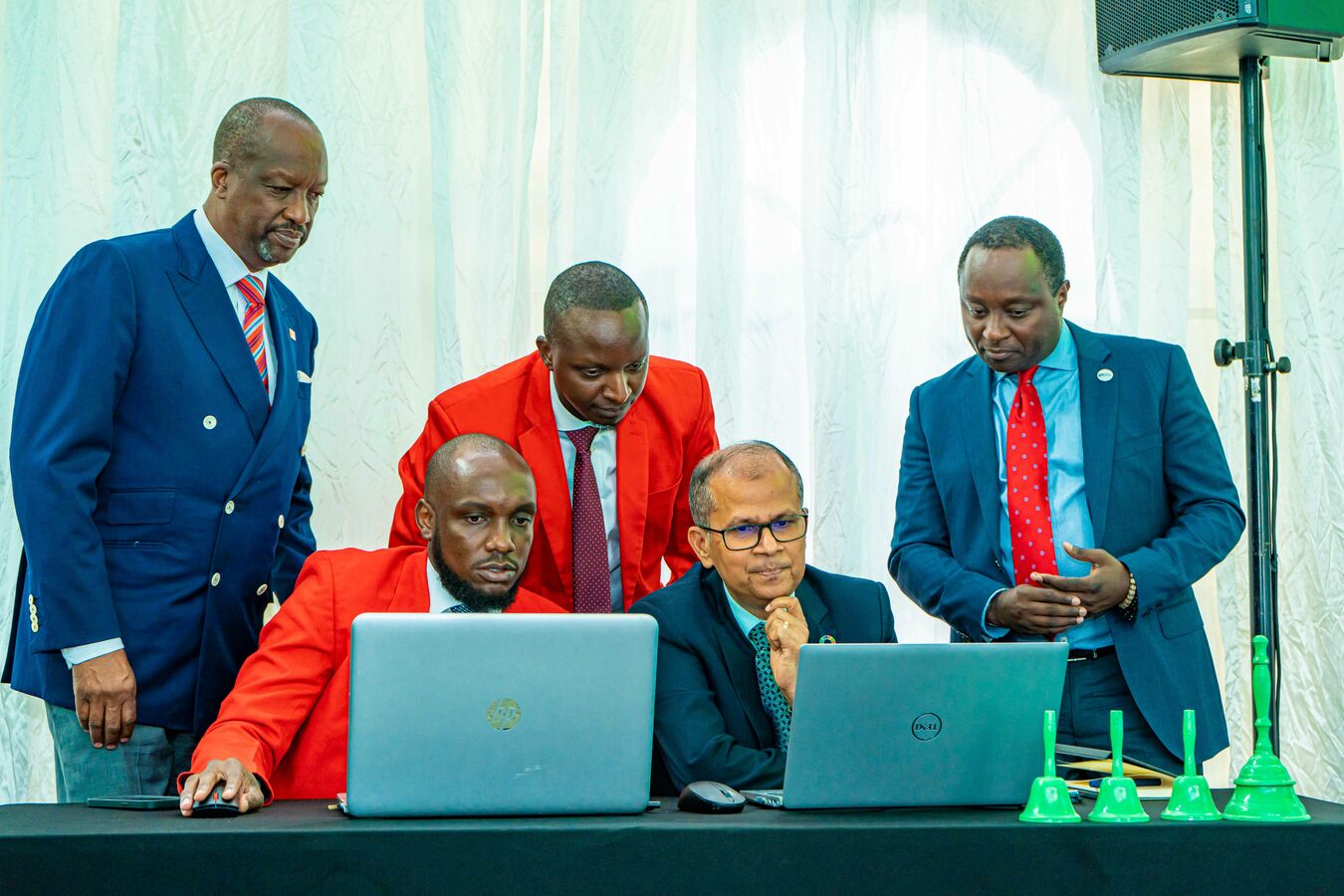
Safaricom PLC today marked the formal listing of its Green Bond at the Nairobi Securities Exchange (NSE), with 2,453 individual investors accounting for 96 per cent of the applications.

Applications through USSD and payments via M-PESA accounted for 59 per cent of the applications as the bond introduced new market standards by prioritising innovation and accessibility.

Safaricom will now take up KES20 billion in the first tranche of the Domestic Medium-Term Note programme, about half of the KES41.4 billion in applications, which represents an oversubscription of 175 per cent in what is now Kenya’s largest Green Bond issuance.

The listing, celebrated through the NSE bell-ringing ceremony, represents Safaricom’s deliberate return to the capital markets and the first issuance under its Medium-Term Note (MTN) Programme, anchored in the company’s Sustainable Finance Framework.

“This transaction demonstrates what is possible when local capital markets are deliberately and thoughtfully engaged. It is a clear vote of confidence in our fundamentals, strategy, and long-term outlook, and a strong signal of confidence in the depth and resilience of Kenya’s capital markets,” said Dilip Pal, Safaricom PLC Group Chief Finance Officer.

Safaricom: 25 years of touching lives and small businesses

The Green Bond reflects a strategic shift in how Safaricom funds its growth, positioning capital markets as a scalable and sustainable source of long-term financing alongside traditional funding avenues. It also signals Safaricom’s intention to be an innovative, disciplined issuer aligned with the long-term development of Kenya’s capital markets.

Dilip said the proceeds will finance investments that support an energy-efficient digital future, including 5G deployment, solarisation of network sites, and the transition from legacy technologies to cleaner, more efficient solutions.

Beyond Safaricom, the listing affirms the capacity of Kenya’s capital markets to mobilise long-term capital for productive investment and reinforces the role of sustainable finance in supporting national development priorities.

The company reaffirmed its commitment to deepening participation in capital markets through continued innovation. Initiatives such as Ziidi, Safaricom’s mobile money market fund, have already lowered barriers to saving and investing by bringing capital markets products closer to everyday Kenyans. Safaricom indicated it will continue exploring new ways to expand access and drive financial inclusion.

The green bond is now listed and available for trading on the Nairobi Securities Exchange.

Allan Kilavuka leaves KQ, Captain George Kamal named new Acting CEO

0

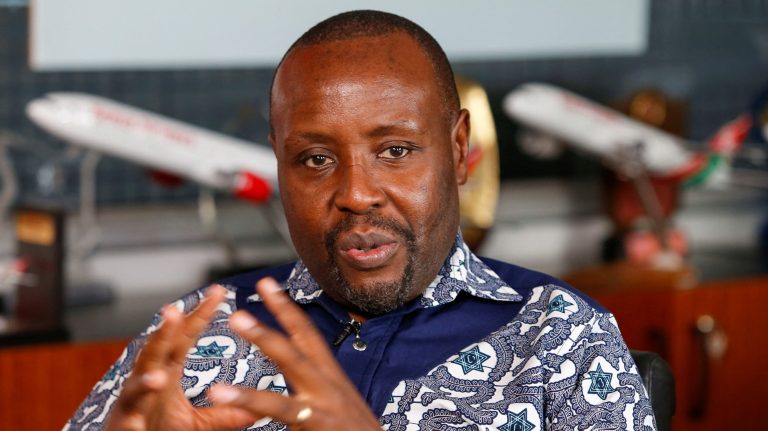
Allan Kilavuka has left Kenya Airways after serving as the Group Managing Director and Chief Executive Officer for a period of six years. His exit was announced by the national carrier on December 16, 2025.

“The Board of Directors of Kenya Airways Plc… announces that Mr. Allan Kilavuka will be exiting the company… following his service at the helm of the airline’s executive leadership for a period of six years,” the national carrier announced.

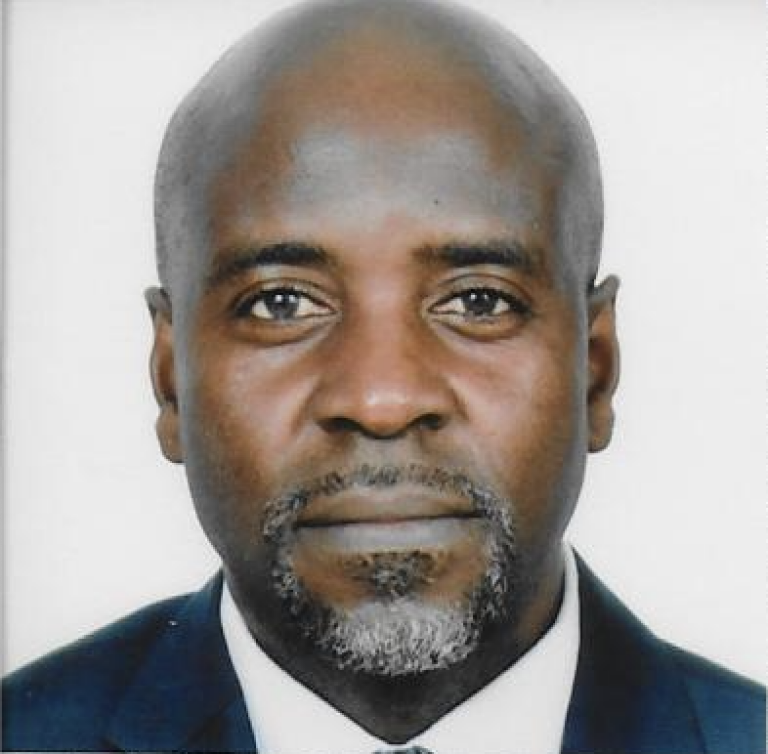
Following his exit, Kenya Airways has appointed Captain George Kamal as the acting Managing Director and chief executive officer. Mr. Kamal has been serving as the company’s Chief Operating Officer (COO).

“Captain Kamal is a distinguished aviation executive with over 29 years of leadership experience across the Middle East and African markets. Rising from frontline operations to the C-suite, he has led the transformation of several airlines through senior executive roles,” the national carrier stated.

“He has most recently served as Operations Director at Air Arabia, and as Chief Operations & Executive Officer at Iraqi Airways.”

Captain takes the new role as a holder of a PhD in Business Administration and a Master’s degree in Aviation Management.

READ MORE: Inside Safaricom’s 25 years of touching lives and small businesses  

In his message to Kenya Airways employees, Kilavuka explained that he will be on retirement leave until his official retirement date of March 31, 2026.

“Today marks my last day of active duty… It has been an extraordinary six-year journey. I am genuinely proud and continually amazed by how much we have accomplished as one team. Together, we have transformed our airline into a resilient, respected and award-winning airline,” he said.

Kilavuka leaves the airline as the first CEO in over a decade to see the carrier return a profit, a fete that was achieved in 2024 when Kenya Airways made its first net profit of SH5.4 billion for the first time in over eleven years. In that year, KQ also recorded the highest revenue, passenger numbers and freight volumes in its history.

Leonard Khafafa: Five travel hacks for when you did everything right and the airline didn’t

0

Disruptions have now become the uninvited yet stubbornly permanent guest at the post-COVID air-travel banquet. According to FlightAware, the skies now host an average of some 5600 daily delays and 340 cancellations worldwide, a statistical reminder that punctuality, like checked luggage, is no longer guaranteed to arrive with you.

Many flights fall victim to forces beyond mortal persuasion such as inclement weather. Others are waylaid by the aviation industry’s ongoing supply-chain malaise, which has throttled the production of both aircraft and the parts required to keep them obediently airborne. At present, roughly 17,000 aircraft sit on order from the reigning duopoly of Boeing and Airbus, presumably forming the world’s longest and least comfortable list.

While these tribulations lie well beyond the jurisdiction of the average traveller (who lacks both meteorological authority and a spare aircraft factory), there remain five clever stratagems one can employ to soften the sting of delays and cancellations and perhaps emerge with one’s sanity intact. Here they are.

  1. Whether your journey is a fleeting overnight escape, a leisurely holiday of some duration or a multi-day business expedition, it is prudent to tuck a change of clothing and essential toiletries into your carry-on. Such foresight may prove invaluable should your beverage develop ambitions beyond the glass and make a bid for your impeccably tailored suit. Or should your checked luggage decide to pursue its own independent travel itinerary. Carry-one weight varies between airlines ranging from 7kgs to 12kgs.
  2. Budget fares, alluring though they may be, arrive hand-in-hand with terms and conditions carved in stone rather than pencil. One must therefore be unwaveringly certain of one’s travel intentions, both on the grand departure and the triumphant return, and under no circumstances be tempted to “skip” a sector however mischievous the idea may seem.
  • Attempts to tamper with an already issued ticket can awaken penalties of heroic proportions, occasionally rivalling the cost of purchasing an entirely new ticket for one’s troubles. As for skiplagging, that particular act of aviation bravado may render the entire ticket null and void, and in certain jurisdictions, invite consequences more severe than a stern look – indeed, it may even be regarded as fraud. Proceed wisely; the airfare gods are not known for their sense of humour. Airline terms and conditions are found within the booking process with fare rules shown during purchase and on one’s e-ticket/confirmation.

Seven golden rules of air travel

  1. Wherever the powers that be permit it, cultivate the noble habit of online check-in. It not only guarantees you a seat but may also grant you the small, civilized joy of selecting your preferred throne in the sky. Should online check-in be denied you, present yourself at the airport counter several hours before your international departure, bright-eyed and punctual. During bustling seasons, December being a prime offender, airlines may overbook by as much as 10 per cent. In these Darwinian moments of modern travel, seats are awarded on a strictly first-come, first-served basis and lateness is rarely forgiven. International flight check-in counters typically open 3 hours before departure and close 1 hour before the flight.
  2. To the intrepid flyer, travel insurance is not a polite recommendation. It is an article of faith. It stands ready to rescue one from the cruel whims of fate, should a journey be cancelled, curtailed or otherwise sabotaged by forces beyond mortal control. It soothes the sting of prepaid, non-refundable expenses such as flights that never flew, hotels that never hosted or tours that never toured, by ushering in the blessed relief of reimbursement. And since one’s domestic health insurance often refuses to cross international borders, travel insurance gallantly steps in to shoulder the burden of physician’s fees, hospital bills, prescription portions and even the drama of an emergency medical evacuation, whisking the traveller to a suitably competent medical sanctuary. Most international airlines in conjunction with partners offer travel insurance.
  3. Most international airlines, Kenya Airways proudly among them, conduct their affairs under the august guidance of the International Civil Aviation Organisation, whose conventions govern the noble arts of flight rescheduling, ticket endorsements and refunds. Certain jurisdictions, in a fit of extra generosity, go further still, compelling airlines to offer mandatory financial compensation when delays dare to overstay their welcome. For the truly devoted reader, ahem, flyer, the KQ Conditions of Carriage repose on the airline’s official website and contain all the fine print one could possibly desire for a well-informed journey.

As the festive season approaches in all its sparkle and splendour, prudence suggests booking early and arriving punctually, lest time decides to play tricks on you. And should an unforeseen snafu intrude, as it so often does, meet it with a radiant smile and the comforting knowledge that, after all, “tis the season to be jolly.”

Safaricom: 25 years of touching lives and small businesses

0

On November 3, 2025, at around 1.30am, Judy Okeyo arrived at Harmony Medical Clinic in Nakuru County a worried mother. Her fourteen-month baby had come down with sudden fever that wouldn’t drop with over-the-counter paracetamol medication she had stored at home.

“I grabbed my phone, called for a taxi and dashed my daughter to hospital. Her eyes had started to turn inwards. Her feet and hands were getting cold even though she had a very high fever,” she says.

Okeyo, who runs a hotel business around one of the local matatu terminals in Nakuru town, says that it was only after seeing a doctor that she remembered that she had not paid for the taxi.

“The driver was kind enough to see a mother in panic. He did not rush me to pay him. He waited and made sure that my baby had been stabilized before he asked for his pay,” she says.  “I didn’t have cash on me. I asked if he could accept an M-Pesa transfer and he offered me Pochi la Biashara,” says Okeyo. “I paid Sh1,500 for the taxi.”

Laboratory tests established that her daughter had a bacterial infection. “We were treated and released the following day at noon with medications and follow up clinics. The medical bill was Sh6,500. I had a balance of Sh4,800 which I topped up with a Fuliza credit of Sh1,700,” she says.

Ms. Okeyo is one among the more than 50 million of Kenyans whose daily lives have become integrated with Kenya’s leading telecommunications firm, Safaricom, over the past 25 years.

Started in October 2000, Safaricom has not only grown into the biggest company in East and Central Africa; it has also evolved into a way of life for ordinary Kenyans and their businesses. In fact, when Bizna Kenya visited Ms. Okeyo at her place of work, one of the most prominent things we noticed were the Lipa Na M-Pesa and Pochi la Biashara tags that she had strategically placed on tables for customers to settle their bills with.

Eliud Wanjiru, a business development consultant and financial markets analyst based in Nairobi, points out that Safaricom’s integration into the daily economy has made the organization a conduit of success for small and medium enterprises.

“A couple of years ago, every entrepreneur had to contend with cash transactions; moving from business to bank. This has now changed. Virtually all businesses now come with an option to transact via mobile money, a space that is dominated by Lipa Na M-Pesa which was started in 2013 and other Safaricom Paybill options,” says Mr. Wanjiru.

“The admirable thing is that this integration has profoundly boosted micro small and medium enterprises which account for up to 98 percent of all businesses, create 30 percent of all jobs annually and contribute 40 percent to the country’s GDP.”

His sentiments resonate with the experience of Ms. Okeyo. She remembers that when she started her business about eight years ago, it was common to have one employee running up and down in search of loose change. “It was a disturbing inconvenience both to the business and to the customers, especially during peak lunch hours. This is a high traffic environment and nobody has the time to wait as you seek for loose change; they will prefer to go to establishments that don’t have cashflow problems,” she says.

Things have changed since she adopted the various forms of payments offered on M-Pesa. “Everybody has moved to M-Pesa. We very rarely receive cash payments.” She adds that this has not only made her operations more efficient, but has also enhanced her bookkeeping. “I am able to get an M-Pesa transaction statement whenever I want, which has made tracking inflows and outflows much easier.”

This ease of doing business is the fruit of the telecommunication evolution that began in 2000 when Safaricom entered the scene. Back then, Kenya was attempting to break away from the traditional landline connectivity. The country had 23,757 mobile connections with a network connection capacity of 24,000.

“To set off, Safaricom took in 17,000 customers from the government’s Telkom and an investment of Sh2.06 billion from Vodacom,” says Mr. Wanjiru. “It also launched at a time when rivals such as Kencell had already gained traction in the mobile market.” Its entry, though, was a major relief to consumers. “At the time, Kenyans were billed per minute. Safaricom introduced per second billing and prepaid services. This allowed mobile users to spend on what they had,” says Mr. Wanjiru.

Over the next few years, Safaricom concentrated its investment on building a network infrastructure that saw base transmission stations and airtime outlets set up in most parts of the country. By May 2013, Safaricom had over 250,000 retail outlets for selling airtime.

“The idea was that Kenyans could obtain Safaricom services wherever they turned. This made the colour green synonymous with Safaricom services,” says Mr. Wanjiru. “25 years later, what we have is a company that has enabled Kenyans to meet their daily needs such as paying electricity bills, shopping, paying court fines, utility bills, and even sending relatives money, all with the touch of a mobile button. They have basically brought the solution to the consumer’s finger tips.”

Safaricom has responded to growing usage and needs with improved offerings including increased transaction limits. For instance, in August 2023, Safaricom more than tripled the daily transaction limits on its mobile money platform to Sh500,000. At the same time, Safaricom also allowed individuals and businesses to hold half a million shillings in their M-Pesa wallets.

“The increased account limits provide customers and especially small businesses with increased convenience as the share of cashless transactions continues to rise,” says Safaricom chief executive officer Peter Ndegwa.

An analysis by Bizna Kenya has further shown that over and beyond innovative business and personal financial solutions, Safaricom has sent out over Sh1 billion in appreciation rewards to customers over the past two and a half decades.

“The company’s first major promotion was in 2001. It offered subscribers a chance to win brand-new Volkswagen Beetles,” says Samson Kibet who is a marketing consultant and market trends analyst. “About ten years later, Safaricom had the Masonko na Safaricom which was made up of a Sh150 million prize pool.”

In 2020, the company marked 20 years with a Sh250 million campaign dubbed Shukrani Kocho Kocho Kenya Nzima! Over the last 25 years, some of the main promotions the company has used to rewards its customers have included Shine Kenya Shinda Mamilii Kama Bingwa, Stori Ibambe, Shinda Ma Mili na Stori Ibambe, Masonko na Safaricom, Shukrani Kocho Kocho Kenya Nzima, and Gomoka na Go Monthly.

Currently, Safaricom is running the Shangwe@25 campaign to appreciate its customers for their continued support and loyalty over the last 25 years. This campaign started on October 31, 2025 and shall run until January 19, 2026.

A spot check by Bizna Kenya shows that Kenyans have been receiving cash rewards, TukTuks, home accessories, free minutes, free SMSes, and free data. In addition, 25 Kenyans are set to walk home with Sh1 million cash rewards. They will also be asked to nominate a community project in their areas which shall be awarded Sh250,000.

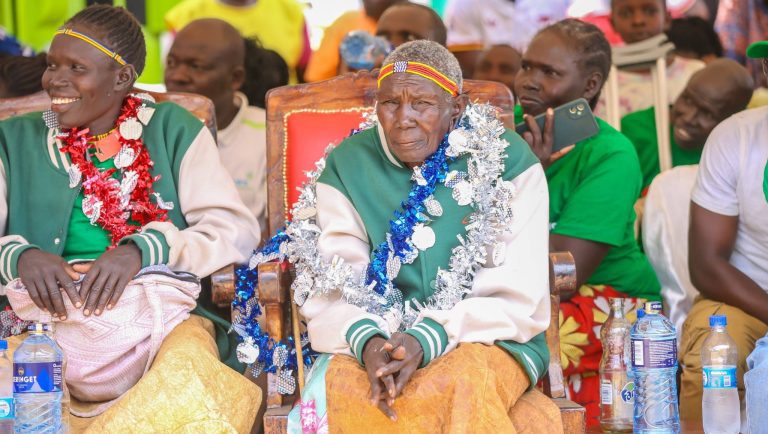
For instance, when 85-year-old Talaa Chelangaa from Songeto in Elgeyo Marakwet was awarded with Sh1 million, she nominated Songeto Primary and Junior School from her home area to receive the Sh250,000 community prize for desks and lockers.

“My daughter is the one who received the call from Safaricom telling her that I had won Sh1 million. I will now use this money to buy land. My message to Safaricom is a heartfelt thank you. I also want to pass my blessings to Safaricom. May God bless you as He has blessed me,” said a jovial Mrs. Talaa.

The life-changing award was clear for all to see. Mrs. Talaa has been living in a desolate iron sheet room in Songeto which was erected next to mud huts. She had no electricity, no tables and no chairs. The toilet in her home compound had no doors. It was covered in gunny bags that flapped over and over in the winds of Songeto.

Samson Koiyet, a farmer based at Songich Farm in Ainabkoi Constituency in Uasin Gishu County is another beneficiary. He has received a brand new TukTuk from Safaricom.

“This is a machine that we have been looking forward to buy. However, it seemed out of reach for us due to its cost which was very high. This reward is truly a landmark that will make our work more efficient at this farm,” he says.

Koiyet says that he has employed a number of farmhands at his farm. He has been paying them using M-Pesa, which has been more convenient than traveling to town to make bank withdrawals.

According to Safaricom, Shangwe@25 is about creating real opportunities for businesses across Kenya. “We recognize and celebrate hardworking entrepreneurs whose everyday use of Safaricom business solutions is now opening new doors for growth,” Safaricom states.

Safaricom Shangwe@25: How to participate and become a millionaire

Payslips pain as mandatory NSSF contributions to go up in February 2026

0

Mandatory contributions to the National Social Security Fund (NSSF) are set to to increase from February 2026. The mandatory NSSF contributions will see payslips weaken by as much as Sh1,512, which will be the highest extra amount that some workers will have to pay.

This increase in the mandatory NSSF contributions will mark the fourth year in which the contributions have gone up. In 2022, the contributions increased to a maximum of Sh1,080 from Sh200. They then went up to Sh4,320 and will now have a maximum of Sh6,480.

“Contributions to NSSF have been on a steady growth over the last three years. The increase in contributions is attributed to the continued implementation of the NSSF Act 2013,” the Retirement Benefits Authority states.

For instance, annual contributions to the NSSF increased by Sh64.68 billion from SH19.29 billion in the financial year to June 2022.

In the new increases, employees earning less than Sh50,000 will not be affected . However, employees earning above Sh100,000 will now pay Sh6,480 to the NSSF. These employees have been paying Sh4,320 per month, marking a difference of about Sh2,160.

However, the actual amount that will be lost on the payslip will be Sh1,512 instead of Sh2,160. This is because the NSSF is a tax-deductible expenses that workers subtract from their gross pay to reduce the income that is subject to taxation.

Kenyan workers earning a salary of Sh25,000 will have to pay Sh1,500 under the new NSSF rates. Those earning Sh35,000 will cough up Sh2,100 while those in the Sh50,000 category will pay Sh3,000.

Workers earning Sh75,000 will have new NSSF rates of Sh4,500 while those earning Sh100,000 will have new rates of Sh6,000. Those in the Sh200,000 category to Sh1 million category will have new rates of Sh6,480 per month.

New York Times: How Ruto’s family, allies make profits from sending Kenyans to Saudi

Meet Kenyan billionaire behind Imaara Shopping Mall

0

The Imaara Shopping Mall located along Mombasa Road is one of the most popular shopping centres in the country, known for its wide range of shopping, dining and entertainment services.

The mall houses various brands offering retail, dining, entertainment and healthcare services. Some of the big brands that have occupied Imaara mall include Naivas supermarket, Kenya Commercial Bank (KCB), TenderCare hospital, Airtel, Stanbic Bank, and Optica.

Others are Pharmaplus, Samsung, Diamond Trust Bank (DTB), Big Knife, Espresso coffee, Text Book Center, Hotpoint, and Rubis Petrol Station, among many others.

The construction of the mall commenced in 2018 at a cost estimated to be USD 23.1 million (over Sh2 billion).

The mall’s architectural design was handled by Castles Architecture Ltd, while Bells Associates Ltd provided structural engineering services. Quantity Surveying and engineering were handled by Rede International, and Linx Consulting Engineers Ltd, respectively.

While the Imaara mall is known to many in the country, not much is known about its owner. The mall was founded by Mukesh Patel through his company, Tuffsteel Limited, a leading distributor of construction materials in Kenya.

Patel is a Kenyan billionaire who serves as the Managing Director of Tuffsteel Limited. The company was established in 2010 and has grown to become one of Kenya’s leading distributors of construction materials, including steel products, cement, bitumen, roofing solutions, and industrial chemicals.

The company has been the key supplier of cement and steel to a number of big time projects in Kenya including the Karen hub mall, Garden city mall, Karen Water front mall and Two rivers mall.

Other projects are Britam Towers, KCB Headquarters in Upper Hill, UAP Towers, UN Headquarters and Sameer Business Park. Others are Nairobi Hospital, University of Nairobi and Kenya School of Monetary Studies.

Also Read: Thika family behind Sh500 million Ananas Mall

KPC Foundation announces scholarships for select grade 10 learners; how to apply

0

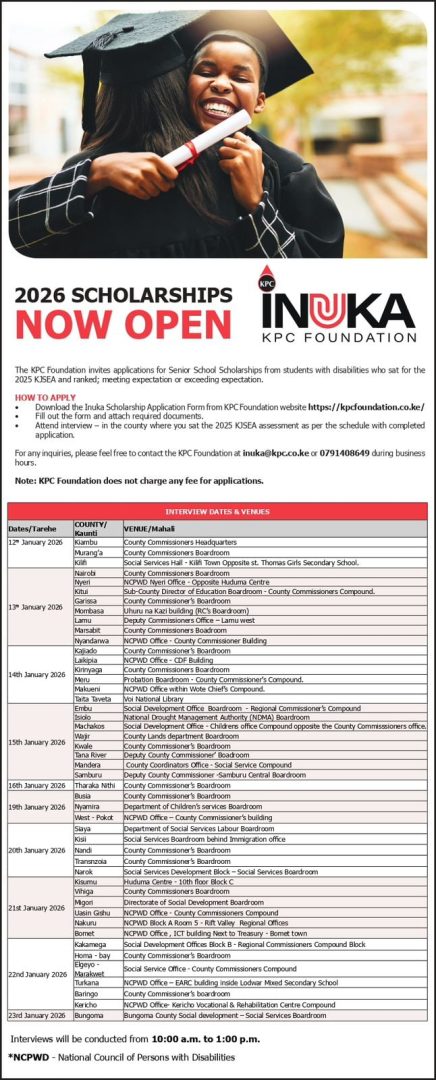
The Kenya Pipeline Company (KPC) Foundation through its Inuka Scholarship programme has announced the opening of applications for the 2026 Senior School Scholarships.

The programme targets Grade 10 learners living with disabilities who sat the 2025 Kenya Junior Secondary Education Assessment (KJSEA) and attained results that met or exceeded expectations.

Interested applicants are required to download the Inuka Scholarship Application Form from the official KPC Foundation website.

Completed forms should be submitted alongside the necessary supporting documents, with applicants required to attend interviews in the county where they sat the 2025 KJSEA assessment.

Interviews will be conducted between January 12 and January 23, 2026, at designated government offices across the country from 10:00 a.m. to 1:00 p.m.

Some of the listed venues include the County Commissioners’ boardrooms and Headquarters in Nairobi Kiambu and Murang’a, the Social Services Hall in Kilifi Town, the Huduma Centre in Nyeri, the Uhuru na Kazi Building in Mombasa, the NCPWD offices in Nakuru and Uasin Gishu, and the County Commissioners’ boardrooms in Kisumu, Kakamega, and Narok, among others.

The foundation emphasized that it does not charge any fees at any stage of the application or interview process.

For further guidance, applicants are directed to contact the Foundation via [email protected] or 0791 408 649 during business hours.

INUKA is a transformative education sponsorship initiative by the KPC Foundation aimed at supporting children living with disabilities across the country.

The programme provides secondary school scholarships to academically gifted yet financially disadvantaged students with disabilities from all 47 counties.

The support package includes tuition fees, school uniforms, assistive learning devices, and access to structured mentorship.

Since its inception, the program has impacted the lives of more than 745 students, with an investment of over Sh120 million.

KPC Foundation announces scholarships for select grade 10 learners; how to apply

Also Read: How to transfer schools after grade 10 placement