
Home Blog Page 2228

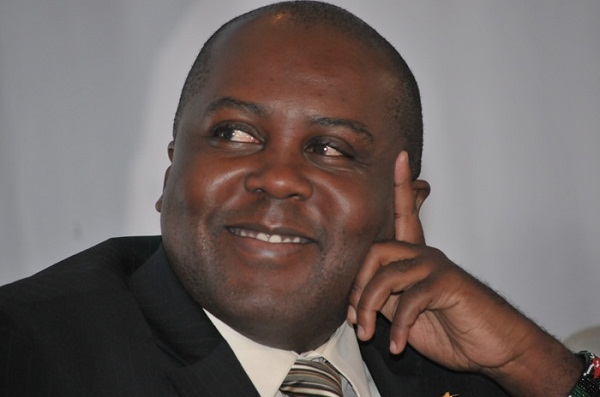
Billionaire Mugo Kibati: Bring value to the table

0

“Africa’s young entrepreneurs should seek not to amass wealth but to create wealth needed to build local economies.”

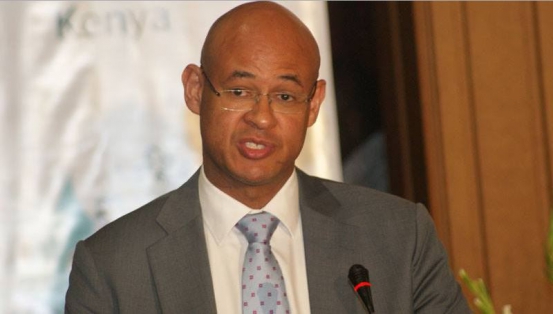
This is according to Kenyan business leader Mugo Kibati. He said most African countries remain poor and underdeveloped because for the last 50 years many business people acquired wealth through the wrong means at the expense of national economic growth.

Speaking at last week’s Under 35 Multimillionaire Economic Conference in Nairobi, Kibati urged the youth not to go into business with the sole aim of becoming millionaires.

“The problem we have had in Kenya and Africa over the last 50 years is that we have had a lot of people… who have focused on wealth acquisition,” said Kibati. “An entrepreneur is not an acquirer of wealth. An entrepreneur is a creator of wealth. If your goal is to acquire wealth then in your list of strategies… anything goes. If you steal it, if you acquire it corruptly, it doesn’t matter.”

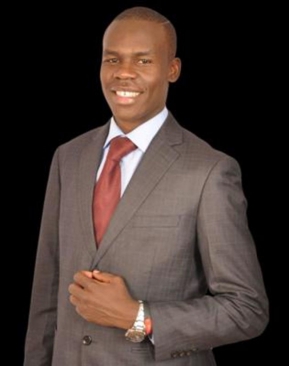
One of Kenya’s respected business leaders, Kibati is a World Economic Forum Young Global Leader and founder of Miliki Ventures. The engineering graduate previously served as head of East African Cables and as director-general of Kenya’s Vision 2030 delivery board that is responsible for spearheading the implementation of the national blueprint aimed at making Kenya a middle income state by 2030.

“My concern when I hear people wanting to become millionaires or to become rich is our history as Kenyans and as Africans. Something must change because over the last 50 years this country has created many millionaires. I suspect some of them are your role models and some of them you have watched do whatever they want to do and therefore you are motivated to become millionaires. But I want to challenge this new next generation of millionaires to be different,” he told the conference audience.

Although research shows many Africans still go into business as a last resort for survival purposes, entrepreneurship has become a more celebrated career choice in recent years. This is partly because of better reporting on the success stories of Africa’s self-made millionaires.

Kibati warned young aspiring entrepreneurs not to have a short-term approach to becoming rich.

“Today I meet young people who want to be billionaires at 34 and they are 32… You have to build it and sometimes that requires patience and hard work. If you want to have true long-lasting sustainable wealth you have to do the hard work yourself. You have to be a wealth creator.”

A 2012 report titled Accelerating entrepreneurship in Africa released by the Omidyar Network in partnership with the Monitor Group, found that many people in Africa associate entrepreneurship with a life of luxury.

“As a result, many young people venture into entrepreneurship solely to attain wealth and emulate such lifestyles, embarking upon the same lines of business as the successful business people they are trying to emulate
without any knowledge of that particular industry. This discourages innovation,” notes the report.

Bring value to the table

Kibati pointed out that business people focused on amassing wealth deliver shoddy services, engage in corruption and do not uphold professional standards.

He cited the case of engineering firms that get million dollar contracts to build roads but spend very little money on the actual job and pocket the rest, only for the newly constructed roads to get damaged in a matter of months.

This group of entrepreneurs, whom he described as “tenderpreneurs”, get rich by stealing tax payers’ money and not delivering quality service.

“You cannot get ahead in acquiring wealth simply by cheating people. You must acquire that wealth because you are bringing value to the table. If you are an engineer you must be proud of the roads… the ports, the airports [and] railway lines that you have built.”

Entrepreneurs, he said, should have a good work ethic and not take short cuts in delivering services.

“We need a group of people who actually deliver what they promise to deliver.”

Tusker Malt Revamps Its Look with a New Campaign

0

Kenya Breweries Limited has today unveiled a new refreshing look for its premium brand Tusker Malt Lager, as it looks to cement its position in the premium beer category.

Based on the Tusker Masterbrand look and feel that is currently enjoyed by Tusker Lager and Tusker Lite, the new Tusker Malt pack fuses new contemporary and exquisite label elements tastefully designed to bring to the fore an aesthetic appeal with its premium gold and green signature.

Jeff Koinange, Tusker Malt brand ambassador

Speaking during the official launch, KBL Managing Director Jane Karuku traced the journey of the brand from the late nineties reinforcing its consistency in quality proposition.

“Tusker Malt was the first 100% malt beer to be produced in Kenya and almost 20 years later it continues to deliver consistency in taste and quality. The new refreshing look is a great way of redefining our commitment to the quality promise of the brand and offering the best grain to glass experience for our premium consumers.” said Ms. Karuku.

Tusker Malt Team
Tusker Malt Team

As part of the unveiling, the brand also rolled out a new campaign dubbed “The Taste of Legends” set to celebrate legendary achievements by Kenyans who have already pioneered in various spheres of their lives. The TV Ad features pioneering African journalist, Jeff Koinange, an award-winning and celebrity legend in his own right.

Jazz Artist Aaron Rimbui

Commenting at the event, Mr. Koinange, a former CNN scribe said, “As a premium Kenyan beer and a GOLD ‘Le Monde’ selection winner, Tusker Malt is indeed the defining taste of Kenyan legends and I am extremely privileged to be part of this campaign. I look forward to inspire and celebrate with Kenyans through this iconic brand.”

Jeff Koinange,KBL MD  Jane Karuku and EABL Group HR Director Paul Kasimu
Jeff Koinange,KBL MD Jane Karuku and EABL Group HR Director Paul Kasimu

Check out these videos:

The Journey: Grass to Glass – Tusker Malt Lager

Tusker Malt TVC

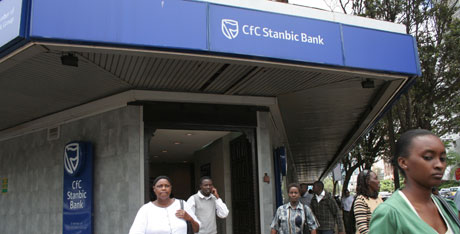
CFC Stanbic half year profit drops by 42 per cent, share falls on NSE

CfC Stanbic’s net profit for the six months ended June this year fell 42 per cent to Sh1.96 billion, weighed down by a difficult operating environment for its South Sudan business. Total income declined by 17 per cent to Sh7.73 billion on the back of a Sh1.64 billion fall in non-interest income to Sh3.34 billion.

The bank’s South Sudan operation’s main line of income is in form of fees and commissions, which have declined as the country’s economy has become bogged down by politically driven conflict.

“We have recorded the half year decline in profitability mainly due to decrease in revenue in our South Sudan operations as the effects of political unrest continue to impact the South Sudan economy,” said Cfc Stanbic chief executive officer Philip Odera.

The bank’s net fees and commission income dropped to Sh1.43 billion in the six months to June 2015 from Sh1.83 billion a year earlier, attributed to lower transactional volumes in South Sudan.

Trading revenue also fell, by Sh1.07 billion to Sh1.82 billion, due to low liquidity in the Kenyan bonds market and lower foreign exchange volumes in South Sudan.

The lender, however, grew its loan book by 28 per cent to Sh100.2 billion during the six month period, riding on increased customer deposits, which went up by 18 per cent to Sh112 billion.

The poor results saw the CFC Stanbic share on NSE free fall by as much as 8.91 per cent to trade at Sh. 92 per share. This made it the second biggest losing stock of the day during intra day trading session.

Is Sankara Hotel inflating customer bills through parking fee charges?

0

Sankara Hotel is on the hot seat. Numerous allegations have been made, alleging that the 5-star hotel Sankara has been unduly charging its customers parking fees City Council style, charges it includes in the total bill.

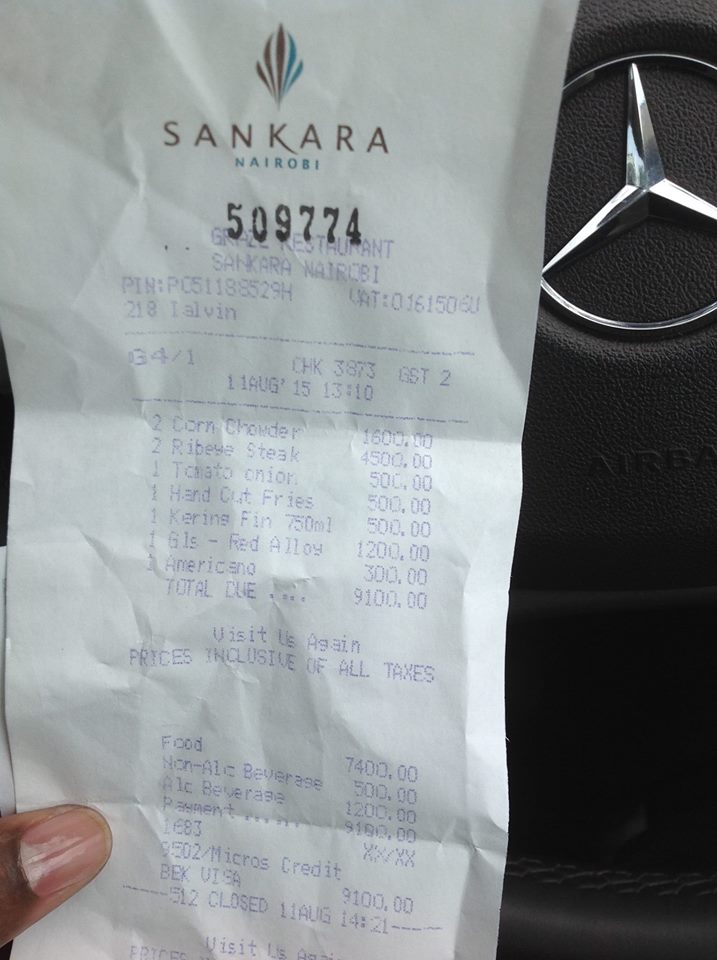
The latest to make these allegations is popular lawyer and columnist Donald B. Kipkorir. Yesterday, Mr. Kipkorir alleged that Sankara Hotel robbed him twice by exaggerating its wine prices and charging him undue parking fees. Apparently, one glass of 30ml wine at Sankara is charged Sh. 1,200!!

He posted on his popular wall thus: “Today [Tuesday], Sankara Hotel robbed me twice. I went with my friend for lunch at its Graze Restaurant, and paid a bill of Kshs.9,100/= that included one glass of 30ml wine at Kshs. 1,200/=. The wine prices at Sankara are extortionist. Then to add insult to injury, I had to pay parking charge of Kshs.100/=.”

The post elicited mixed reactions from Kenyans, some who agreed with Mr. Kipkorir and others who disagreed with him. Here’s a sample of the comments:

Sirmie Mwaniki: He claims he was robbed and he has a receipt that clearly shows the price of each item. That’s a five star hotel and you should know they don’t sell cheap food or drinks. That money has to pay their bills and chef’s like me who give you the pleasure of eating something you can’t possibly cook. Do you have any idea what it takes to actually prepare the ribeye steak?

Kinyua John: Look at the receipt serial number….509774. If it started with 0000001…and each client is spending half of what you spent ..say 5k, they have made a total of 2.6 billion. .roughly. ..from that restaurant alone. So…the whining about 100 bob to them is non-issue.

Winnie Wangari: Overpriced? yes! robbing people? No..you went there by choice lol and you know damn well you can afford it so i dont see why the fuss is all about.

Rozzie Were: He talked about THE WINE and being charged for PARKING. He doesnt seem to be complaining about the food from what i see. And he’s a regular. He has a right to complain.

Cow Cow Wasonga: Sue them immediately.

Robert Katz: I have had lunch and dinner several times and mostly costs around 3k per head which I found very affordable

How a 27 years old started a $23,000 business with only $2

0

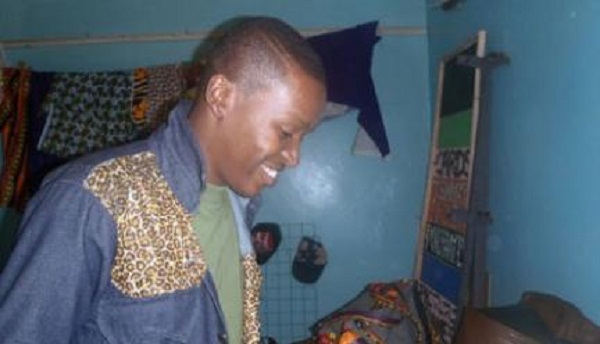
At just 27 years, Levy Jackson ranks among the most successful student entrepreneurs in Kenya’s capital Nairobi.

He has ventured into the fashion world through custom-made designs of beadwork, clothes, bags, shoes, picture frames and photography.

The fourth year commerce student at the Catholic University of Eastern Africa in south of Nairobi has employed five permanent staff and four temporary ones.

He has opened two stores from where he runs his operations, one store is at the city’s business district and the other near where his university is located.

Ambitious Levy hopes to expand his Levyhoods Creations Empire to incorporate a modelling agency before the end of this year.

Passion in fashion and a desire to leave a legacy are his driving forces in the business which he says he has given his all.

Back in his days at Eastleigh High school in Nairobi, Levy developed an interest in designing T-shirts. He fondly recalls how he started with only $2 to buy a shirt and acrylic paint.

“This was my starting capital since I sold that T-shirt for $3,” Levy said, adding that he has no regrets over the decision.His work soon started getting recognition in his neighbourhood, orders started streaming in from all corners of Nairobi thanks to great customer referrals.

The net-worth of his business currently stands at $23,000.

So much going on

By the time he enrolled for his commerce degree, his clientele base expanded to entertainment joints and fashion agencies. He gradually expanded his portfolio to include custom made jewellery and designing birthday cards.

“With so much going on, I opened my first shop in Ongata Rongai (about 20 Km from Nairobi) where I live,” he said.

He says the shop has since become a manufacturing base. In order widen his clientele base, he opened a Facebook page which has so far close to 50,000 followers.

“It is these potential clients who challenge me to try out more stuff.

That is how I introduced the designing of picture frames and hand bags in my business,” he said.

The business earns him more than $5,800 a month after deducting all overheads, with high seasons like Christmas giving better returns.

Aside from orders he gets from his country, Levy receives others from across the border, with dozens of orders from Tanzania, Rwanda, South Sudan, Sudan and Uganda.

While maintaining disinterest in getting into a business partnership, he says finding capital to fund his expansion strategy remains a challenge.

His father was not always supportive of his move to get into business while still in school, but he has since learnt to accommodate his son’s choice of career – $5,800 a month is a lot of money anywhere.

Levy’s piece of advice for budding entrepreneurs: “I always encourage youths to do what they love. They should not stagnate in life simply because they are in one career even when their passion is elsewhere.”

Barclays Bank to lend Sh. 30 billion to small businesses as battle for SMEs intensifies

0

Barclays Bank has announced a Sh30billion war chest to lend to the Small and Medium Enterprises (SMEs), as the bank moves to tap into the market that has been dominated by micro lenders.

The bank Tuesday said it had dropped some of the stringent requirements that lenders demand from the SME market. For example, borrowers will no longer need to have audited financial statements to access the loans.

“Most of these SMEs don’t have audited accounts. We didn’t have a product before and that is why some walked into our bank but walked away without one but now we are open for business,” Barclays Bank Managing Director Jeremy Awori said at a media briefing.

The bank however did not give a specific rate it will be charging on these loans on grounds that different customers have different credit worthiness.

Barclays Bank becomes the fourth major bank to set aside a lump sum for lending to SMEs after equity Bank, KCB and Chase Bank.

China devalues yuan

0

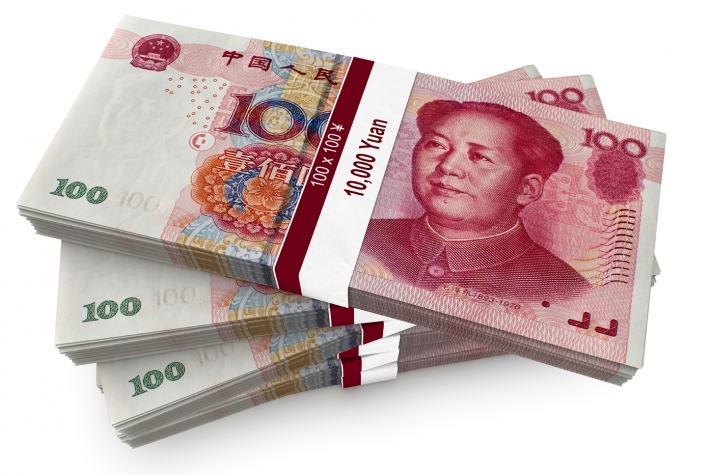
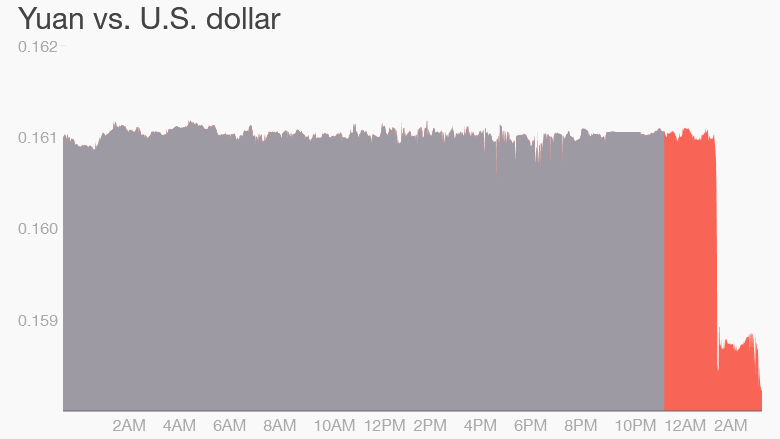
The People’s Bank of China allowed the yuan to depreciate by nearly 2% against the U.S. dollar on Tuesday, the result of a surprise policy change that roiled international currency markets. The sudden devaluation is the largest in two decades, and comes amid slower economic growth and increased stock market volatility in China.


The dramatic devaluation — even if it is a one-time event — is likely to draw intense criticism from some quarters. The U.S. has long accused China of keeping its currency artificially low, instead of allowing it to move freely in foreign exchange markets. A weak currency cheapens the price of a country’s exports, making them more attractive to international buyers by undercutting competitors.

If other nations in the region also decide to devalue their currency in response, it could leading to so-called competitive devaluation, also known as a currency war.

China says the move actually is a response to the market.

The PBOC typically sets a daily midpoint for the yuan, around which the currency is allowed to trade within a 2% band. Until now, the central bank had total control over where the midpoint was set. Going forward, the midpoint will be based on the previous day’s closing price.

The policy change necessitated a one-time yuan devaluation of 1.9%, the bank said, because the midpoint had been diverging from the market rate for some time.

“The reform of [yuan] exchange rate formation mechanism will continued to be pushed forward with a market orientation. [The market] will play a bigger role in exchange rate determination to facilitate the balancing of international payments,” the bank said in its statement.

china yuan

Alicia Herrero, an economist at Natixis, said that the PBOC is unlikely to let the yuan depreciate too quickly. “We believe that the PBOC will not dare let the [yuan] depreciate too rapidly or too aggressively,” she said. “The PBOC needs to show it is in control.”

Market-based reforms would boost China’s campaign for the yuan to be included in an elite grouping of currencies used by the International Monetary Fund.

China has expressed interest in having the yuan included in the IMF’s Special Drawing Rights basket, which the organization uses to value reserve assets. The basket currently includes the dollar, euro, British pound and Japanese yen.

Inclusion in the the IMF’s currency basket would lend significant prestige to the yuan, which is being used more and more frequently to execute international transactions and payments.

Toyota Prado vs Toyota Surf

0

The choice between a Toyota Prado J90 and a Toyota Surf is not an easy one. It mostly boils down to the predominant use intended for the vehicle.

The Prado seats seven, the Surf seats five. On the other hand, the Prado is a wallowy, roly-poly boat-like jumble in its driving dynamics while the Surf handles almost car-like with little body roll owing to the use of independent front suspension and the X-REAS diagonal damper linkage by use of hydraulic hoses and a mechanical centre valve.
The use of IFS in the Surf may be its undoing too; in off-road jumps, there is a tendency to break the front axle, causing the vehicle to bury its nose in the dirt like a fatigued camel.

A Prado will take those jumps and more, and just keep going. The weak IFS issue also affects the 100 Series Landcruiser VX too, by the way.

In a nutshell, if you have many passengers and engage in wild 4×4 antics, get a Prado. If you drive mostly on-road and slowly off-road in not-so-extreme arenas, get the Surf. Also, the Surf is generally cheaper than a Prado in the used car market.
The best engine is the 3.4 V6. It is the most powerful, it is very responsive and one can install a TRD supercharger with no difficulty at all.

The Paji’s orange Prado that impressed me so much packs this engine (without the blower, though). Second best and the ideal alternative would be the 1KZ. A robust, durable powerplant, it delivers both torque and economy on a scale atypical of most SUVs.

This engine almost has no issues at all, except for a few isolated cases of turbo failure following poor use by drivers. Properly driven, it will run forever.

The D4D is the most advanced of the three, and is thus the most economical. It is a lot smoother than the 1KZ, delivers more power but is quite complicated and thus prone to having issues, particularly with injectors. Its construction also makes disassembly a real pain for the inexperienced grease monkey.
My choice would be the 3.4 (I have clocked 180km/h easily in one, hitting the fuel cut-off point; and I wasn’t even anywhere near the red line).

The frugal mentalist’s choice would be the 1KZ. Those that buy iPhones and Samsung Galaxy handsets within a few hours of a new model being launched are more likely to go for the D4D. Go figure.

Sylvanus Osoro: from hawker to CEO

At 28, you run a company with 14 branches in the country and a presence in Kigali and Kampala. How did Pitface Marketing Division (PMD) start?

PMD started in a simple way with few employees. We train Form Four leavers on sales and marketing skills and supply them to different companies in the country.

Did starting and running a company come easy for you?

(Long pause) No. I was born and raised in Kisii, orphaned at the age of 10 and that is when my woes started. My five siblings and I grew up in separate homes, being taken care of by different family members and so we did not have a chance to bond. I lived on the streets after I was kicked out by family members. Going through school was difficult due to lack of school fees and at some point I dropped out of school.

In my life, I have worked as a casual labourer — cutting and crushing sugar cane for a paltry pay of Sh50 a day. With the savings I made, I put up a small tea and mandazi kiosk in Kisii town. I often played hide and seek with the municipal council askaris since I operated the business without a license. I made good savings, but not enough to take me back to school and none of my relatives was in a position to support me.

Determined to be back in school, I convinced the headmaster of Nyambigena Secondary School in Kisii to allow me join his school, as I struggled to raise the fees. I was enrolled in Form Two. Unfortunately, the money I had was enough for one term and I was again sent away, despite the school bursar, who was my relative, trying to help me.

That must have been tough…

Yes, but I continued to put up a spirited fight. I went to my aunt’s home in Kisii town where I started hawking sweets, groundnuts and other wares on the streets. On a good day, I would take home Sh50. To add to my skills, I trained in and perfected the art of welding. Just as I was thinking of looking for a job as a welder, the proprietor of Hill Secondary School in Kisii, Onchweri Mwenga, who had taught with my mother at some point, offered me full sponsorship to his school. I grabbed the opportunity and enrolled in Form Three in 2003. I became top in my class. When I sat for my Kenya Certificate of Secondary Examinations in 2004, I emerged the best student from the school. Though I qualified to join university, I could not secure a sponsor.

I hawked stuff then later got a job as an untrained teacher, earning a Sh2,500 a month. I focused on saving some of the money to enroll for a professional course to help uplift my life. In 2006, I left the teaching job and relocated to Nairobi and enrolled for Certified Public Accountant (CPA) classes at the Strathmore College. My uncle offered me free accommodation in his rental rooms at Mukuru Kwa Reuben slums in Nairobi for three months, with an ultimatum to pay rent of Sh800 after this grace period. He threw me out when I could not pay the rent and I moved to a cheaper carton structure in the same slum. I became a newspaper vendor and with the money I got, I was able to complete my course. For lack of a formal job, I used my experience as a hawker and newspaper vendor to venture into sales. I hawked hand clothes door-to-door in residential estates. This proved rewarding as I made a profit of Sh15,000 in the first month. In 2008 I got lucky and secured a sales job with Places and Faces (PF), which dealt with fast moving consumer goods mainly from Europe.

Read: 27-year-old-can-lend-50-million-without-squeezing-bank-account

After training, I was sent out to sell the products from door to door or on the streets. I would leave my house at 3am to walk to Westlands to pick the goods and one day I was accosted by thieves who hurt me badly and took away all the money I had. Another unfortunate incident happened when I was arrested by City Council askaris and charged with illegal hawking. I spent two weeks in jail. Despite the challenges, I loved the job and there was potential to make good money. My efforts paid off when in 2009 I was promoted to the position of manager in charge of the Nyeri branch. Unfortunately, the company faced problems and was closed down. Having gained valuable experience from PF, I registered my company which continues to positively impact many young people.

You have accomplished your dream of not being poor, what next?

(Laughs) As a lawyer, motivational speaker and CEO of Pitface Marketing Division, I want to change this country. However, the fight should not end with me. It should spread like bushfire to over 20 million young and jobless people all over the country. I want to be one of the people who bring light to this country. God willing, in 2017, I will be in parliament. In 2022 I would as well run for the Governor seat and later in 2032 the Presidency. My dreams are valid.

Are you married?

I will soon be legalising my marriage to my long term sweetheart Stellah Karoki, who is also the mother of my two handsome boys-Prince Meshack and Osoro Junior.

Why Chris Kirubi got it wrong on KQ

The following analysis by Mohammed Hersi was first published in the Business Daily.

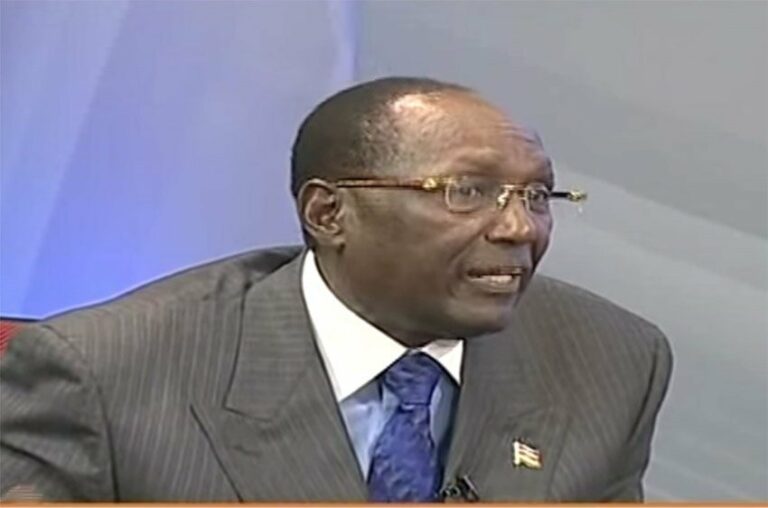
Last week, Finance secretary Henry Rotich and industrialist Chris Kirubi were on TV discussing Kenya Airways matters.

While it’s agreed that KQ is in trouble and needs help, I was shocked by two suggestions fronted by Mr Kirubi. First, he said JKIA is allowing too many airlines into Nairobi and asked why these airlines should be allowed to ferry people, say to Dubai, while KQ flies half-empty.

Strategy, price and customer care, among other factors, are what drive people to choose other airlines. Author Stephen Covey calls this line of reasoning scarcity mentality.

When you see life as having only so much, as though there were only one pie out there. And if someone were to get a big piece of the pie, it would mean less for everybody else.

But there is plenty for all. These other airlines are ferrying people into Nairobi who connect to the rest of Africa using KQ.

Banning other airlines will kill JKIA as a hub. Kirubi should read about the history of Emirates Airlines. In 1985 Gulf Air gave an ultimatum to Dubai – either slash the number of airlines into Dubai or they pull out.

The Dubai leader refused to stop other airlines, Gulf Air pulled out and overnight lost 75pc of traffic. Emirates was born out of necessity. It started with two aircrafts leased from Pakistan Airlines. The rest is history.

Protectionism will never ever take us anywhere. This is what is killing Mombasa. Rwanda is soon unveiling a world class airport and if we don’t get our act together, Kigali will be the new hub of East Africa.

Secondly, Kirubi said that all agents must book 50 per cent to remain licensed. This is a 1970s solution to a 21st century problem. We are in a free market; besides KQ’s woes is not revenue. They made Sh110 billion revenue up from Sh106bn. The problem is cost.

Emirates, Ethiopian and others are not the problem. These airlines built their fleet slowly but surely. Before any bailout money is release, we need a forensic audit by an independent audit firm.

If nationalism alone was enough to make an airline successful Nigeria Airways would be ruling the skies. The problem is inside KQ, not outside. And yes, KQ can soar once again. Kirubi is a serious opinion leader and if we remain silent someone may just take his advice as the right thing to do. Locking other airlines from JKIA would mean killing it as a hub. One other observation what was the hurry to buy the Embraers and I noticed that no serious airline in the world has bothered to buy them so I am also very concerned what will happen the day they decide to retire them. If leading airlines cannot buy brand new Embraers who will buy second hand Embraers from a developing country? Please note Embraer is known for private jet NOT commercial airliners. I am for KQ to do really well, as tourism player and as a Kenyan, hence we must address the Elephant in the room..