Home Blog Page 2265

New bean types that can tolerate heat

0

This article was original posted at scidev

Researchers have developed 30 new types of heat-resistant beans expected to withstand effects of climate change.

The CGIAR (Consultative Group on International Agricultural Research) made the announcement in March during a development conference organised by the German government in Addis Ababa, Ethiopia.

Rising temperatures could disrupt bean production in African countries such as DRC, Kenya, Malawi, Tanzania and Uganda, according to the CGIAR, which selected the new lines.

More than 15 years ago, scientists started crossing the common bean with the tepary bean that resulted in these new types, according to Steve Beebe, a senior beans breeder based at the CGIAR’s International Center for Tropical Agriculture in Cali, Colombia.
The tepary bean is a bean plant native to the Southwestern U.S. that is cultivated in Mexico and Arizona for its drought-resistant qualities.

Beebe said the new lines were developed by conventional breeding methods of cross-pollination in Colombia, with the added task of cutting the developing embryo off the young pod and culturing it in the laboratory.

A statement from the CGIAR notes that the 30 new types of heat-resistant beans were selected by testing more than 1,000 bean lines, and that they can increase yields at night-time temperatures above 22 degrees Celsius although normally temperatures greater than 18 or 19 degrees Celsius reduce bean yields.

How Do I Build a Business Plan? (Infographic)

0

The article first appeared on the entrepreneur. 

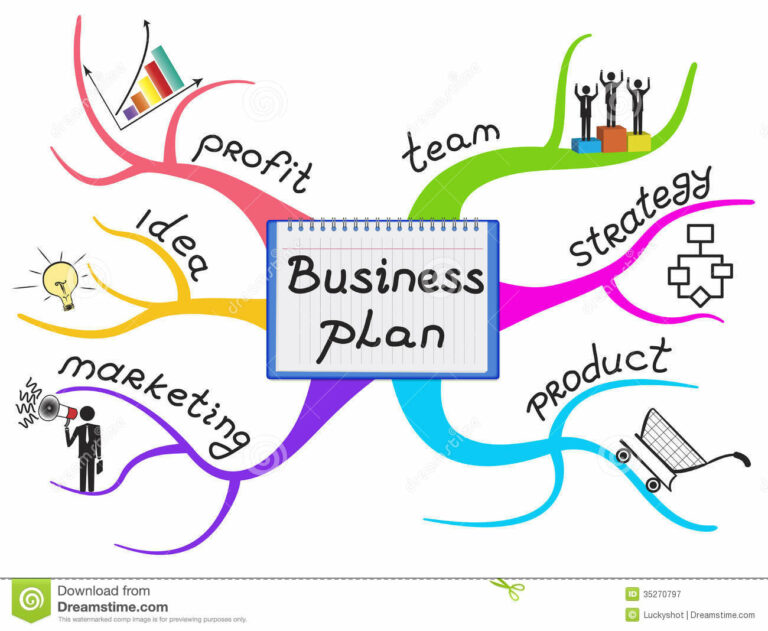
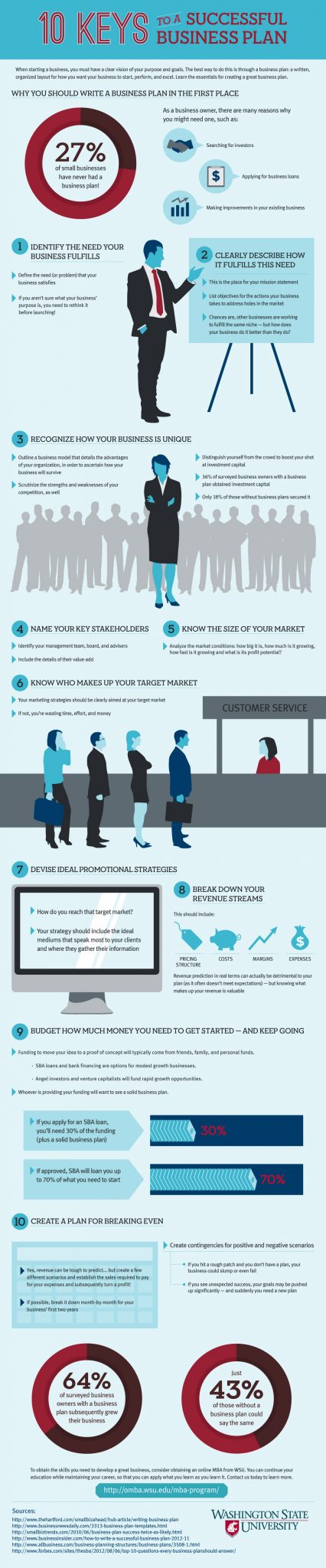
You have a powerful idea for the next big thing, but before you sell it to anyone, you have to get it all down on paper. It’s time to make a business plan.

The infographic details some major questions that aspiring CEOS need to ask themselves like, what problem is my business going to solve, what’s my company’s mission, and what do we do better than anyone else in the market?

build-business-plan-infographic

The world’s top 9 cars in safety

0

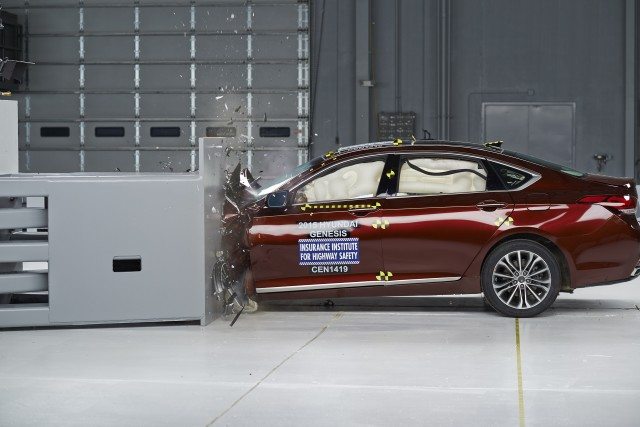
2015 Hyundai Genesis IIHS Top Safety Pick+2015 Hyundai Genesis IIHS Top Safety Pick+

2015 Hyundai Genesis
“With respect to active-safety features, the 2015 Hyundai Genesis has now caught up to the best from Germany, Japan, or Detroit.”

The Genesis serves as the flagship luxury model for Hyundai’s range of vehicles; but it deserves to make shoppers’ shortlists as much for safety as for features and creature comforts, The available Automatic Emergency Braking system that’s available in the Genesis, as part of the Technology Package, is one of the few active-safety systems to be rated as ‘Superior’ in IIHS testing. Furthermore, the fully optioned Genesis has a critical mass of active-safety items (what Hyundai calls the Sensory Surround Safety System), including things like Blind Spot Detection (BSD), Rear Cross-Traffic Alert (RCTA), and Lane Change Assist (LCA)—as well as Lane Keep Assist (LKA), which will actually make mild steering corrections to help keep you in your lane if attention lapses.

2015 Volvo S602015 Volvo S60

2015 Volvo S60
“The 2015 Volvo S60 has strong crash-test scores and an impressive array of electronic safety systems.”

Going by test results and crash-test ratings from the Insurance Institute for Highway Safety (IIHS) and the federal government, the 2015 Volvo S60 could be the safest car on the market. It’s the paragon of safety if you place a lot of emphasis on crash-test results, with a perfect flush of five-star ratings from the federal government and top ‘good’ results in every single area from the IIHS. And there’s a lot of active safety on offer, if you’re willing to check a few option boxes. It’s also for years been one of the top performers according to the insurance industry, with some of the lowest rates of injury related insurance losses among luxury sedans.

2015 Mercedes-Benz M-Class (ML63 AMG)2015 Mercedes-Benz M-Class (ML63 AMG)

2015 Mercedes-Benz M-Class (ML63 AMG)
“The 2015 M-Class has some standout active-safety features, as well as top-tier crash-test ratings.”

Mercedes-Benz has, for decades, made some of the vehicles with the lowest rates of fatality and injury. Relatively few of its current models have been rated by both U.S. agencies—which keeps more of them from being given a perfect ‘10’ in safety—but the M-Class stands as an exception. It’s earned top ratings in both crash-test protocols, and its set of active-safety items is one of the best in its class. Collision Prevention Assist is a standard feature on the M-Class, as is Attention Assist, which can warn you if it thinks you’re too drowsy. Add the optional Pre-Safe Brake feature that’s part of the Driver Assistance Package, and you add even more accident-prevention odds improvement. With it, the M-Class earns an IIHS ‘Superior’ rating.

By the way, there’s change in store for this model line, but it shouldn’t be to the detriment of safety. Look for the upcoming 2016 Mercedes-Benz GLE-Class to continue the M-Class form factor (and its underpinnings), albeit with new badging, a refreshed cabin and other enhancements.

2015 Subaru Legacy 2.5i2015 Subaru Legacy 2.5i

2015 Subaru Legacy 2.5i
“The Legacy has pegged the Top Safety Pick+ meter, and it’s a perfect five-star NHTSA performer.”

The 2015 Subaru Legacy achieves top-notch results from the federal government and the IIHS—in every single category. What makes it stand out, even above other models that achieve the same, is that it’s also one of the few models to manage the IIHS ‘Superior’ front crash prevention rating when equipped with the optional EyeSight system. Even better, we think, is that you don’t have to go for the most expensive model in the lineup to get that potential life-saver; it’s available on the affordable Premium models, where you can add it and get a sedan with things like Blind Spot Detection, Rear Cross Traffic Alert, lane-departure alert, adaptive cruise control, and a system that can brake you to a stop short of an imminent collision in some cases or lessen the severity of one by reducing speeds

2015 Mazda 32015 Mazda 3

2015 Mazda 3
“Available active-safety extras and top-notch protection earn Top Safety Pick+ status for the 2015 Mazda 3.”

The 2015 Mazda 3 is a charming family of compact sedans and hatchbacks, and it already earns our recognition as one of the best-looking, most fun-to-drive cars in its class. So it’s some icing on the cake, so to say, to find out that the Mazda 3 is also one of the safest. Much of the lineup now gets Blind Spot Monitoring, Rear Cross Traffic Alert, and a rearview camera system, and with the available Smart City Brake Support and Forward Collision Warning systems, using laser sensors to anticipate an imminent collision and activate emergency braking, you can get the active-safety systems that usually require a luxury badge—in a car that’s still quite affordable.

2015 Subaru Outback2015 Subaru Outback

2015 Subaru Outback
“The Subaru Outback has been a safety standout for many years, and the 2015 model steps it up with a new generation of Eyesight active safety features—plus the safety of X-Mode when the going gets tough.”

The Outback earns ratings that are, for the most part, just as great as those of the Legacy sedan on which it’s based. And Subaru, just as with the Legacy, makes its EyeSight active-safety package remarkably accessible; you can opt for the IIHS-top-rated system in all but the base model. The Outback gets a slightly lower rating than the Legacy, if you count its four-star federal rollover rating, but that’s determined by geometry, not any lack of emergency handling—and the higher structure might actually aid occupant protection in crashes with taller SUVs.

2015 Chrysler 2002015 Chrysler 200

2015 Chrysler 200
“The 2015 Chrysler 200 is an IIHS Top Safety Pick+ and five-star champ, with great occupant protection and an effective automatic braking system.”

In its last-generation version that was on sale until last year, the Chrysler 200 had a mottled set of crash-test ratings and safety scores. Now with the completely redesigned 2015 model, that’s no longer the case, and the IIHS and federal ratings are in agreement. The 2015 Chrysler 200 gets top-tier ratings from each, as well as a next-to-the-top ‘Superior’ rating for front crash prevention, with the optional Safety Tec package that adds Full Speed Forward Collision Plus. The only downside: It’s only offered on the top-of-the-line 200C.

2015 Mazda CX-5 GT2015 Mazda CX-5 GT

2015 Mazda CX-5
“The CX-5 is a safety superstar, with excellent crash-test ratings and an advanced forward-collision warning system.”

Going by crash-test results, the 2015 Mazda CX-5 is the top performer in its class, with five stars in all the federal crash categories, as well as top ‘good’ results from the IIHS in every single category—and the IIHS ‘Advanced’ rating for front crash prevention when equipped with the optional Smart City Brake Support, which will brake you automatically for hazards at speeds ranging from 4 to 19 mph.

KQ’s profits on each passenger can’t buy a cup of coffee

0

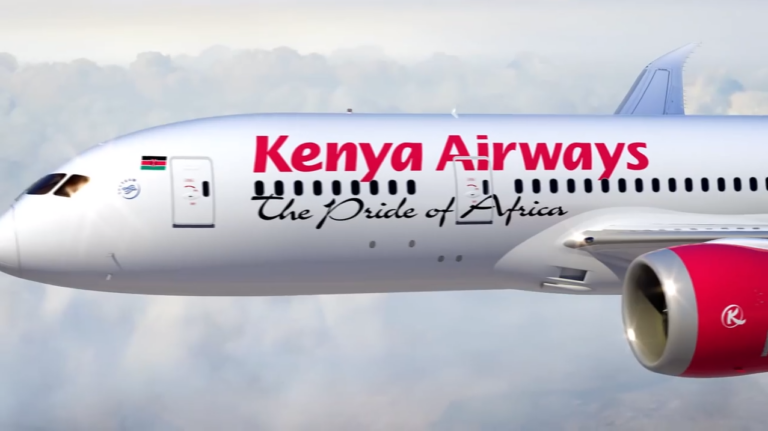
The Standard: A senior Kenya Airways official has compared the airline’s return per passenger to what hoteliers make on a cup of coffee.

Speaking at last week’s annual African Business Travel Association (ABTA) forum, attended by a cross section of players in the travel industry, Regional General Manager for Kenya Airways, Dirk Buitelaar said: “We do not make any more money per passenger than a cup of coffee — and it is not a good cup of coffee.”

He attributed this to the “super expensive” cost of airline operations, especially on the African continent. “If I fly from Nairobi to South Africa, I fly over seven countries,” he said, and pays a cost for flying over each foreign air space.

Kenya Airways also have to pay for flight control in these countries, as well as for using navigation aids, Mr Buitelaar added. “And airports open at night [so] I pay for that electricity,” he said. “If my son came and said he is working in the airline industry, I would shoot him,” Buitelaar joked, before adding that people need to be sensitised on such expenses to understand the difficult environment Kenya Airways operates in.

According to Buitelaar, this means if Kenya Airways carries 400 passengers in one of its planes, it makes an average Sh250 in profit on each passenger, which adds up to just Sh100,000 one way. Kenya Airways has in recent times been struggling with huge debt burden, amounting to Sh77.8 billion as at September last year.

This amount comprises short-term loans, cash owed to suppliers and pre-payments due in advance of carriage. Kenya Airways made a loss of Sh12.5 billion in the six months to September 2014; the first half of its current financial year.

Revealed: How Britam’s ‘Ponzi’ director’s scam took place

1

The following feature was first published in the Business Daily.

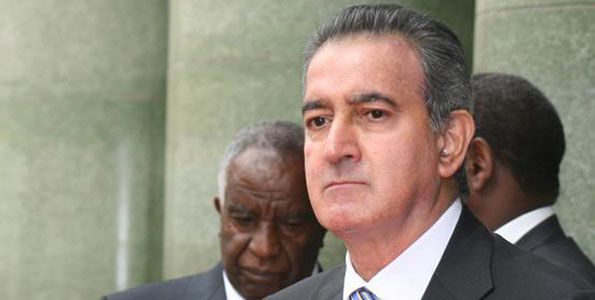
The big man’s black Mercedes S600 — with the vanity licence plate ‘BA1’ — has not been seen in weeks making the dash from his home in Curepipe to the SSR International airport at one end of Mauritius or Port Louis at the other.

Read More: Britam re-posts lower net profits after exit of ‘Ponzi’ directors

Dawood Rawat, whose friendship with the country’s previous Prime Minister has been described by a current Cabinet minister as “toxic”, is on the run.

Once chairman emeritus of the British American group of companies, he is now a fugitive accused of profiting from an elaborate scheme to cook the books at BAI Co (Mauritius) that saw liabilities played down and assets overvalued.

[dropcap] ITS TIME TO TRY SOMETHING NEW[/dropcap]

 

OPPO logo

While Mauritian authorities concede some of the former Britam director’s companies were clearly in trouble, it wasn’t until his failure to make a cash injection led to Bramer Bank’s suspension that a crisis was touched off, revealing the true extent of his deception.

“We found there was a huge fraud case,” Financial Services, Good Governance and Institutional Reform minister Roshi Bhadain said.

“Policyholders money which had come into the insurance company had been passed out through various subsidiaries in Mauritius. Some of the funds taken (from) new investors were being used to repay old ones and the interest rates that they were giving were high, in some cases going up to 10, 12 and even 14 per cent (well above the average of three to four per cent). It had all the hallmarks of what is commonly referred to as a Ponzi scheme.”

According to a confidential report from the firm’s conservators, as at December 31 last year, BAI Co (Mauritius) Ltd’s assets were “substantially overvalued” at 33.6 billion rupees (Sh89 billion) and were only worth about Rs17.2 billion (Sh45 billion).

The total liabilities, estimated at Rs26 billion by BAI, were worked out to be Rs28 billion (Sh74 billion). Of this, Rs23 billion (Sh61 billion) were the result of the controversial single-premium schemes that government officials say was being run like a Ponzi scheme, using new investors’ money to pay off old ones.

The value of key subsidiaries like Iframac, Courts and the Apollo Bramwell Hospital were also revised downwards with by the conservators.

As a result the firm was not in a position to meet its obligations, even if it had not lost Rs6 billion (Sh15 billion) loaned to Bramer Bank when the liquidity crisis led to the loss of the bank’s licence.

The interim document, BAI Co (Mauritius) conservator André Bonieux says, shows a clear trail of bad investments through subsidiaries involved in everything from car dealerships to a private hospital. Britam, the 4.5 billion rupee (about Sh13 billion) “jewel in the crown”, stands in contrast to distressed assets like Iframac and the Apollo Bramwell Hospital.

BAI Co also has a profitable toehold in Equity Bank and Housing Finance through its Kenyan investment vehicle.

“The main problem was the underperformance of BAI’s subsidiaries,” said Mr Bonieux, listing the largest “distressed” investments as Iframac, the Apollo Bramwell Hospital and Bramer Bank. “And, of course, some of the insurance products they were selling were (being offered) at too high a rate.”

Under Mauritius law, insurance firms are barred from investing more than ten per cent of their assets in related parties. But as at December 31 last year, BAI Co (Mauritius) had 58 per cent of its assets tied up in struggling related firms. This was down from a high of 85 per cent in 2009.

The company’s regular insurance products — such as its various life cover, education and pension schemes held by some 135,000 people — were okay.

The poison lay in three single-premium investment products, the most popular of which was called Super Cash Back Gold and offered unsustainable annual returns of up to 14 per cent. The involvement of Rawat relatives in the management of many of these subsidiaries, as well as other holding companies, is also a red flag.

Seaton Investments, BAI (Mauritius) Ltd’s loss-making holding company, was headed by Mr Dawood Rawat’s daughter, Adeela-Feistritzer Rawat. Its board was stacked with male relatives with the only person not a blood relation being Adeela’s husband Claudio Feistritzer.

Adeela’s sister Laina headed a division at BAI, and the failing Apollo Bramwell Hospital was headed by their sister-in-law, Valerie Rawat. (BAI’s ultimate holding company, Bahamas registered KLAD Investment, is named for family members Kerima, Laina, Adeela and Dawood.)

The path to recovering from this crisis almost certainly involves selling the best-performing assets — in this case Britam.

“We have to make sure serious bidders come to the table. There must be a proper bidding process,” Mr Bonieux said. “I’d certainly like to do that with full transparency for BAI policyholders and management (and shareholders) in Britam. It has to be planned. There is no rush. But, having said that, I don’t think there is a strategy to keep Britam for a very long time.”

Bhadain, whose relatively new Ministry champions good governance, says the crisis and Mauritius’ response are an opportunity for change.

“Fraud happens,” he said, citing Enron and Lehman Brothers in the United States, and BCCI, the Maxwell Affair and Polly Peck in the United Kingdom. “It has been dealt with swiftly.

“The Finance Minister decided the National Commercial Bank was going to take everything on board and safeguard the interests of (Bramer Bank’s) depositors and employees. We reassured (BAI’s 135,000) regular policyholders that the government is going to secure their policies. Then we started a massive exercise to understand what had happened, who was responsible and why it happened.”

The result was a decision to fire the chief executive of the Financial Services Commission, the head of the Financial Reporting Council, and a ten-person national committee on corporate governance.

“The name of the game is to learn from these (crises) and bring appropriate legislation to make sure the loopholes people are using to abuse the system are closed down,” Bhadain says. Changes to the Insurance Act are being proposed, for instance, to clarify the definition of related companies and prevent the sort of transactions that brought down Mr Rawat’s empire. Is that sort of thing possible in Kenya?

British-American Insurance (Kenya) Managing Director and Regional Director of Insurance Steven Wandera points out that Kenya has tight restrictions on related-party transactions in the insurance industry, with the limit at five per cent and no ambiguity over what counts.

Local regulators, he adds, are conservative over how assets and liabilities are valued, requiring the former cover the latter. The Insurance Regulatory Authority also insists on independent directors and investment committees, and approves all products offered.


Britam re-posts lower net profits after exit of ‘Ponzi’ directors

1

Business Daily: Britam has revised its books for 2014 a month after they were published, reducing its after tax profit by Sh342 million. The reduction was revealed two days after the resignation of two directors caught up in a corporate governance crisis sparked by the collapse of a Mauritius bank associated with the company’s single largest shareholder.

Mr Dawood Rawat, the Mauritian business magnate wanted for fraud, money-laundering and embezzlement, and Mr Moussa Rawat, his nephew, left Britam’s board on April 22, according to notices sent to regulators the same day.

The notices were, however, not made public within 24 hours as required by law. The duo represented the interests of BAI Co (Mauritius), which had a 23.34 per cent stake in Britam and in which Mr Dawood Rawat had a controlling stake. The firm has been placed under a conservator by the Mauritian government after evidence of overvalued assets and understated liabilities emerged.

Britam’s revision to its financial statements has been attributed to “an issue with respect to… the carrying value of a local associate company”. The group has two associates — Housing Finance (46.04 per cent stake) and Acorn Group Limited (25 per cent).

Last week, the Mauritius government said it would take control of Mr Rawat’s stake in the Kenyan firm as it begins a global hunt for assets that can be seized and sold off to repay victims of his fraud.

The search has so far unearthed a castle near Italy’s capital, Rome, and property in places like the United Kingdom, Croatia and Romania.

The asset seizures are part of a plan Mauritius Prime Minister Anerood Jugnauth presented to parliament on Friday, whose aim is to compensate policyholders and investors caught in the Ponzi-type fraud affecting BAI Co (Mauritius) and its sister company Bramer Bank.

A yet-to-be-appointed national administrator for a proposed National Property Fund and SICOM’s board of directors will decide whether and when to sell the stake in the Nairobi-based regional financial services group.

The country’s Financial Services minister Sudarshan ‘Roshi’ Bhadain said the sale of BAI Co’s stake in Britam to interested parties was likely as the national insurer tries to get value for Mauritian policyholders.

The conglomerate that Mr Rawat owned is also invested in Botswana and Malta. Botswana regulators have delisted BAI (Botswana), in which BAI Co (Mauritius) holds an 80 per cent stake, and placed it in receivership.

How much would you sacrifice to start your own business?

This article was originally posted on fortune

That’s the question every wannabe entrepreneur fears the most, but is the most crucial.For those of you ready to take the plunge, I assure you there are few things in life as rewarding. Here are a few of the most important lessons I have picked up along the way:

Be ready for sacrifice

When startups succeed, they do so against all odds. In the beginning, you have nothing except for your own talents and resources. By definition, everyone else is bigger, further along, and more established than you. To win, you have to swim upstream early on–and that requires hard work and long hours. There are no shortcuts.

The first year is the hardest, marked with long days and nights.

No sick days ,No vacations. You have  to get comfortable and adapt quickly to not having a salary for an indefinite amount of time. The specific areas of sacrifice are different for each entrepreneur, but there is always sacrifice of one form or another. Success requires focus, and focus is about trade-offs.

Choose your partners wisely

The ability to evaluate, attract, and build strong working relationships with cofounder(s), early employees, and investors often means the difference between success and failure. Your key early hires will help determine the fate of your business, too.

As a start-up, decide early  that you will value three things above all else:

1) Long-term customer success,

2) Teamwork

3) Getting stuff done.

Hire and promote based on these values, which makes them self-reinforcing. The need for strong partners and employees persists throughout the life of a company, but it is especially important in the beginning.

Obsess over your customer

Many companies talk about customer success, but how many actually put the customer first above all else, always? Obsess over your customer or would-be customer from the very beginning and the rest will work itself out.


3 Ways Banks Steal your Money and How to Prevent It

0

This article was originally posted on MyTopBusinessideas

1. Handle the Information about Bank Fees and Hidden Charges with Levity
Banks are in business to make profits and they take advantage of ignorant customers in the bid of making profits. One of the ways banks rib you off your money is by deliberately handling the information about bank fees and hidden charges with levity. Marketers that work with banks have been trained to sweet talk their customers into collecting loans, collecting overdrafts (cash advance), opening special accounts and signing other special package without emphasizing on the fees and hidden charges it will attract.
In other to prevent this from happening to you, ensure that you ask all the questions that will enable you have good understanding of all the bank charges and any other hidden charges. If you are not comfortable with it, you can pull out from the deal. That is only when you can make informed decisions.

2. Increase the Costs of Maintaining Your Bank Accounts
In the bid to market their products to you, banks ensure that they step down their account maintenance charges (bank fees) so that they can attract customers. But the truth is that most people don’t even bother to check the percentage increase in the cost of maintaining their bank accounts after a year or more. Banks take advantage of this to increase these charges to as high as 300 % after a year or more in order to rip their customers off.
In other to prevent this from happening to you, ensure that you request for the modalities for increasing the cost of maintaining your accounts and if you are not satisfied, threaten to close your account with them. For example, a bank might increase the COT on your account without informing you that is why it is important to always request for your account statements at regular interval. It will enable you to see all the discrepancies in your accounts. Beside, you can negotiate your COT with your bank.

3. Encourage Consumer – Gouging Payday Loans (Cash Advance Programs)
One of the ways banks make money is through the interest they get from loans so they trained their marketers to force loans on their customers; those who they know have the capacity to pay back the loans. As a matter of fact, banks encourage workers who have salary accounts with them to collect cash advance. Most of these employees will feel that the bank is doing them a favor when in the real sense the bank is trying to rip them off. In other to prevent this, you must ensure that you avoid cash advance programs as much as you can and then try to live within your means.

Thailand Makes Big Bust of Ivory Originating from Kenya

0

This article was originally posted on Reuters 

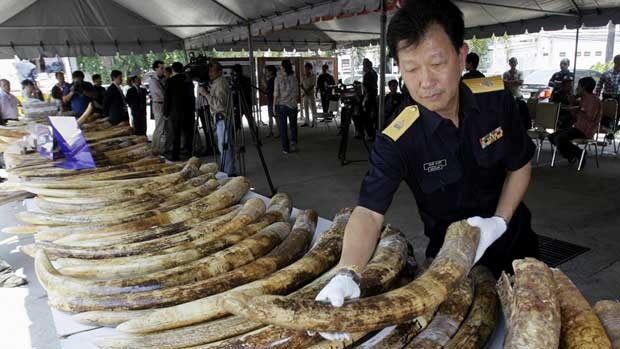
Thai customs officials on Monday announced their second big seizure of African ivory in two weeks, amounting to around three tonnes of tusks worth about $6 million.

The ivory was hidden in a shipment of tea leaves originating from Kenya, General Dapong Ratanasuwan, the minister of natural resources and the environment, told reporters. Police had made arrests over the seizure, he added, but did not say how many.

Thailand, a top destination for smuggled African ivory, had until the end of March to take steps to shut down domestic trade in ivory or face sanctions under the Convention on the International Trade of Endangered Species (CITES).

The seizure was Thailand’s second largest, the Thai Customs Department said in a news release, following just over a week after the largest.

On April 20, customs announced it had seized four tonnes of ivory hidden in bags containing dried beans that originated from the Democratic Republic of Congo.

The shipment from Kenya passed through Sri Lanka, Malaysia and Singapore and was destined for Laos, said Somchai Sujjapongse, director-general of customs.

In January, Thailand passed a new law to regulate and control the ivory trade, which requires large items of privately owned ivory to be registered with wildlife and conservation officials.

More than 20,000 African elephants were killed for ivory in 2013, a CITES monitoring program showed, leaving a population believed to be around 500,000.

Rise of Equity Bank on NSE slashes KCB’s wide market value lead

Business Daily: Equity Bank last week closed the gap on KCB at the top of the bank valuation table following a 5.4 per cent gain. The bank ended the week at an improved Sh49.50 a share from the previous week Sh47, while KCB chalked up a decline of 1.6 per cent from Sh64 to Sh63.

Read More: Equity Bank share rises on NSE

KCB, still the top lender by capitalisation at the Nairobi Stock Exchange, is now valued at Sh188 billion, with Equity at Sh183.2 billion.

The valuation gap between the two banks had grown to Sh23.6 billion—Equity at Sh170.3 billion and KCB at Sh193.9 billion— on April 16, when Equity slumped to an eight-month low of Sh46 as KCB’s rose to an all-time high of Sh65 a share.

Strong local investor buying in the early part of last week and foreign trading towards the end of the week however buoyed Equity, allowing it to close the gap.

“Equity Group Holdings has traded strongly conveying regained investor credence,” said Genghis Capital in a market report.