

Home Blog Page 53

Eyes wide open: What smart glasses mean for citizen privacy in East Africa

0

Smart Glasses Move Into the Mainstream

In 2025, EssilorLuxottica and Meta sold more than seven million Ray-Ban and Oakley smart glasses, tripling their sales from the previous two years and making the category a mainstream product for the first time. The technology has gone mainstream faster than public awareness, regulation or governance, and, despite the fact that East Africa remains an underrepresented market for this technology, it has been placed at the centre of a growing controversy that has no legal or constitutional precedent.

The Kenya and Ghana Privacy Scandal

Early 2026, a Russian vlogger identified by Kenyan and Ghanaian authorities as Vladislav Luilkov travelled through Kenya and Ghana wearing the Ray-Ban Meta smart glasses, recording intimate encounters with women without their knowledge and posting the footage online for profit.

The recording and distribution of these encounters were not consensual, according to a petition filed with Kenya’s Office of the Data Protection Commissioner (ODPC) by digital rights organisation, The Oversight Lab. Since then, the ODPC has launched a full suo moto investigation into the incident.

It was not an isolated event. A BBC investigation in January 2026 documented how a woman was covertly filmed at a beach, with the footage receiving around one million views online. By May 2026, a second victim was also reported by the BBC. She was told that the footage would only be removed as a paid service, effectively extortion.

Airmars picks Nairobi for African headquarters, Rolls out next-gen smart devices

Human Review, Data Handling and the Meta Controversy

Around the same time, an investigation by Svenska Dagbladet confirmed that footage captured through the glasses was being routed to human contractor teams for review, including deeply private material: people in intimate moments, accessing banking systems, and in domestic spaces.

The Nairobi-based company Sama, which held a major Meta content moderation contract, found itself at the centre of this controversy before Meta terminated the contract in April 2026, triggering the redundancy of 1,108 employees.

How Smart Glasses Create New Privacy Risks

These devices are rapidly becoming so much more than stylish technology, especially in the wrong hands. Smart glasses can track and record their surroundings and allow the wearer to use AI to interrogate what they see. The Meta Ray-Ban glasses, for example, come with a 12-megapixel camera that can capture photos and video on the move.

Wearers can potentially discover a person’s identity, address, and other personal details and share these, along with video footage, with anyone they want, on any platform they want, creating significant security and privacy risks.

Facial Recognition and Real-Time Surveillance

Two Harvard students recently showed how footage streamed through these glasses could be linked to external AI facial recognition tools, allowing strangers to be identified in real time with names, home addresses and personal information pulled from the internet.

TECNO’s on-device AI: Bridging the digital divide in Kenya

Cybersecurity Threats Facing Smart Glasses Users

This risk goes both ways. For wearers, smart glasses can be compromised through conventional attack vectors, allowing hackers to hijack their devices for data theft, account takeover or surveillance. The glasses are linked to social media and cloud accounts, so a compromised device means a compromised account.

Smart glasses are also an Internet of Things (IoT) device with connected hardware running software that can be targeted in the same way any connected device can. Research by ESET has found that specific attack vectors such as unpatched firmware vulnerabilities, compromised companion apps, and malicious Wi-Fi hotspots are gaining in momentum and capability. These threats can compromise the glasses or the device they are paired with and the attacker gains access to everything the wearer sees.

What Legal Protections Exist in Kenya?

For bystanders in East Africa, there are personal, privacy and legal concerns that currently go beyond most of the protections governments have in place. Fortunately, for Kenya, the legal position is more substantive than citizens realise.

The ODPC has issued 184 compensation orders under the Data Protection Act, 2019, marking one of the strongest enforcement actions since the law’s enactment.

The case law is clear on the commercial use of images, and both the courts and the ODPC have upheld compensation claims where images were used without express consent. In one case, a woman’s image was used in a marketing campaign without her permission, and she was awarded KES 1,000,000 in damages.

Why Bystanders Are Most Vulnerable

The bystander is in many ways more vulnerable as they have no relationship with the device, cannot configure its settings and may not know they are being recorded. The primary mechanism Meta has put in place to address this issue is a small LED light that pulses when recording is active, but this can be physically disabled for as little as $60 by a third-party modification service.

Young Kenyans turning to mobile devices to grow wealth

Practical Steps to Protect Your Privacy

While this remains an issue, it is possible to manage some of the risks that come with smart glasses and their invasion of privacy. Be aware of people shoulder surfing in queues, at ATMs, on public transport or in cafes, as smart glasses can capture PINs, passwords and sensitive information.

If you are uncomfortable, challenge wearers directly—in Kenya this is the first step in a legally meaningful process—and speak to management if you are in a business environment like a gym or banking hall.

Uganda Signals Regulatory Reform

Uganda’s government has publicly committed to updating the Data Protection and Privacy Act, 2019, to address artificial intelligence, with the Deputy Speaker explicitly warning that AI’s ability to harvest and exploit data has outpaced the current law and calling for amendments to bring it in line with technologies of the Fourth Industrial Revolution.

The Future of Privacy in the Age of Smart Glasses

Smart glasses are not a hypothetical risk or a future concern; they are already changing the boundaries of privacy. East Africa’s recent experiences show how quickly emerging technologies can outpace awareness, safeguards and enforcement, leaving both individuals and institutions exposed.

What makes this moment critical is not just the technology itself, but the asymmetry it creates: between those who can see, record and analyse, and those who are unknowingly seen.

The path forward requires a combination of informed citizens, accountable technology providers and proactive regulation. Awareness is now a first line of defence, but it cannot carry the burden alone. As adoption accelerates, governments and industry must move faster to close enforcement gaps, strengthen consent frameworks and ensure that innovation does not come at the cost of fundamental rights.

In the meantime, the message is simple: assume the camera is on, understand the risks, and act accordingly — because in the age of smart glasses, privacy is no longer invisible, but it is increasingly fragile.

Co-op Bank named ‘SME Bank of the Year in Africa’ at the 2026 African Banker Awards

Co-op Bank named best in product innovation at Global SME Finance Awards: The Co-operative Bank of Kenya is pleased to note that it has been recognised as the SME Bank of the Year in Africa at the 20th edition of the prestigious African Banker Awards.

The awards ceremony took place on 27 May 2026 at the Kempinski Hotel in Brazzaville, Congo, on the sidelines of the African Development Bank Annual Meetings. Organised by African Banker magazine and IC Events under the high patronage of the African Development Bank, the awards celebrated excellence, resilience and innovation across Africa’s banking and financial sector. Co-op Bank stood out among a strong field of continental nominees for its exceptional contribution to SME financing and economic empowerment.

Commenting on the award, the Group Managing Director & CEO of the Co-operative Bank of Kenya Dr Gideon Muriuki said:

“This recognition as the SME Bank of the Year in Africa is a powerful validation of our unique expertise and deep-rooted commitment to serving the banking needs of small and medium enterprises across the Eastern African region. We remain dedicated to walking alongside entrepreneurs – the true engine of job creation and inclusive economic growth – to unlock prosperity for millions of Kenyans and our neighbours in the region.”

Co-op Bank named best in product innovation at Global SME Finance Awards

The award adds to the Bank’s growing list of notable accolades and underscores its role as a key driver of financial inclusion and sustainable finance in Kenya and the wider Eastern African region. In the recent past, the bank  was awarded the SME Financier of the Year Africa – Gold and, most recently, the Product Innovation of the Year (Africa) at the Global SME Finance Awards 2025.

The African Banker Awards are prestigious accolades that celebrate excellence and best practices in African banking and finance, recognise the outstanding achievements of individuals and financial institutions that are transforming the continent’s financial sector and contributing to economic development and financial inclusion in Africa.

Interior Ministry announces public auction of vehicles from Sh5,000

0

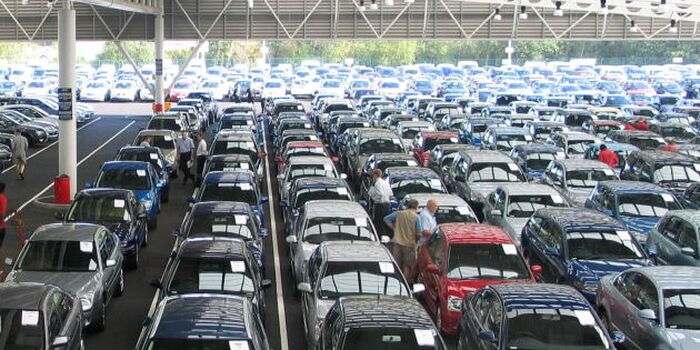
The Ministry of Interior through the National Police Service and the General Service Unit (GSU), has announced a public auction for boarded motor vehicles and used store items.

In a notice, the ministry said the auction, which will be conducted in partnership with Whitestone and Company Auctioneers, will take place on Wednesday, 10 June 2026 at the GSU headquarters in Ruaraka along Thika Road, Nairobi, starting at 10:00 a.m.

“The National Police Service through the General Service Unit (GSU) in conjunction with the appointed registered auctioneer, M/s Whitestone and Company Auctioneers of P.O. Box 79157-00400, Nairobi will sell by Public Auction the listed used Motor Vehicles, Generators, Office furniture and equipment at General Service Unit (GSU) headquarters, Ruaraka along Thika Road, Nairobi on Wednesday 10th June, 2026 starting at 10:00am,” the notice reads.

Among the listed vehicles are Toyota Land Cruisers, Land Rover models, buses, vans, and trucks, with some reserve prices starting from as low as Sh5,000.

The vehicles are stationed in various locations including GSU Ruaraka, GSU Camp Kainuk, Kakong Police Post, GSU Camp Ruiru, GSU Nadapal, GSU Burmayo and GSU Tot.

Below is the full list of the listed vehicles:

  1. Toyota Landcruiser Caravan GK A170F — Sh50,000
  2. Toyota Landcruiser Pick-Up GK A729F — Sh10,000
  3. Isuzu FTS 33 GK A464T — Sh70,000
  4. Landrover 109 GK B498 — Sh30,000
  5. Landrover TDI 300 GK A912D — Sh50,000
  6. Toyota Landcruiser Caravan GK A496F — Sh50,000
  7. Toyota Landcruiser Pick-Up GK A753F — Sh20,000
  8. Toyota Landcruiser Pick-Up GK A480G — Sh20,000
  9. Landrover Defender 110 GK U441 — Sh70,000
  10. Isuzu FTS 33 GK B718B — Sh30,000
  11. Grandtiger Double/Cabin GK B368C — Sh60,000
  12. Grandtiger Double/Cabin GK B371C — Sh50,000
  13. Landrover TDI 300 GK A954G — Sh60,000
  14. Landrover TDI 300 GK A909D — Sh15,000
  15. Toyota Landcruiser Pick-Up GK B796B — Sh30,000
  16. Landrover GK A738Q — Sh60,000
  17. Toyota Landcruiser Pick-Up GK B553C — Sh20,000
  18. MRAP/STYRE GK B582W (Police Riot Control) — Sh50,000
  19. Kinglong Bus GK B077C — Sh200,000
  20. Toyota Landcruiser Pick-Up GK A614L — Sh40,000
  21. Isuzu FTS 33 GK A760L — Sh100,000
  22. Grandtiger Double/Cabin GK B346C — Sh40,000
  23. Toyota Landcruiser Pick-Up GK A895E — Sh50,000
  24. Grandtiger Double/Cabin GK B311C — Sh50,000
  25. Mitsubishi Pajero GK Z860 — Sh70,000
  26. Kinglong Bus GK B081C — Sh250,000
  27. Grandtiger Double/Cabin GK B307C — Sh5,000
  28. Toyota Landcruiser Station Wagon GK A020F — Sh10,000
  29. Toyota Land Cruiser Pick-Up GK B134J — Sh70,000
  30. Landrover 110 Petrol GK Z854 — Sh40,000
  31. Nissan Van GK A917J — Sh70,000
  32. Isuzu FTS GK A094T — Sh120,000
  33. Isuzu FTS GK A465T — Sh100,000

How to bid

The vehicles will be sold on an “as-is-where-is” basis. Viewing of the listed items commenced on Tuesday, 26 May 2026 and is set to run until 9 June 2026 between 9:00 a.m. and 4:00 p.m., excluding weekends and public holidays,

The Ministry noted that the listed items are not warranted by the GSU or the Auctioneer, and encouraged interested bidders to inspect and verify details of each item before purchasing.

Bidders participating in the motor vehicle auction will be required to pay a refundable deposit of Sh50,000 to obtain a bidding number from the appointed auctioneer, while those bidding for other store items will pay a refundable deposit of Sh2,000.

The deposit will be treated as part-payment for successful bidders. Successful bidders will be required to pay a deposit of 25 percent of the purchase price by the fall of the hammer to the cash office at GSU headquarters and obtain an official receipt.

The remaining balance must be cleared within seven days after the auction failure to which the initial deposit will be forfeited and the items offered to the second highest bidder.

Buyers must collect purchased items within 14 days after payment, failing which a storage fee of Sh1,000 per day will apply.

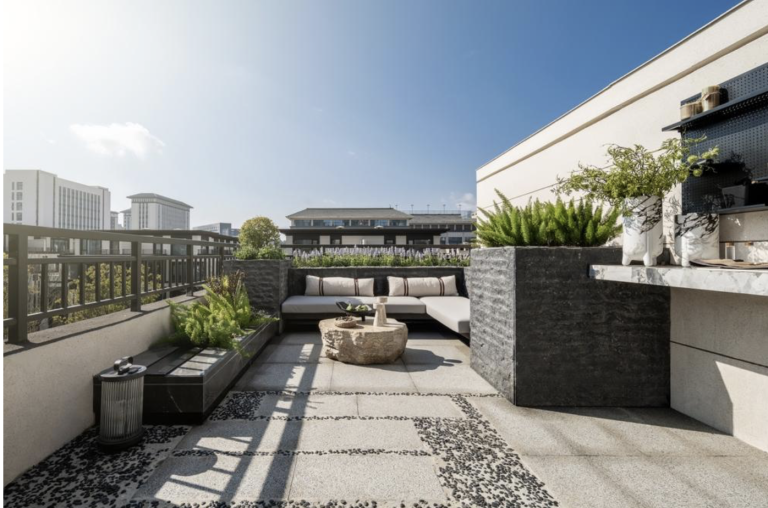
Also Read: 8 tips for creating a cosy and beautiful outdoor space

CS statement on Kenya’s fuel supply stability, global market dynamics, and the G2G framework

0

The Government remains fully committed to ensuring reliable, accessible, and affordable energy for all Kenyans. Kenya’s priority is clear: keep fuel flowing, keep the economy moving, and protect citizens from unnecessary shocks.

I wish to shed more light on two key issues: supply and price.

On supply, Kenya remains secure. Fuel continues to arrive as scheduled, storage
levels are stable, and distribution across the country is ongoing without interruption. There is no national shortage, and systems at the Port of
Mombasa and inland depots continue to operate normally. We have institutionalised spot checks at all levels of storage and supply to ensure full compliance.

On price, this is determined by global market forces beyond the control of any single country. While international prices have risen and fluctuated in recent months, Kenya’s systems are designed to mitigate these changes in a structured and predictable way.

At a time when global energy markets remain uncertain, Kenya’s fuel supply remains secure, stable, and well-managed. The G2G framework is working as intended – anchoring supply, reducing exposure to volatility, and providing a buffer during global uncertainty.

Africa’s Energy Wealth: Why good governance must power a just transition

This framework provides Kenya with a key advantage: predictability. This stability has been one of Kenya’s biggest advantages in managing supply reliability and cushioning consumers from even sharper price shocks. Beyond this, the G2G framework has also enabled greater diversification in sourcing fuel. Cargoes are now being loaded from a broader range of international supply points, including Europe, the US Gulf Coast, India, and the Red Sea region.

This diversification strengthens resilience, reduces reliance on any single route,
and ensures continuity even when traditional supply channels face disruption.

Additionally, we continue to benefit from the stability of the G2G framework in pricing: in that, while our freight and premium costs remained relatively stable at approximately USD 78 – 97 per tonne under pre-agreed arrangements, some markets exposed to open spot purchasing experienced freight and premium costs rising to approximately USD 250 – 300 per tonne
during the same period.

There are early signs that global pressures may begin to ease. Changes in demand patterns and improved supply routing are gradually stabilising
international markets. While the situation remains fluid and unpredictable, the direction is encouraging.

In the fullness of time, as global conditions stabilise, Kenyans can expect the benefits to be felt progressively through this system. In the long-term plans are also underway to get our own refineries here in our region.

We will continue to engage closely with all stakeholders across the energy value chain including; manufacturers, oil marketing companies, transport and logistics players, public transport operators, distributors and sector regulators while keeping the public informed as the situation evolves.

8 tips for creating a cosy and beautiful outdoor space

Your outdoor space should feel like a natural extension of your home — a place to relax, unwind, and enjoy time with loved ones. Whether you have a large backyard, a small balcony, or a sunny patio, there are plenty of ways to make it feel both inviting and stylish. In this article, we at vidaXL share eight easy tips to help you design a cosy, beautiful outdoor area that’s fantastic for entertaining or simply enjoying a quiet morning coffee.

1. Choose the right outdoor furniture set

The foundation of any cosy and beautiful outdoor space is the furniture. A well-chosen outdoor furniture set creates structure, comfort, and functionality — transforming your patio, garden, or balcony into a space you’ll actually want to spend time in. 

Start by thinking about how you’d like to use the space. Are you planning to entertain guests over dinner? Lounge with a book in the sun? Or maybe a bit of both? At vidaXL, you’ll find a wide range of outdoor furniture sets that suit all kinds of needs, styles, and spaces. Consider the size and layout of your outdoor area. A compact bistro set is ideal for smaller spaces, while a full dining or lounge set works beautifully on larger patios. Look for modular furniture if you want more flexibility. Material is just as important.

Rattan and wicker offer a natural, laid-back look and feel.
Wooden sets bring warmth and timeless appeal.
Metal frames give a modern, minimalist edge and are often easy to clean


Cushions and upholstery also matter — opt for weather-resistant fabrics and add throws or extra pillows for that soft, cosy finish. Whether you prefer classic, rustic, or contemporary, there’s a style to match every taste. On vidaXL, you can explore outdoor furniture sets that combine both comfort and visual appeal, helping you create an outdoor space that’s ready for anything — from casual lounging to dinner parties under the stars.

2. Add flowers and lush greenery

No outdoor space feels truly complete without the presence of plants and flowers. They bring colour, fragrance, movement, and life — and they help turn even the smallest balcony or courtyard into a calming green retreat. Whether you prefer a curated garden bed or a more wild and natural look, greenery adds softness and vibrancy to any settin

Start by choosing a mix of potted plants, hanging baskets, and garden beds. Grouping plants together in clusters of varying heights and textures creates a lush, layered effect.

If you’re working with a small space, consider going vertical: plant walls, stacked pots, or climbing plants can help you make the most of every inch.

How to remodel your house cheaply like a pro

Seasonal flowers like lavender, petunias, or geraniums add colour and scent, while leafy favourites like ferns, ivy, and ornamental grasses offer greenery all year round. You can even include herbs like rosemary, thyme, or mint for something both beautiful and useful.

Make sure your plant choices match the light and climate conditions in your area.

Choose sun-loving varieties for open areas and shade-tolerant plants for covered patios or balconies. And don’t forget to add stylish pots or planters to tie everything together with the rest of your décor. Plants bring a sense of calm, beauty, and freshness to your outdoor space. The more you surround yourself with greenery, the more your patio or garden will feel like a private oasis.

3. Create warmth with an outdoor fireplace or fire pit

There’s something undeniably cosy about gathering around a crackling fire. An outdoor fireplace or fire pit adds warmth, ambience, and a natural gathering point — turning your outdoor space into a place you’ll want to use year-round, even on cooler evenings.

Depending on your space, you can choose between built-in fireplaces, freestanding fire pits, or portable fire bowls. A fire pit works beautifully in an open garden or patio, while a compact fire bowl is ideal for smaller spaces like balconies or terraces.

 Here’s why a fire feature is such a great addition: 

It creates soft, flickering light, amazing for relaxed evenings.
It provides warmth, letting you enjoy your outdoor space even in early spring or late autumn.
It encourages togetherness, whether you’re sharing stories, roasting marshmallows, or simply soaking in the glow

Choose a style that suits your aesthetic — from rustic steel bowls to sleek, modern designs. If you prefer low-maintenance options, consider gas-powered fire pits, which offer the same cosy feel without smoke or ash. To make the area even more inviting, surround your fire pit with outdoor chairs or a lounge set, add cushions and blankets, and place lanterns or candles nearby for extra atmosphere.

4. Use outdoor lighting to set the mood

Lighting can completely transform your outdoor space — especially after the sun goes down. The right outdoor lighting from vidaXL not only improves visibility, but also adds ambience, warmth, and a touch of magic to your evenings outside.

Start by thinking about function and atmosphere. You’ll want some lighting for safety and visibility — such as solar-powered pathway lights or wall-mounted fixtures near entrances. Then, layer in softer lighting to create mood and cosiness.

Some great options include:

String lights – These are a classic for a reason. Drape them across fences, balconies, pergolas or between trees for an instant glow.
Lanterns and LED candles – Ideal for tabletops or floor level to bring soft, flickering light.
Spotlights – Use them to highlight trees, sculptures or architectural features.
Solar stake lights – An easy, eco-friendly way to illuminate flower beds or paths without wiring.


Try to mix different light sources and levels to create depth and dimension. For example, combine overhead string lights with smaller, low-level lanterns or candles for a layered effect. Warm white tones are usually the best choice, as they create a calming, inviting glow — not the harsh glare of cool-toned bulbs.

With a little creativity, lighting can help turn your outdoor space into a place that feels just as inviting after dark as it does during the day. And the best part? You don’t need much to make a big impact.

Good Fundi: Your ultimate stop for all real estate, property facelift services

5. Incorporate textiles for comfort and style

One of the easiest ways to make your outdoor space feel warm, cosy, and lived-in is by adding textiles. Just like indoors, cushions, throws, and rugs help soften the look and bring a sense of comfort that encourages you to linger a little longer.

 Start with outdoor cushions — whether they’re on your lounge set, dining chairs or bench seating, they instantly elevate the space. Go for weather-resistant fabrics that can withstand sun and light rain, and don’t be afraid to mix and match colours and textures to reflect your style.

 A well-placed outdoor rug helps define different zones (like a lounge or dining area), while also adding warmth underfoot. Choose a design that complements your furniture and surroundings — from earthy neutrals to bold patterns that make a statement.

To really ramp up the cosiness, drape a few soft blankets over chairs or keep a woven basket with throws nearby for cooler evenings. Not only do they serve a practical purpose, but they also make your space feel cared for and personal.

You can also add fabric elements like outdoor curtains to frame a pergola or provide shade and softness to a balcony. They sway beautifully in the breeze and make everything feel just a bit more inviting

6. Define zones for dining, lounging and more

To make your outdoor space both functional and inviting, it helps to think in zones — just like you would inside your home. Whether you have a large backyard or a modest balcony, defining different areas for different activities gives your space structure and flow. Start by thinking about how you use (or want to use) your outdoor area. Most people benefit from at least two zones:

A dining area for meals, drinks, and entertaining
A relaxation area for lounging, reading or enjoying quiet time


Use your outdoor furniture set to anchor each zone — for example, a dining table and chairs for one area, and a sofa or lounge chairs in another. Then, use elements like rugs, planters, or lighting to help visually separate the spaces.

Even in small spaces, you can define zones by changing up seating styles or adding a small side table and a lantern to mark out a cosy reading nook. A bench with cushions and potted plants can create a peaceful corner in an otherwise open space.

Having clear zones not only makes your outdoor space feel more spacious and organised, but it also allows you to enjoy it in more ways — from casual brunches to peaceful evening wind-downs.

Will building rental houses be a good investment for you?

7. Add shade and shelter for year-round comfort

If you want to use your outdoor space in more than just ideal weather, adding shade and shelter is essential. Not only does it offer protection from harsh sun or light rain, it also helps define the space and create a sense of intimacy — making your patio or garden feel like a true extension of your home.

There are plenty of stylish options, depending on your space and needs:

A large outdoor umbrella is a quick and flexible solution. Easy to move and adjust, it works well over dining tables or lounge sets.
Pergolas and gazebos provide more structure and can be fitted with curtains or climbing plants for added shade and privacy.
Shade sails are a minimalist and modern choice, especially for larger open spaces or over poolside areas.


If you’re working with a smaller space like a balcony, consider using a retractable awning or even light outdoor curtains that you can draw for shade or sun as needed.

Sheltered spaces also help protect your outdoor furniture and textiles, extending their lifespan and making the area easier to maintain.

 To enhance the cosiness factor, think about adding string lights, lanterns or hanging planters underneath the shade — these little touches make it feel like a room, not just an outdoor area.

When you create comfortable shelter, your outdoor space becomes usable no matter the weather — great for long lunches in summer or quiet coffee breaks in spring and autumn.

 8. Personalise with décor and accessories

The finishing touches are what turn an ordinary outdoor area into a space that feels uniquely yours. With a few thoughtful accessories, you can bring out your personality and create an outdoor space that’s just as expressive and inviting as your interior.

Start by thinking about what mood you want to create — is it calm and serene? Vibrant and social? Minimal and modern? Then choose décor pieces that reflect that feeling.

Some simple ways to add personality:

Planters in your favourite colours or materials
Outdoor artwork or mirrors to reflect light and create depth
Lanterns, candles, or fairy lights for a soft, magical glow
A decorative tray on a table to gather smaller objects like napkins, a vase or a small plant
Wind chimes or water features to bring sound and movement into the space


Even a small side table, a quirky cushion or a vintage piece can bring charm and uniqueness. And don’t underestimate the power of greenery — a dramatic potted plant can double as a statement décor item.

The key is not to overdo it — a few well-chosen accessories go a long way. Keep the space comfortable, uncluttered, and true to your style. With the right personal touches, your outdoor area becomes more than just functional — it becomes a space that tells a story, invites you in, and makes you feel at home.

Your outdoor oasis awaits

At vidaXL, we believe that your outdoor space should be just as inviting and personal as any room inside your home. With the right furniture, lighting, greenery and accessories, you can create a space that’s great for relaxing, entertaining, and enjoying the fresh air — all year round. Whether you’re working with a spacious garden or a compact balcony, it’s the thoughtful touches that make it feel like yours. Take inspiration from these tips, explore different textures, play with layout, and don’t forget to make it cosy. Your dream outdoor oasis is just a few steps away.

Facility for Americans exposed to deadly Ebola to be constructed in Laikipia

0

The United States of America is setting up a facility that will house Americans who have been exposed or infected with the deadly Ebola disease.

According to a report that appeared in the Daily Nation on Friday, the facility is being constructed, staffed and operated by Americans only. It is being build near the British military establishments in Laikipia County.

The newspaper quoted sources privy to the matter saying that American health experts have already arrived in Kenya to oversee the new installation.

News about the government of President William Ruto allowing such a facility in Kenya have spread and ignited public wrath. However, the government has remained silent over the issue which was first revealed by the New York Times.

According to US Secretary of State Marco Rubio, the United States is not going to allow anyone who has come into contact with the disease anywhere near the US borders.

To ensure this, the US government reached out to President Ruto who accepted to host Americans who have contracted the disease or come into contact with the disease.

Following a call with President Ruto, the office of the US Secretary of State announced that the United States would give Kenya $13.5 milliom (equibalent to about Sh1.7 billion) for ‘Ebola preparedness efforts,’ even as public outrage ggew over the US quarantine facility.

In the statement, Rubio reiterated that the US priority was to prevent Ebola from getting to America.

“The United States’ highest priority remains protecting the health and security of the American people by working to prevent the Ebola outbreak from reaching our shores,” said Rubio.

Ruto govt spends Sh1.1 trillion on office supplies like tea, snacks, fuel in 9 months

On Friday, though, Kenyans got a reprieve after the High Court barred the government of President Ruto from establishing or facilitating the establishment of an Ebola isolation facility on Kenyan soil on behalf of the United States.

The High Court issued these orders that shall remain in force pending the hearing of a petition that has been filed by the Katiba Institute.

Absa Bank Kenya PLC records Kshs. 5.3 billion profit after tax as total assets surge by 10% to Kshs. 571 billion

Absa Bank Kenya PLC has reported a profit after tax of KShs. 5.3 billion and delivered Return on Equity of 20.3% for the quarter ending March 31, 2026, reinforcing its unwavering focus to supporting customers while investing in long-term resilience amidst constraints in the operating environment.

Through continued investment in customer-centric innovation, prudent risk management, and disciplined cost control, Absa strengthened its position as a trusted partner, helping customers navigate uncertainty while laying the foundation for sustainable growth.

Customer deposits increase

During the period, customer deposits increased by 8% to Kshs. 399.1 billion, while customer loans and advances closed at Kshs. 303.8 billion, as the Bank scaled efforts to empower the financial dreams of individuals, households and businesses. Total assets grew by 10% to Kshs. 571.3 billion, underscoring the strength of the balance sheet.

Speaking about the financial results, Absa Bank Kenya PLC Managing Director and CEO, Abdi Mohamed, said: “It has been a demanding period for our customers and the broader economy, but our focus has been on standing alongside those we serve. While our performance reflects these pressures, our actions are guided by a long-term view, supporting our customers today while safeguarding the strength of our business for the future.”

Absa Bank Kenya full year net profit rises 27.5pc to Sh20.9 billion

Revenue growth

During the period under review, the Bank recorded total revenue of Kshs. 14.7 billion, through disciplined cost-of-funds management, reflecting the impact of a lower interest rate environment. Against the backdrop of shifting market dynamics, net interest income closed at Kshs. 10.4 billion, while non-interest income closed at Kshs. 4.3 billion for the quarter ending 31 March 2026. Notably, the Bank continued to accelerate its revenue diversification agenda, with total income from subsidiaries growing by 25% year-on-year.

“Underpinned by our purpose of “Empowering Africa’s tomorrow, together, one story at a time, this set of results illustrates the strength of our franchise and the deliberate execution of our strategy in a dynamic market. As we continue to transform, our focus is firmly on deepening customer relationships, accelerating innovation, and delivering sustainable value for our stakeholders,” said Mr. Mohamed.

The Bank’s strategy continues to deliver measurable commercial momentum while strengthening its competitive position across the franchise. In Private and Personal Banking, Absa scaled its high-net-worth wealth offering and continued to innovate with a leading platinum card proposition, contributing to its recognition as Best Retail Bank Kenya 2026.

SME growth

In Business Banking, Absa accelerated its anchor ecosystem client acquisition, improving access to working capital for its MSME customers through the “WEZESHA” value-chain financing programme, digital merchant’s payment solution “Lipa na Absa”, business credit card solutions, among others. The Bank continued to invest in material enhancements in its propositions, including the strengthening of its Asset-Based Finance (ABF) proposition that was re-launched in April 2026.

Absa Group CEO affirms Kenya’s position as a regional financial hub during three-day visit

In Corporate Banking, the Bank consolidated its leadership position, ranking first in East Africa for M&A by deal value and underscoring the strength of its sector coverage model and bespoke mandates. The Global Markets unit also continued to innovate, introducing new currency pairs, expanding non-funded income, and diversifying earnings.

Absa continues to invest in brand and stakeholder initiatives that directly support business growth and deepen market relevance. Flagship platforms such as the Magical Kenya Open, Absa Sirikwa Classic, and Absa Kip Keino Classic remain integral to strengthening customer engagement and reinforcing the Bank’s presence across key ecosystems. These initiatives, alongside ongoing partnerships, continue to enhance connection with customers and stakeholders while supporting commercial momentum.

Building on this, the Bank remains committed to advancing sustainable and inclusive growth. The Absa Kenya Foundation launched the CirculaRising programme, supporting more than 2,000 women- and youth-led MSMEs in the circular economy with capacity to impact more than 30,000 livelihoods. We also delivered flagship events, including the Magical Kenya Open, Absa Sirikwa Classic, and Absa Kip Keino Classic, deepening stakeholder engagement and strengthening our connection with the communities we serve.

“We continue to bring our purpose to life through the way we serve our customers and communities. As we look ahead, we are accelerating investments in digital capabilities, customer experience, and strategic partnerships to build a more agile, efficient, and future-ready organisation positioned to deliver sustainable growth,” added Mr. Mohamed.

Absa Bank Kenya PLC records Kshs. 5.3 billion profit after tax as total assets surge by 10% to Kshs. 571 billion
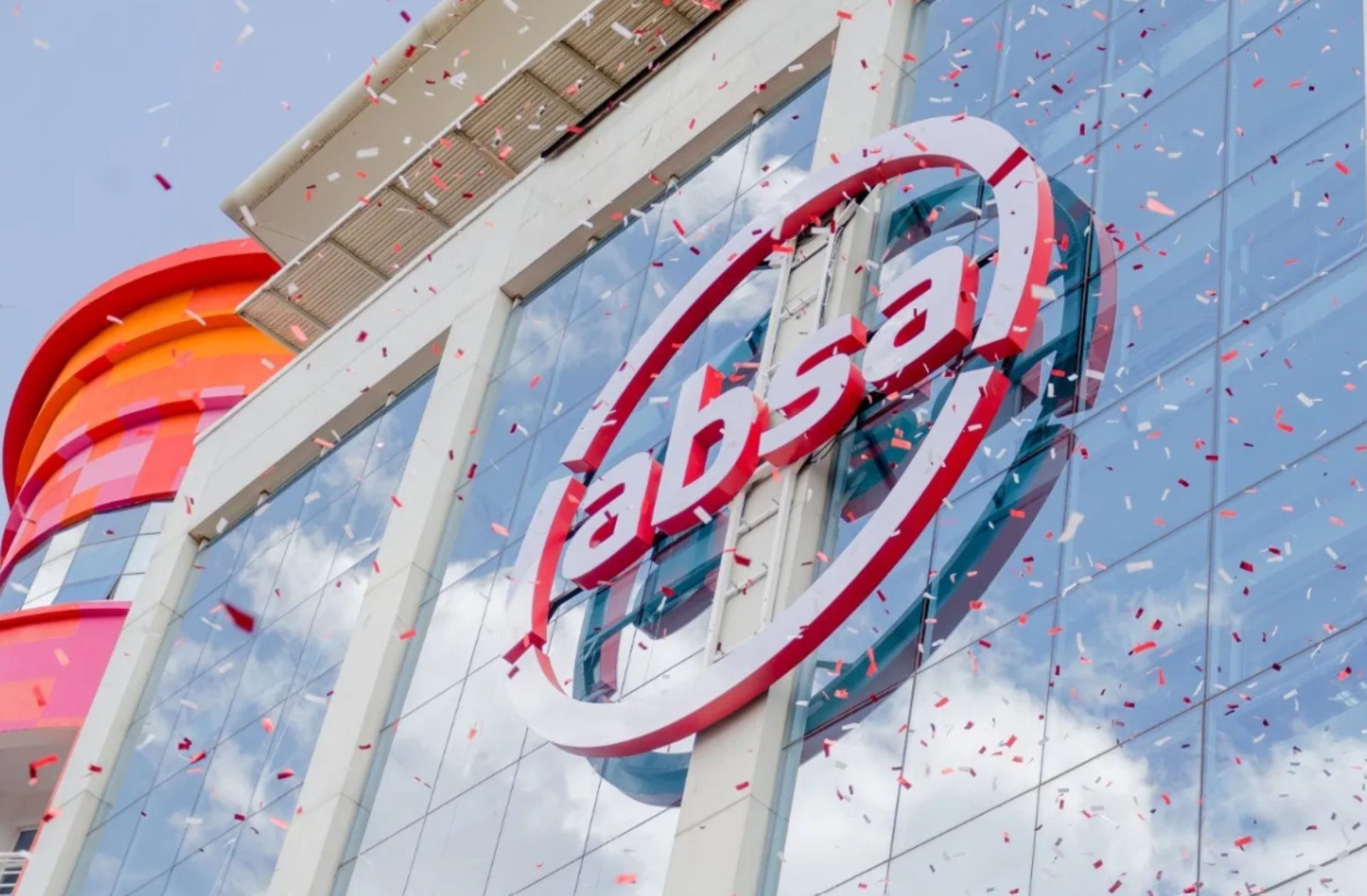
Absa HQ

Absa Bank Kenya posts Sh5.3 billion Q1 profit as assets rise to Sh571 billion

0

Absa Bank Kenya PLC has posted a profit after tax of Sh5.3 billion for the quarter ended March 31, 2026, as the lender maintained strong balance sheet growth despite operating in a challenging economic environment.

The bank reported a return on equity of 20.3 percent during the period, underpinned by sustained investment in customer-focused innovation, prudent risk management, and disciplined cost control measures.

Customer deposits rose by 8 percent to Sh399.1 billion, while customer loans and advances stood at Sh303.8 billion, reflecting continued support for households, individuals, and businesses. Total assets increased by 10 percent to Sh571.3 billion, highlighting the lender’s strengthened financial position.

Speaking during the release of the results, Absa Bank Kenya PLC Managing Director and CEO Abdi Mohamed said the bank remained focused on supporting customers through a difficult economic period while positioning the business for long-term sustainability.

“It has been a demanding period for our customers and the broader economy, but our focus has been on standing alongside those we serve. While our performance reflects these pressures, our actions are guided by a long-term view, supporting our customers today while safeguarding the strength of our business for the future,” he said.

Total revenue for the quarter stood at Sh14.7 billion, supported by disciplined management of funding costs amid a lower interest rate environment. Net interest income closed at Sh10.4 billion, while non-interest income reached Sh4.3 billion.

The lender also continued to diversify its revenue streams, with income from subsidiaries growing by 25 percent year-on-year.

In the retail segment, the bank expanded its high-net-worth wealth offering and enhanced its premium card propositions, contributing to its recognition as Best Retail Bank Kenya 2026.

The Business Banking division strengthened support for micro, small and medium-sized enterprises (MSMEs) through initiatives such as the WEZESHA value-chain financing programme, the “Lipa na Absa” digital payments platform, and business credit card solutions. The bank also enhanced its Asset-Based Finance proposition, which was relaunched in April 2026.

Within Corporate Banking, Absa retained a leading position in mergers and acquisitions advisory, ranking first in East Africa by deal value. Its Global Markets business also expanded its product offering through the introduction of new currency pairs and growth in non-funded income streams.

The bank said continued investment in brand and stakeholder initiatives remained central to strengthening customer engagement and market relevance. Key sponsorship platforms included the Magical Kenya Open, Absa Sirikwa Classic, and Absa Kip Keino Classic.

Absa also advanced its sustainability agenda through the Absa Kenya Foundation’s CirculaRising programme, supporting more than 2,000 women- and youth-led MSMEs operating within the circular economy. The initiative is expected to positively impact more than 30,000 livelihoods.

Looking ahead, the lender said it would continue investing in digital transformation, customer experience, and strategic partnerships as it seeks to strengthen operational efficiency and deliver sustainable growth.

“We continue to bring our purpose to life through the way we serve our customers and communities. As we look ahead, we are accelerating investments in digital capabilities, customer experience, and strategic partnerships to build a more agile, efficient, and future-ready organisation,” Mr Mohamed said.

Also Read: Equity Group emerges as most profitable Kenyan bank in Q1 2026

JSC advertises 33 job vacancies; how to apply

0

The Judicial Service Commission (JSC) has announced job vacancies for professionals across various fields.

The latest recruitment targets both advocates and non-advocates and aims to fill 33 vacancies within tribunals, corporate communication, strategy, research, internal audit, risk management, and information systems audit.

The advertised positions are:

  1. Chairperson, Land Acquisition Tribunal-1
  2. Chairperson, National Civil Aviation Administrative Review Tribunal -1
  3. Chairperson, Business Premises Rent Tribunal (BPRT) -1
  4. Member, Business Premises Rent Tribunal (BPRT) -3
  5. Ad hoc member, Political Parties Disputes Tribunal (Advocate) -9
  6. Ad hoc member, Political Parties Disputes Tribunal (non-advocate) -9
  7. Director, Public Affairs and Corporate Communication -1
  8. Deputy director, strategy, planning, monitoring and evaluation -1
  9. Deputy director, research and data analytics -1
  10. Deputy director, organisational productivity and quality assurance-1
  11. Deputy director, internal audit-1
  12. Deputy director, risk management -1
  13. Assistant director, information systems audit-1
  14. Member Industrial Property Tribunal (non-advocate) – 2

How to apply

Interested and qualified candidates are directed to submit applications online via the JSC official recruitment portal by June 12, 2026.

“Interested and qualified persons are asked to visit our jobs portal for detailed job descriptions, requirements for appointment, and instructions on how to apply. All applications should reach the commission not later than Friday, June 12, 2026, at 5.00 pm,” JSC stated.

As an equal opportunity employer, the Judicial Service Commission noted that it selects candidates based on merit from a broad pool of qualified applicants through a fair and transparent competitive process.

The commission warned that any form of canvassing would lead to automatic disqualification. Additionally, only  shortlisted candidates will be contacted.

Also Read: How a simple Sh100 daily habit can help you save Sh11,000 a month

Embedding Project Management in Public Sector Decision-Making essential for improved development outcomes

0

Project management must be embedded more firmly within public sector policy and decision-making frameworks if Kenya is to strengthen government delivery and achieve sustainable development impact.

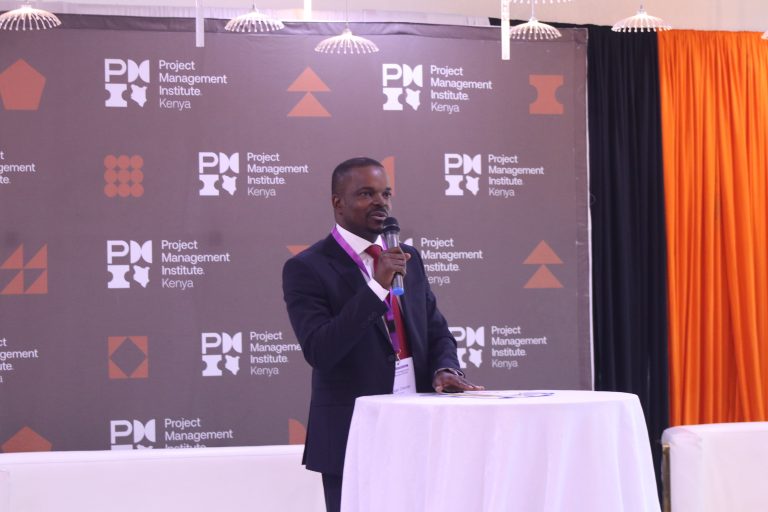
Speaking during the Government and Public Sector Industry Project Management Conference 2026 in Nairobi, Dr Sitati Olando, Head of Government Delivery (HGD), emphasized the strategic role of project management in translating national priorities into measurable outcomes, calling for stronger collaboration, greater professional influence in policy making, and more structured approaches to public sector implementation.

“Project management must occupy a stronger place in the public space. If we are to influence policy and deliver meaningful impact, we must be at the decision-making table,” said Dr. Olando.

He called on project management professionals and institutions to work collectively to elevate the profession’s role in government delivery systems, including establishing a technical team to lead discussions on integrating project management more deeply into public sector policy and implementation frameworks.

Nairobi to host Government and Public Sector Project Management conference

Dr. Olando also underscored the importance of value creation in public sector delivery, urging practitioners to leverage technology, stakeholder engagement, and collaborative approaches to improve project outcomes and service delivery.

Highlighting the profession’s growing global relevance, he challenged stakeholders to transform project management into a broader movement capable of shaping governance and development outcomes.

“We have a duty to grow this profession and expand its contribution to national development. I am encouraged by its progress and believe we can grow beyond 10,000 members. Government stands ready to support this journey,” he added.

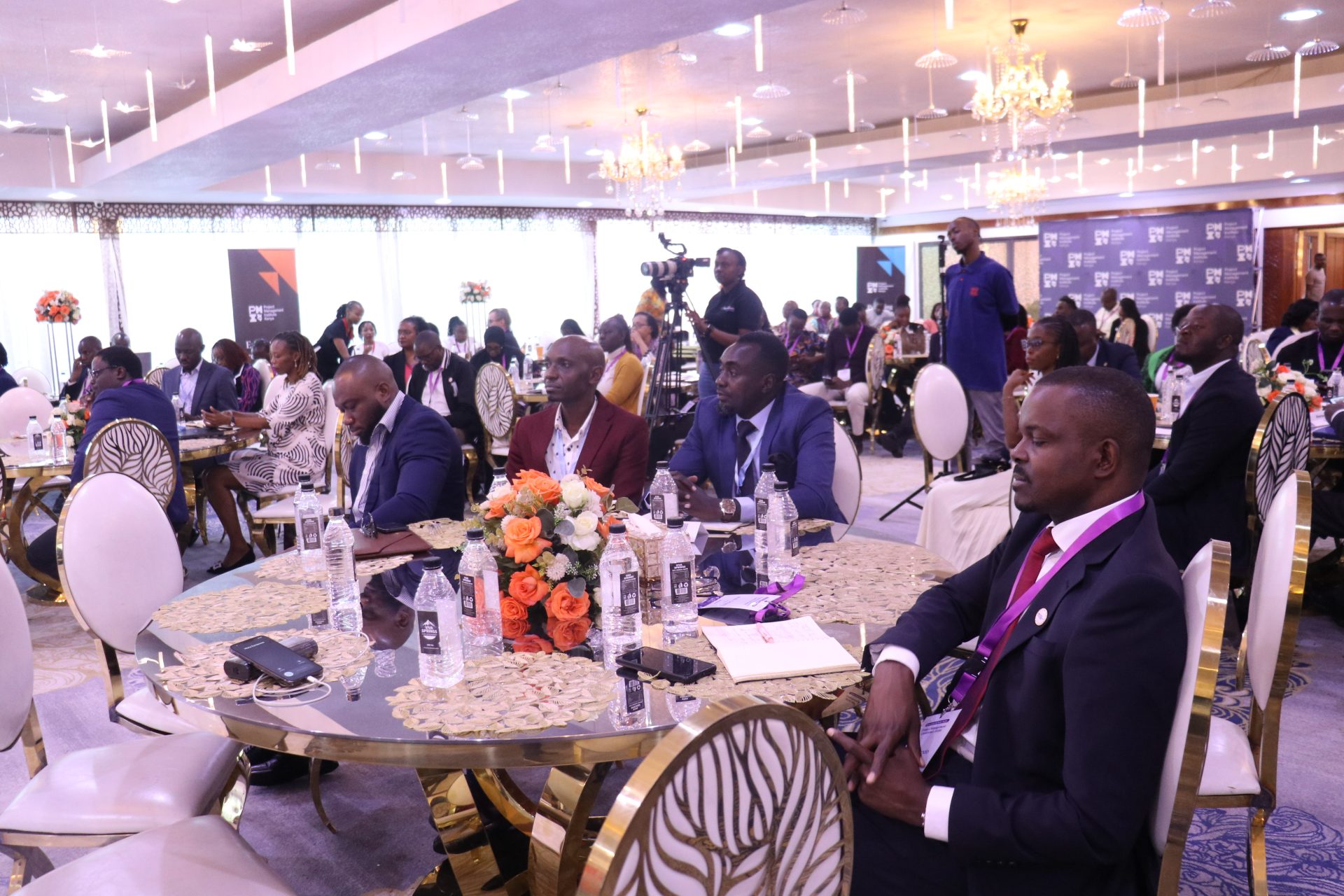
The conference, convened by PMI Kenya Chapter under the theme “Delivering Kenya’s Development Agenda Through Project Management” and the tagline From Policy to Impact,” brought together leaders from government ministries, county governments, state corporations, development agencies, academia, and the private sector to explore ways of strengthening project delivery, accountability, and development impact.

In her remarks, Maureen Ochang, President of PMI Kenya Chapter, highlighted the urgent need to strengthen execution systems within public institutions.

“Kenya has no shortage of strong policies and ambitious development plans. The challenge has consistently been execution. This conference is about equipping public sector professionals with the tools, frameworks, and networks needed to translate policy into tangible, measurable impact,” she said.

PMI launches the shift code™ podcast on project management & innovation

Ochang noted that public investment remains one of Kenya’s most important instruments for national transformation, with development expenditure accounting for approximately 30–35 per cent of government spending in recent years. However, implementation challenges continue to undermine outcomes, with studies indicating that up to 40 per cent of public projects in developing economies experience delays, cost overruns, scope changes, or fail to fully achieve their intended objectives.

According to PMI global research, organizations that adopt standardized project management practices waste 28 times less money than those that do not, highlighting the significant governance, efficiency, and public finance benefits associated with stronger project management systems.

The conference featured discussions on project governance, risk management, digital transformation, performance measurement, and accountability in public projects, with participants examining practical approaches to strengthening implementation across Kenya’s development agenda, including Vision 2030 and related national priorities.

As governments navigate increasingly complex delivery environments and rising citizen expectations, participants underscored the need to institutionalize project management as a strategic capability for public sector transformation, effective service delivery, and sustainable development outcomes.