
Home Blog Page 52

4 Fanikisha loans helping women in business unlock growth

Across Kenya, women-owned businesses continue to play a critical role in driving economic growth, creating jobs, and supporting households.

From small retail shops and agribusiness ventures to manufacturing enterprises and large-scale trading firms, women entrepreneurs are increasingly making their mark in the economy.

Despite their growing influence, access to affordable and flexible financing remains one of the biggest challenges facing women in business.

Limited collateral, inadequate working capital and difficulties in accessing growth financing often slow down expansion plans and prevent promising enterprises from reaching their full potential.

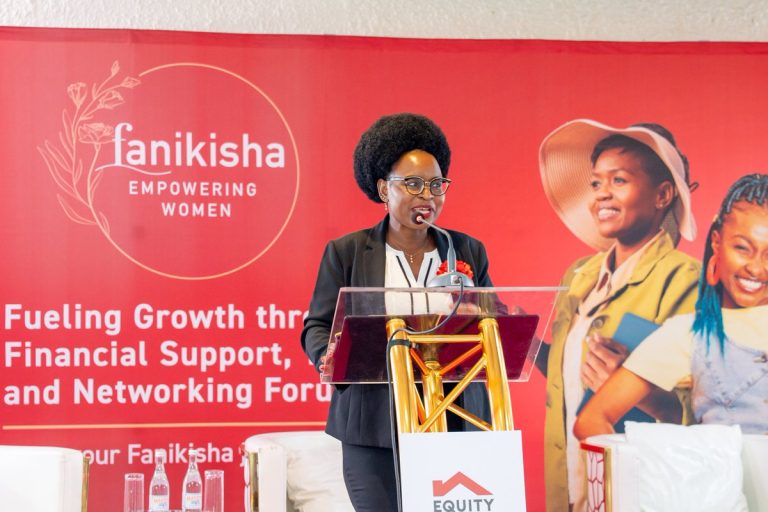
To bridge this gap, Equity Bank’s Fanikisha programme offers tailored financial solutions designed specifically for women entrepreneurs at different stages of their business journey.

Whether a business is just starting out or has grown into a large enterprise, Fanikisha provides financing, business support, mentorship and networking opportunities aimed at helping women achieve sustainable growth.

The programme is structured into four categories that cater to businesses based on their age and turnover.

  1. Shaba – For Start-Up Women Entrepreneurs

Shaba is designed for women running businesses that have been in operation for less than 12 months.

The package provides access to business loans of up to Sh10 million backed by a 100 percent cash guarantee from individuals such as family members or friends.

Entrepreneurs can also access up to 80 percent Local Purchase Order (LPO) financing, enabling them to fulfil business contracts and grow their enterprises.

Additionally, customers can access instant mobile loans ranging from Sh100 to Sh3 million through Equitel, the Equity Mobile App, or *247*6#.

Beyond financing, Shaba members benefit from affordable health cover for their families, debit and credit card solutions, mobile banking services, PayPal withdrawal capabilities and free payment collection through One Equity Till Number.

The package also offers entrepreneurship training, mentorship programmes and networking opportunities that allow women to learn from successful business leaders across sectors such as agriculture, education and healthcare.

  1. Dhahabu – Supporting Growing Businesses

Dhahabu targets women entrepreneurs whose businesses have operated for more than 12 months and generate annual turnover of up to Sh50 million.

Under this category, customers can access business loans of up to Sh10 million based on cash flow performance, LPO financing of up to 80 percent and instant mobile loans of up to Sh3 million.

A key feature of Dhahabu is access to unsecured ecosystem working capital solutions of up to Sh10 million, helping businesses address cash flow needs without relying heavily on collateral.

Members also enjoy premium banking services, including Mastercard Platinum and Visa Gold cards, higher credit card limits of up to Sh1 million, mobile banking services and free payment collection solutions.

Like Shaba, the package includes health insurance options, entrepreneurship training, mentorship and networking opportunities designed to help businesses scale to the next level.

  1. Almasi – Powering Established Enterprises

Almasi is tailored for women running businesses that have operated for more than 24 months and record annual turnover between Sh51 million and Sh800 million.

The package offers unsecured business loans of up to Sh10 million based on cash flows, unsecured ecosystem working capital facilities of up to Sh250 million and instant mobile loans of up to Sh3 million.

Women entrepreneurs can also access financing solutions for suppliers and distributors, helping strengthen their value chains and support expansion efforts.

Additional benefits include unsecured bid bonds of up to Sh10 million processed within one hour, tailored health cover, premium banking cards with airport lounge access and credit card limits of up to Sh3 million.

Almasi customers further benefit from Equity Online for Business, e-commerce support through Jenga Payment Gateway and APIs, as well as opportunities to explore international markets through trade missions and business networking platforms.

  1. Platini – Financing Large Businesses

At the top tier of the Fanikisha programme is Platini, a solution developed for women-led enterprises with annual turnover exceeding Sh800 million.

The package offers unsecured loan limits based on working capital requirements and access to unsecured ecosystem working capital facilities of up to Sh250 million.

Customers can also access mobile loans of up to Sh3 million and financing solutions for suppliers, distributors and retail partners.

Other benefits include unsecured bid bonds processed within one hour, tailored health cover, premium Mastercard World Elite and Visa Infinite cards, online banking services and access to international trade opportunities.

The package also supports digital business growth through Jenga Payment Gateway and APIs, enabling seamless e-commerce transactions while helping businesses scale beyond local markets.

Also Read: Unlocking East African trade: How the ITC-Equity partnership empowers MSMEs
Italian Artist Franz Cerami Brings “Jute Portraits” to Kenya in Celebration of Coffee, Culture, Diplomacy and the Mattei Plan.

0

Internationally acclaimed Italian visual artist Franz Cerami has unveiled Jute Portraits, a powerful cultural art project that celebrates the people behind Kenya’s coffee value chain and strengthens the growing cultural and economic ties between Kenya and Italy, in the spirit of the Mattei Plan for Africa.

The project, supported by the Embassy of Italy in Kenya, the Italian Cultural Institute and UNIDO, forms part of Italy’s National Day celebrations in Kenya. It brings together art, coffee, diplomacy and human storytelling through a series of portraits of Kenyan coffee workers, farmers, processors, scientists and other actors who contribute to one of the country’s most important agricultural exports and industrial sector.

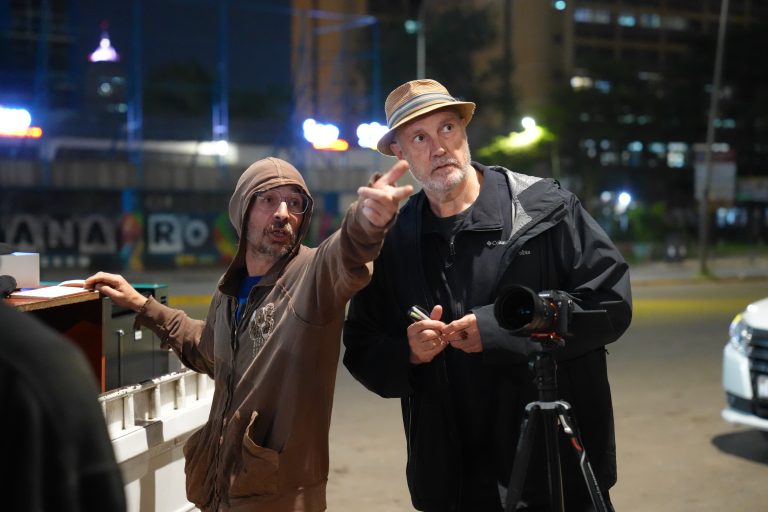
Cerami, one of Italy’s leading contemporary artists working across public art, digital installation, video mapping and visual storytelling, travelled across Kenya in March, photographing about 300 men and women working across the coffee value chain. The portraits were later transformed through a combination of photography, watercolour, graphite and digital painting to create a striking multimedia installation.

The project was inspired by the shared coffee culture between Italy and Kenya. Italy is globally known for its coffee traditions, while Kenya is recognised for producing some of the finest coffee in the world. Through Jute Portraits, Cerami shifts attention from the final cup of coffee to the human beings whose labour, expertise and resilience make that cup possible.

Mabati Rolling Mills launches Safal Eye in the Wild Photography Competition 2026: A new vision for conservation and education through the lens

“Behind every cup of coffee are many hands and many stories,” Cerami said. “There are people who work the land, people who harvest the coffee, people who shape the flavour, people who process it, and people who carry it through the value chain. This project is my journey through Kenya, through its people, roads, coffee and colours.”

The title Jute Portraits refers to the jute bags commonly used to carry coffee. For Cerami, however, the name also speaks to the wider journey of Kenyan coffee. From farms and communities to international markets, cultural spaces and global conversations.

Speaking about the significance of the project, the Ambassador of Italy to Kenya and Seychelles, H.E. Vincenzo Del Monaco, said Italy’s National Day in Kenya is an opportunity to speak about the depth of the relationship between our two countries through the lenses of culture, of creativity, moving the cursor toward people-to-people connections, and bringing to light the human contribution to the bilateral relations. For instance, the one of the Kenyan coffee value chain workers.

Italian Artist Franz Cerami Brings “Jute Portraits” to Kenya in Celebration of Coffee, Culture, Diplomacy and the Mattei Plan.

“With Jute Portraits, we are celebrating the joy and, in a positive sense, the craziness of art,” Ambassador Del Monaco said. “We are bringing colour, music, light and human stories into public spaces. For me, this is one of the most beautiful sides of diplomacy, bringing people together without asking for anything in return. It is not transactional. It is not political. It is simply the joy of art and the immense power of human connection.”

The Ambassador noted that coffee offers one of the strongest bridges between Kenya and Italy. While Italy has perfected the culture, technology and global language of coffee, Kenya produces exceptional coffee that continues to earn global recognition. He said the project highlights not only the economic importance of coffee, but also the people whose work is often hidden behind trade statistics and consumer experiences.

“Coffee is not just a beverage. It is an economic story, a cultural story and a human story,” Ambassador Del Monaco said. “Behind every cup of coffee there is a supply chain, and behind every supply chain there are human beings. That is what Jute Portraits seeks to show.”

The project is expected to travel beyond its public installations in Kenya to major institutional and cultural platforms, including UNIDO headquarters, the National Museums of Kenya, the Ministry of Culture, and the new United Nations Office at Nairobi facility being developed in Kenya. This will give the portraits of Kenya’s coffee workers visibility on national and international stages.

Italian Artist Franz Cerami Brings “Jute Portraits” to Kenya in Celebration of Coffee, Culture, Diplomacy and the Mattei Plan.

For Kenya’s cultural and creative sector, Jute Portraits represents a major moment of artistic exchange. It places Kenyan workers, communities and agricultural heritage at the centre of a contemporary international art project while deepening people-to-people relations between Kenya and Italy.

The project also comes at a time when Kenya is seeking to increase value addition in agriculture, strengthen creative and cultural industries, and expand strategic partnerships with global partners. Through coffee, art and public storytelling, Jute Portraits speaks to a broader vision of Kenya not only as a producer of raw commodities, but as a country of creativity, dignity, skill and cultural depth.

Ambassador Del Monaco said cultural diplomacy plays an important role in his mandate.

“Cultural diplomacy is not an ornament to economic diplomacy. It is a catalyst,” he said. If we want the Italy–Kenya relationship to be resilient, we must go beyond government-to-government relations. We must reach communities, students, artists, farmers, entrepreneurs and families.

About Franz Cerami

Italian Artist Franz Cerami Brings “Jute Portraits” to Kenya in Celebration of Coffee, Culture, Diplomacy and the Mattei Plan.

Franz Cerami is an Italian visual artist from Naples known for his work in public art, digital installations, video mapping and multimedia storytelling. His work often transforms buildings, streets and public spaces into large-scale visual experiences that connect people, place and memory. Cerami has also been recognised internationally for his contribution to Italian design and contemporary visual culture.

About Jute Portraits

Jute Portraits is a multimedia art project by Franz Cerami celebrating Kenya’s coffee value chain through portraits of the people behind the country’s coffee. The project combines photography, painting, digital art and public projection to highlight farmers, workers, scientists, processors and other actors whose labour connects Kenyan coffee to the world.

Unlocking East African trade: How the ITC-Equity partnership empowers MSMEs

0

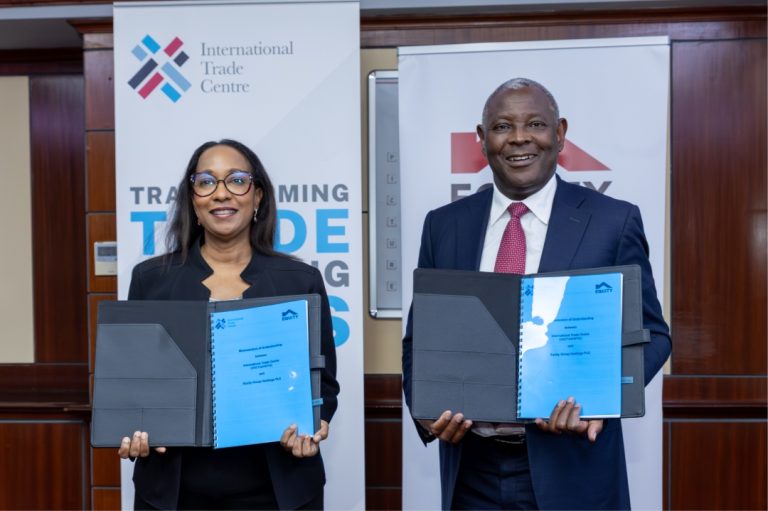
The International Trade Centre (ITC) and Equity Group Holdings PLC signed a memorandum of understanding to drive inclusive, commercially viable economic development across East Africa, starting with Kenya. The agreement targets three high-potential sectors: coffee, leather and creative industries, with an explicit mandate to scale.

The deal pairs ITC’s global trade development expertise with Equity Group’s pan-African financial infrastructure and its Africa Recovery and Resilience Plan (ARRP), a six-pillar regional growth strategy spanning food and agriculture, manufacturing, micro, small and medium-sized enterprises (MSMEs), technology and social impact investments.

Equity Group operates banking subsidiaries in the Democratic Republic of Congo, Kenya, Rwanda, South Sudan, Uganda and the United Republic of Tanzania.

ITC Executive Director Pamela Coke-Hamilton said:

‘We know that access to finance is critical for small businesses – but it has to be matched with the right skills to use it effectively. That’s why we’re partnering with Equity Bank – to ensure small businesses across East Africa can tap both financing and trade expertise to move up the value chain and compete in global markets, from leather to the creative industries.’

Equity Group Managing Director and CEO Dr James Mwangi said the partnership would help unlock opportunities for African entrepreneurs and MSMEs by combining access to finance, trade intelligence and market linkages to accelerate regional trade and industrial growth.

“This partnership reflects our shared commitment to unlocking the immense potential within Africa’s value chains by connecting entrepreneurs, producers and creatives to regional and global markets. Through our Africa Recovery and Resilience Plan, we are intentionally investing in sectors that create jobs, expand exports and drive inclusive economic transformation. By combining access to finance, trade intelligence, capacity building and market linkages, we are building an ecosystem that enables MSMEs in coffee, leather and the creative economy to scale sustainably and compete globally. Our ambition is to ensure that MSMEs are not merely participants in trade, but competitive actors capable of shaping global markets through quality, scale and innovation,” said Dr Mwangi.

Equity’s Insurance unit powers profit growth as premiums jumps by 75%

The partnership will initially be implemented in Kenya through a pilot phase running until December 2026, with plans to expand into other East African markets from 2027.

Under the agreement, ITC and Equity Group will collaborate across several areas.

In the coffee sector, building on the European Union-funded Market Access Upgrade Programme (MARKUP) II in the East African Community, ITC will deliver practical training between June and September 2026 on export logistics, price risk management, specialty coffee quality and processing techniques.

The two organizations will also support producers and businesses to meet the requirements of the European Union Deforestation Regulation (EUDR), which affects coffee and leather exports entering the EU market.

In the leather sector, the partnership will support the midterm review of the EAC Leather and Leather Products Strategy 2020–2030, with a focus on strengthening regional value addition. Planned activities include product design coaching for footwear MSMEs, standards harmonization across EAC Partner States and support for e-commerce market access through platforms such as Etsy, eBay and Shopify.

The creative industries component, covering music, film, gaming, digital media, performing arts, fashion and crafts, will begin with sector mapping and market assessments before introducing business development support, market access initiatives and tailored financing solutions.

Across all three sectors, Equity Group and participating businesses will also benefit from ITC’s trade market intelligence tools and the SME Trade Academy, ITC’s online learning platform for small businesses.

tabb launches Kenya’s first Fuel Credit Facility launches at scale

tabb has today announced the launch of Kenya’s first fuel credit line at scale in a strategic partnership with Galana Energies. The facility is live and already transacting across all Galana service stations in East Africa. 

The launch comes at a critical moment for the transport and logistics sector, as sharply rising fuel prices have significantly increased the working capital required to keep fleets operational across the region.

The challenge confronting fleet operators, transporters, and logistics companies is not simply that fuel costs more. It is the same fleet now requires substantially more capital to operate than it did weeks ago. For businesses running large fleets, this represents a significant and sudden increase in the cash required simply to fill a tank before a single delivery has been made or a single contract fulfilled.

Addressing the Working Capital Challenge Facing Fleet Operators

“What we’re launching today is the clearest expression yet of tabb’s role in the market: connecting banks, suppliers, and businesses so that credit flows to where it is needed, instantly and without cost. Suppliers get paid on the day. Businesses get the fuel they need. And the informal credit arrangements that have held this sector back begin to give way to something that actually works.”

Don Okoth, Director of Mobility, tabb

Doshi joins tabb’s Trade Credit Network to unlock interest-free credit for SMEs

Through the partnership with Galana Energies, tabb provides a formal, structured alternative. Fleet operators and logistics companies apply for a bank-issued revolving credit line through tabb’s partner banks and draw on it directly at any Galana service station across East Africa. The supplier receives guaranteed payment at the point of sale. The operator repays the bank over an agreed period of 30 to 90 days.

The working capital gap is bridged. Operations continue without disruption, and the informal credit arrangements that have quietly burdened the supply chain are replaced by a system in which every participant is properly served.

How tabb’s Fuel Credit Solution Works

This credit line that moves with the business, available at the point of fuelling and repaid as revenue comes in, means operators are no longer forced to choose between meeting their fuel obligations and meeting everything else.

Access to reliable, structured credit is what separates businesses that grow from those that stall.

“I see this partnership as the inflection point where tabb’s trade credit network moves from enabling transactions to fundamentally reshaping how the entire transport and logistics industry finances its largest expense. Credit should be a tool for growth, not a burden, and that is exactly what we are making it.”

Mesh Alloys, CEO, tabb

Building East Africa’s Trade Credit Infrastructure

The partnership with Galana Energies represents a significant but deliberate step in tabb’s broader mission to build the credit infrastructure that East Africa’s businesses deserve. Through a bank-issued credit line, accepted across a growing network of suppliers spanning fuel, hardware, pharmaceuticals, retail, and beyond, tabb is systematically closing the working capital gap that has constrained business growth across the region for decades.

As fuel prices continue to test the resilience of the transport and logistics sector, this launch demonstrates that structured, accessible credit is not a distant ambition. It is available now, it is operational, and it is designed to scale with every business that needs it.

Spiro secures $215M to expand African EV network

0

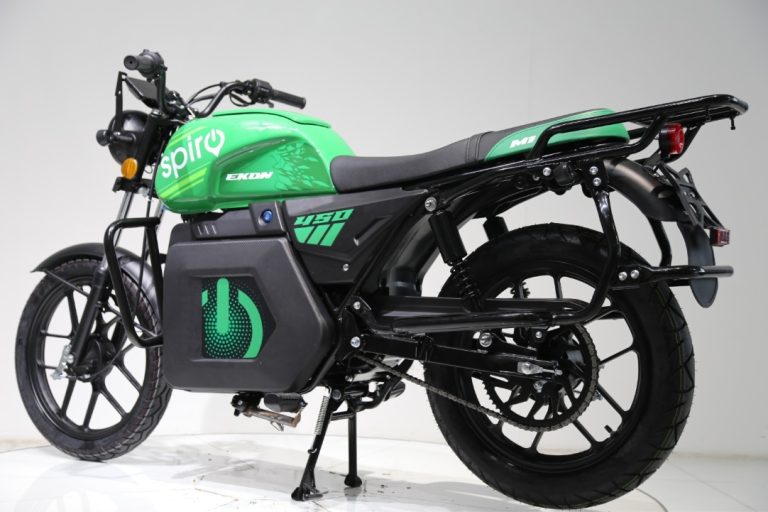
Spiro announces a $215M investment round to accelerate the deployment of its electric mobility and battery-swapping infrastructure across Africa. Building on the support of long-standing institutional partners such as FEDA, Spiro’s latest equity round draws global capital from Europe and Africa, confirming growing global confidence in scalable infrastructure-led business models across emerging markets.

Following years of optimization across its product portfolio, technology and energy ecosystem, Spiro has moved past the proof-of-concept phase and stands ready to execute its next chapter of pan-African expansion. This investment will support the expansion of Spiro’s battery-swapping network, strengthen its industrial and assembly footprint, accelerate technology development and support the company’s entry into new high-growth African markets.

Global investors back Africa’s fast-growing mobility and energy transition

As Africa’s urban population and mobility needs continue to surge, electric vehicles and battery-swapping ecosystems are rapidly emerging as one of the continent’s most promising infrastructure and energy investment opportunities.

Reducing dependence on imported fuel, strengthening energy and industrial sovereignty and modernizing urban transport systems are becoming strategic priorities across the continent, positioning EV infrastructure as a key pillar of Africa’s economic resilience and industrial development.

Driven by rising fuel costs, increasing demand for affordable transportation and growing policy support for clean energy solutions, investors are increasingly backing scalable EV platforms capable of supporting Africa’s next phase of urban and industrial growth.

For riders, the economic impact is immediate: operating a Spiro electric vehicle can reduce daily mobility costs by up to 40%, generating savings of up to $2 per day compared to fossil-fuel motorcycles.

Recent third-party verified lifecycle assessment results conducted on Spiro’s operations in Kenya further highlight the environmental impact potential of EV infrastructure deployment across African cities:

Spiro’s electric bikes deliver a 72% reduction in climate impact compared to fossil-fuel motorcycles, equivalent to approximately 19 tons of CO₂ emissions avoided over a vehicle’s lifespan.

The study also identified an 80% reduction in ozone depletion potential and a 20% reduction in particulate matter emissions, underscoring the role electric mobility can play in improving urban air quality and reducing public health risks across rapidly growing cities.

Fuel prices surge as Diesel jumps sharply to KSh 46.29 in the latest EPRA review

Powering Africa’s mobility revolution at scale

With operations across 7 African markets (Kenya, Rwanda, Uganda, Togo, Benin, Nigeria, Cameroon) and further plans to expand local production and enter new markets such as DRC and Ethiopia, Spiro is building one of Africa’s most advanced EV and battery-swapping ecosystems.

Spiro’s industrial footprint includes flagship manufacturing plants in Kenya, Rwanda and Uganda, alongside a state-of-the-art battery recycling facility in Nigeria. Combining locally adapted vehicle design, affordable battery-swapping infrastructure and integrated maintenance ecosystems, Spiro is making electric mobility commercially viable at scale for African riders.

Spiro’s technology platform is supported by its R&D center, 150+ engineers and 30+ proprietary patents. The company is actively expanding beyond urban transport into a distributed clean-energy utility network that supports national renewable energy goals while reducing dependence on imported fossil fuels. Its innovations include IoT-enabled, solar-powered swap stations, alongside secondary-life battery applications designed for stationary renewable energy storage.

Investor quotes

“This past year marked a defining strategic milestone for Spiro. Across seven active markets, our deployment of 100,000 electric vehicles and 2,500 smart-swap stations has turned sustainable mobility into an affordable, everyday reality. Spiro has become a major driver of local industrialization, value creation and manufacturing across African markets with 6,000 sustainable direct and indirect jobs. Supported by our global pool of investors, we are entering our next growth chapter to deliver clean, cost-effective energy and transport alternatives to millions of riders across the continent”, stated Gagan Gupta, Founder of Spiro and Chairman of Equitane.

“We are investing in Spiro and bringing Danish pension capital into one of Africa’s most promising growth markets because we see potential for significant commercial growth in Spiro and electric mobility across Africa, as well as measurable climate impact. That is exactly the type of investment we want to make,” says Lars Bo Bertram, CEO of Impact Fund Denmark.

HELB opens 2026/2027 subsequent loan applications; how to apply

0

The Higher Education Loans Board (HELB) has announced the opening of the 2026/2027 subsequent loans for continuing students.

In a notice on Monday, June 1, HELB invited eligible students to submit applications as early as possible via *USSD *642#.”

“The HELB Subsequent Loan Application for 2026/2027 is officially open from 1st June 2026. All Continuing students can now apply via *USSD *642#,” the notice reads.

The announcement comes at a time when HELB is exploring a new financing approach that would allow it to raise funds from financial markets through a proposed social bond.

The move is aimed at strengthening student funding and addressing recurring delays in loan disbursements.

HELB Chief Executive Officer Geoffrey Monari said the proposal, which is being developed in collaboration with the World Bank, seeks to package future loan repayments into an investment vehicle that can attract private investors.

Monari noted that the goal is to create a more reliable and predictable source of funding for students enrolled in universities and Technical and Vocational Education and Training (TVET) institutions.

If implemented, the model is expected to reduce persistent funding bottlenecks, ensure timely payment of tuition fees to learning institutions, and ease financial pressure on both students and universities by making funds available when needed.

Currently, about 450,000 former beneficiaries are repaying their HELB loans, generating approximately Sh700 million in monthly collections.

According to Monari, HELB has recorded significant growth since its inception, expanding from supporting just 1,500 students to financing more than 650,000 learners annually across universities and TVET institutions.

Of these, around 400,000 are university students, while another 250,000 are pursuing TVET programmes, including artisan, certificate and diploma courses.

“Our annual capitation is Sh41 billion. We give out about Sh46 billion annually, yet our capital base since 1975 stands at Sh200 billion,” Monari said during an interview with Government Spokesperson Isaac Mwaura.

Despite the expansion, Monari acknowledged that loan recovery remains a major challenge. He cited difficulties in collecting repayments from graduates who lack stable sources of income, as well as the need for continuous follow-up to encourage compliance among borrowers.

“After issuing the normal loans, we identify students who are unable to raise the household contribution required. Under the old model, we gave between Sh4,000 and Sh8,000, but under the new model, we now provide between Sh5,000 and Sh40,000 purely for tuition support,” Monari said.

Under the proposed social bond system, HELB would raise funds directly from investors using expected loan repayments as security instead of waiting for National Treasury allocations.

“A social bond will allow us to securitise the loan repayments we are already receiving. We have held discussions with the World Bank and they have reviewed our loan book and confirmed it can be securitised,” he said.

Also Read: P1 teachers to qualify for JSS deployment as TSC lowers KCSE grade threshold

“Portugal have their best generation yet” – Abel Xavier believes history beckons as the road to world cup glory continues on supersport

0

Every FIFA World Cup creates new heroes, but it also reunites football fans with the legends who helped shape the game.

Throughout the 2026 FIFA World Cup, SuperSport has assembled one of the strongest football broadcasting teams on the continent, bringing together iconic names from across the globe to provide unrivalled analysis, insight and storytelling across all 104 matches, alongside world-class magazine shows, studio discussions and exclusive interviews.

Among those voices is former Portugal, Liverpool and Everton defender Abel Xavier—one of football’s most recognisable personalities and a man whose own story stretches far beyond Europe.

Born in Mozambique before embarking on a career that would take him to some of the biggest clubs in world football, Xavier has returned to Africa as part of the SuperSport family, offering viewers a unique perspective on a tournament that continues to redefine football’s global landscape.

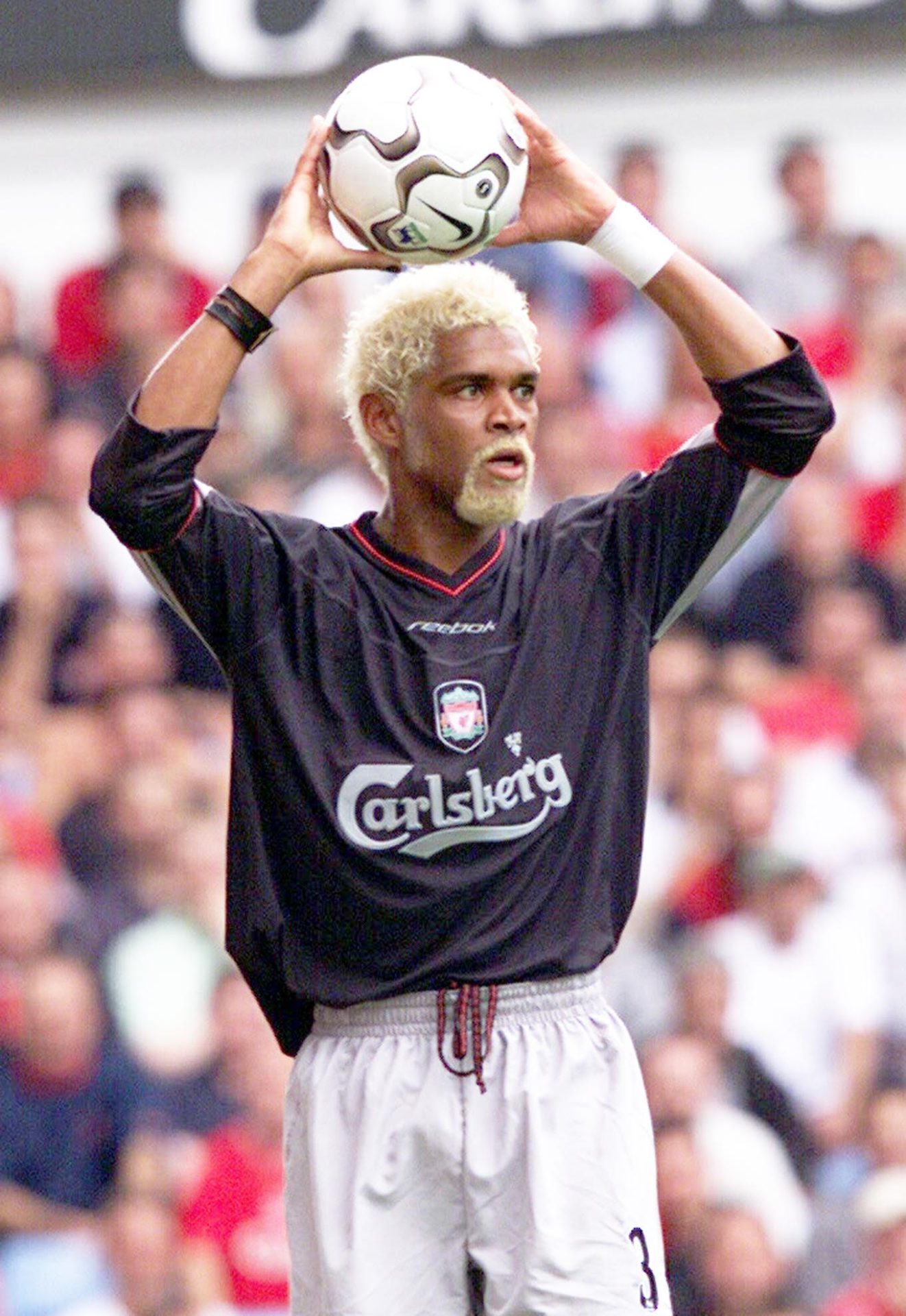
Liverpool's Abel Xavier during their FA Premiership match against Aston Villa at Villa Park. Getty Images.
Liverpool’s Abel Xavier during their FA Premiership match against Aston Villa at Villa Park. Getty Images.

And with Portugal safely through to the Round of 32, where they face Croatia in a mouthwatering knockout encounter live on SuperSport on Friday morning (01:00 CAT), Xavier believes his homeland has every reason to dream.

“I believe Portugal have a great chance,” Xavier says.

“If we are talking about both quantity and quality, Portugal currently has the best generation of players. I believe that if the coach sets up the team properly, considering the number of quality players available, Portugal can achieve the results needed to take them at least to the semi-finals.”

It is a statement built not on emotion, but experience.

Xavier represented Portugal during one of the country’s transformational eras, helping lay the foundations for the golden generation that followed.

Today, he sees a squad blessed with depth across every position, a balance of established stars and emerging talent, and a genuine opportunity to compete with the world’s elite.

Yet one storyline towers above them all.

At 41, Cristiano Ronaldo is contesting what is widely expected to be his final FIFA World Cup. Having conquered almost every major honour in club football and lifted the UEFA European Championship with Portugal, only one prize remains elusive.

"Portugal have their best generation yet" – Abel Xavier believes history beckons as the road to world cup glory continues on supersport
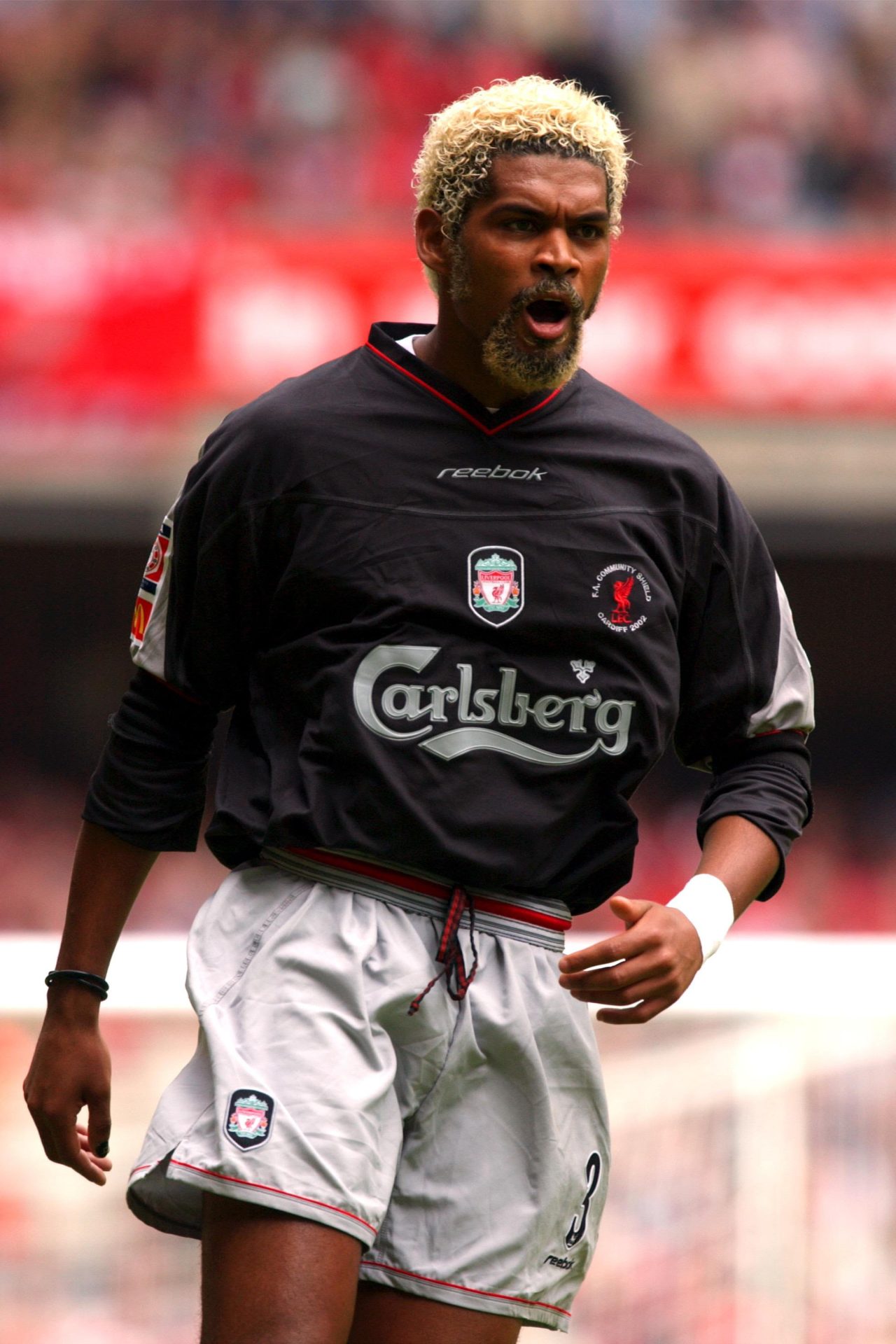
Liverpool’s Abel Xavier (Photo by Neal Simpson/EMPICS via Getty Images)

For Xavier, there could be no more fitting ending.

“Unfortunately, over the last few decades, two of the greatest players ever have emerged: Lionel Messi and Cristiano Ronaldo. It has often felt like a personal competition between them as well.

“I honestly believe Cristiano wants to finish his career with a major trophy. I think the greatest trophy and the greatest privilege a player can have is winning something with their country. In my opinion, that is the ultimate prize.”

Your ultimate FIFA World Cup prep guide: 5 things you need to be match‑ready

Standing in Portugal’s way on Friday is a Croatia side renowned for its resilience, tactical discipline and ability to thrive in knockout football.

But Xavier warns against focusing only on the traditional heavyweights.

"Portugal have their best generation yet" – Abel Xavier believes history beckons as the road to world cup glory continues on supersport
Abel Xavier of LA Galaxy on the ball during the Usa Major League Soccer match between LA Galaxy and Columbus Crew at Home Depot Centre In Carson on June 23, 2007 in California, United States. (Photo by Graham Whitby Boot/Sportsphoto/Allstar via Getty Images

For him, this expanded FIFA World Cup has created an entirely new competitive landscape.

“I think this World Cup is unusual because there are more teams and more unpredictable situations can happen. There are some teams that may not appear capable of competing at the highest level, but they can still surprise people.

“If we talk about the physical strength of the African teams, for example, and the pragmatism and tactical discipline of some of the Asian teams, they can also surprise people. Take South Korea, for example. For many people, their performance in the first game was a surprise. For me, it was not a surprise because of the reasons I’ve just mentioned.

“The favourites, in my view, are those who have won the tournament before. We are talking about France, Brazil, Argentina and Spain. Then there is another group of teams that can surprise people, including Portugal and England. After that, there are other teams that can still disrupt the competition.”

"Portugal have their best generation yet" – Abel Xavier believes history beckons as the road to world cup glory continues on supersport
Abel Xavier of Liverpool during the Legends of the North match between Manchester United and Liverpool at Old Trafford on May 21, 2022 in Manchester, England. (Photo by Gareth Copley/Getty Images)

That respect for African football is hardly surprising.

Long before becoming a UEFA Champions League finalist, Premier League defender and Portugal international, Xavier’s football journey began in Mozambique. Returning to the continent with SuperSport has rekindled something deeply personal.

“It’s been awesome. Thank you so much for the way you’ve welcomed me and helped me settle in. Being here has allowed me to reconnect with my roots because Africa is in my heart.

“It is wonderful to be here, and I hope Bafana Bafana can bounce back. They didn’t start properly, but I hope the coach will make the right adjustments and guide the team well because they still have an opportunity to recover. It’s not only about qualifying directly; there may still be another route available. I would really, really like to see the African teams do well.”

His belief in African football extends beyond sentiment.

Watching more African players starring for Europe’s biggest clubs has only strengthened his conviction that the continent’s greatest World Cup moment is not a question of if—but when.

“The way I see it, there is an important reflection to be made regarding African teams. If African players are individually capable of competing at the highest level and playing for the best clubs in Europe, why are we not consistently seeing stronger national teams? That is something we need to reflect on.

“Secondly, among the African teams, only a few have local coaches. That is another point we need to think about. For example, Ghana appointed Carlos Queiroz after previously having a local coach.

Arsenal's Dennis Bergkamp is challenged by Liverpool's Abel Xavier (Photo by John Walton/EMPICS via Getty Images)
l-r; Arsenal’s Dennis Bergkamp is challenged by Liverpool’s Abel Xavier (Photo by John Walton/EMPICS via Getty Images)

“When you talk about physicality, tactical awareness and understanding of the game, African teams have improved significantly. If you’re talking about skill, we have everything needed to compete with the very best. For that reason, I believe the moment will come when an African team achieves something truly special.

“If you ask which teams are currently closest, based on the work they have done and the models they have implemented, I would say Senegal and Morocco are slightly ahead of the other African teams at this moment.”

Those perspectives are exactly what make the FIFA World Cup on SuperSport unlike any other football broadcast.

With every one of the tournament’s 104 matches live, comprehensive pre- and post-match coverage, exclusive magazine programming, and a world-class line-up of international football legends including Abel Xavier, viewers are not simply watching football—they are experiencing the stories, personalities and emotions that define the world’s greatest sporting event.

The next chapter arrives on Friday morning when Portugal face Croatia in a high-stakes Round of 32 showdown, with Cristiano Ronaldo chasing the one trophy that has always remained just beyond his grasp and Portugal pursuing the dream of becoming world champions.

It’s a story no football fan will want to miss.

Watch Portugal vs Croatia LIVE on SuperSport this Friday at 01:00 CAT, as SuperSport continues to bring you every moment of the FIFA World Cup—live, unrivalled and in one place.

Greatness without pause: FC Barcelona Femení reflects on season

0

FC Barcelona Femení wrapped up a fantastic 2025/26 season by winning the Champions League alongside three domestic trophies. The club secured its second Quadruple, seventh straight league title, and twelfth Copa de la Reina crown.

The Copa de la Reina final against Atlético Madrid drew more than 26,000 spectators to Gran Canaria, setting a new attendance record for the tournament. Pina, Brugts, and Paralluelo all found the net before halftime, while Pina scored in her fourth consecutive Copa de la Reina final.

Record sixth final and victory in Oslo

Behind every victory this season was a story. In November, Aitana Bonmatí, a three-time Ballon d’Or winner, suffered an injury that kept her sidelined for five months. The team continued winning without her, and when Bonmatí finally returned for the Champions League semifinal against Bayern Munich, Spotify Camp Nou gave her a welcome worthy of a legend.

Barcelona advanced 5-3 on aggregate: Paralluelo opened the scoring, Putellas netted twice, and Pajor sealed the win in the closing minutes. FC Barcelona Femení reached its sixth consecutive Champions League final – the first club in women’s football history to do so.

Don’t miss your chance to get a welcome package of up to 190 000 KES + 150 FS in 1xBet Casino!

On May 23 in Oslo, Barcelona crushed Lyon 4-0 in the final. Pajor opened the scoring in the 55th minute and doubled it in the 69th, while Paralluelo added two more goals in stoppage time. Ewa Pajor was named the MVP of the final and the tournament’s top scorer, with 11 goals in 10 matches.

A fourth European title in six years. After Gothenburg, Eindhoven, and Bilbao, now Oslo. Five Barcelona players were named to the Team of the Season UWCL: Cata Coll, Mapi León, Patri Guijarro, Alexia Putellas, and Ewa Pajor.

World’s best again and again

Over the past five years, the Ballon d’Or Féminin has consistently gone to Barcelona – Alexia Putellas won it twice, and Aitana Bonmatí claimed it three times. History could repeat itself at the end of the 2025/26 season, with the club’s four players among the top contenders. Putellas enjoyed one of the best campaigns of her career, recording 7 goals and 7 assists in the Champions League.

Ewa Pajor scored in every knockout phase match, including the victorious final. Caroline Graham Hansen finished the Liga F season with 10 assists, and Claudia Pina currently leads the league scoring charts with 20 goals. The ceremony will take place on October 26, 2026, in Paris, and Barcelona will once again have reasons to celebrate!

As the official partner of FC Barcelona, ​​1xBet stood by the club throughout every moment of this journey – from the Supercopa final in January to the Champions League triumph in Oslo. A partnership with one of the world’s greatest clubs means far more than just a logo on a jersey. This is the kind of partnership built alongside the team that wins with character, class, and a true passion for the game. A new chapter awaits, and it promises to be just as special!

TECNO Launches Global ShotOnCAMON Challenge Giving Kenyans Chance to win 1Million and trip to Philipines through Mobile Photography

0

ShotOnCAMON Challenge: TECNO, the AI-driven innovative technology brand, has partnered with global travel authority Lonely Planet to launch the Shot on CAMON 2026 contest under the theme “Seeing is Believing.” The campaign invites Kenyans to capture and share authentic moments of everyday life through the lens of their TECNO CAMON smartphones.

From the vibrant streets of Nairobi and colourful matatu culture, to breathtaking village sunsets, the white sands of Diani, and the everyday hustle and spirit found in the markets of Kisumu and Eldoret, TECNO is inviting Kenyans to tell their stories through photography. Every photo is more than just an image; it is a memory, a culture, a dream, and a reflection of who we are.

Imagine capturing a simple moment on your TECNO CAMON phone and having it open doors you never imagined possible. One photo could win you up to KES 1 million, take you on an all-expenses-paid trip to the Philippines, or place your creativity on a global stage. What may feel like an ordinary moment to you could inspire the world.

Running from May through October 11th, the competition is open to everyone, from professional photographers and content creators to everyday smartphone users who simply love documenting life as it happens. Last year, Kenyan creator Patrick Biwot, aka StarChase, emerged among the winners alongside other talented creators across different categories, proving that Kenyan stories and talent can compete and shine globally.

How banks can transform compliance through technology

This year, TECNO believes the next big winner could be anyone. The student capturing campus life, the mother documenting family moments, the boda boda rider catching a beautiful sunset after a long day, or the young creator turning everyday experiences into art. Shot on CAMON 2026 is more than just a photography contest; it is an opportunity for Kenyans to be seen, celebrated, and rewarded for the beauty they capture every day

Massive Prizes to be Won

Grand Prize (1 Winner): Over KES 1 Million cash + all expenses paid luxury trip to the Philippines
Gold Prize (5 Winners): KES 390,000 cash + trip to the Philippines
Silver Prize (5 Winners): KES 260,000 cash
Bronze Prize (5 Winners): KES 130,000 cash
TECNO Friend Prize (10 Winners): Brand new TECNO CAMON 50 Series phone

For many of us, this kind of money can pay school fees, fund your content creation dreams,clear debts, start a small business, or support the family.

How to Join

  1. Take amazing photos with your TECNO CAMON (make sure the camera watermark is on).
  2. Post on Instagram and use hashtags: #ShotOnCAMON2026 and #TECNOCAMON50Series
  3. Send the high-quality photo to: [email protected] or upload it directly through the ShotOnCAMON Gallery on the official TECNO website.

In the email subject, write: “Kenya + @YourInstagramUsername + ShotOnCAMON”. Attach the photo + screenshot of the photo details.

From Nairobi to the world: Represent Kenya in the global shot on CAMON 2026 contest

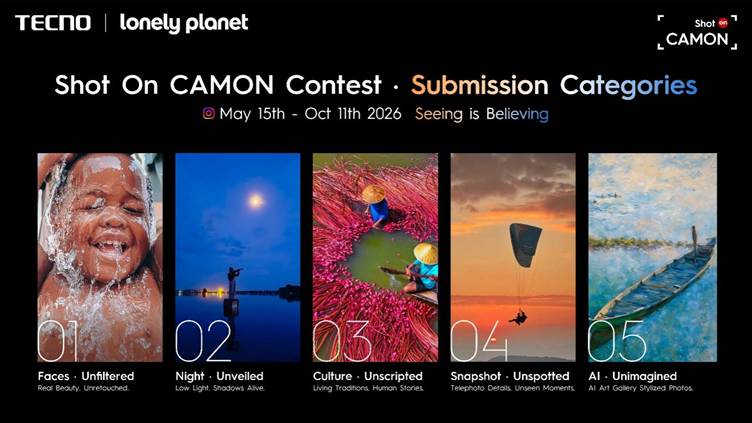
The 5 Submission Categories

You can enter your photos into any of these five categories, depending on your style:

Faces · Unfiltered: Authentic portraits capturing real skin tones, raw emotions, and true individuality.
Night · Unveiled: Capturing the beauty, lights, and mystery of Kenya after dark—from neon city streets to late-night vibes.
Culture · Unscripted: Real, unplanned moments showing local traditions, Kenyan street food, festivals, or local crafts.
Snapshot · Unspotted (Telephoto Special): Using your zoom lens to capture distant, beautiful details that people easily overlook.
AI · Unimagined (AI Gallery Special): Take a real photo with your TECNO phone, transform it using TECNO’s AI Gallery features, and submit both the original and AI-styled image.


This is a global contest, but Kenyan talent is strong contender. TECNO wants to celebrate real life and the theme “Seeing is Believing” is a call to honor real human experiences, diverse skin tones, and genuine fleeting emotions.

To keep the competition fair and highly professional, expert photographers from Lonely Planet will join TECNO’s imaging team on the judging panel to select the ultimate winners. Winning photographs will also be published in TECNO’s annual global photo book and showcased in international media exhibitions.

For full contest rules and details, visit shotoncamon.com or follow @tecnomobile on Instagram.

TECNO CAMON users, this one is for you! Don’t let those beautiful photos just sit in your gallery. Pick up your phone, go out there and shoot. This could be your big break!

NCBA group partners with ElandX to finance browns plantations’ new electric truck fleet

0

NCBA Group has marked a major milestone in Kenya’s transition to sustainable logistics by financing the deployment of 15 Electric vehicle (EV) tripper trucks to Browns Plantations Kenya (BPK) Limited.

The deployment forms Phase 1 of a 30-unit fleet of FOTON 6-ton electric tipper trucks financed through NCBA Leasing LLP under NCBA Group’s KES 2 billion Electric Mobility (e-mobility) financing programme.

The transaction reinforces NCBA Group’s growing leadership in structured asset financing with a Hire Purchase market share of 35.4% as of April 2026 and ESG-aligned lending.

Speaking during the flag-off ceremony, Lennox Mugambi, Group Director, Asset Finance and Business Solutions, NCBA Group, emphasized the strategic importance of the transaction, “This milestone demonstrates NCBA Group’s commitment to financing the future of mobility in Africa. Through our EV Financing Programme, we are enabling enterprises like Browns Plantations Kenya Limited to transition into cleaner, more efficient operations without compromising productivity. This is what sustainable finance looks like in action: practical, scalable, and commercially viable.”

Why more employees are turning to NCBA salary account

The bank is enabling the deployment through a structured asset financing and leasing model, allowing for rapid and flexible access to project level capital. The financing is being delivered in partnership with ElandX, the first provider in East Africa to offer fully integrated electric truck and charging solutions to corporates.

ElandX is providing a fleet-as-a-service offering which includes vehicle leasing to BPK as well as on-site charging infrastructure. Four EV charging units have already been installed at BPK facilities to enable seamless fleet operations with minimal downtime.

Speaking at the launch, Chalker Kansteiner, Co-founder at ElandX said, “At ElandX, we are focused on enabling practical, scalable electrification for commercial fleets across Africa, with solutions ranging from light-duty trucks up to heavy-duty prime movers and charging. This partnership with BPK and NCBA Group demonstrates how technology, infrastructure, and financing can come together to accelerate the transition to clean, efficient logistics.”

Together, NCBA Group and ElandX are helping lead Electric Vehicle (EV) adoption in Africa by demonstrating how ecosystem collaboration between financiers, technology providers, infrastructure partners, and corporates can accelerate scalable, commercially viable, and sustainable mobility solutions across the region.