
Home Blog Page 83

Nairobi to host landmark Africa we build summit 2026

0

For the first time, Africa’s most powerful infrastructure financiers, fund managers, investors and industry leaders will convene in Nairobi, with a bold mandate to unlock domestic capital and turn the continent’s industrial ambitions into a tangible, job-creating reality.

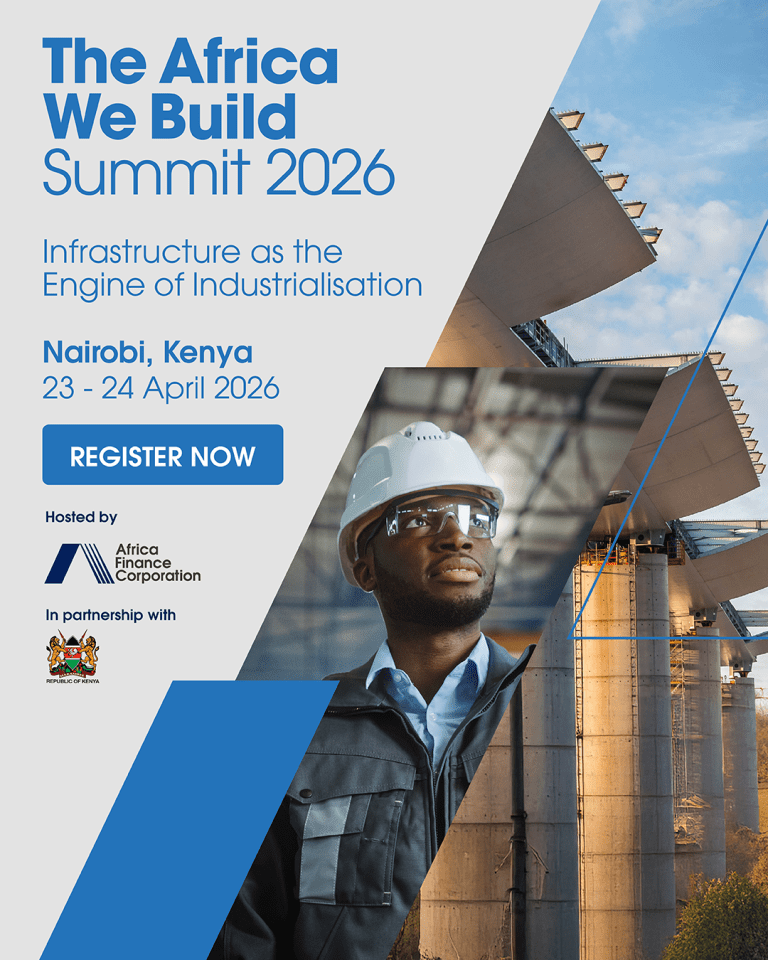
Hosted by the Africa Finance Corporation (AFC), in partnership with the Government of Kenya, the inaugural Africa We Build Summit will take place from 23 to 24 April 2026. Held under the theme “Infrastructure as the Engine of Industrialisation”, the Summit will convene decision-makers to originate and advance bankable projects, strengthen regional integration, and accelerate Africa’s industrial development.

At its core, The Africa We Build Summit 2026 signals a shift from standalone projects to integrated infrastructure systems. Sessions will explore regional corridor investments, expanded rail and port networks, cross-border energy systems, and the development of strategic minerals value chains.

H.E. Dr William Samoei Ruto, President of the Republic of Kenya, will deliver the keynote address, underlining the highest-level commitment to advancing regional integration and large-scale industrial development.

A focus of the Summit is mobilising a bigger portion of Africa’s substantial domestic capital base towards bankable and globally competitive infrastructure and industrial opportunities.

The problems with mega Rironi-Mau Summit A8 toll highway deal

The Summit is underpinned by the launch of the “State of Africa’s Infrastructure Report 2026”—the most comprehensive analysis to date of Africa’s cross-continental investment landscape—interrogating investment gaps, capital flows, and priority project pipelines to directly inform capital deployment and project execution in support of “The Africa We Build” agenda.

Commenting ahead of the Summit, Samaila Zubairu, President and CEO of AFC, said: “Africa is not capital-poor; it is capital-trapped. The opportunity now is to channel that capital into infrastructure and industry at scale—transforming resources into productivity, jobs, and long-term prosperity.”

Anchored in bankable projects, investable pipelines, and execution-focused partnerships, The Africa We Build Summit is designed as a delivery platform. Initiatives such as the Lobito Corridor and new national infrastructure financing vehicles, such as the Kenya National Infrastructure Fund, demonstrate what is possible when capital, policy, and projects are aligned. These programmes aim to build integrated economic ecosystems that connect resources to energy, logistics, processing, and markets.

Recognising the East African Community as one of the continent’s most dynamic regional blocs, the Summit will spotlight priority regional corridors such as the Northern Corridor, linking the Port of Mombasa to Uganda, Rwanda, eastern Democratic Republic of the Congo (DRC), and South Sudan, alongside complementary routes connecting ports and coastal assets to the hinterland. Discussions will focus on regional connectivity in road and rail, including upgrades along key cross-border highways, and advance a broader East African Railway Master Plan.

A central theme will be linking power and minerals, with an emphasis on value addition rather than mere extraction, to ensure that infrastructure investments deliver long-term economic transformation.


 

LOOP rolls out easter deals to boost lifestyle experiences for customers

0

LOOP, the fintech subsidiary of NCBA Group, is enhancing the Easter season with a range of great deals that LOOP customers can from LOOP Discover enabling them to celebrate, travel, dine and shop with greater ease and value.

Whether it’s planning a weekend getaway, hosting family and friends, or enjoying simple everyday indulgences, LOOP customers have access to curated Easter offers across a wide range of partner merchants.

Among the offers on LOOP Discover, Customers can get the new Samsung Galaxy S26 and pay later in flexible instalments with LOOP FLEX only on LOOP Discover and get Free Galaxy watch 8 or Galaxy Buds 4 via dealers such as Ropem Telcom.

Customers can also enjoy a range of lifestyle and retail offers, including:

  • Uncle Nene’s offering 10% off meals,
  • Escape Room with upto 20% off hangouts on Sundays, upto 15% off hangouts on Thursdays and upto 15% off on hangouts on Fridays,
  • Generation Techzone with customers saving upto KES 5,000 on Smartphones, up to KES 7,300 on smart watches, up to KES 5,000 on tablets and up to KES 15,000 on electronics
  • Talanta Sports with 10% off everyday essentials and game on essentials
  • Mandevu – up to 10% off beard essentials

Additional deals include Hotpoint for March Madness with customers enjoying the deal when they Pay via LOOP App, Card or LOOP FLEX (A Buy Now Pay Later solution).

Manage your money and access loans easily with NCBA Loop

Beyond shopping, LOOP is also enhancing lifestyle experiences through seamless access to MOOKH events. Customers can conveniently purchase discounted tickets on featured MOOKH events including:

  • Muze Open Air on the Beach
  • Too Early For Birds WANGARÍ MAATHAI
  • Family BBQ Festival 2.0
  • Gondwana KE
  • Akili Kids Treasure Hunt Talentmania

These offers reinforce LOOP’s commitment to delivering meaningful value where it matters most in customers’ everyday lives.

Easter presents a moment for connection, bringing together families, friends, and communities. LOOP continues to position itself as an enabler of these moments by going beyond transactions to create experiences that are simple, rewarding, and relevant. These seasonal offers reflect a broader commitment to building a lifestyle platform that seamlessly supports how people live, spend, and connect.

The various offers on LOOP Discover builds on LOOP’s broader positioning as a digital lifestyle ecosystem, one that goes beyond traditional banking to deliver convenience, flexibility and value in a way that aligns with modern consumer behaviour.

As the Easter holiday approaches, LOOP invites customers to make the most of the season celebrating the moments that matter, with a little more ease and a lot more value.


Inside the business empire of gospel artist Guardian Angel

0

Kenyan gospel musician Guardian Angel, born Audiphaxad Peter Omwaka, is widely celebrated for his energetic sound and inspiring lyrics.

However, beyond the stage and spotlight, the award-winning artist has steadily built an expanding business portfolio that reflects a growing trend among entertainers.

In a past interview with Citizen TV, Guardian revealed he ventured into business, particularly farming, after realizing most successful artists did not rely on music alone.

“Music is a career, especially in this country, that is not well defined. There is no one we are going to ask for our salary. If you get a gig paying Sh1 million now and stay for the next six months without another, bills are constant,” he said.

Born in Butere, Kakamega County, and raised in Nairobi’s Kibera slums, Guardian’s upbringing was marked with struggles, an experience that shaped his outlook on life and his determination to rise above circumstance.

He attended St. Mary’s Primary School in Nairobi, where he studied through scholarships, before proceeding to Buru Buru Secondary School.

It was during his high school years that his passion for music began to take a professional turn. In Form Three, he recorded his first song, which was later released after graduation in 2012 as part of his debut album, Living Bread.

His early musical talent was evident even before his national breakthrough. Guardian became the first Kenyan student to win 10 awards at the National High School Music Festivals, a record that remains unbroken to date.

After completing secondary education, he enrolled at Kenyatta University to pursue a degree in Environmental Studies, balancing academic life with his growing music career.

The musician is known for blending dancehall, reggae and Afro-rap rhythms with gospel messages, creating a unique style that appeals to both young audiences and traditional gospel listeners.

His music, often centred on hope, resilience and faith, has made him one of the most recognisable voices in Kenya’s modern gospel scene.

His influence was cemented in 2018 when he won the Groove Award for Best Male Gospel Artist.

Beyond his music career, Guardian is a business man who has invested in creative and agribusiness sectors.

He is the founder and CEO of 7 Heaven Music, a music company that supports and nurtures young talents.

Complementing his commercial ventures is the Guardian Angel Foundation, a philanthropic arm aimed at empowering other musicians.

The foundation focuses on uplifting emerging talent, especially those who may lack access to studio resources, mentorship or financial support.

Away from the entertainment world, Guardian has also invested in farming at his home in Mua. His venture, named Waingo Farm, focuses on pig rearing and the cultivation of traditional vegetables.

In early December 2025, Guardian expanded his brand into sports by launching 7HM FC, a football club competing in Kenya’s lower leagues, to support young, upcoming football talent.

Also Read: 7 in 7 years: Norah Muendo recalls humble beginnings as she opens 7th branch

KIPPRA announces fully-sponsored training opportunities; how to apply

The Kenya Institute for Public Policy Research and Analysis (KIPPRA) has opened applications for its annual Young Professionals programme aimed at training young professionals in public policy research and analysis.

In a notice, KIIPPRA invited applications from young professionals to fill 30 vacant positions, which are fully sponsored.

“In line with The Kenya Institute for Public Policy Research and Analysis (KIPPRA)’s mandate of developing human and institutional capacities to formulate medium and long-term strategic perspectives for national development, KIPPRA runs a Young Professionals programme as a means of ensuring sustainable development through supply of adequate human capital for effecting public policy processes,” the notice reads in part.

“The Institute is inviting applications to fill thirty (30) Young Professional vacant positions, under KIPPRA-sponsored admissions,” it adds.

The programme is physical and full-time and it includes both coursework and publication of various research outputs.

Areas of coursework include the public policy-making process, Introduction to the legislative process, applied research methods, Tools for policy analysis, Governance structures in a Devolved system of Government, Monitoring and Evaluation, Macroeconomic Modeling and Forecasting, Systems of National Accounts and Introduction to Social Accounting Matrix (SAM).

Successful applicants will get an opportunity to gain on-the-job experience, expand their knowledge, leadership skills, and build professional networks.

By the end of the programme, participants are expected to publish research findings, contributing to Kenya’s policy development landscape.

How to apply

Candidates interested in these opportunities are required to visit KIPPRA’s website www.kippra.or.ke for more details on divisional focus areas, eligibility criteria, and application procedures.

All Applications should reach the Institute on or before Monday, 21st April 2026 at 11:59:00 hrs. Late applications will not be accepted, and only shortlisted candidates will be contacted.

KIPPRA emphasises its commitment to equal opportunity employment and has encouraged persons with disabilities to apply.

Also Read: KUCCPS reopens application for 21 KMTC courses

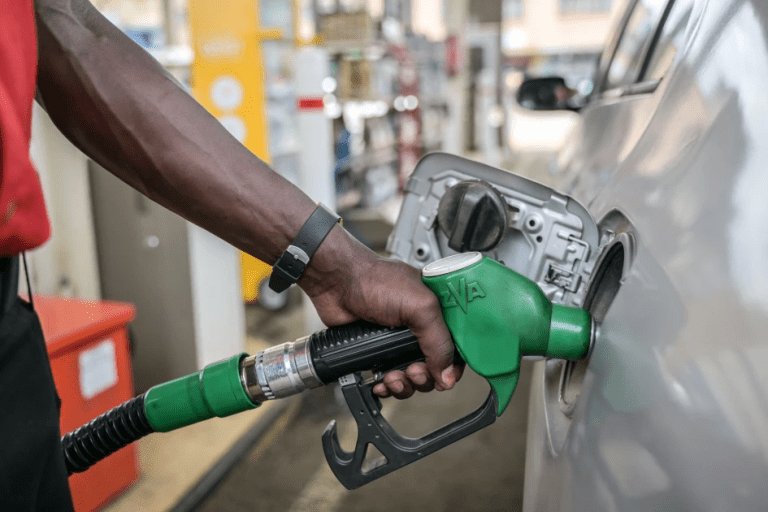
Costly fuel looms as two local firms import petrol at 3 times cost of G-to-G deal

0

The Ministry of Energy allowed two local oil companies to import petrol at a cost that is three times higher than the prices agreed under the G-to-G deal between Kenya and three Gulf-based oil suppliers.

According to a report that appeared in local business newspaper, Business Daily, the two local companies are One Petroleum and Oryx Energies. They were allowed to ship in a combine 120 tonnes of petrol in early March. This has raised fears that with the high cost of importation, Kenyans could be in for higher fuel prices from April 15.

According to reports by the newspaper, each of the two oil companies imported 60 tonnes of petrol. One Petroleum quoted a premium of $290 per tonne which was equivalent to Sh37,691.3. This was three times the $84 (equivalent to Sh10,917.48) quote for a similar quantity of fuel under the G-to-G deal.

The G-to-G deal involves Gulf firms Saudi Aramco, Emirates National Oil Co, and Abu Dhabi National Oil Co. It has been running through three main oil companies, Galana Energies, Gulf Energy, and Oryx Energies. These companies have been distributing fuel on behalf of the three Gulf oil companies since March 2023.

According to the Ministry of Energy and Petroleum, Kenya has extended the G-to-G deal with the Gulf oil firms to 2028. The three firms will continue to supply gasoline, diesel, kerosene and jet fuel under the 180-day credit arrangement until early 2028.

READ MORE: 3 Gulf oil firms pocket Sh1.5 trillion from G-to-G Kenya fuel deal in 18 months

According to the report in the newspaper, the cost of petrol might rise by as much as Sh19 per litre. The newspaper quoted an industry source saying that this price hike will cover the premium margins that have been demanded by the importers.

“We are looking at an increase of at least Sh19 per litre on account of the premiums alone. Then we also add the global benchmark prices of fuel for the month of March [which are known as Platts] which are higher than those from the month of February. The effect is going to be huge unless the government goes for a significant subsidy,” the source was quoted.

Fuel prices have been rising globally following the war conflicting that is going on in Iran. The conflict has resulted in Iran closing the Strait of Hormuz, which is a critical water channel used for the movement of oil exports.

Following the closure, oil exporters from Gulf including Saudi Aramco – which is part of the G-to-G deal – have been using the Sikka Port in India, the Port of Antwerp-Bruges in Belgium and the ports situated along the Red Sea for the transportation of oil to markets such as Kenya.

According to the report, about 239.1 million litres of petrol are set to be loaded onto two vessels at the Port of Antwerp-Bruges in Belgium. The vessels shall sail towards Kenya via the Red Sea – Mediterranean route and dock at the Port of Mombasa at between April 16 and April 27.

Another 81.15 million litres of dual-purpose kerose and 75.6 million litres of diesel shall be loaded onto vessels at the Sikka Port in India. These vessels will be expected to dock at the Port of Mombasa between April 12 and April 21.

Safaricom’s Ziidi MMF records Sh784.3 million profit in 14 months

0

The Ziidi Money Market Fund has posted a profit of Sh748.28 million in its first fourteen months of operation that ended in December 2025.

The Ziidi Money Market Fund which is owned by telecommunications firm Safaricom recorded an investment income of Sh1 billion. This income was mainly generated from assets which included cash from investors amounting to Sh14.6 billion.

The income came against operating expenses that stood at Sh250 million and an expected loss allowance of Sh10.55 million. These accounted for 26 percent of the income.

Call deposits stood at Sh7.48 billion at the end of the review period while deposits with financial institutions stood at Sh4.51 billion. The fund had invested Sh908.4 million in Treasury Bills. Call deposits and bank placements comprised of 76 percent of the fund’s assets.

Call deposits are a type of term deposit that offers high flexibility with a very short notice. They are generally covered by bank deposit insurance. A call deposit generally allows you to earn interest from it while still having access to it.

During the period under review, unit holder funds stood at Sh14.7 billion. When combined with the net income for the period, the total members’ funds came in at Sh15.5 billion.

The Ziidi Money Market Fund has gained popularity among local retail investors due to its flexibility and ease of access. A spot check by Bizna Kenya shows that an investor can list to invest with the Ziidi MMF and start investing instantly. At the same time, the fund offers instant withdrawals.

“Ziidi MMF is part of our continued efforts to diversify M-Pesa beyond payments and deepen financial wellness. “Ziidi ni Ziidi” introduces the mindset that a little goes a long way, and any kind of growth is valuable. This empowers people to define prosperity on their own terms, and make wealth creation achievable to all,” said Safaricom chief executive officer Peter Ndegwa.

SEE MORE: Safaricom and NSE launch Ziidi trader to bring stock market to M-PESA users

“Ziidi MMF is zero-rated, meaning you won’t be charged any transaction fees for deposits or withdrawals. Ziidi MMF has no maintenance fees.” The MMF is a partnership with the Standard Investment Bank and ALA Capital Limited.

Earth Hour 2026, in partnership with WWF-Kenya

0

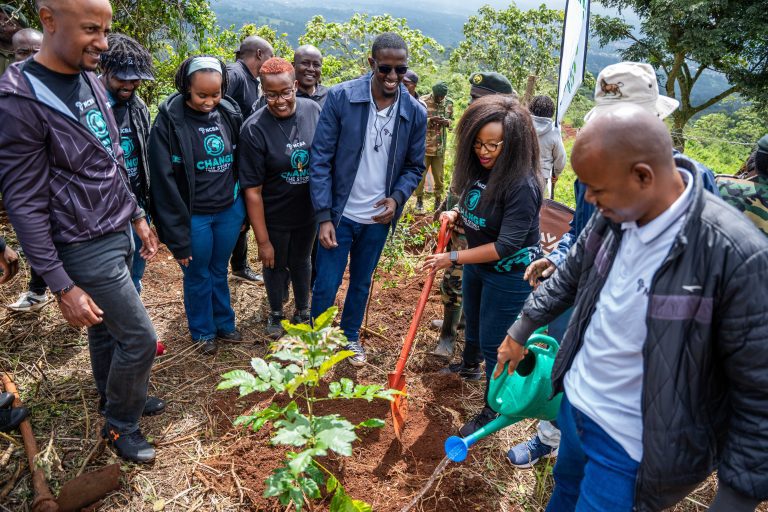
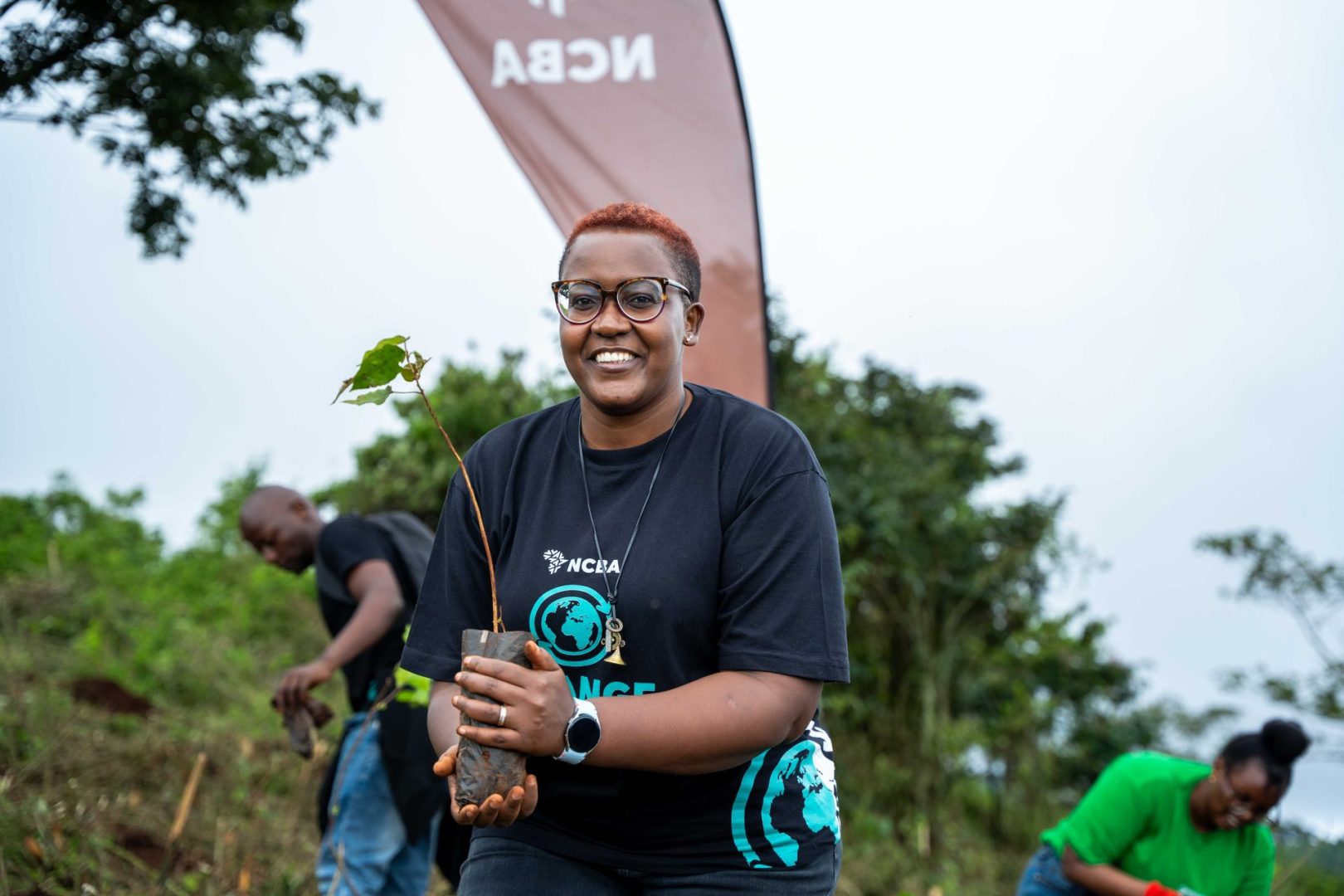
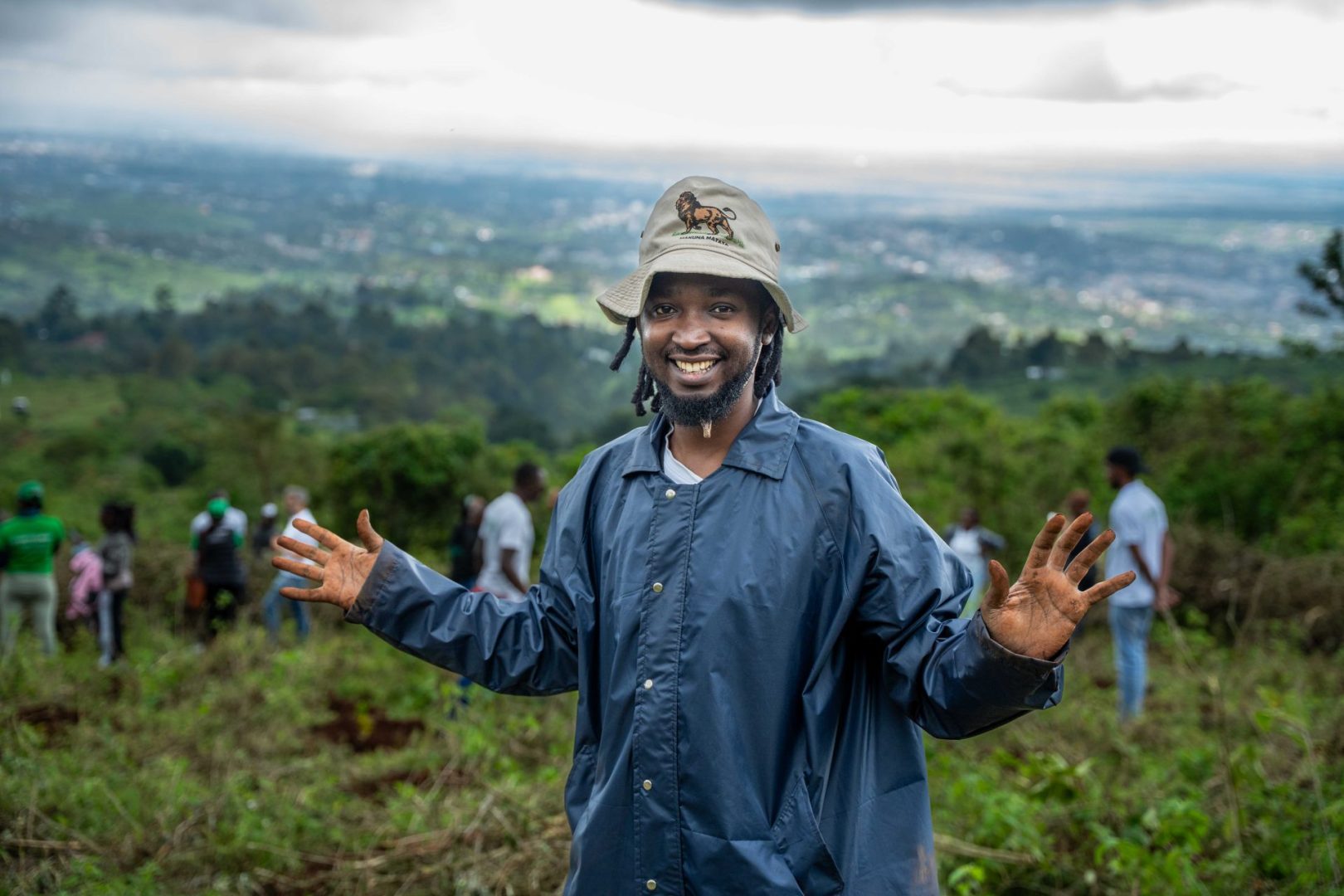
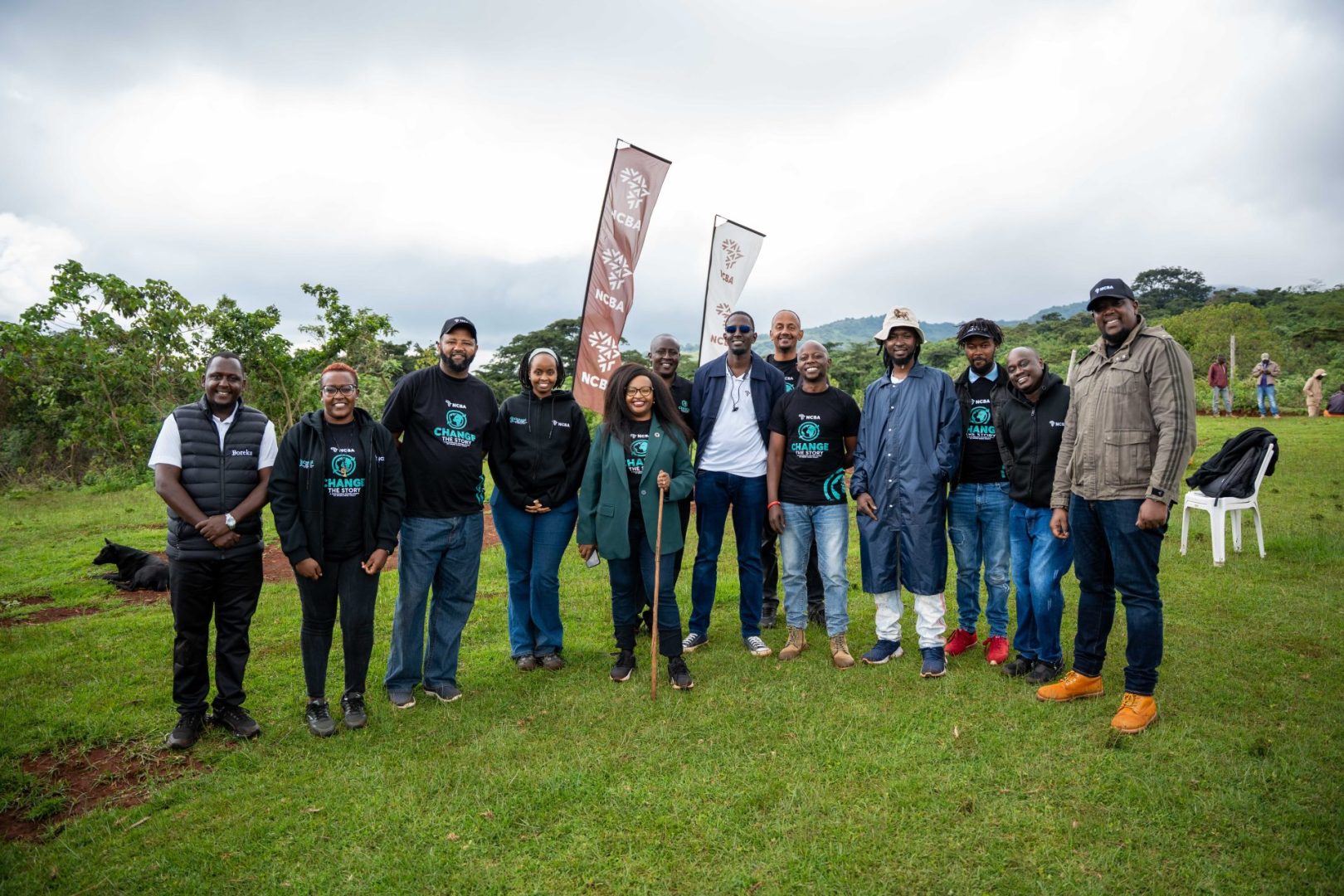
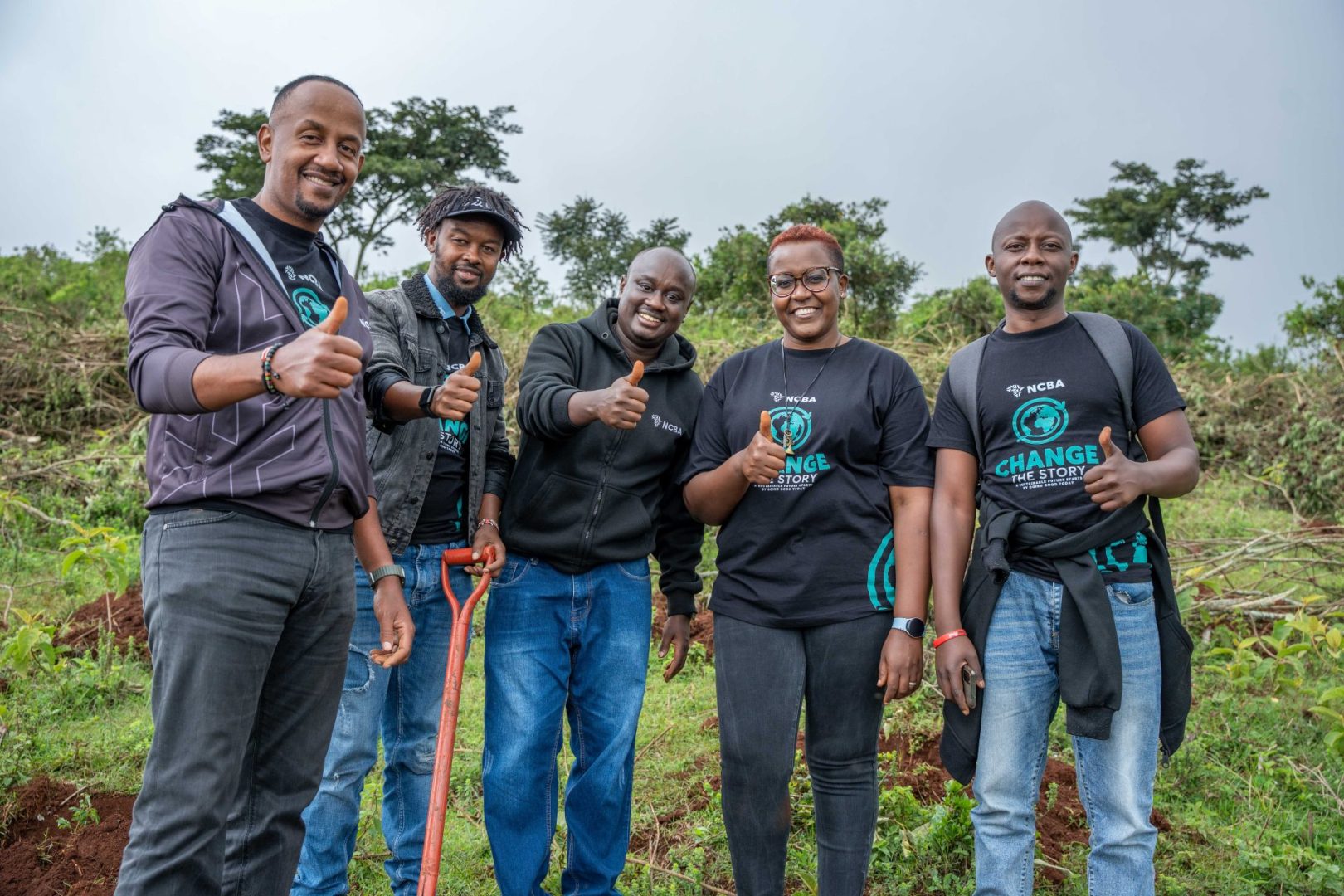
On the eve of Earth Hour 2026, we marked the moment with a clear call to action, one that reflects who we are and what we stand for. In partnership with WWF-Kenya, NCBA convened at Ngong Forest to plant indigenous trees, contributing to the restoration of a vital ecosystem that supports both communities and biodiversity.

This initiative was a demonstration of our belief that meaningful impact happens when intention is translated into action, and when institutions step forward to play an active role in shaping a more sustainable future. During the activity, NCBA donated more than 3,000 indigenous tree seedlings to support the reforestation of a designated 25-acre area within the forest.

Through our #NCBAChangeTheStory initiative, we are deliberately positioning ourselves beyond the traditional role of a financial institution. We are bringing together people, partners, and platforms in pursuit of a shared vision for a better tomorrow. Earth Hour 2026 provided a powerful opportunity to bring this vision to life, uniting individuals and partners from diverse backgrounds to step beyond their everyday spaces and contribute to something greater than
themselves.

This collective effort included participation from the creative community, represented by music producer Motif Di Don, as well as the sporting community through NCBA Pro Golfer Abraham Galgalo. Their involvement reflects our belief that sustainability is a shared responsibility that cuts across industries, passions, and professions.

State proposes to provide loans, land rate relief for private forest owners

We are equally deliberate about ensuring that our impact is measurable and sustained. Since 2023, NCBA has supported the growth of over 1.3 million trees, mobilised KES 9.5 billion in green financing, and positively impacted more than 1.2 million livelihoods across our markets. These milestones form part of our broader commitment to plant 10 million trees by 2030, while continuing to reduce our carbon footprint and embed sustainability across our operations and strategy.

Our partnership with WWF-Kenya reflects a shared commitment to driving impact at scale by combining technical expertise, community engagement, and long-term vision. Together, we are contributing to national and global ambitions around climate resilience, biodiversity conservation, and sustainable development. Aligning with the Government of Kenya’s goal to plant 15 billion trees by 2030.

At NCBA, we recognize that forests are more than natural assets. They are lifelines that protect water systems, sustain biodiversity, and support millions of livelihoods. This understanding continues to shape how we approach growth, progress, and value creation.

This is a story about people coming together, about purpose driving action, and about what becomes possible when we align our efforts towards a common goal. While Earth Hour lasts for a moment, the responsibility to protect our environment continues every day. Through #NCBAChangeTheStory, we remain committed to playing our part in building a future that works for everyone.

Chinese firm bags Sh4 billion Uplands-Ruiru road upgrade deal

0

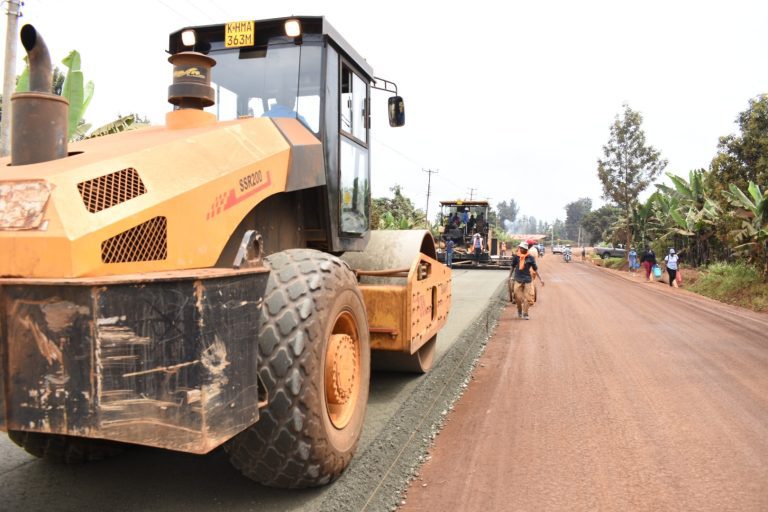
The upgrading of the Uplands-Ruiru road has been awarded to a Chinese construction firm. The upgrade, valued at Sh4.06 billion will be undertaken by the Shengli Engineering Construction (Group) Company Limited of Shengli Oilfield.

The upgrade will be done on 44 kilometres of the Uplands-Githunguri-Ruiru road. This road, which is known as the B116 road will connect the Nairobi-Nakuru Highway at Uplands with the Nairobi-Thika Superhighway at Ruiru.

During the upgrade, the road will be upgraded to bitumen standards, and will feature surfacing, drainage and related infrastructural constructions.

“An improved roadway complete with a paved surface will encourage more vehicular traffic and will allow vehicles to travel at higher average speeds. This will increase the possibility of accidents between vehicles and with non-motorized traffic such as cyclists, pedestrians, and both domestic and wild animals,” part of the tender document by the Kenya National Highways Authority (KeNHA) states.

According to disclosures from the KeNHA, this contract was awarded to Shengli Engineering Construction on January 7, 2026. Shengli Engineering Construction is part of the Sinopec Petroleum Engineering.

SEE MORE: Road maintenance hits 6-year low as funds collected from roads levy diverted 

The firm is reported to hold Grade I qualifications for general contracting in construction, including highway engineering and building construction.

According to Development Aid, it is formally known as Sinopec Petroleum Engineering Corporation (SPE) and was previously referred to as Shengli Engineering and Consulting Co., Ltd. (SLECC) before a 2013 rebranding. It maintains strong connections with Chinese state-owned enterprises.

Kenya’s tech ambitions accelerate as Safaricom decode summit opens in Nairobi

0

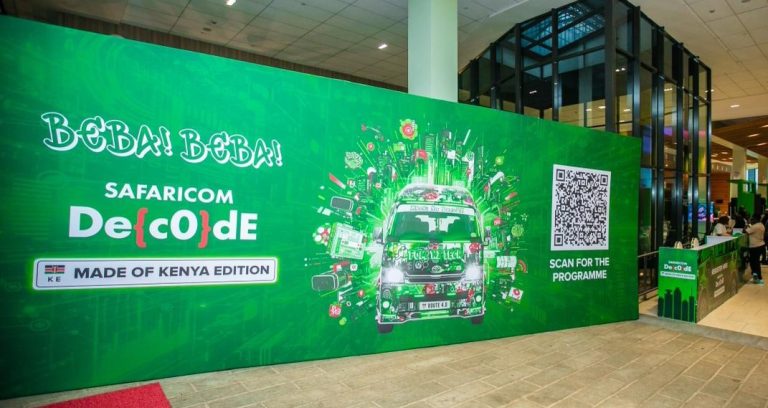
Kenya’s push to cement its position as a regional technology powerhouse gathered momentum today with the opening of the three-day Safaricom Engineering Summit – Decode in Nairobi.

Convened by Safaricom in partnership with Microsoft, Google, Dell Technologies, and Huawei, the summit will bring together developers, innovators, and global tech leaders to shape the country’s next phase of digital growth.

Held under the theme Made for Kenya, this year’s summit celebrates the ingenuity, creativity and resilience that has positioned Kenya as a leader in technology and digital innovation from mobile-first platforms to inclusive digital ecosystems while bringing together the architects of this ecosystem to explore, learn, and collaborate.

More than 100,000 are expected to be engaged physically and virtually, reflecting the expanding influencing of Kenya’s technology ecosystem and the growing demand for practical, inclusive digital.

“The Kenyan people are known for their ingenuity, grit and hassle- constantly pushing boundaries and experimenting. Decode gives that energy a place to come alive. By bringing developers, creators, and problem-solvers together, we are creating solutions that can scale across Africa and beyond.” said Peter Ndegwa, CEO, Safaricom PLC.

Why more business owners are choosing Safaricom’s Easy Talk Bundle

Decode 4.0 reinforces Safaricom’s commitment to nurturing the next generation of innovators through hands-on learning and capacity building. Builder labs, code labs and mentorship programmes form a core part of the summit, enabling participants to engage with practical tools and platforms to build, experiment and scale solutions that address real-world challenges.

With a strong focus on the rise of intelligent systems, sessions at the summit are aligned to key growth areas including Artificial Intelligence, Fintech and Creative Tech emerging as critical drivers of Kenya’s next phase of economic transformation.

Beyond the summit, Safaricom will extend the impact of Decode through year‑round initiatives—including regional engagements dubbed Decode Cafés, code labs, and mentorship programmes for both developers and educators—that bring technology learning closer to communities nationwide. Participants will earn certificates and digital badges to validate their skills and progression as we advance along the digital talent pipeline.

Decode is Safaricom’s flagship tech forum, accelerating Kenya’s innovation ecosystem through powerful partnerships and talent growth.


Co-op Bank donates Shs2M to boost healthcare services in Murang’a

0

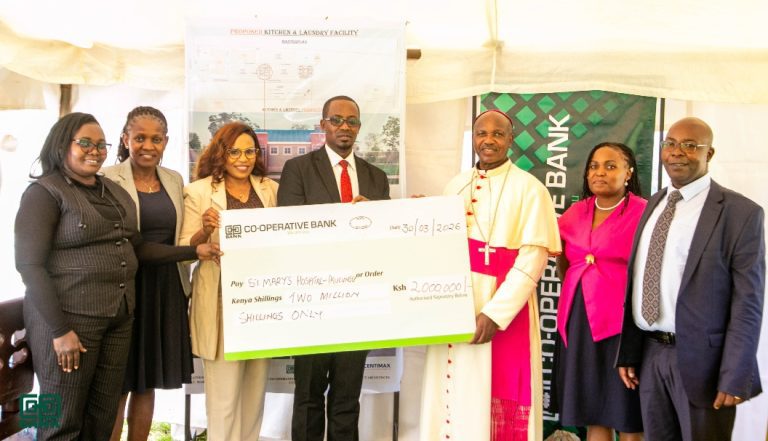
Co-operative Bank of Kenya has made a KES 2 million contribution to St. Mary’s Health Centre, Ikurungu, owned by the Catholic Diocese of Murang’a. The funds will go towards completing kitchen and laundry facilities at the health centre, which serves communities in South Ngararima with emergency, maternal, and outpatient services.

The completion of these facilities will improve hygiene and infection control at the centre, strengthening the quality of care available to a community that has historically had limited access to formal health services. The contribution forms part of Co-operative Bank’s social support programme, which spans healthcare access, education, environmental conservation, and community development across Kenya.

Mr. Bernard Osoro , Head -Institutional Banking at Co-operative Bank said the contribution reflected the Bank’s commitment to ensuring that disadvantaged communities are not left behind. “Co-op Bank is proud to stand alongside St. Mary’s Health Centre, Ikurungu, in strengthening healthcare access for underserved communities. This contribution reflects our commitment to healthcare, community development, and social welfare. By supporting the construction of the essential facilities, we are helping ensure that patients receive care in a safe, hygienic, and dignified environment,” said Mr. Osoro.

From smallholder to success: How cooperatives are driving farm growth in Kenya

The Catholic Diocese of Murang’a has been a longstanding partner of Co-operative Bank, with the Church’s institutions playing a significant role in the Bank’s ecosystem. The partnership on this project builds on that relationship, bringing together the Bank’s financial resources and the Diocese’s on-the-ground presence in Murang’a County. “The Catholic Diocese of Murang’a has been a valued partner of the Bank, and this initiative reinforces our strategic relationship while delivering tangible benefits to families in South Ngararima,” Mr. Osoro added.

Rt. Rev. James Maria Wainaina, Bishop of the Catholic Diocese of Murang’a, said the contribution was an expression of solidarity with the communities the Church serves. “We are grateful for this generous support from Co-operative Bank of Kenya, which will greatly strengthen the work of St. Mary’s Health Centre, Ikulungu. By helping us complete these essential facilities, the Bank is investing not only in infrastructure, but in the dignity, health, and well-being of the people we are called to serve. This is a true expression of solidarity with our community, especially the most vulnerable, and we hope it will continue to bear fruit in improved care and hope for the families of South Ngararima,” said Rt. Rev. Wainaina.

The handover reinforces Co-operative Bank’s positioning as a bank that takes its community obligations seriously, investing in infrastructure that has a direct bearing on the lives of ordinary Kenyans. The Bank’s CSR investments have consistently prioritised areas where the need is real and the impact measurable, from healthcare and education to environmental programmes and social welfare.