

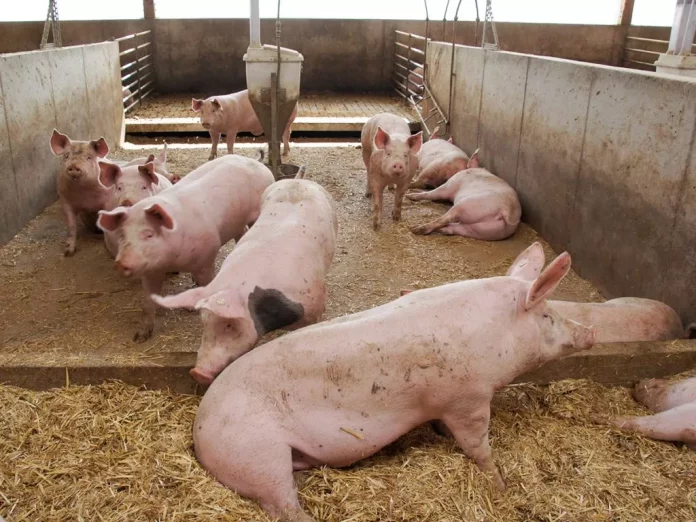
Pig farming can be a profitable agricultural enterprise for farmers who combine sound husbandry with careful management.
Demand for pork remains strong, while pigs have the potential for relatively fast growth and efficient conversion of feed into meat, allowing farmers to generate income within a manageable production cycle.
However, profitability is not determined by the number of pigs a farmer keeps. It depends heavily on the quality of management, from the design and cleanliness of the pig house to the choice of breeding stock and the control of disease.

Poor management can quickly turn what appears to be a promising enterprise into a costly venture.
Below are some of the things farmers need to be keen on to build a sustainable and profitable pig business.
Keep the piggery surroundings clean
Disease prevention should begin outside the pig house. Farmers should maintain a clean perimeter around their piggery, with the surrounding yard free of overgrown bushes, tall grass and accumulated waste.
A neat and open environment makes it easier to monitor the area and reduces hiding places and breeding grounds for pests that can potentially carry disease into the herd.
This is particularly important when dealing with serious diseases such as African Swine Fever (ASF), for which there is no cure and whose impact can be devastating to a pig enterprise.
Strict biosecurity, including keeping unnecessary visitors, animals and potentially contaminated materials away from the piggery, should form part of the farmer’s routine disease prevention measures.
Maintain smooth and clean walls
The condition of the pig house itself also plays an important role in disease control. Farmers should avoid leaving walls with rough, cracked or deteriorating surfaces, as these can harbour dirt, bacteria and parasites and make thorough cleaning difficult.
Plastered walls provide a smoother surface that can be scrubbed and disinfected more effectively. Whitewashing the walls can also help maintain a clean, bright environment, while making dirt and contamination easier to identify.
Regular cleaning and disinfection should be incorporated into routine pig-house management rather than being carried out only when disease occurs.
Create separate areas for eating and sleeping
The design of the floor can have a direct effect on the health and comfort of pigs, particularly young piglets.
A poorly designed floor that leaves animals constantly exposed to cold and damp conditions can contribute to health problems and poor growth.
A well-designed pig house should have distinct zones for different activities. The walking and feeding section can have a properly grooved concrete floor that provides traction and is easy to clean.
The sleeping section, meanwhile, should be kept dry and comfortable, using clean rice husks or chopped dry straw as bedding where appropriate.
Separating the sleeping area from the wet and frequently soiled sections helps pigs remain warm and comfortable while making it easier for farmers to maintain hygiene.
Choose quality breeding stock
The profitability of a pig enterprise can also be determined before the piglets even arrive on the farm. Farmers should be cautious about buying animals simply because they are cheap, particularly when their breed, health status or performance history cannot be verified.
Poor-quality pigs may consume substantial amounts of feed without delivering the desired growth or meat production.
Because feed is one of the major costs in pig production, slow-growing animals can significantly reduce a farmer’s returns.
Investing in healthy, productive commercial breeds from reputable and trusted suppliers may require more money at the beginning, but it can offer better growth performance and ultimately improve the economics of the enterprise.
Prioritise natural ventilation
Good ventilation is another essential component of pig-house management. Pigs generate considerable body heat, while manure and urine produce gases that can affect air quality when allowed to accumulate.
Pig houses should be designed to encourage the natural movement of fresh air. High roofs can help reduce the direct impact of heat from the sun, while wide, open-sided structures can allow breezes to pass through the building.
Adequate ventilation helps reduce heat stress and keeps the air fresher for both pigs and workers.
At the same time, farmers should ensure that the housing design protects animals from excessive cold, rain and strong draughts, particularly young piglets.
Also Read: Why this dairy farmer believes Jersey cows are the better choice