

As international demand for fresh produce continues to rise, export markets are creating new opportunities for Kenyan farmers to diversify their income and improve profitability.
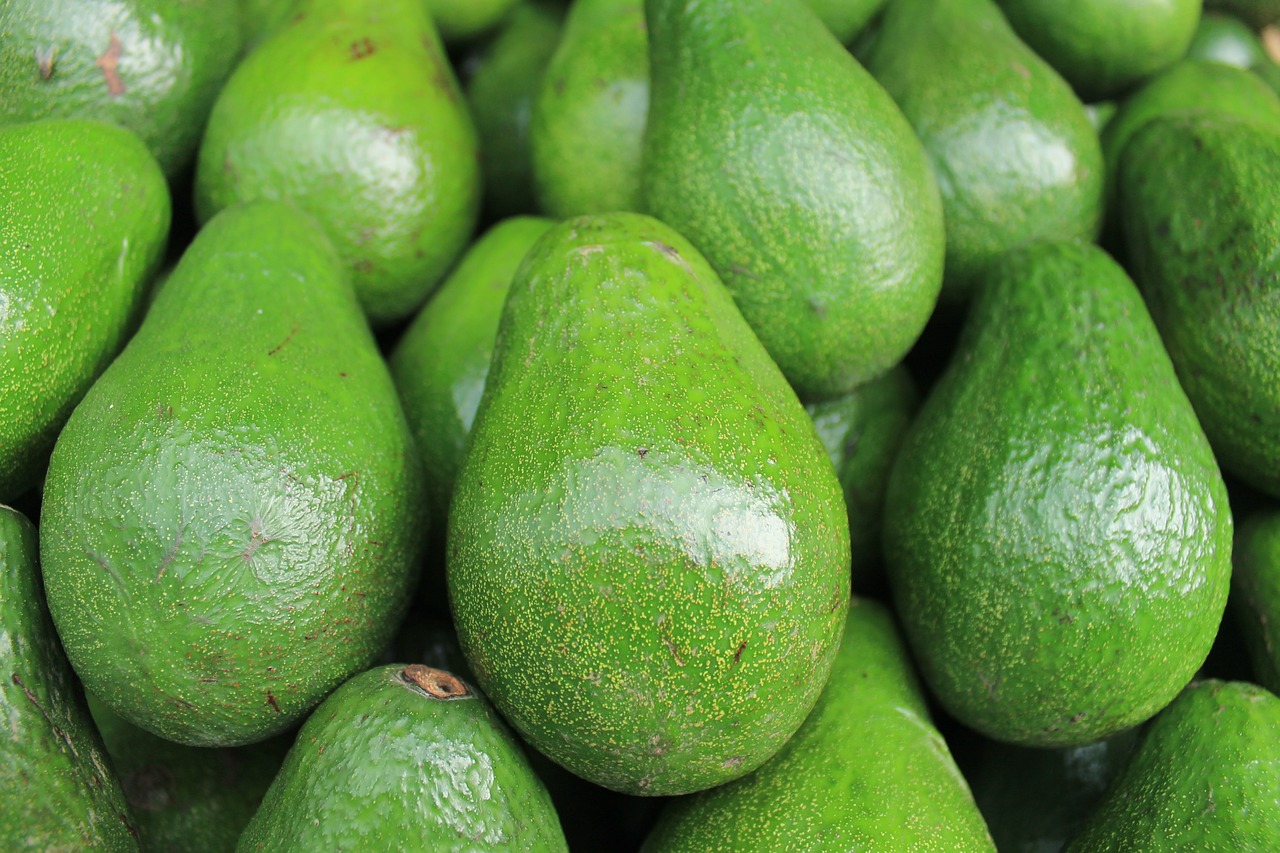
Among the crops benefiting from this growing global appetite is avocado, which has emerged as one of Kenya’s most valuable horticultural exports.
With access to reliable markets, improved farming practices and stronger supply chains, thousands of smallholder farmers are increasingly turning to avocado cultivation as a pathway to better returns.

In Murang’a County, this transformation is becoming increasingly visible as more farmers replace traditional enterprises with avocado orchards or integrate the crop alongside bananas, maize, beans and sweet potatoes.
The shift has been fuelled by strong demand from international buyers and the growing popularity of Kenyan avocados in major European markets.
One of the farmers who has embraced this opportunity is John Ndotono, whose journey into avocado farming began a decade ago after he moved away from dairy farming.
Today, his 1.5-acre farm in Kiganjo, Gatundu South, stands as a testament to the crop’s potential.
Ndotono started his venture in 2016 after purchasing 130 avocado seedlings from Jomo Kenyatta University of Agriculture and Technology (JKUAT).
“I have been in avocado farming for 10 years now. I started out in 2016 with 130 seedlings. Some dried up while others were stolen from the farm, but today I have about 92 trees that are consistently producing fruits suitable for export and the local market,” he told The Star.
Over the years, he has consistently achieved high-quality harvests, with more than 90 per cent of his fruits meeting export standards.
He attributes part of his success to the support offered by supply chain managers and market access initiatives that help farmers maintain quality requirements.
According to Ndotono, avocado farming has proven to be less demanding than many conventional crops while offering a dependable market.
He says the crop requires relatively low maintenance and benefits from strong demand locally and internationally, reducing the risk of unsold produce and post-harvest losses.
His focus now is on further improving farm management practices to ensure that every fruit harvested meets the stringent standards required by export buyers.
A key player supporting farmers such as Ndotono is SokoFresh, a company that has been working with smallholder avocado growers since 2019.
Through solar-powered cold storage facilities and direct market linkages, the company helps farmers preserve fruit quality, minimise losses and access premium export destinations.
The firm’s model enables farmers to deliver produce through an organised system where fruits are harvested, graded, weighed and packaged before being sold in local and international markets.
Farmers are then paid promptly through a digital platform after delivery.
SokoFresh Senior Export Operator Ejidio Mburu says the company places significant emphasis on farmer recruitment, training and quality assurance to ensure produce consistently meets market requirements.
“To ensure we reach as many farmers as possible, we recruit agents from different areas. These agents are also avocado farmers and help us recruit farmers around them. After recruitment, we train farmers on quality control, good agricultural practices and harvest coordination. This helps them maintain high-quality standards,” Mburu says.
Mburu explains that after onboarding farmers, the company conducts scouting exercises to assess available avocado varieties and expected volumes.
This information is then used to develop harvest schedules that ensure efficient collection and proper coordination throughout the season. Farmers are also involved in price negotiations before harvesting begins.
For farmer Lucy Mumbi, improved market access has been one of the biggest benefits of joining the avocado value chain.
Her 1.5-acre farm hosts 21 avocado trees, and she says organised market channels have helped eliminate challenges that were previously common when dealing with brokers.
“Previously, I struggled with brokers who would sometimes harvest the fruits and disappear. This caused significant and unnecessary losses. SokoFresh has taught us better farming techniques and made it possible to sell our harvest and receive payment on time.”
According to Mburu, one of the challenges faced by small holder farmers is operating on less than one acre, which he says presents difficulties in aggregation, certification, compliance and quality management.
Nevertheless, the outlook for Kenya’s avocado industry remains positive as more farmers continue to embrace the crop and as support systems improve across the value chain.
Data from the United States Department of Agriculture (USDA) shows that Kenya produced 633,000 tonnes of avocados in 2023, making it the sixth-largest producer globally and Africa’s leading exporter by volume.
The country was also ranked second in Africa in export value after South Africa. Export volumes increased from 103,254 tonnes in 2022 to 122,581 metric tonnes in 2023 and are expected to continue rising as avocado farming gains popularity.
Key export destinations in 2024 included the Netherlands, which accounted for 32 per cent of exports, followed by the United Arab Emirates, Spain, France and Germany.
Also Read: You need at least Sh500,000 to start a 300-bird layer farm. Here is the breakdown

