
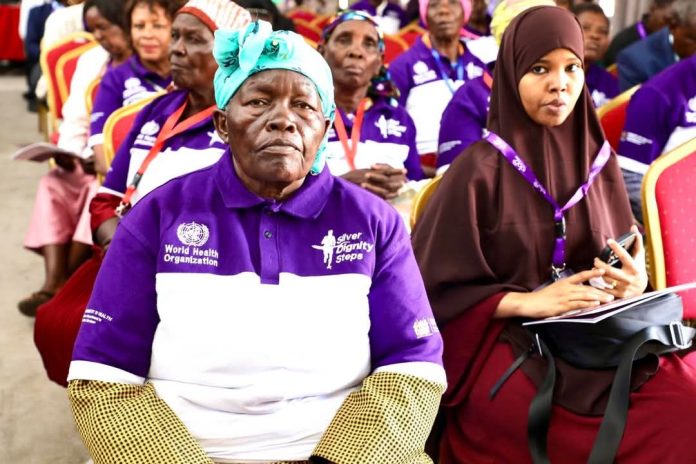
Kenya is at a significant junction in terms of its population, a point clearly shown by the first Silver Dignity Walk and then by the IDOP Kenya 2026 National Conference, which took place at the Kenya Institute of Special Education in Nairobi. Since over 3.2 million of its citizens are now aged 60 or over—a number expected to rise sharply to between 5.5 million and 6.5 million by 2035—the country is experiencing an unprecedented change in its population makeup.
For many years, talk about aging has been based on a limited view that sees older people mainly as passive dependents who need safety nets and welfare. However, this important national conference presented longevity not as an impending socioeconomic crisis but as a major achievement in public health and as an economic opportunity coming from the growing silver economy.
This changing view calls on policymakers, financial institutions, businesses, and local communities to see older Kenyans as active economic participants, as entrepreneurs, as mentors, as consumers, and as important anchors within their communities. If we are to realise the full potential of the silver economy then we must revise the traditional approaches in a variety of sectors, including those relating to inclusive financial products and housing projects, specialised consumer goods, tourism, and opportunities for lifelong employment.
Musculoskeletal Ultrasound Imaging: Applications, Benefits, and Future Trends
Once societies have created an environment in which older people can thrive on their own, the whole community gains from their accumulated experience, stability, and ongoing involvement in the economy.
The vision can only be achieved through systemic changes which are already occurring all over the country, due to the increasing awareness that the traditional health systems, based on treating patients in episodes and focusing on acute care, are completely inappropriate for a population that has to manage a number of chronic conditions over many decades.
The Health, Ageing and Older Persons Health Strategy 2026 by the Ministry of Health provides a solid basis for integrating specialised geriatric care directly into the structure of primary healthcare. This involves expanding access to essential geriatric medicines, improving professional training in the fields of geriatrics and gerontology, and addressing complex neurological conditions by means of comprehensive action plans for dementia and Parkinson’s disease.
Alongside these important health reforms there are significant investments in infrastructure and partnerships across sectors, particularly the approval of the establishment of Kenya’s first Level 6 geriatric hospital.
Moreover, broad support from institutions and companies such as Athletics Kenya cancelling the participation fees for the forthcoming Silver Run and the strong backing from business leaders including Safaricom and KCB shows that there is an increasing national agreement that caring for older people needs a comprehensive approach involving all of society.
Organizations ranging from development partners to local community groups are coming together to make sure that policy leads to real and long-term action.
In the end, getting Kenya’s systems ready for longer lives requires a shared cultural and structural change focused on health, inclusion, and dignity. Since the country is now progressing from symbolic actions such as the Silver Dignity Walk to actual, ongoing implementation, the message is clear that it is an investment in the resilience and future of every generation to make sure that these additional years are lived in a vibrant and independent way.