

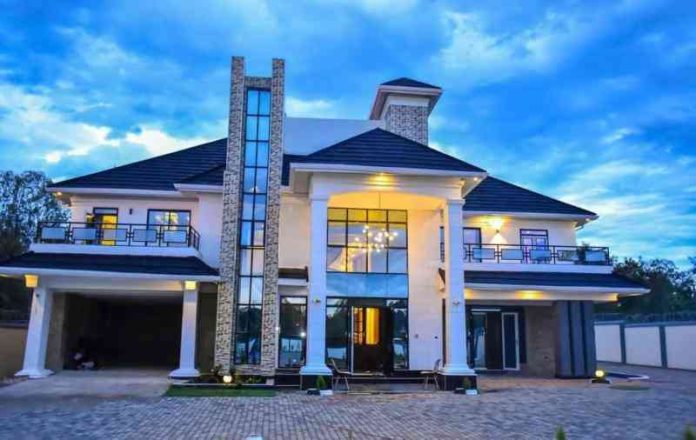
A Kenyan retiree has narrated how his lifelong dream of returning to his rural home after decades of employment turned into a costly lesson on retirement planning, saying he now wishes he had invested more in income-generating ventures than in building an oversized house.
According to his narration on Money254, the former agricultural officer, who worked in Nakuru for more than 30 years, spent much of his career looking forward to retirement in his ancestral home in Sakwa, Siaya County.
He envisioned a peaceful life surrounded by family, with grandchildren filling the compound as he enjoyed the quiet pace of village life.

That vision influenced nearly every major financial decision he made throughout his working years.
Although he considered buying land in growing towns such as Luanda or Maseno, where property could appreciate in value or generate rental income, he ultimately chose to invest in his ancestral land.
He had already built a modest two-bedroom house there and believed it was the place where he truly belonged.
In 2018, four years before leaving employment, he demolished the existing house and embarked on constructing what he hoped would be his ideal retirement home.
Rather than rushing the project, he financed it gradually, using part of his savings each year to complete different stages.
He started with the foundation before putting up the walls, roofing the structure and finally completing the interior finishes.
By the time he retired, the property had grown into a five-bedroom house valued at about Sh5 million. He also landscaped the compound, planted trees and paved sections of the homestead, creating what he considered the perfect reward after decades of service.
However, retirement unfolded differently from what he had imagined.
Once the excitement of leaving formal employment faded, he realised the house was far larger than he and his wife actually needed. Most of the time, only two bedrooms were occupied while the remaining rooms stayed locked for months.
The bustling family life he had envisioned never materialised.
One of his sons relocated to Australia with his family shortly before his retirement, making visits to Kenya infrequent because of the high cost and logistical challenges of international travel.
His second son joined the military, where the demands of his profession often prevented him from travelling home, even during holidays.
Meanwhile, the family’s grandchildren in Kenya divided their holiday time between different grandparents, with some spending festive seasons in Nairobi instead of the village.
As a result, the expansive home he had built to accommodate a large extended family remained occupied by only two people for most of the year.
The experience eventually forced him to question whether he had made the right financial choices.
Looking back, he believes constructing a smaller three-bedroom house would have been sufficient, leaving him with substantial capital to invest elsewhere.
With his professional background in agriculture, he says the money spent on additional rooms, premium finishes and landscaping could have established commercial farming projects such as an orchard, greenhouse or dairy enterprise to supplement the income from his poultry business.
Instead, he says, a significant portion of his retirement savings is tied up in a property that generates no income.
Because the house stands on ancestral land, selling it is not an option. Leasing it out is equally impractical, as demand for large rental homes in rural areas is extremely limited.
Suggestions to convert the property into an Airbnb have also proved unrealistic because the village attracts too few visitors to sustain such a business.
While the home carries considerable value, he says it remains an unproductive asset.
Reflecting on his retirement journey, the retiree says his greatest mistake was concentrating on where he wanted to retire without giving equal thought to how he would live after leaving employment.
He devoted years to building his dream house but invested far less in creating sustainable sources of income, meaningful activities and opportunities to remain socially engaged.
Also Read: How construction loans are helping Kenyans build their dream homes