


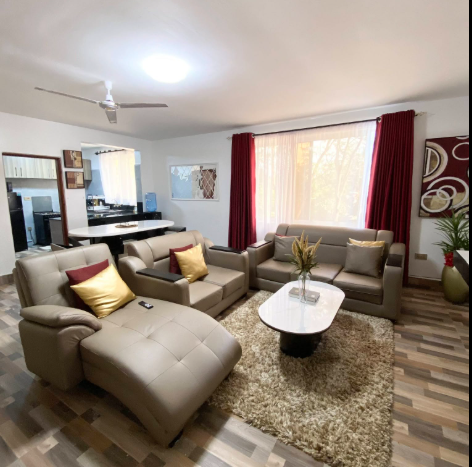
The rapid growth of short-term rental accommodation is opening new opportunities for young entrepreneurs, with digital platforms increasingly becoming the bridge between property owners and guests
At the centre of this transformation is a new generation of Airbnb managers who are building profitable businesses without owning the apartments they market.
For Michael Najabi Mukoya, founder of Kisumu Living, social media has been more than a marketing tool, it has been the foundation upon which he built his business.

His entry into the hospitality sector was unplanned. A graduate of Economics from Maseno University, Mukoya discovered Airbnb while searching for accommodation during a trip from Nairobi to Kisumu.
“I had no plan. We were just looking for accommodation. I did not even know what Airbnb was at the time. That is when I learned it exists,” he recalled as quoted by KNA.
Despite lacking the capital required to purchase and furnish properties, Mukoya did not resist. Instead, he adopted a different business model by acting as an intermediary between property owners and guests.
“I had no capital, so I decided to become an agent. Airbnb requires money because you need to furnish apartments before you can begin. I therefore started by connecting hosts with guests,” he explained.
Building trust, however, proved to be the biggest hurdle. Without apartments of his own or an established brand, attracting clients required persistence and creativity.
The breakthrough came through digital marketing.
“The internet changed everything. I got my first clients through Facebook,” he said.
Mukoya began advertising furnished apartments on Facebook Marketplace under the Kisumu Living brand, often posting listings before securing long-term partnerships with property owners.
“I was posting every day even before I had enough hosts. People kept responding to my adverts, and that is when I realised accommodation was a genuine business opportunity,” he said.
His confidence grew after securing his first successful booking for a one-bedroom apartment in Lolwe Estate.
“At first I thought it was a joke. Someone simply asked whether the apartment was available. I confirmed it was, and they booked it for three nights,” he recalled.
The experience demonstrated that potential guests were willing to trust a service they had discovered online.
“I was very shy, but when the client actually arrived and stayed, it proved that someone could trust me simply because they had seen my Facebook post.”
As positive reviews and referrals increased, more landlords entrusted him with managing their furnished apartments.
Today, Kisumu Living oversees short-term rental units in Milimani, Tom Mboya Estate, Makasembo, Polyview, Lolwe Estate, Mamboleo, Otonglo and the Central Business District, allowing the business to cater to visitors seeking accommodation in different parts of the city.
“We are spread across different parts of Kisumu so that we can serve clients wherever they want to stay,” Mukoya said.
Unlike traditional hotels, furnished apartments offer visitors greater privacy, kitchen facilities and flexible pricing, making them increasingly attractive to business travellers, conference delegates, families and tourists.
Mukoya believes this growing visitor traffic has created a strong market for professionally managed Airbnb units.
The business has also become a source of employment for young people, creating opportunities beyond property management.
“We work with cleaners, maintenance personnel, photographers, online marketers and customer service providers. Every apartment creates work for several people.”
As Kisumu Living expanded, its focus shifted from simply providing accommodation to delivering an experience that enhances guests’ productivity during their stay.
“We do not just provide a place to sleep. We aim to maximise our clients’ productivity while they are in Kisumu by ensuring they enjoy a comfortable stay.”
He believes the quality of accommodation directly influences visitors’ overall experience.
“Your productivity today depends on how well you slept yesterday. Our responsibility is to make sure every guest rests comfortably.”
Social media continues to play a central role in attracting customers. While Facebook helped launch the business, TikTok has become another powerful marketing platform, enabling Kisumu Living to reach wider audiences through short-form videos.
“In today’s world, visibility comes before everything else. You may possess excellent skills, but if nobody knows your business exists, success becomes difficult.”
One TikTok video generated one of the company’s most memorable bookings.
“I had very few followers when I uploaded a video. A lady contacted me through direct message, requested a viewing and later booked one of our Milimani apartments for eight days.”
Despite its growth, the business continues to face challenges. Mukoya says the high cost of setting up quality furnished apartments remains a major barrier for aspiring entrepreneurs.
“Setting up even one quality apartment requires substantial investment.”
Managing multiple properties also comes with security risks, including occasional theft of household items after guests check out.
To minimise losses, some apartments have installed CCTV cameras in common areas, while others require guests to present national identification documents before checking in.
Balancing affordability with quality and security also requires careful planning, particularly when serving clients with different budgets.
“We serve both budget-conscious travellers and high-end clients. Concentrating only on expensive neighbourhoods would lock out many potential customers.”
Looking ahead, Mukoya remains optimistic about the future of Airbnb management in Kisumu as visitor numbers continue to grow.
He encourages young entrepreneurs to embrace digital platforms, build credibility and understand the importance of location when entering the business.
“I encourage young people to explore Airbnb management and other digital businesses. If you learn how to market your services effectively, you can succeed even without owning expensive assets.”
He also stresses that success in the short-term rental business depends not only on the quality of an apartment but also on where it is located.
“Location is everything. You may have an excellent apartment, but if it is inaccessible or inconvenient, attracting guests becomes much harder.”
Also Read: 9 Most Profitable Businesses to Start With Sh. 20,000
Did you love the story? You can also share YOUR story and get it published on Bizna Click here to get started.