
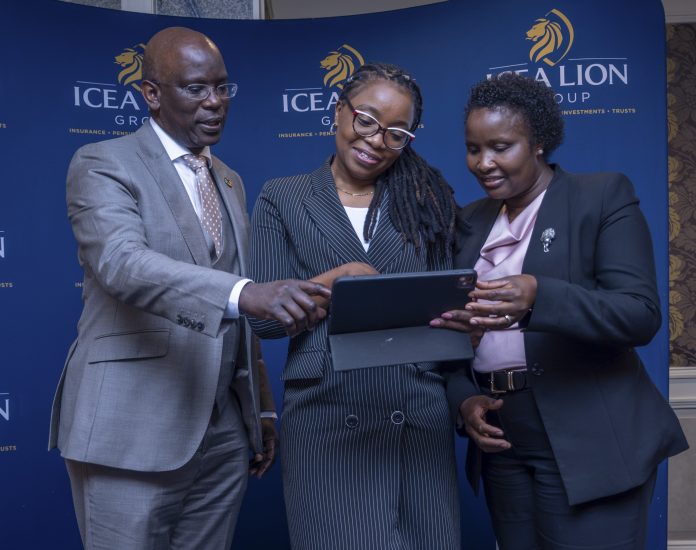
Kenya’s retirement preparedness has improved, with the national Retirement Preparedness Index rising by 3.8 percentage points to 57.9% in 2026, up from 54.2% recorded in 2025. However, a new report by ICEA LION Life Assurance warns that many Kenyans remain vulnerable to financial insecurity after retirement due to inadequate income-generating investments.
The second edition of the ICEA LION Retirement Preparedness Index (IRPI) highlights a growing disconnect between asset ownership and retirement income, with many Kenyans accumulating physical wealth without developing sustainable sources of income to support their lives after employment.
Although the improvement reflects increased statutory National Social Security Fund (NSSF) contributions and growing financial literacy, Kenya’s overall retirement readiness remains moderate.
The findings reveal that 76% of retirees own a rural home, but only 39% can fully meet their monthly living expenses after regular salaries stop.
The report therefore identifies an emerging retirement challenge: being asset-rich but cash-poor.
“Kenyans are diligent about acquiring land and building rural homes, which are important cultural milestones. However, bricks and mortar do not pay monthly grocery or hospital bills,” said Catherine Karimi, CEO of ICEA LION Life Assurance.
She noted that while 49% of working adults believe they have fully planned for retirement, 61% of retirees either struggle or only partially meet their daily expenses.
Karimi called for a shift in retirement planning from simply accumulating assets to developing investments that generate predictable and sustainable income throughout retirement.
Building Sh5 million retirement home is my biggest financial regret
ICEA LION Retirement Preparedness Index Shows Improving Readiness
The 2026 IRPI was conducted among 1,300 respondents, comprising 1,000 working adults and 300 retirees drawn from both formal and informal sectors.
The survey covered Nairobi, Mombasa, Eldoret, Nakuru, Nyeri and Kisumu.
It evaluates retirement preparedness across four key pillars: Behavioural Scoring, which accounts for 40% of the index; Replacement Rate at 20%; Financial Sufficiency Ratio at 20%; and Asset Multiples at 20%.
The improvement from 54.2% in 2025 to 57.9% in 2026 points to progress in retirement awareness and savings behaviour.
However, the findings suggest that increased awareness does not necessarily translate into adequate retirement investments or financial independence in old age.
76% of Retirees Own Rural Homes but Only 39% Meet Monthly Expenses
One of the most significant findings is the limited ability of retirees to convert accumulated assets into regular income.
While 76% of retirees own rural homes, only 22% own rental properties that could potentially generate recurring income.
Furthermore, just 8% hold government bonds.
The findings highlight the importance of diversifying retirement portfolios beyond land and residential property into investments that can provide consistent cash flow.
For many retirees, owning property does not necessarily translate into having sufficient money for everyday expenses, healthcare and other financial obligations.
Your pension, Your pace: building lasting income after retirement
Healthcare Costs Consume Over 30% of Retirement Income
Healthcare expenses are emerging as one of the biggest financial pressures facing retired Kenyans.
According to the report, 45% of retirees spend more than 30% of their retirement income on medical expenses.
Additionally, 57% spend more than 20% of their income on food and household items.
These competing financial demands leave many retirees with limited resources to meet other essential expenses, particularly as medical needs increase with age.
The findings underscore the importance of incorporating post-retirement medical cover into long-term financial planning.
96% of Retirees Still Support Family Members
The report also exposes the continuing financial responsibilities facing retirees, challenging the assumption that children will automatically support their parents in old age.
While 27% of working adults expect their children to support them during retirement, 96% of current retirees continue to provide financial assistance to family members or dependents.
Of these, 70% allocate a fixed portion of their retirement income to supporting their families.
This means that retirement income must often stretch beyond personal needs to cover the education, healthcare and living expenses of other household members.
The findings highlight the need for Kenyans to factor family responsibilities into their retirement savings targets.
32% of Workers Could Exhaust Savings Within Six Months
The report further reveals that many working Kenyans lack sufficient emergency savings to withstand a sudden loss of income.
About 32% of active workers estimate that their savings would run out within six months if their income stopped today.
Early withdrawals from pension savings are also undermining long-term retirement security.
Among workers who have withdrawn pension savings before retirement, 55% said they did so to meet emergency expenses.
The findings point to the importance of maintaining separate emergency funds to avoid disrupting long-term retirement investments whenever unexpected financial needs arise.
Kenya’s Pension Industry Grows as Coverage Remains Low
Kenya’s retirement benefits industry continues to record significant institutional growth.
According to the report, industry assets under management increased by 24.6% year-on-year to KSh 2.81 trillion by December 2025.
However, pension coverage among working adults improved only marginally, rising from 57% in 2025 to 58% in 2026.
The informal sector remains a major gap in pension participation, accounting for 60% of workers without pension coverage.
The report also found that 84% of workers expect to rely primarily on non-pension savings vehicles, including SACCOs and bank deposits, for their retirement security, viewing pensions as supplementary sources of income.
The findings suggest that despite the expansion of pension assets, a significant proportion of Kenya’s workforce remains outside formal retirement savings arrangements.
I have Sh900k retirement savings. How can I get to Sh10 million in 15 years
Young Kenyans Want Early Retirement but Have the Lowest Pension Coverage
The 2026 IRPI also identifies what ICEA LION describes as the ‘Young Saver’s Paradox’.
Although 45% of working adults aged between 18 and 25 intend to retire before reaching 60, only 21% of this age group have pension savings.
This is the lowest pension coverage recorded across all age groups.
The gap highlights a potential challenge for younger workers who have retirement ambitions but are not building the financial foundation required to achieve them.
Starting retirement contributions early can allow individuals to benefit from long-term investment growth and compounding returns.
However, the findings suggest that more needs to be done to make pension products accessible and relevant to younger workers, particularly those earning irregular incomes or working outside formal employment.
ICEA LION Calls for Innovative Pension Products for Informal Workers
ICEA LION Group CEO Philip Lopokoiyit said the growth of the retirement benefits industry must ultimately translate into improved financial security for individual retirees.
“An industry worth KSh 3.17 trillion demonstrates strong institutional growth, but true sector success must be measured by individual financial dignity in old age,” said Lopokoiyit.
He noted that traditional pension models designed around formal payroll systems do not adequately serve the majority of workers in the informal economy.
Lopokoiyit called for the development of innovative retirement solutions centred on micro-contributions, portable benefits, post-retirement medical cover and accessible emergency savings.
Such solutions, he said, would help Kenyans build retirement savings without having to withdraw their long-term investments whenever they encounter financial difficulties.
Namsia: 3 phases of a retirement plan you need for a good lifestyle after retiring
Financial Literacy Gap Between Awareness and Investment
Despite growing financial awareness, the report identifies a significant gap between understanding financial risks and taking practical investment action.
Approximately 82% of respondents demonstrate awareness of inflation, but only 38% actively invest.
This suggests that financial education alone may not be sufficient to improve retirement preparedness unless it is accompanied by accessible investment products and consistent savings behaviour.
Bridging this gap will be critical in helping more Kenyans transition from financial awareness to effective retirement planning.
ICEA LION Retirement Calculator Reaches 65,000 Kenyans
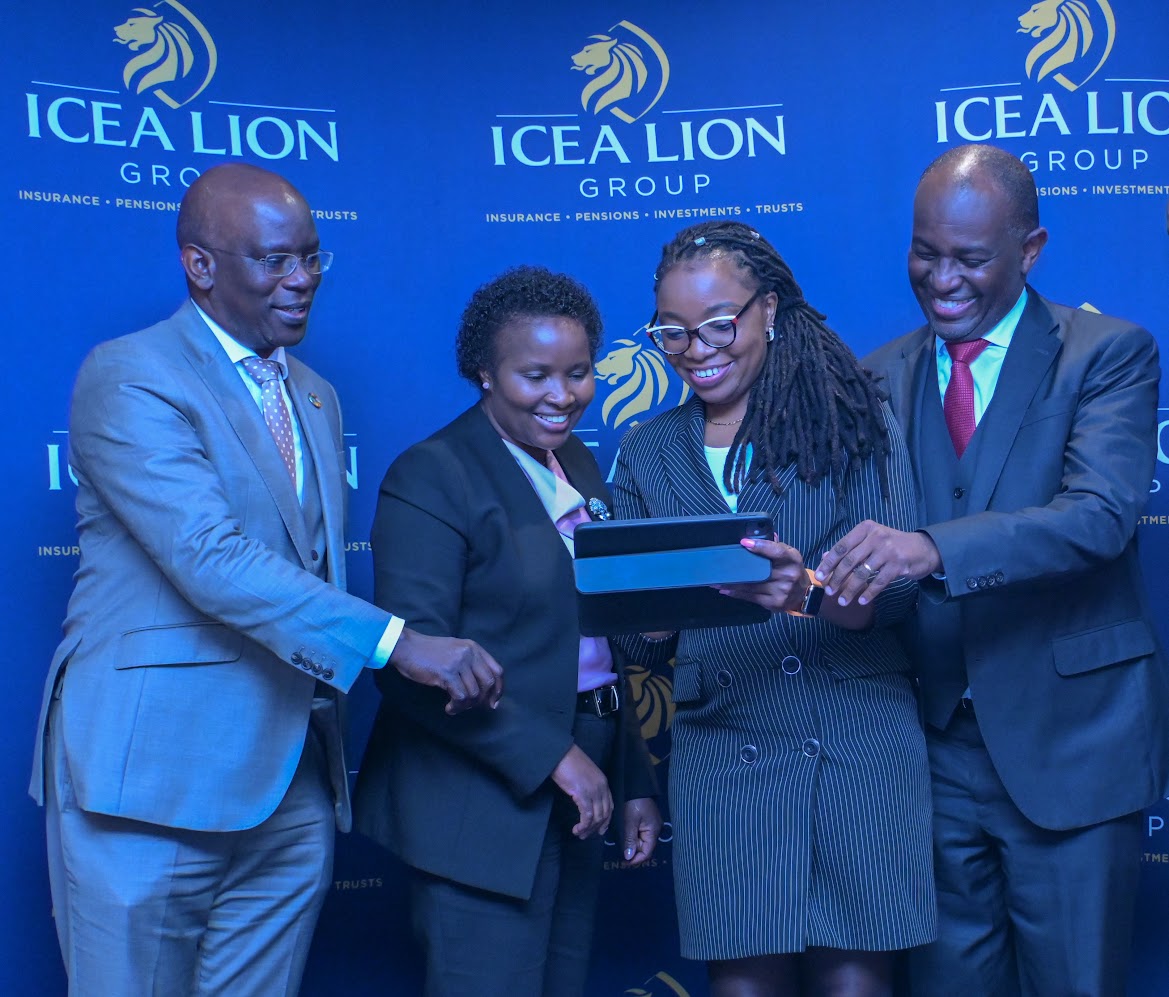
To help individuals assess their retirement readiness, ICEA LION Life Assurance continues to expand access to its free online Individual IRPI Calculator.
The digital tool has attracted approximately 65,000 interactions from Kenyans seeking to understand their retirement preparedness.
Of these, 1,700 individuals initiated an assessment, while 1,200 completed the full evaluation to receive their personalised retirement readiness index.
The strongest participation came from individuals aged 36–45, who accounted for 48% of completed assessments, followed by those aged 26–35 at 30%.
The calculator is designed to help individuals understand their current retirement position and identify areas requiring improvement.
This is how you can ensure you’re not cash poor after retirement
Retirement Planning Must Go Beyond Owning Property
The 2026 ICEA LION Retirement Preparedness Index highlights the need for Kenyans to rethink traditional approaches to retirement planning.
While owning land, building rural homes and accumulating property remain important wealth-building milestones, these assets may not provide sufficient financial support without complementary income-generating investments.
The report points to the importance of starting retirement contributions early, diversifying investments, maintaining emergency savings and preparing for healthcare expenses and family responsibilities.
With Kenya’s retirement readiness score improving to 57.9%, the country is making progress. However, the challenge remains ensuring that more Kenyans can translate their accumulated wealth into reliable income and financial independence throughout retirement.