
NAIROBI, KENYA | 12 NOVEMBER 2026 – Kenya’s ability to translate economic ambitions into meaningful public progress will increasingly depend on the quality of its leadership, the strength of its institutions, and the willingness of different sectors to work together, Pan Africa Christian (PAC) University has said.
The call comes as the institution convened its Post Global Leadership Summit themed “Powering Kenya’s Leadership Future: People, Collaboration and Politics,” bringing together leaders and stakeholders to examine how leadership shapes the country’s social, economic, and institutional future.
The discussions come amid growing national attention on governance, public accountability, youth participation, and the distribution of economic opportunities. While Kenya continues to demonstrate economic resilience, questions remain about how effectively growth is translating into productive employment, stronger institutions, and improved livelihoods.
The World Bank’s November 2026 Kenya Economic Update estimates that addressing governance constraints could increase the country’s GDP by up to 20 per cent by 2035. The report also estimates that corruption and collusion cost Kenya 2 per cent of its Gross Domestic Product (GDP), highlighting the challenge of translating economic growth into more productive and sustainable opportunities.
Beyond governance challenges, public trust is declining. Data from the 2025 Edelman Trust Barometer show that only 38% of Kenyans trust their government “to do what is right,” a 4-percentage-point decline from the previous year. A significant and rising concern is that most Kenyans believe their political leaders, journalists, and businesses deliberately mislead the public through falsehoods or exaggerated claims.
For the institution, these developments reinforce the need to rethink leadership beyond positions of authority and individual achievement, towards a model grounded in responsibility, collaboration, and measurable impact.
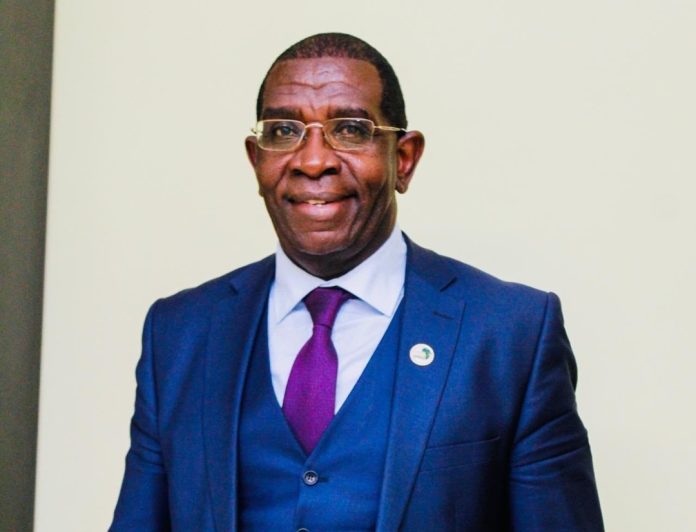
“Kenya’s leadership future cannot be determined by those who occupy positions of authority alone. It will depend on the quality of our institutions, the values that guide our decisions, and our ability to work together across different sectors and interests. Leadership must ultimately be measured by what it makes possible for people and the difference it delivers in society,” said Prof. Dionysious Kiambi, Vice-Chancellor of PAC University.
The Kenyan mirror: why corruption isn’t just a leadership problem
He adds: “As a university, our responsibility extends beyond preparing people for professional careers. We must develop citizens with the competence, character, and judgement to lead responsibly, engage constructively with society, and contribute to the institutions and communities they serve.”
The November summit advances a conversation initiated at the university’s March 2026 Global Leadership Summit, themed Leading Transformative and Responsible Change in a Complex World. While the earlier gathering examined the values and capabilities required to lead amid uncertainty and complexity, the current edition focuses on how those principles ignite collective action within Kenya’s national context.
As Kenya considers its development priorities, the summit seeks to reinforce a fundamental proposition: national transformation requires more than sound policies and ambitious targets. It requires capable, responsible leaders and institutions that earn public trust, and partnerships that turn shared ambitions into practical outcomes.