Home Blog Page 107

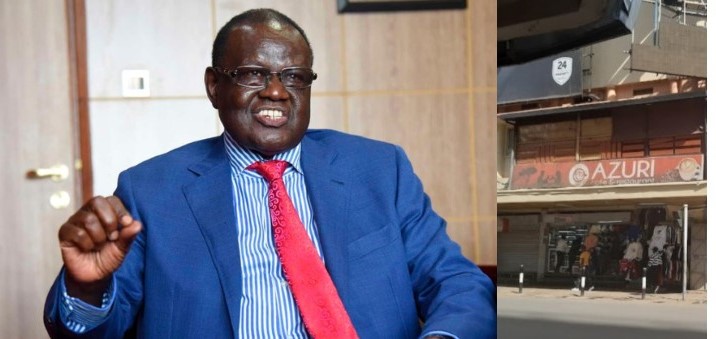
Kiraitu Murungi: Inside the multi-million business empire of former Meru Governor

0

Former Meru Governor and seasoned politician Kiraitu Murungi is widely known for his decades-long presence in Kenya’s public life.

Yet beyond the political arena, Murungi has quietly built a footprint in the hospitality sector, a move that reflects a growing trend among prominent Kenyan leaders diversifying into private enterprise.

Born in 1952 in South Imenti, Kiraitu attended Chuka High and later joined Alliance Boys High School for His A-levels.

He later joined the University of Nairobi, graduating with a bachelor’s degree in law and a master’s degree in law.

He began his career as a Law teacher at the Kenya School of Law and as an Advocate of the High Court for several years. He also served as a Human Rights Lawyer and Civil Society Leader in the 1990s before joining politics.

Kiraitu’s political career began in 1992 when he became a member of parliament for the South Imenti Constituency. He held the position for over 20 years before being elected as the Meru Governor in 2017.

From 2005-2012, he served as the Minister of Energy in charge of Electricity, Petroleum, and Renewable energy. Kiraitu also served as the Secretary General of the Party Leader of National Unity (PNU), which was the ruling coalition from 2008-2012.

He was a Human Rights Lawyer and Civil Society Leader, where he was a pioneer in the struggle for human rights and multi-party democracy in the 1990s.

Kiraitu was awarded the prestigious Presidential Award, Elder of the Golden Heart (EGH), and the Jubilee Golden Award of Distinguished Public Service

Aside from politics, Kiraitu is a businessman who has invested heavily in the hospitality sectors. He is associated with some of the popular dine and wine spots in Nairobi and Meru counties.

Some of the establishments associated with him are;

Azuri Café & Restaurant

Nestled at Imenti House at the junction of Moi Avenue and Kenyatta Avenue, Azuri offers a vibrant mix of African and International cuisine that celebrate Kenya’s diverse culinary heritage.

The facility established in January 2015 prides itself in blending the Kenyan taste with exotic tastes in its food.

Nkubu Heritage Hotel

Located in Meru, Nkubu Heritage Hotel provides exceptional dining experiences, a contemporary bar, outdoor catering services, wedding venues and adaptable event spaces, rendering it a perfect option for a variety of events.

The facility provides both local and international dishes.

Also Read: How Cyrus and Brenda turned Diecast Kenya into a thriving brand

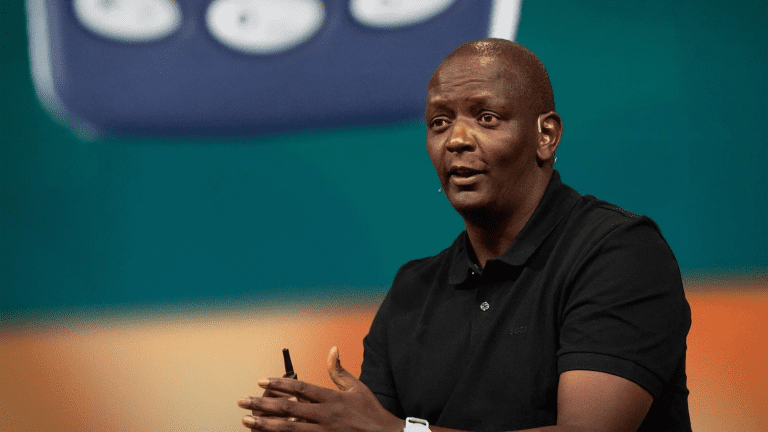
Absa Group picks Sitoyo Lopokoiyit for top Africa banking role

The Absa Group has named Sitoyo Lopokoiyit as the new head of its private and personal banking unit in Africa.

In the appointment, Absa Group described Sitoyo as a highly respected and experienced industry leader with deep expertise in financial services.

Sitoyo will assume this new role from April 11, 2026. Until his appointment, he was the head of M-Pesa at Safaricom, a role that he had been serving since April 2020.

SItoyo had joined Safaricom in 2011 as head of M-Pesa strategy and business development, a role he held before he moved to Vodacom Tanzania as Director M-Commerce in 2015.

Before he joined Safaricom in 2011, Sitoyo had worked at Total Kenya where he held the position of diversification manager and later as the head of Total Solar business. He also worked for Uchumi supermarkets as a Category Manager and at Chevron Kenya ltd as Business Advisor and Merchandasie Manager.

Explainer: How you can build a 2-bedroom house with less than Sh1.5 million

Prior to heading M-Pesa at Safaricom, Sitoyo was the Chief Financial Services Officer. He had occupied this position for a period of three years. He had also held the position of director of M-Commerce in Vodacom-Tanzania from October 2015 where he attained a 10-year experience in the Mobile-money sector.

“I am a passionate, energetic and easy-going leader, who has delivered major innovations that have revolutionized the global mobile money space and driven financial inclusion,” he says.

Sitoyo holds a Bachelor of Commerce (Hons) degree in marketing from the University of Nairobi (2000) and an Master of Science in Information Technology Management and Organizational Change from Lancaster University in UK.

Yellowbet Kenya Enters the Market and Releases Official iOS Mobile Application

0

NAIROBI, Kenya – February 2026 – Following the debut of Yellowbet, a newcomer brand in the local online betting scene, Kenya’s digital entertainment segment has registered further expansion in December.

Yellowbet’s introduction of a platform tailored to Kenyans’ needs, which integrates sports betting and interactive gaming under one digital brand, has brought innovation to the market.

December Market Entry Signals New Presence

After its initial debut in the market, the platform subsequently reached a second milestone in February when it officially launched its iOS mobile app. This release fits well with Kenya’s increasing adoption of mobile-first digital experiences and thus caters to those users who prefer the speed and efficiency of a dedicated app to a regular web browser.

Commenting on the launch, Norman Itumo Nthiwa, Marketing Manager at Yellowbet, said:

“The goal from the start was to ‘get the basics right – speed and reliability’,” adding, “The market deserves a platform that performs consistently on every connection type, laying the groundwork for the mobile-first direction we took just after the New Year.”

Platform Overview and Core Offerings

Yellowbet offers a structured range of betting and gaming products to fit all different users’ tastes. Focused on sports betting, it includes an enormous variety of global and local events. Markets span across all popular events, such as football, basketball and tennis, with live data added to enable better betting.

Besides sports, the platform has a casino section featuring a mix of classic table games and new digital releases. This assortment completes the sportsbook, providing a range of entertainment options that can all be accessed with one account.

How Machine Learning Improves Game Balancing in iGaming

The platform also features Aviator, a real-time multiplayer game that reflects the growing interest in interactive digital gaming formats across the local market. Its introduction responds to increasing demand for socially driven and interactive game experiences among players in the region.

Licensing and Regulatory Position

Local compliance forms the very basis of the platform’s framework. Being a licensed betting platform, Yellowbet.ke complies with local laws as well as responsible gaming standards.

iOS Application Availability

The official app has greatly facilitated access to the platform since its launch in February. The iOS version, which is currently on the Apple App Store, provides a fresh mobile experience, allowing users to manage their accounts, place bets, and play games easily through a user-friendly smartphone and tablet interface.

The mobile app launch enables players to enjoy sports betting, casino games and Aviator from anywhere, in direct response to the rise in popularity of mobile-first gaming across Kenya. During the launch period of the platform, a new user might be able to get a bonus on registration offer that is presented within the app environment.

Accessibility, Safety, and Platform Development

Performance aspects take into account the devices and types of internet connections most commonly used across the local market, ensuring continuous and reliable access for platform users.

Through account management tools and features designed to promote responsible gaming, both the platform’s and users’ safety have been significantly strengthened.

The market entry of Yellowbet in the region was marked by a December rollout, followed by the mobile app launch in February.

Market Context and Early Direction

The launch of Yellowbet in this market takes place in an environment where mobile usage continues to play a central role in digital entertainment.

The platform deployment was organized in phases, beginning with a browser-based service in December and followed by the release of the iOS app in February.


Explainer: How you can build a 2-bedroom house with less than Sh1.5 million

0

Owning a house is a significant milestone for many people. However, the process sometimes feels daunting due to the high cost of housing and limited financing options.

The changing technology has, however, made it possible for people with low budgets to construct decent houses. This article focuses on how you can construct a 2 bedroom all en-suite with less than Sh1.5 million.

In order to cut construction costs, it is critical to plan out the procedure before beginning any job. The planning phase should include a budget restriction and techniques to stay within budgetary constraints.

Construction materials account for a huge chunk of a construction budget; therefore, this is the first area you need to be clever to cut costs.

You can employ the trick of using precast panels as an alternative to the brick walling system and a hidden roof to cut the roofing cost.

According to Alex Thiru, a real estate project manager, a standard two-bedroom house measuring 79 sqm by 850sqm can take about 70 panels and between Sh350,000-Sh400,000 for the overall walling cost inclusive of labor cost.

”The structure alone without the finishes cost below Sh1M,’’  stated Nick Muema of Property Noma.

Thiru, who planned the construction of a two-bedroom precast house in Gikambura Kiambu county, notes that the finished house shouldn’t go beyond Sh1.5M. Thiru used a hidden roof which helped save on timber costs.

”For the ceiling, it was a bit expensive because of the timber, which has been a bit expensive currently. But evaluating it with the other designs, it saved us a cost of about Sh300,000 when you include the timber and labor,”

Reuben Kimani: How to Own a House With a Monthly Salary of Sh30,000

”For the total cost of the project, we had budgeted an average of Sh1.2 million, and currently, we are done with the third phase, and the house hasn’t even got to 1 Million.”

Precast concrete wall panels prices depend on the company you are buying from. The wall panels for popular companies, such as Global Precast Panels, go for about Ksh. 1350 per square meter, while the slabs retail at Ksh 4200 per square meter

According to HPD Consult, a real estate firm in Kenya, using precast technology, a builder can save up to 90 percent of the time taken to put up a similar project using conventional construction methods while saving costs by up to 30 percent.

Absa Group announces key executive leadership appointments

Following the finalisation of its refocused Group Pan-African Strategy, Absa Group today announced a number of executive leadership changes, reinforcing its ongoing commitment to enhanced strategic capability, customer-led growth, strong governance, succession planning and deepened leadership bench strength across the organisation.

Absa announces the appointment of Sitoyo Lopokoiyit as Chief Executive: Personal and Private Banking, effective 1 April 2026. A highly experienced industry leader, Lopokoiyit brings deep expertise in financial services, telecoms, customer value propositions and experience, and large-scale business transformation. This appointment represents an important step in Absa’s ongoing focus on delivering integrated, customer-centric solutions across its Personal and Private Banking franchise, while also exploring new growth opportunities.

Lopokoiyit was most recently the Managing Director of M-PESA Africa and Chief Financial Services Officer at Safaricom, where he led the strategy and growth of Africa’s largest fintech platform. With more than 12 years of experience in fintech, Lopokoiyit has played a central role in scaling M-PESA into a continental powerhouse, serving over 56 million customers and more than 5 million businesses. He was appointed to lead M-PESA Africa, the joint venture between Safaricom and Vodacom, with a mandate to expand the platform’s reach and relevance across African markets.

Since joining Safaricom in 2011, Lopokoiyit has held several senior leadership roles, including Head of M-PESA Strategy and Business Development, and has led operations in Tanzania. He has driven the launch of major innovations such as the M-PESA Super App, Fuliza, and strategic partnerships with global platforms, including PayPal and AliPay.

Lopokoiyit’s impact on financial inclusion has been recognised globally, including his induction into the 11:FS Hall of Fame, which honours industry leaders and innovators who have significantly improved the financial services ecosystem through innovation, resilience, and pioneering work. He is deeply committed to empowering small businesses, advancing inclusive financial services and accelerating the adoption of digital payments across the continent.

Absa Group picks Sitoyo Lopokoiyit for top Africa banking role

“This appointment demonstrates Absa’s strategic focus on delivering integrated, customer-centric solutions across our Personal and Private Banking franchise while unlocking new growth opportunities”, says Kenny Fihla, Group Chief Executive Officer of Absa Group.

In line with Absa’s commitment to strong governance, Prabashni Naidoo, currently serving as Group Chief Internal Audit Executive, will step into a newly reconstituted role that includes Legal, Compliance and Group Secretariat as Group Chief Governance Officer, effective 1 March 2026. A highly respected governance professional, Prabashni brings extensive experience across audit, risk, regulatory engagement, and organisational assurance. Her leadership and deep institutional knowledge will continue to strengthen governance standards across the Group.

Rushdi Solomons is promoted to Group Chief Internal Audit Officer, effective 1 March 2026. Solomons was the Managing Executive: Compliance Strategy, Regulatory Relations and Governance, a role he has held since June 2025. Prior to his current role, Rushdi was Chief Operating Officer in Group Internal Audit, a role he has held since joining Absa in June 2020. Before joining Absa, Rushdi held roles as Partner: Deloitte Risk Advisory; Acting Business Executive: Auditor-General of SA; PwC (Advisory and Audit & Assurance), where he completed his Articles. He has extensive experience servicing various clients in the Public and Private Sectors.

Fatima Newman has been appointed Chief Compliance Officer, effective 1 March 2026. Newman is a strategically minded Executive with 28 years’ experience across a range of industries and expertise in Risk, Compliance, Regulatory and Governance, and Financial Services. She has led with an innovation and systems thinking approach, working through complexities and implementing suitable and fit-for-purpose solutions, including as Chief Risk Officer at EOH Group Limited (EOH). Newman has held senior roles in Absa, EasyHQ, EOH, and MTN South Africa.

Commenting on the leadership changes, Fihla said: “These appointments reflect both the depth of talent within Absa and the strength of our succession planning, as well as our ambition to enhance our organisational resilience by bringing on board expertise from outside the firm to close the gaps in key capability areas. We are building a future-fit leadership team, deepening our bench strength, and ensuring the right capabilities are in place to deliver on our strategic ambitions. The appointments also bring significant depth of experience across legal, regulatory, assurance, and control disciplines, supporting Absa’s commitment to a strong and resilient governance framework. I am confident that our newly appointed leaders will play a significant role in driving the Group forward.”

Power Couple: How Cyrus and Brenda turned Diecast Kenya into a thriving brand

0

When Cyrus Gichohi ordered a few diecast model cars from Amazon for his personal collection, he had no grand business plan in mind. It was a hobby; an indulgence rooted in nostalgia.

Today, that modest beginning has evolved into Diecast Kenya, a fast-growing family-owned enterprise that is steadily redefining model car collecting and gift culture in Kenya.

At the heart of the business is a partnership built on complementary strengths and shared vision.

“We run Diecast Kenya as a small, family-owned business built on passion and purpose,” says Gichohi.

His spouse, Brenda, is the entrepreneurial engine behind the brand. A Bachelor of Arts in Communication graduate from the University of Nairobi, Brenda’s foray into formal employment lasted less than a month before she fully embraced entrepreneurship.

Over the past decade, she has built extensive experience, primarily in real estate, and now serves as the founding Managing Director of Diecast Kenya, established in 2021.

Gichohi himself holds a degree in Business Technology from the Technical University of Kenya. With over 15 years of professional experience spanning digital creative strategy and AdTech, where he has worked for the past eight years, he brings technical insight and strategic depth to the venture.

Born of Nostalgia, Built on Vision

The business began organically. Friends who admired Gichohi’s personal collection started purchasing pieces, and what began as a pastime gradually revealed commercial potential.

“I grew up in a deeply entrepreneurial environment. My father left formal employment at a very young age, and while my mother worked in the public sector, she consistently ran multiple side businesses. It may sound cliché, but that environment played a significant role in shaping my mindset and outlook on work and independence,” Gichohi says.

“The original vision was simple yet powerful: to awaken the inner child. Nostalgia is a powerful emotion,” he adds.

The business was financed through personal savings and continuous recapitalisation. Years later, Diecast Kenya stood out as the go-to gift shop for car enthusiasts.

“We have bootstrapped since inception. One strategy that played a key role early on was the “rent-a-shelf” model, where we rented shelf space as a pickup point while building brand awareness and moving toward sustainability,” he says.

Also Read: Meet Kenyan billionaire behind popular Qwetu and Qejani hostels

Today, Diecast Kenya stocks a wide range of model car scales, from 1:18 scale replicas to the popular 1:64 Matchbox models.

The company also carries limited-edition Formula 1 merchandise and has recently introduced custom 3D art pieces designed exclusively under the Diecast Kenya brand. These unique additions have gained traction among both seasoned collectors and new Formula 1 enthusiasts.

“A fun fact many people don’t know is that diecast cars are among the very few toys that appreciate in value over time, making them both sentimental and smart collectibles,” Gichohi notes.

One of the company’s proudest achievements has been its role in popularising model car collecting in Kenya and beyond. Operating in a niche market, however, has not been without its challenges.

“Our main challenge has been scaling products. It often involves trial and error to understand market response, but it’s a challenge we’ve learned to navigate with confidence and adaptability.”

Diecast Kenya’s primary customers are households, and female customers who purchase the models as gifts for their partners. The company also collaborates with select car yards that have supported the brand since its early days.

According to the businessman, trust and customer loyalty have been the cornerstone of the growth of the business.

“We treat every customer with respect and fairness, regardless of their level of product knowledge or purchasing power. That consistency has been key in building long-term trust and loyalty,” he notes.

The Power of Digital Presence and Referrals

Marketing has played a crucial role in the company’s expansion. Diecast Kenya maintains an active and engaging presence on Instagram and TikTok, where it interacts directly with clients, partners and prospective buyers.

“Referrals have been incredibly powerful- it’s the purest validation of our product and service. Content marketing has also played a critical role in positioning Diecast Kenya as a trusted, go-to brand for everyday and special-occasion gifting.”

Navigating Competition, Challenges and Growth

In an increasingly competitive landscape, Gichohi welcomes new entrants. Rather than viewing competition as a threat, he sees it as motivation to refine operations and strategy.

Investments in seamless shopping systems, stronger marketing and sourcing rare, globally sought-after products have helped the business stay ahead.

Additionally, Diecast Kenya has faced logistical and financial hurdles, particularly currency fluctuations that affect stock sourcing and planning. However, improved economic stability and Kenya’s robust logistics infrastructure have eased some of these pressures.

Also Read: Couple behind popular Tsavo Apartments who retired at 40

Lessons in Entrepreneurship

Gichohi says managing people including staff, customers or partners, has taught him the importance of building genuine connections especially in collaborative businesses.

Looking ahead, he envisions Diecast Kenya as more than a gift shop.

“Our goal is to position the brand as something deeply woven into Kenyan pop culture, particularly within entertainment, arts, and culture,” he says.

For young entrepreneurs aspiring to enter similar ventures, his advice is clear: passion must be the foundation.

“There’s a difference between being enterprising and being an entrepreneur,” he reflects. “Enterprising can deliver short-term gains, but passion sustains you over the medium to long term.”

He carries no regrets. Every experience, he believes, has been a teachable moment. He maintains that external factors will always exist, but they should never dictate one’s destiny.

Beyond Diecast Kenya, Gichohi continues to build in the AdTech space and is currently developing IoT and future-facing technology solutions, further evidence of his appetite for innovation.

His parting words capture the spirit that transformed a hobby into a thriving enterprise:

“When the entrepreneurial bug hits you, shoot, then aim. Many great ideas are lost when we overthink and lose momentum before ever taking the first step.”

Scores injured as building collapses in OTC Nairobi

0

At least six people have been injured after a building collapsed in Nairobi Central Business District (CBD) on Wednesday, February 11.

The building which was under construction at the junction of Racecourse and Kirinyaga Road in the OTC area, collapsed trapping several people.

According to sources, 12 people have been rescued. The Kenya Red Cross, while confirming the incident, said it had sent rescue teams to the area to assist in rescue operations.

“A building collapse has been reported near OTC along Kirinyaga Road, Nairobi County. Response teams are en route. More updates to follow,” the Kenya Red Cross reported.

More to follow

Small estate malls are redefining Kenya’s retail landscape

0

Nairobi’s retail market has quietly changed shape over the last two decades. Large destination malls once defined where people shopped, ate, and spent leisure time. Today, small estate malls and neighbourhood shopping arcades are steadily rewriting that script.

This shift is not limited to Nairobi alone. Similar patterns are now visible in Karen and across other major towns in Kenya, where retail is increasingly moving closer to residential catchments rather than drawing consumers into centralised hubs.

For years, areas such as Westlands and Kilimani were served by a handful of major malls. Sarit Centre, Yaya Centre, The Mall Westlands, Westgate Mall, and Junction Mall operated as regional shopping destinations. Ten to twenty years ago, these centres were considered premium, attracting consumers willing to travel long distances for shopping, dining, and leisure.

Their locations near major roads and public transport corridors defined both their success and their clientele. High accessibility meant high footfall, but it also introduced congestion, noise, and transient traffic. As consumer preferences evolved, these same strengths began to create friction with more affluent shoppers.

China Square dominating Kenya’s retail scene with new Sh. 1 billion outlet

A similar transition has already occurred in public services. A term ago, Kenyans were required to travel to major towns to access banking and government services. That era is largely over. Banks now operate in rural centres, and government services are available at sub-county levels. Services moved closer to people, reducing the need for long-distance travel. Retail is following the same decentralisation logic.

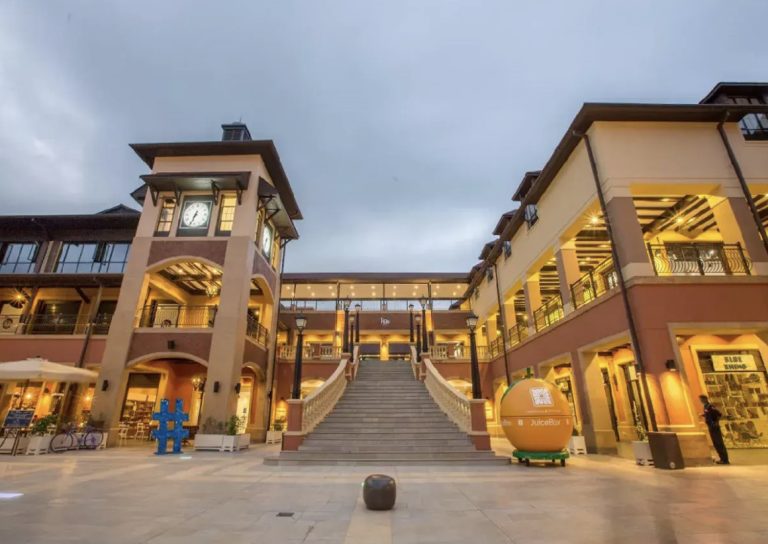
Over time, smaller estate malls began emerging within high-income neighbourhoods. In Westlands alone, developments such as GTC, Mwanzi Mall, Spring Valley Shopping Centre, Rhapta Square, Rapta Promenade, and Broadwalk along Ojijo Road illustrate how retail has moved closer to where people live.

These malls are not competing on size. They are competing on proximity, convenience, and experience.

One of the clearest outcomes has been the gradual migration of high-net-worth consumers away from crowded, high-volume malls. These shoppers value privacy, controlled environments, and time efficiency. High human traffic may be good for volume-driven retail, but it can discourage premium clientele.

Noise plays a critical role in this shift. Matatu traffic, hooting, congestion, and general street activity do not mix well with premium retail. Posh environments thrive on calm, predictability, and comfort. This partly explains why malls located close to each other attract noticeably different audiences despite their proximity.

Why practical skills matter more than degrees in today’s economy

Mall size and crowd density influence where people choose to shop or dine. Smaller estate malls typically offer quieter environments, easier parking, and shorter walking distances. These details matter to consumers who prioritise discretion and comfort, which is why boutique retailers and specialised restaurants increasingly prefer neighbourhood centres.

The contrast is similar to nightlife patterns in Nairobi. Clubs along Kangundo Road attract large crowds, play louder and varied music, and operate on volume. Clubs in Gigiri or Westlands are smaller, quieter, and more controlled, reflecting the purchasing power, tastes, and expectations of their clientele. Retail follows the same logic.

Older malls, on the other hand, are increasingly driven by volume economics. A useful comparison can be seen in Nairobi’s CBD restaurants, many of which operate on extremely high customer turnover. Diners are expected to vacate tables shortly after finishing meals. Despite lower prices compared to high-end cafés in affluent areas, these establishments generate strong cash flows purely through human traffic.

The same principle applies to legacy malls. High footfall sustains revenue even when individual spending is lower. However, foot traffic alone does not guarantee retail success. Large numbers of people often roam malls without making purchases, yet they are still counted as traffic. This inflates perceived performance and directly affects tenant expectations around conversion.

Visibility does not always translate into sales, particularly in malls located near transport hubs. Many legacy malls now experience higher tenant turnover as businesses adjust to changing consumer profiles and spending patterns.

Consumer purchasing power ultimately defines what works. The same supermarket chain stocks different products in Kayole compared to Gigiri because the customer determines demand. Kayole delivers volume, Gigiri delivers premium.This is basic consumer economics.

The Kenyan mirror: why corruption isn’t just a leadership problem

For the same reason, concepts such as jumping castle entertainment make sense in Eastlands malls but may not align with expectations in Westlands or Karen. Retail formats must match the economic reality of their immediate audience.

Village Market demonstrates the value of alignment. It does not compete for mass-market traffic from Ruaka. Instead, it serves Gigiri, Runda, Muthaiga, and the United Nations community. Similarly, Two Rivers Mall continues to grow through integrated residential developments, entertainment offerings, and proximity to diplomatic zones rather than reliance on transit-driven foot traffic.

This shift is not decline. It is evolution.

Some older malls are adjusting tenant mixes toward value retail, entertainment, and services. At the same time, high-net-worth consumers are increasingly shopping and dining closer to quieter, private environments. Nairobi’s CBD reflects the same transition. Once the centre of shopping and leisure, it evolved as consumer habits and residential patterns changed.

Retail mirrors society. Items once considered luxury, such as chicken or chapati, eventually became everyday staples. In the same way, retail formats change with time.

Small estate malls and legacy malls now serve different audiences. Proximity, purchasing power, noise levels, and lifestyle preferences matter more than size alone.

This article is a general market observation and does not constitute financial or investment advice.

About the Author

Mulumi Mwangi is a seasoned businessman with more than five decades of life experience, bringing a rare depth of perspective to both enterprise and writing. Trained as an electrical engineer, he has founded, built, and managed ventures across diverse sectors, including advertising, marketing, agribusiness, real estate, and fintech.

His writing is firmly grounded in lived experience. It draws from family life as a father, husband, brother, and uncle; from public life through his service as a political party official; and from the hard lessons of business, both failure and success. These experiences, combined with everyday social interactions, have shaped a reflective and pragmatic worldview.

Mulumi’s work is offered as a personal perspective rather than a prescription. His views are candid, experience-driven, and open to debate—acknowledging that insight is often refined through dialogue, reflection, and the humility to accept that one may be right or wrong.

Contact: [email protected]

Safaricom and NSE launch Ziidi trader to bring stock market to M-PESA users

0

Safaricom (NSE: SCOM), in partnership with the Nairobi Securities Exchange (NSE), has today launched Ziidi Trader, a new platform on the M-PESA app that enables Kenyans to buy and sell listed shares on the NSE directly from their mobile phones.

The launch represents a significant step in expanding access to capital markets, leveraging M-PESA’s scale to bring investing closer to millions of Kenyans through a secure and easy to use mobile experience.

Ziidi Trader operates under the oversight of the Capital Markets Authority, ensuring investor protection, transparency and market integrity, while supporting informed long-term investing through clear disclosures and investor education.

The launch builds on Safaricom’s commitment to champion financial access and wellness; and marks the latest milestone in the evolution of the Ziidi Investment Platform. Safaricom began this journey with Ziidi MMF, which encouraged disciplined saving and investment, followed by Ziidi Shariah, offering inclusive, Shariah‑compliant options. With Ziidi Trader, Safaricom is expanding the platform even further, giving customers access to the stock market through a simple, secure, and fully digital experience.

“Ziidi Trader is a powerful step in democratizing wealth for our customers. For eighteen years, M-PESA has transformed how Kenyans live, work and do business. Today, in partnership with the NSE, we are extending that impact to how our customers build and grow their wealth. Our ambition is to be a trusted partner in powering digital lifestyles, making investing simple, convenient and accessible to everyone, everywhere.” said Peter Ndegwa, CEO, Safaricom PLC.

By integrating NSE trading into the M-PESA ecosystem, Ziidi Trader simplifies the investment journey, allowing customers to buy and sell shares, monitor their portfolios and access market insights seamlessly within the M-PESA App.

SHA to use Mpesa, lands, KRA, hustler fund data to determine monthly premiums

“Partnering with Safaricom is helping us bring the stock market closer to everyday Kenyans,” said Frank Mwiti, CEO, Nairobi Securities Exchange. “By making NSE trading available through M-PESA, we are making it easier for more people, both locally and abroad to invest and play an active role in Kenya’s economic growth.” he added.

With Safaricom’s trusted technology and the NSE’s market expertise behind it, Ziidi Trader keeps your investments safe, your data protected and your transactions running smoothly every step of the way.

Additionally, Ziidi Trader lets customers invest in corporate bonds, providing an easy and secure way to expand their portfolios and explore new opportunities in Kenya’s financial markets.

M-PESA customers can access Ziidi Trader on the M-PESA App under the Financial services tab. Upon accepting the terms and conditions, they can start investing from as little as one share.

Ziidi Trader is aligned with Safaricom’s broader smartphone and digitization agenda, while complementing the NSE’s efforts to modernize market access and promote investment education. By simplifying access and complementing the existing ecosystem, Ziidi Trader contributes to a shared mission of growing financial literacy and investment confidence nationwide. This collaborative approach will allow the platform to evolve further, accommodating even more players from across the investment community as part of the two institutions’ commitment to driving inclusive financial participation.

Ziidi Trader is now live on the M-PESA app, offering millions of Kenyans a modern, reliable and fully digital way to participate in the country’s economic growth. As Safaricom continues to deepen its commitment to financial wellness, Ziidi Trader represents a major step toward empowering customers with the tools, knowledge and confidence to build long-term wealth.


KCB Banks on Safari Rally again with Shs227M injection for 2026 WRC showpiece

0

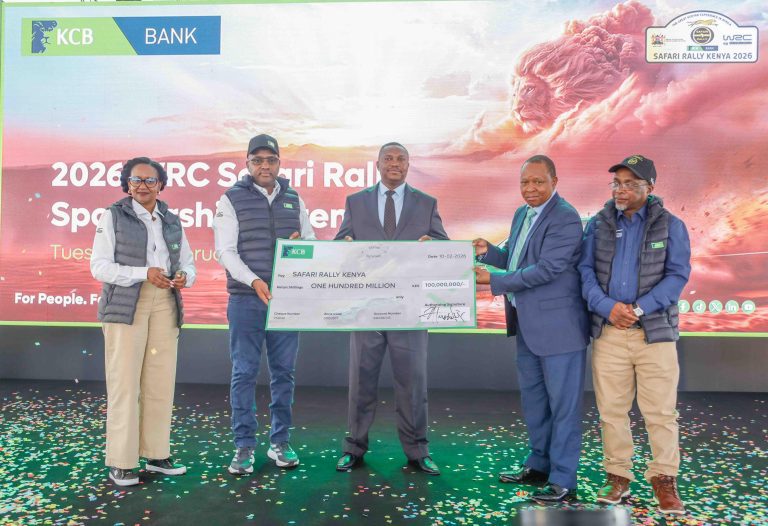
KCB Bank Kenya has set aside Shs227m for the 2026 World Rally Championship (WRC) Safari Rally Kenya, marking the sixth consecutive year of sponsorship since the iconic rally made its historic return to Kenya.

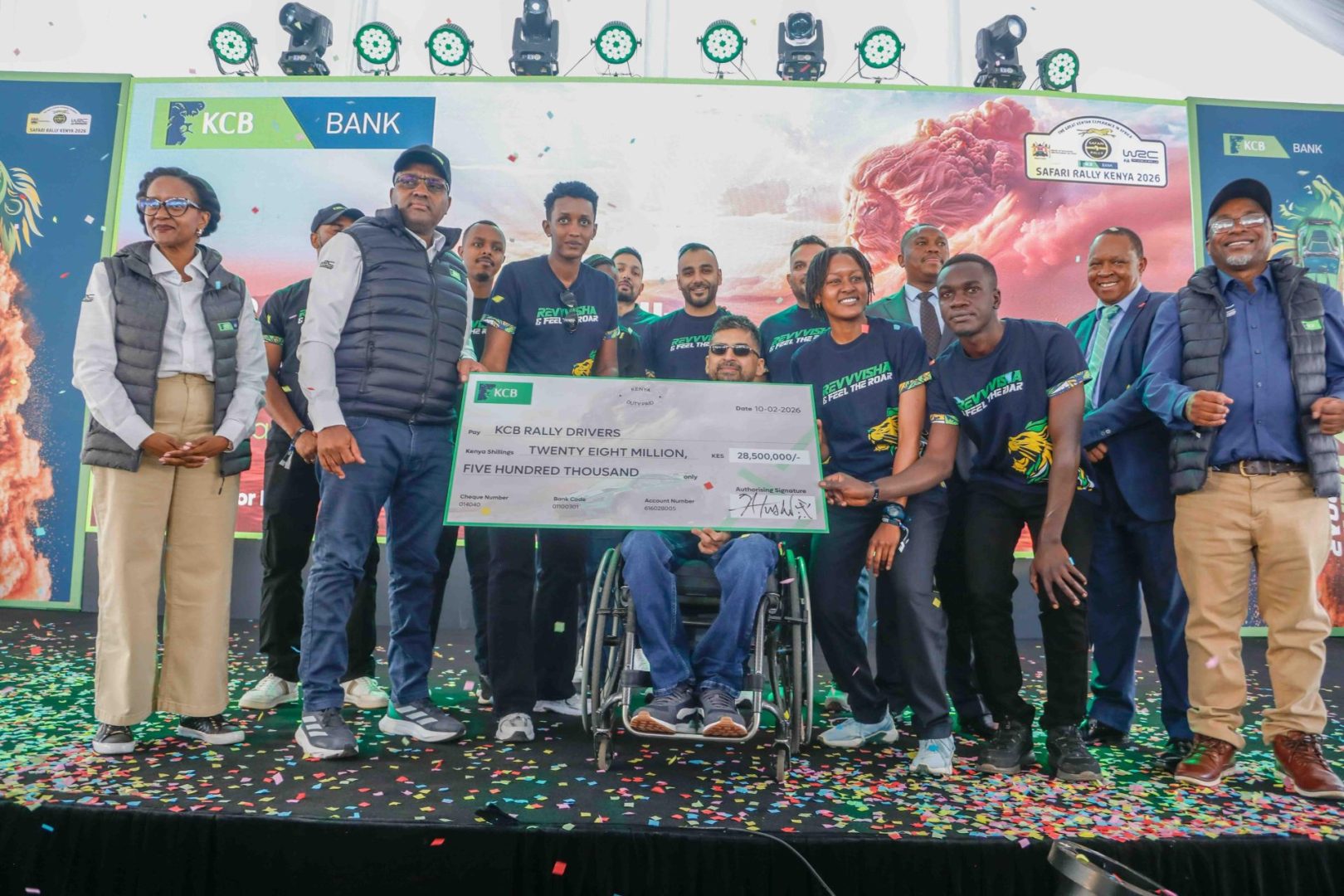
Of this sponsorship, Shs100m will go directly to the Safari Rally Kenya, while Shs28.5 will be spent on the 5 KCB-sponsored Karan Patel, Nikhil Sachania, Tinashe Gatimu, Queen Kalimpinya from Rwanda, and Uganda’s Oscar Ntambi. The rest of the funds will be spent on activations and marketing.

This brings to the total Shs980m, the amount of money the Bank has given towards the global showpiece since its return to the Kenyan soil in 2021 after a 19-year absence.

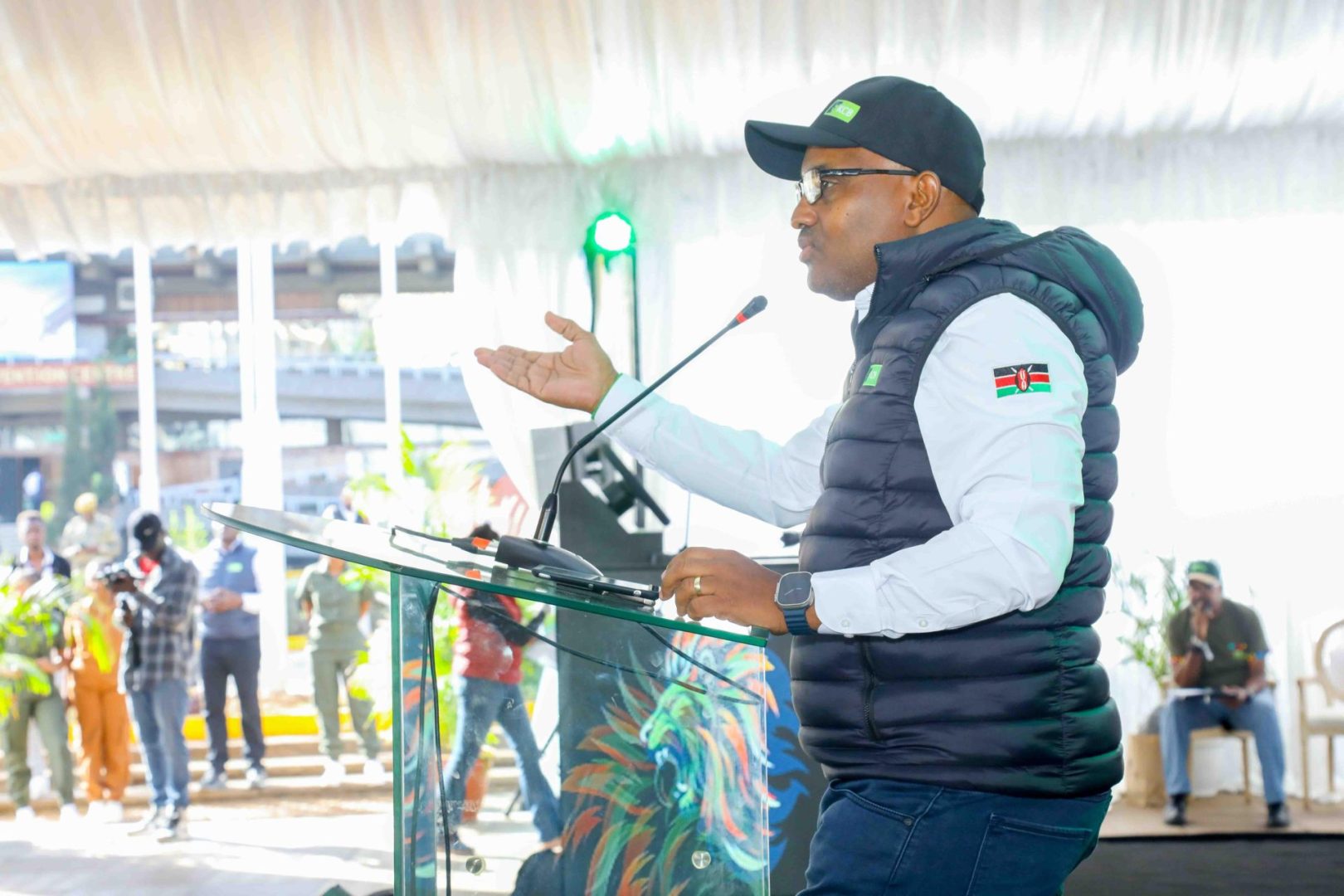
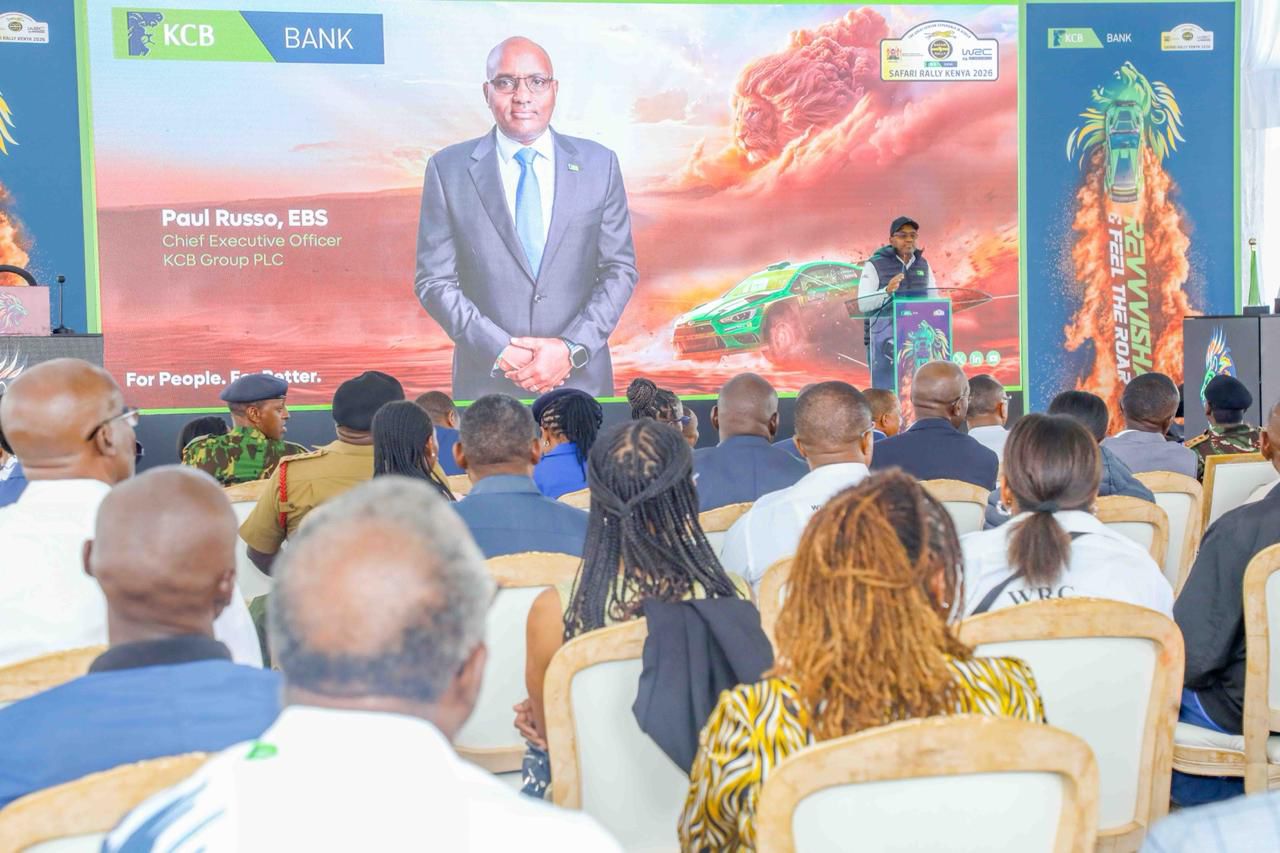
While presenting the sponsorship cheque to the Sports Principal Secretary, Elijah Mwangi Tuesday morning, KCB Group CEO Paul Russo said: “Our sponsorship demonstrates our commitment to driving sustainable impact, supporting local talent, and stimulating economic activity across tourism, trade, and enterprise among other sectors.”

“We are looking at continually building on our experience and scale in sports sponsorships across East Africa to further support talent for global, regional and in-country competitions across disciplines.”

KCB Commits KShs. 195 million to 2024 Safari Rally

KCB, a synonymous name in sports, has played a pivotal role in elevating the sports landscape in the country. In the past two decades, the Bank has spent over Shs5b on various sports disciplines, including motorsports, rugby, chess, volleyball, football, golf, and athletics. For motorsports specifically, the Bank has invested over Shs2b while also giving local drivers an opportunity to participate in local, regional, and international events.

The rally will cover a total competitive distance of 350.02 kilometers, supported by a liaison distance of 842.9 kilometers, in line with FIA requirements. The four-day event will be based in Naivasha, a move designed to meet the FIA 2026 sporting regulations on distances and crew working hours, moving away from the usual ceremonial flag off in Nairobi.

On Thursday, March 12, there will be a shakedown at the newly introduced Nawisa stage. This will be followed by a ceremonial flag off before the cars pass Camp Moran and Mzabibu stages. On Friday, March 13, cars will pass Camp Moran, Loldia, Geothermal, and Kedong. On Saturday, March 14, action will head to Soysambu, Elementaita, and Sleeping Warrior, before concluding with an autograph signing at Mzabibu.

Sunday, March 15, marks an electric day of action as cars rev off from Oserengoni, Hell’s Gate, before passing the Wolf Power Stage in the afternoon, culminating in the prize-giving ceremony.

“KCB’s sustained investment has helped grow local talent, attract global attention, and unlock opportunities for communities along the rally route. We commend the Bank for being a dependable partner in advancing sports development and youth empowerment in Kenya,” said PS Mwangi.

The Bank will embed sustainability at the heart of the rally, with an ambitious target of planting and growing 5,000 trees this year, in line with the government’s agenda to plant 15 billion trees by 2032. Additionally, KCB will engage over 60 high schools in a curated green debate series that seeks to inspire and engage the younger generation, at the same time promoting environmental consciousness.

“The Safari Rally continues to grow as a global sporting spectacle, attracting fans and competitors from around the world. We are proud to showcase Kenya on the international motorsport stage and to inspire the next generation of local talent,” said Safari Rally Kenya CEO, Charles Gacheru.

This year, the rally is expected to attract 50 local and international teams, with top manufacturers such as Toyota, Hyundai, Škoda, and M-Sport Ford confirmed to compete.

The entry list features some of the sport’s biggest names, including Sebastien Ogier, Thierry Neuville, defending Safari Rally champion Elfyn Evans, and Grégoire Munster, among others.

Marking the third round of the season, the event remains the ultimate test of survival in the WRC, where the wildlife is as unpredictable as the weather, with a refined schedule that packs 20 special stages into four days.