

Home Blog Page 117

Evolution of Dental Practice Management Software: A Practical Guide

0

Software for dentist helps clinics achieve these goals by automating routine tasks, improving workflows, and enhancing patient care. Platforms like Dendoo demonstrate how modern software for dentist can truly transform daily clinic operations.

From Paper to Digital: Lessons from the Past

In the early days, clinics relied on paper charts, appointment books, and manual billing. While familiar, this approach had clear limitations:

  • Staff spent excessive time on administrative tasks
  • Patient records were prone to errors or misplacement
  • Tracking follow-ups or recurring treatments was inefficient

Practical takeaway: Transitioning to software for dentist immediately reduces errors and frees staff to focus on patient care.

Early Digital Tools

The first wave of digitalization included simple software for individual tasks:

  • Appointment scheduling
  • Basic electronic billing
  • Patient record storage

These tools helped reduce administrative workload but were often fragmented. Multiple platforms were needed to manage all key processes effectively.

Insight: For maximum efficiency, clinics should choose integrated solutions that combine all essential functions.

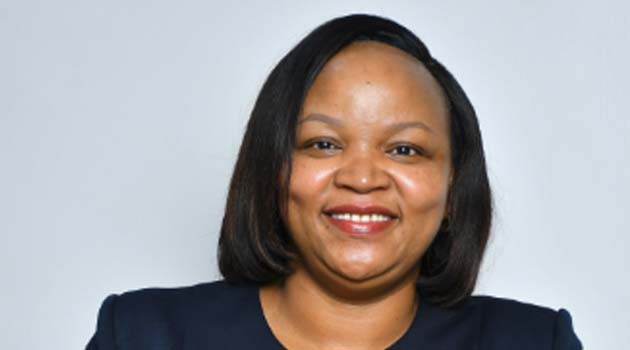
Branice Munyasa: Third year UoN student who started top dental clinic while at school

Integrated Dental Practice Management Systems

Modern platforms combine multiple functions into a single system. Clinics now benefit from:

  • Automated appointment scheduling and reminders – reduces no-shows
  • Online patient intake – forms are completed digitally before visits
  • E-prescriptions – prescriptions are sent directly to pharmacies
  • Analytics dashboards – track revenue, patient flow, and treatment trends

Using software for dentist ensures these features work together seamlessly, saving time and improving patient experience.

Cloud-Based Platforms: Flexibility and Accessibility

Cloud-based solutions allow clinics to access patient records, schedules, and billing from anywhere, on any device. Mobile apps let dentists and staff manage appointments, update patient data, and communicate on the go.

Benefits of cloud-based solutions:

  • Real-time updates across devices
  • Secure storage and automatic backups
  • Synchronized operations for multi-location clinics
  • Easy integration of new features without downtime

Tip: Ensure your cloud provider meets healthcare data security standards, such as GDPR or HIPAA.

Patient-Centric Innovations

Today, software for dentist focuses on enhancing patient experience, not just internal efficiency. Key features include:

  • Self-scheduling portals to reduce phone traffic
  • Automated reminders via email or SMS
  • Online payments and digital invoices
  • Educational materials delivered before or after visits

These tools allow patients to manage their care independently while freeing staff for direct patient interaction.

Using Data to Make Informed Decisions

Modern systems collect large volumes of data. Clinics can analyze:

  • Appointment trends and peak hours
  • Revenue by procedure and provider
  • Patient retention rates
  • Treatment popularity and effectiveness

How to use it: Generate monthly reports to identify bottlenecks, optimize staff schedules, and plan marketing campaigns for preventive services.

Avoiding Common Implementation Mistakes

Even the best software fails if implemented poorly. Common pitfalls include:

  1. Lack of staff training – employees need time to master the system
  2. Ignoring patient education – patients should know how to use online portals
  3. Choosing software without scalability – ensure it can grow with your practice

Tip: Start with core functions like appointment scheduling and online intake, and gradually add analytics and reputation management.

Future Trends: AI, Tele-Dentistry, and Predictive Analytics

The next stage of dental software evolution includes:

  • AI-powered appointment optimization
  • Predictive analytics for treatment planning
  • Tele-dentistry modules for remote consultations
  • Automated follow-ups and treatment reminders

Tip: Use flexible, cloud-based software to integrate new capabilities without disrupting clinic operations.

Conclusion

The evolution of software for dentist shows how clinics have progressed from paper-based workflows to integrated, patient-focused digital platforms.

Clinics adopting modern solutions benefit from:

  • Reduced administrative workload
  • Improved scheduling and fewer missed appointments
  • Increased patient engagement and satisfaction
  • Data-driven decision-making

Actionable advice: Identify your clinic’s pain points, choose an integrated solution, train staff, and involve patients in the transition. This approach ensures an efficient, patient-centered practice for years to come.


Safaricom crowns five more millionaires in Shangwe @25 campaign

0

Safaricom has announced five more winners of KES 1 million in the Shangwe @25 national consumer promotion, bringing the total number of winners to 20 since the campaign launched last year.

The latest winners Moses Elekana, Simon Magika, Faith Nyongesa, Brenda Chelagat and Nasibo Abdi received KES 1 million, alongside an additional KES 250,000 to fund a community project of their choice.

Speaking during the award ceremony at Kangundo Road Market in Nairobi, Safaricom CEO Peter Ndegwa said the Shangwe @25 campaign continues to demonstrate the power of shared prosperity.

“It is truly inspiring to see how this campaign has continued to transform the lives of thousands of Kenyans across the country. Beyond individual winners, we are seeing a ripple effect that is uplifting families, strengthening communities, and supporting small businesses that form the backbone of our economy. So far, the campaign has created 20 Kenyan millionaires, with five more winners set to be crowned as we head into the final stretch. This reflects our commitment to celebrating our customers by creating opportunities that have a real and lasting impact.”

Shangwe @25: Safaricom crowns four new millionaires

Moses Elekana, one of the winners from Nairobi, was over the moon after receiving a cheque of KES 1 million. The 55-year-old father of three, who works as a plumber, described the moment as life-changing and thanked Safaricom for transforming the lives of millions of Kenyans through such campaigns.

Mr. Elekana, who usually uses M-PESA for payments, could hardly believe that the small amounts he uses could make him an overnight millionaire.

“I am still in shock that today I am a millionaire, courtesy of Safaricom. Indeed, you never know what God has planned for you or what destiny holds. I work as a plumber and have really been struggling with life. Today, my life has changed. I plan to use some of the money to pay college fees for my son, who has been unable to pursue technical training to become a mechanic due to financial constraints, and the rest to complete my shop and build a better home for my family,” said Moses Elekana

For the KES 250,000 community project fund, Mr. Elekana has chosen to support the Salvation Army Madegwa Special School for Intellectual Disability in Vihiga County. He plans to contribute towards completing ongoing classroom construction, helping create a more conducive learning environment and supporting education for learners with special needs in the community.

Meanwhile, 29-year-old Faith Nyongesa, a second-year nursing student from Lunga Lunga in Kwale, described winning a million shillings through Safaricom as “truly unbelievable.” At first, she thought it was a scam, but after confirming at a Safaricom shop in Diani, she realized it was real.

Safaricom Shangwe @25 promotion creates 15 millionaires and supports communities

“I was heading home from my rotational station, where I am currently assigned, when I received a call from Safaricom. At first, I didn’t believe it and had to visit the Safaricom shop in Diani to confirm. I plan to use the money to further my education. I want to earn a Bachelor’s, Master’s, and Doctorate in Nursing,” said Faith.

For the KES 250,000 meant for community project of her choice, she has chosen to support teen moms and the less fortunate women in Lunga Lunga by paying for their health covers so that they can access antenatal healthcare and prevent maternal and child-birth deaths.

Elsewhere in the Kerio Valley, 31-year-old Brenda Chelagat, a primary school teacher at Kapkono Primary School, is still in disbelief, and celebration, after receiving a life-changing call from Safaricom.

Brenda says she nearly fainted when the news was confirmed that she had won KES 1 million, a moment she describes as nothing short of miraculous. Becoming a millionaire was something she had never imagined would happen anytime soon. But God has made it possible through  Safaricom.

“I almost fainted when I received the call from Safaricom telling me I had won a million shillings. I had always seen people winning on TV and online, but I never imagined that one day I would be among them, even though it had always been my prayer. I use M-PESA a lot, buying airtime, data bundles, and paying for goods and services. I have gone through a lot while taking care of my siblings. With this money, I plan to further my studies and pursue a bachelor’s degree in education, as I currently hold a diploma. I also want to invest in farming, particularly sheep rearing and growing cypress trees, to secure my future.” Said Brenda.

Faith Muchira: The phone call that changed my life

With the additional KES 250,000 community project fund, Brenda plans to support Tugumoi Primary School, where she studied as a child. She intends to use the funds to construct proper sanitation facilities (toilets), which has been the institution’s biggest and long-standing challenge.

In Borabu, Nyamira County, 25-year-old Simon Magik, father of three and a resident of Borabu in Nyamira, was still in shock. He makes bricks alongside his parents; a job he has been doing since High School to support his young family. He did not believe the call at first, but upon visiting Safaricom shop in Nyamira, his heart settled.

“I was on my daily duty making bricks when the call came. I couldn’t believe it immediately, you know how these fraudsters operate. I didn’t tell anyone, even after receiving a confirmation message following the call. Two days later, Safaricom called me again, and when I visited their shop, I finally confirmed it was true. I plan to build my mother a decent home and open a salon for my wife so she can have a reliable source of income. I also want to start a clothing business. With the community project fund, I will donate water tanks to Nyagacho DOK Primary School, ensuring students can focus on their studies without worrying about access to drinking water,” Simon said.

Just like other winners, 19-year-old Nasibo Abdi, a young entrepreneur from Isiolo, is also still in shock after Safaricom confirmed that she is one of the latest millionaires.

Beyond the individual KES 1 million winners, an enterprise customer, Robster Premium Fit Ltd, received stock valued at KES 250,000 to accelerate growth and strengthen operations. Additionally, Douglas Onserio from Rongai won a Tuk-Tuk pickup, providing vital support for his business logistics.

Since its launch, Shangwe @25 has rewarded thousands of customers daily and weekly with cash prizes, data bundles, devices, and business support tools. Each week, customers win KES 10,000, KES 50,000, or KES 100,000, contributing to more than 50,000 winners weekly. Over the promotion period, more than five million customers are expected to win prizes worth KES 250 million.

Do you know them? Career profile of CEOs of biggest Kenyan banks

0

The banking sector is one of the crucial sectors in Kenya’s economic development. Banking institutions have been fundamental in improving the well-being of millions of Kenyans.

According to the Central Bank of Kenya (CBK) has over 38 commercial banks, with Nine banks controlling 75 percent of the industry’s assets.

The nine are Equity, KCB, Co-operative Bank, NCBA, Absa (Kenya), Standard Chartered Bank (Kenya), I&M , Diamond Trust Bank (DTB) and Stanbic Bank Kenya.

This article features CEOs of the 10 most popular Banks in Kenya.

Dr. James Mwangi-Equity Bank

Do you know them? Career profile of CEOs of biggest Kenyan banks

Dr. James Mwangi is the CEO of Equity Bank, one of the biggest banks in Kenya, with a customer base of  20.7 million and a distribution network of 403 branches.

Mwangi, who became Equity CEO in 2004 is credited with democratizing financial access, leading Equity to become an integrated financial services Group operating in 6 African countries. He holds a Bachelor of Commerce degree and is a Certified Public Accountant.

Paul Russo-KCB

Do you know them? Career profile of CEOs of biggest Kenyan banks

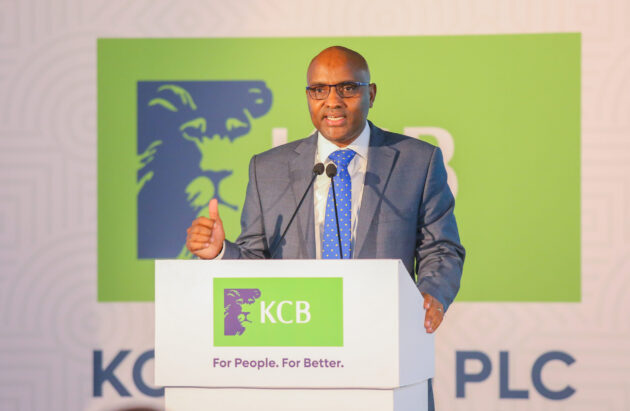
Paul Russo is the CEO of KCB Bank, a position he has held since May 2022. A look at his career profile shows that Russo has been working at KCB Bank since 2014 as KCB Group’s Head of Human Resources.

Furthermore, since NBK became a subsidiary of the KCB Group in 2019, he was the managing director at NBK among eight other subsidiaries.

He has previously worked in the Human Resource department of Kenya Breweries as the Acting Compensation and Benefits Manager, before joining  Barclays Bank of Kenya (present-day Absa Bank Kenya), Barclays bank Tanzania and Barclays Africa all as a regional HR head.

He has also worked at K-Rep Bank (present-day Sidian Bank) as Chief HR officer and PricewaterhouseCoopers (PwC Kenya) as head of Human Capital.

Gideon Muriuki-Co-op Bank

Do you know them? Career profile of CEOs of biggest Kenyan banks

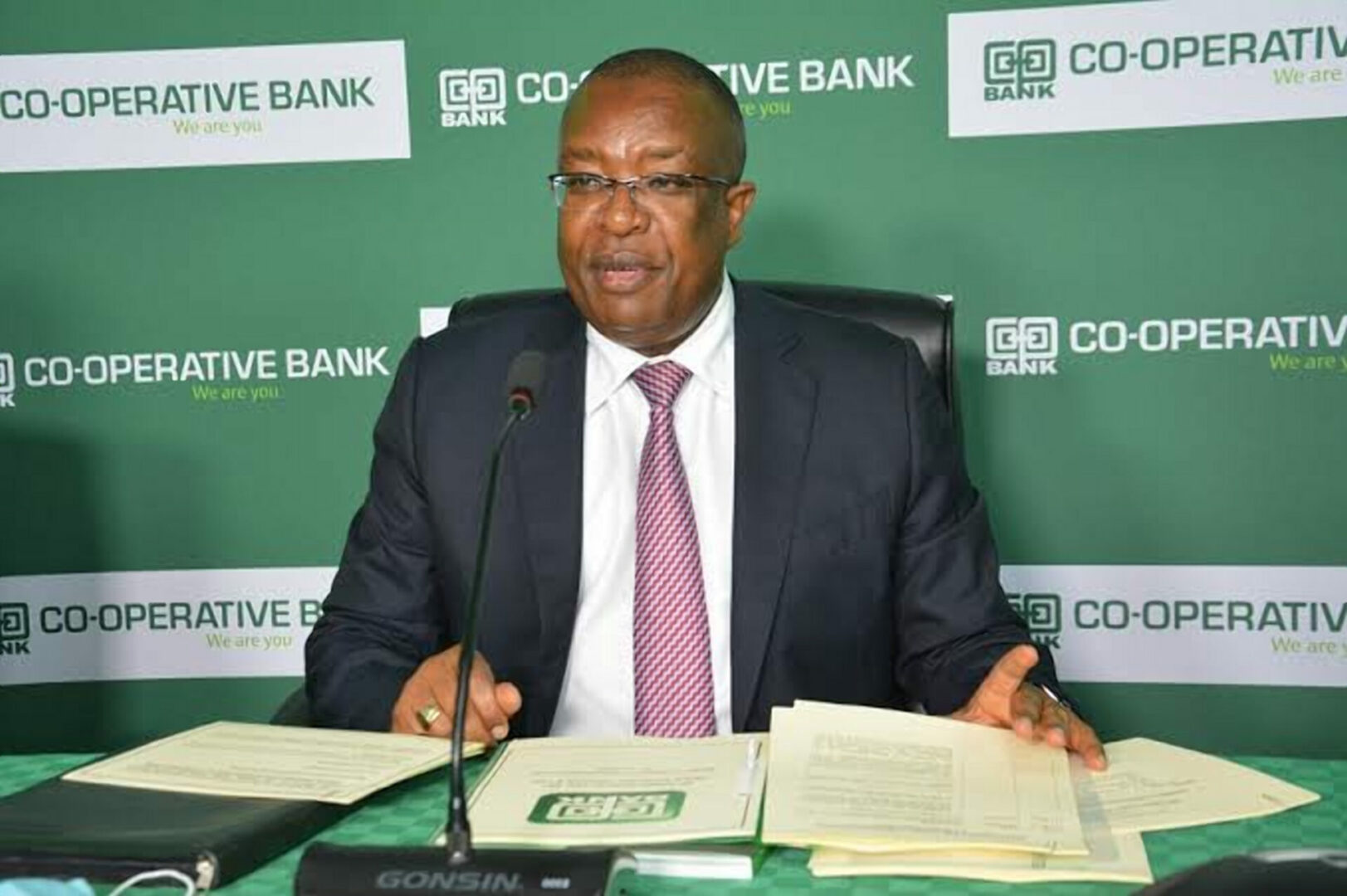
Muriuki was appointed as the Co-op Bank Managing Director in 2001 and has presided over the Bank’s turnaround from a massive loss position of Sh2.3 billion in the year 2000, to a profit before tax of Sh22.6 Billion In 2021.

A  look at his career profile shows that he joined the Bank in 1996 as a Senior Corporate Manager then became Director, Corporate and Institutional Banking in 1999 before his appointment as Managing Director in 2001.

He holds a Bachelor of Science degree in Mathematics.

John Gachora –NCBA

NCBA Loans

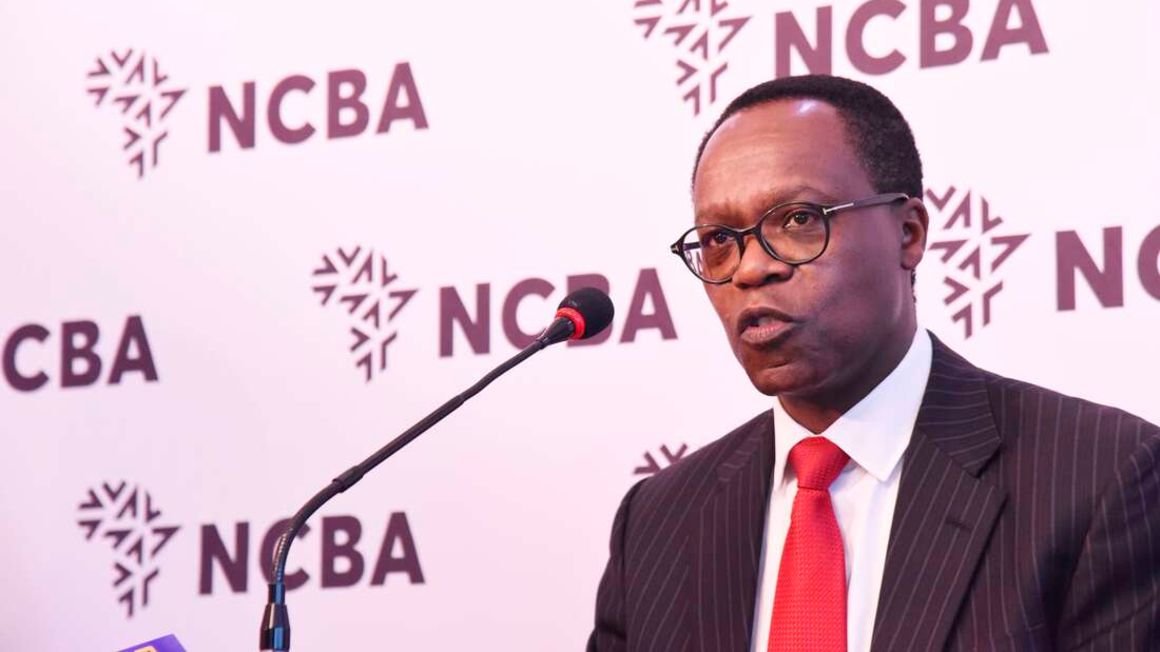
John Gachora was appointed as the Group Managing Director and Group CEO of NCBA Group in 2019 following the merger between NIC Group PLC and Commercial Bank of Africa (CBA), which gave birth to the present-day NCBA Bank.

He has several years of experience in executive management positions at various global companies in Corporate and Investment Banking, Structuring and Financial Engineering, Commercial Banking, and Financial Services.

Gachora is a Director of several other companies and previously served as a Managing Director at Bank of America Securities and as Managing Director, Corporate and Investment Banking at Barclays Africa prior to joining the NCBA Group.

He holds Bachelor of Science and Masters in Engineering degrees in Electrical Engineering and Computer Science from the Massachusetts Institute of Technology, USA and an MBA degree from the Wharton School, University of Pennsylvania, USA.

Abdi Mohammed-Absa Kenya

Do you know them? Career profile of CEOs of biggest Kenyan banks

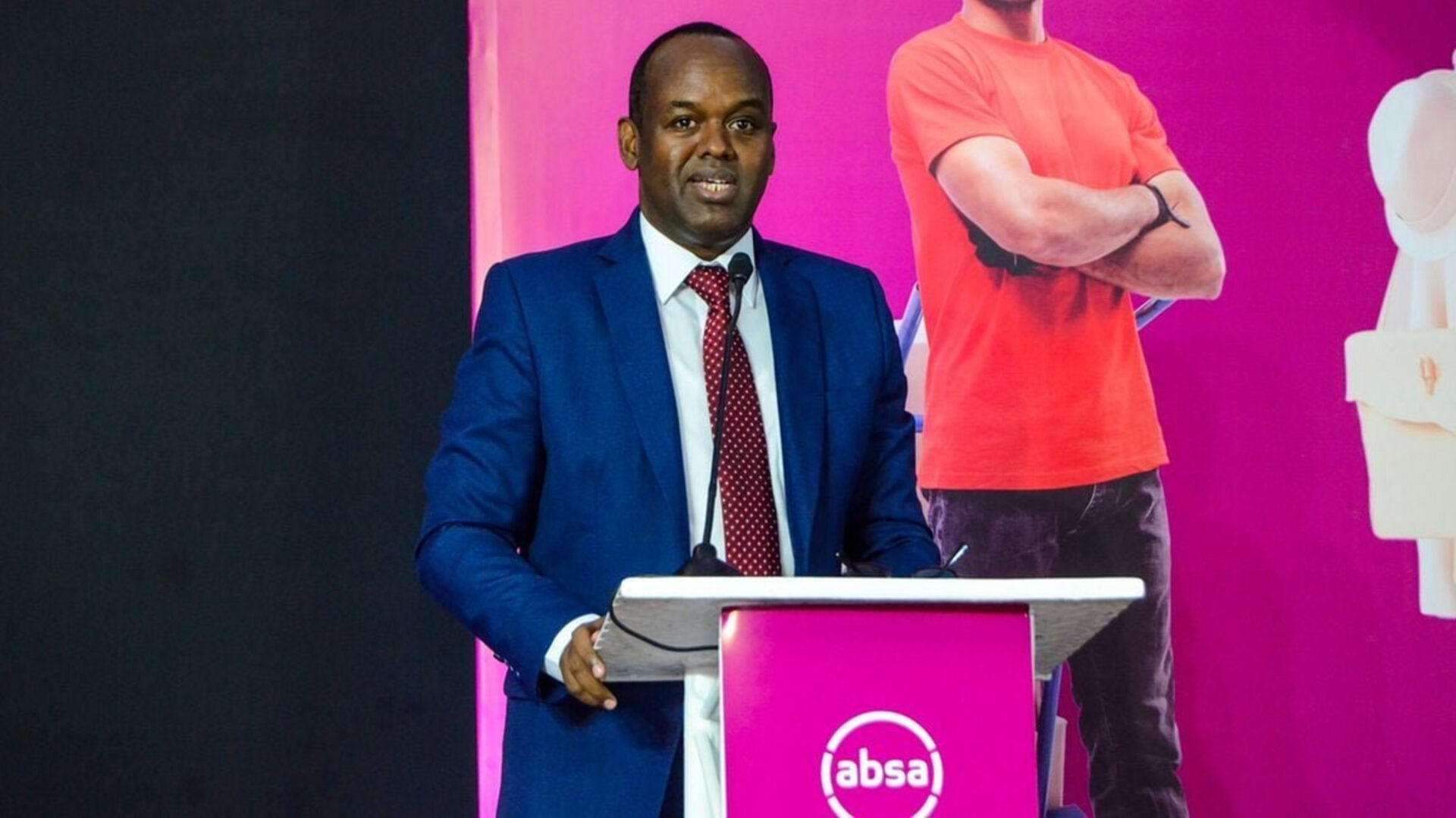
Abdi Mohammed has been at the helm of Absa Bank Kenya since May 2023 following the exit of Jeremy Awori who exited the lender in October 2022 after nearly a 0-year stint.

Prior to his appointment, Abdi was the Managing Director, Absa Bank Tanzania, and acting Managing Executive for Retail and Business Banking Africa Regional Operations, Absa, a role that spans across multiple geographies within Africa.

He has previously served as Chief Operating Officer for the Bank in Kenya. Other roles that he held within the organisation also include Retail & Business Banking Director in Kenya and Zambia, and as Operations Efficiency Manager, Barclays Global Retail & Commercial Banking (GRCB), London.

He holds a Bachelor of Commerce (Hons) – Kenyatta University, Masters Business Administration (MBA) – Edith Cowan University and Advanced Management Programme (IMD Business School – Switzerland).

Dalu Ajene-Standard Chartered Bank of Kenya

Do you know them? Career profile of CEOs of biggest Kenyan banks
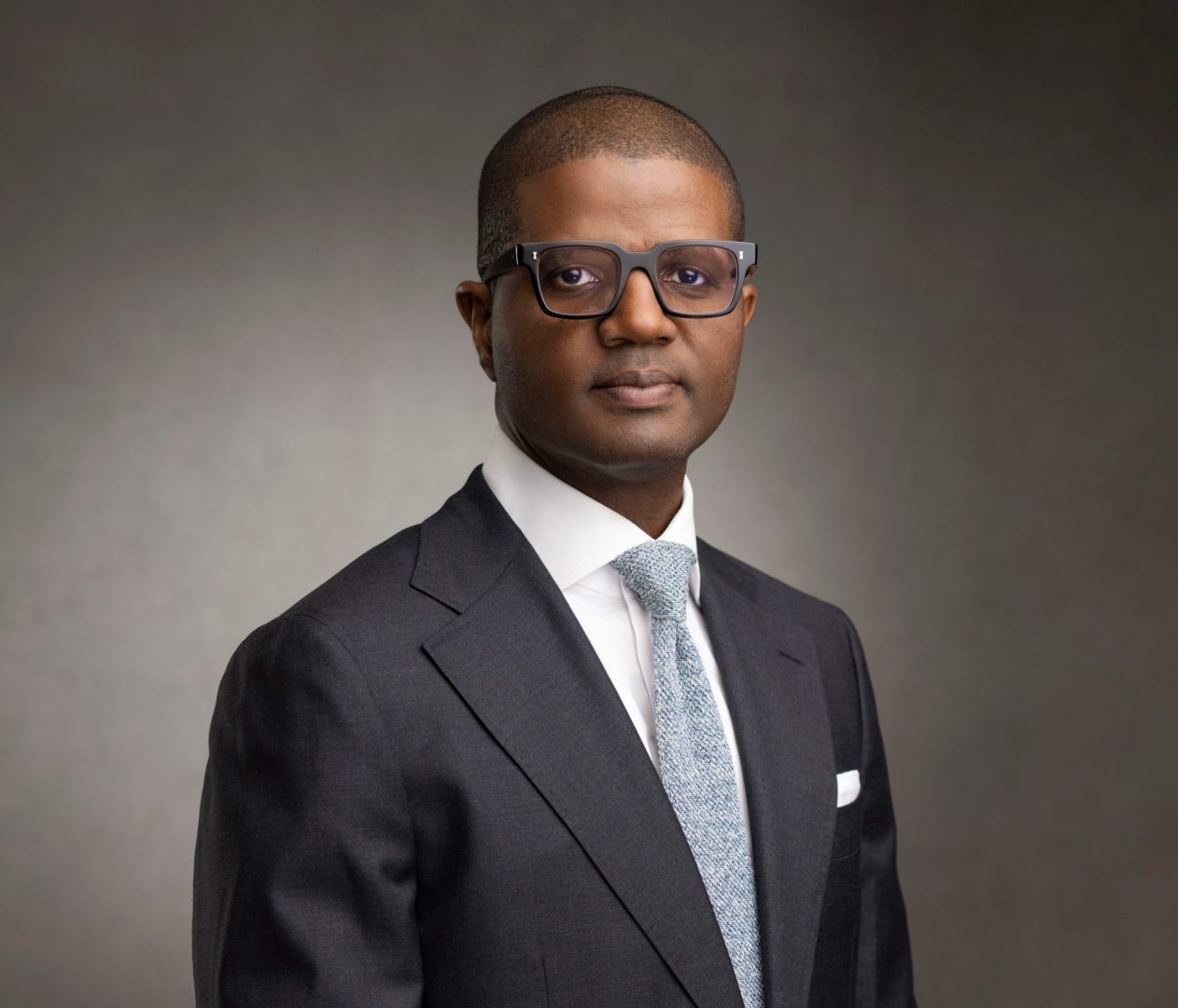
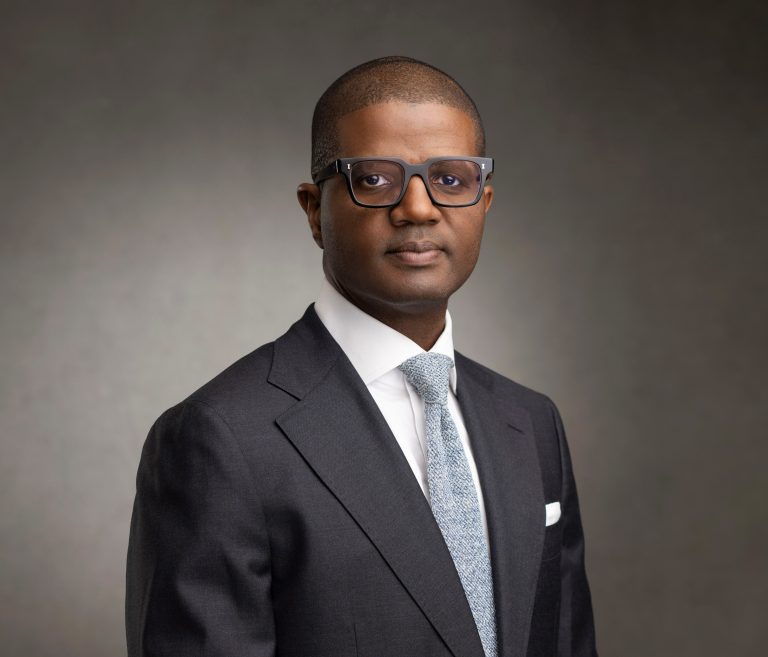
Dalu Ajene, Chief Executive Officer of Standard Chartered Bank’s operations in Africa

Dalu Ajene is the current Chief Executive Officer & Managing Director of Standard Chartered Bank Kenya & Africa following the departure of Kariuki Ngari.

Prior to the appointment, Ajene who boasts over 25 years of experience in global financial services, served as CEO of Standard Chartered Nigeria a position he took up in April 2024. He also previously served as Chief Executive Officer of Rand Merchant Bank Nigeria, where he built a reputation for disciplined execution, balance sheet strength, and client-focused growth.

He holds a Bachelor’s degree in Economics from Dartmouth College and an MBA from Harvard Business School.

James Mwangi’s Salary: Breakdown of pay Equity CEO earns monthly, annually

Gul Khan -I&M Bank Kenya

Do you know them? Career profile of CEOs of biggest Kenyan banks

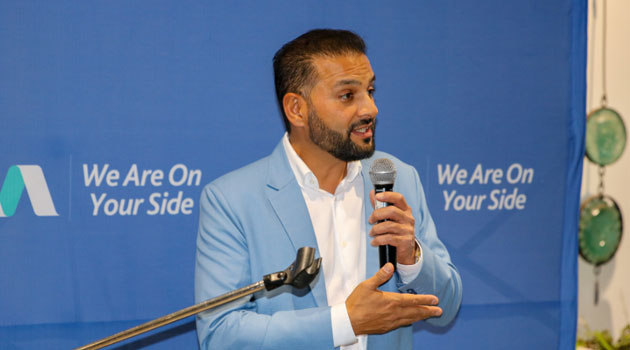
Mr. Gul joined I&M Bank Kenya as the Chief Executive Officer and Board member in January 2023. He has over 20 years of international financial services experience, mostly with HSBC, having worked in Europe, North America, Asia, Middle East & Africa – 9 countries in total.

Nasim Devji -Diamond Trust Bank (DTB) Kenya

Do you know them? Career profile of CEOs of biggest Kenyan banks

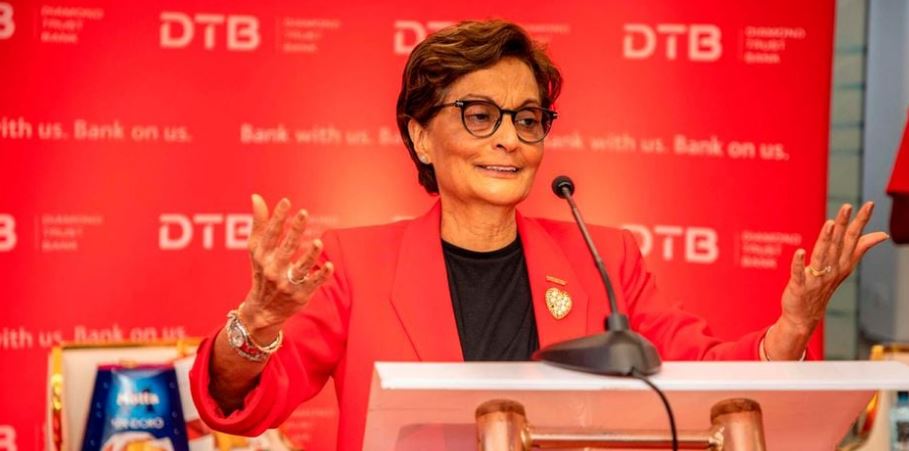
Nasim was appointed Group CEO and Managing Director of Diamond Trust Bank in 2001 after joining the lender in 1996.

She is a director of DTB Tanzania, DTB Uganda, DTB Burundi Jubilee Insurance Burundi, Diamond Trust  and Insurance Agency Limited.

Stanbic Bank Kenya

Do you know them? Career profile of CEOs of biggest Kenyan banks

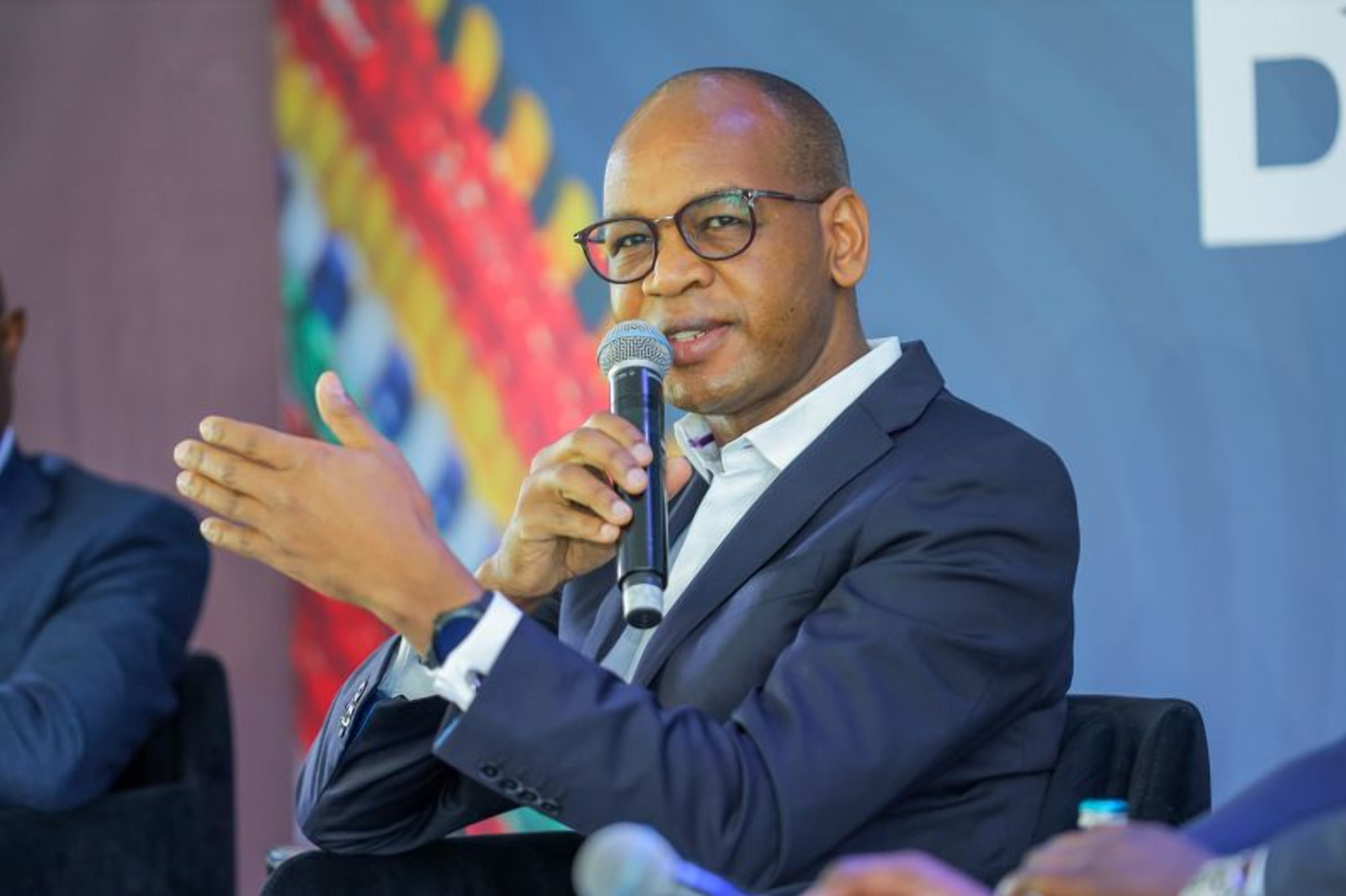
Mr. Joshua Oigara was appointed as the Chief Executive and Executive Director of Stanbic Bank Kenya Limited on 1st December 2022 and 1st January 2023 respectively.

He previously served as Group Chief Executive Officer and Managing Director, KCB Group for close to ten years.

He holds an MBA with a distinction in International Business Management from Edith Cowan University, Australia, a Bachelor of Commerce degree from the University of Nairobi and is an Advanced Management Programme Graduate from INSEAD, Fontainebleau, France.

He is a Certified Public Accountant of Kenya, CPA (K) and a member of the Kenya Institute of Bankers (KIB) and the Institute of Certified Public Accountants of Kenya (ICPAK).

Nancy Njau-Family Bank

Do you know them? Career profile of CEOs of biggest Kenyan banks

She was appointed as Family Bank Managing Director and CEO in November 2023 replacing Rebecca Mbithi who exited after a five-year term at the helm.

Prior to her appointment, Nancy had served the bank for 21 years in various capacities including being the Head of Retail Banking, Chief Officer Public Sector, and the Ag. Chief Commercial Officer.

She holds a master’s Degree in Business Administration specializing in Strategic Management from Jomo Kenyatta University of Agriculture and Technology, a Bachelor of Commerce Degree (Accounting) from Kenyatta University, and a Higher Diploma in Human Resource Management.

In addition, she is a Certified Public Accountant of Kenya (CPA-K) and a Certified Executive Leadership Coach

IEBC announces temporary jobs with Sh2,000 daily wages; how to apply

1

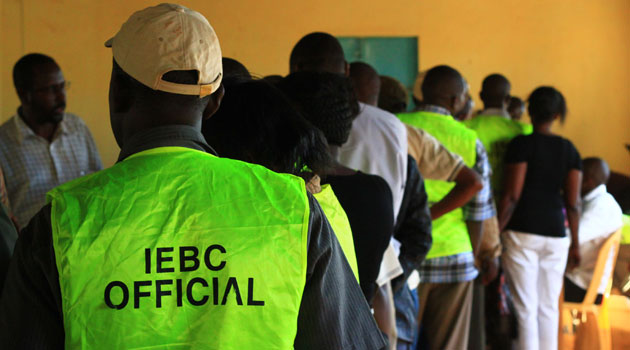
The Independent Electoral and Boundaries Commission (IEBC) has announced temporary job vacancies across the country ahead of the February 26, 2026, by-elections.

In a statement on Wednesday, January 22, the commission said it is seeking to recruit Support Electoral Trainers (SETs), Presiding and Deputy Presiding Officers, and Polling/Counting Clerks to assist in the upcoming by-elections in  Isiolo South Constituency, West Kabras, Evurore and Muminji.

Interested applicants are urged to submit application online via: https://jobs.iebc.or.ke.

The commission further listed qualifications and responsibilities for each position.

  1. Support Electoral Trainers

Their main role is assisting in the training of Presiding Officers, Deputy Presiding Officers and Clerks. The training involves polling, counting and tallying process. They will also assist in preparing training venue and the necessary materials for training.

Requirements

  • Kenyan citizen of high integrity, and be non-partisan;
  • Hold a Degree/Diploma certificate from a recognized institution;
  • Computer literate;
  • Have proven and demonstrated training skills;
  • Ability to manage people;
  • Must be available for the entire period of the exercise
  • Resident in the constituency/Ward in which they apply for;

Support Electoral Trainers will be paid Sh2,000 per day

  1. Presiding and Deputy Presiding Officers

The Presiding Officer(PO) will be in charge at the polling station, while the Deputy Presiding Officer(DPO) will deputize the PO in performing the duties.

They will supervise polling activities at the polling station, demarcate and lay out the polling station, ensure the safety and use of the KIEMS, distribute materials to the clerks at the polling station, and officially declare the start of polling, among other duties.

Requirements:

  • Kenyan citizen of high integrity, and be non-partisan;
  • Hold a Degree/Diploma certificate from a recognized institution;
  • Computer literate;
  • Have effective communication;
  • Good report writing skills;
  • Ability to manage people, sensitive data and materials;
  • Have skills in data computation;
  • Must be available for the entire period of the exercise; and
  • Resident in the constituency/Ward in which they apply for;

Presiding Officers will be paid Sh2000 per day, while Deputy Presiding Officers will be paid Sh1,800 per day.

  1. Polling/Counting Clerks

They will be tasked with helping set up the polling station and counting room, verifying voters before they cast their ballots, and supporting the presiding officer in sorting votes during the counting process.

Requirements;

  • Kenyan citizen of high integrity, and be non-partisan
  • KCSE Aggregate C- and above
  • Must be of good character
  • Must be available for the entire period of the exercise
  • Resident of the Constituency/County Assembly Ward in which they apply for

Polling /Counting Clerk will be paid Sh1,000 per day

Also Read: Standard Chartered appoints Dalu Ajene as CEO Africa

Standard Chartered appoints Dalu Ajene as CEO Africa

0

Standard Chartered has appointed Dalu Ajene as the Chief Executive Officer for Africa, a strategic leadership move that underscores the Bank’s long-term commitment to deepening its footprint across the continent. In his expanded role, Ajene will also serve as Head of Coverage for Africa, overseeing client relationships and growth across key markets.

Ajene assumes the role following a successful tenure as CEO of Standard Chartered Nigeria, a position he took up in April 2024. During his leadership, the Nigerian subsidiary delivered strong year-on-year financial performance and successfully met the Central Bank of Nigeria’s ₦200 billion recapitalisation requirement for national commercial banks well ahead of the March 2026 deadline. This milestone positioned the Bank as one of the most resilient and well-capitalised institutions in Nigeria’s highly regulated banking environment.

Prior to joining Standard Chartered, Ajene served as Chief Executive Officer of Rand Merchant Bank Nigeria, where he built a reputation for disciplined execution, balance sheet strength, and client-focused growth. His appointment as CEO Africa reflects Standard Chartered’s culture of internal talent development and its emphasis on leadership continuity in strategically critical regions.

With over 25 years of experience in global financial services, Ajene brings deep expertise across corporate banking, investment banking, trade finance, and structured solutions. His leadership track record aligns with Standard Chartered’s Africa strategy, which focuses on facilitating trade flows, mobilising development capital, and supporting economic growth through technology-enabled, client-centric financial solutions.

Standard Chartered Kenya posts resilient Q3 results despite one-off pension cost hit

Commenting on his appointment, Ajene said: “Having had the privilege of leading Standard Chartered Nigeria over the past two years, I am deeply honoured to now take on broader responsibilities across Africa. This transition reflects the strength of our franchise, the resilience of our teams, and the impact we have delivered in a period of significant change and development. Across the region, Standard Chartered remains a key partner in trade finance, structured solutions, and development finance, leveraging technology to deliver client-centric services anchored on trust.”

He added that his focus will be on accelerating growth across Corporate & Investment Banking as well as Wealth & Retail Banking, mobilising catalytic capital, and delivering sustainable value for clients, stakeholders, and communities across Africa.

Ajene holds a Bachelor’s degree in Economics from Dartmouth College and an MBA from Harvard Business School. He is widely regarded as a people-first leader with a strong passion for building high-performance cultures that deliver best-in-class service and robust financial outcomes.

He succeeds Kariuki Ngari, who served as CEO Africa, and assumes responsibilities previously held under Sarmad Lone’s Africa Coverage portfolio, marking a new chapter in Standard Chartered’s Africa leadership.

KSLH flags off new buses to upgrade operations at Tsavo Safari Lodges

Kenya Safari Lodges and Hotels (KSLH) today flagged off two new Isuzu buses to enhance service delivery and operational efficiency at Voi Safari Lodge in Tsavo East National Park and Ngulia Safari Lodge in Tsavo West National Park, a subsidiary of Kenya Development Corporation (KDC).

The flag-off ceremony was held at Isuzu East Africa’s Mombasa Road assembly plant and officiated by the Administrative Secretary, Ministry of Tourism and Wildlife, Mr. Herman Shambi, who represented the Cabinet Secretary for Tourism and Wildlife, Hon. Rebecca Miano. The event was also attended by members of the KSLH Board and senior officials from Isuzu East Africa.

Speaking at the event, Mr. Herman Shambi emphasized the importance of continued investment in tourism infrastructure to sustain Kenya’s global competitiveness. He noted that tourism contributes about 10 per cent of Kenya’s GDP and supports over two million jobs across the country.

“Strengthening operational efficiency at key destinations such as Tsavo directly enhances visitor experience and Kenya’s global competitiveness. I encourage all Kenyans to travel extensively across the country, as even simple expeditions make a major impact on local tourism,” said Mr. Shambi.

Africa summit 2025: KDC charts the next frontier for Kenya’s industrial transformation

KSLH Board Chairperson and KDC Director General, Ms. Norah Ratemo, said the investment forms part of KSLH’s broader modernization and turnaround agenda aimed at building a high-performing and sustainable hospitality enterprise.

“Voi and Ngulia Safari Lodges are strategically positioned within Kenya’s safari circuit. Enhancing operational capacity improves guest experience while supporting regional economic activity, conservation awareness, and destination competitiveness,” she said.

The investment further strengthens KSLH’s role in supporting regional tourism growth, local livelihoods, and conservation-driven development, said Ag. GM, Mr. Ronald Simiyu.

“These buses will significantly improve day-to-day operations at Voi Safari Lodge and Ngulia Safari Lodge by enhancing staff mobility and guest transfers within the Tsavo ecosystem,” he added.

KSLH flags off new buses to upgrade operations at Tsavo Safari Lodges
(L-R) Wanjohi Kangangi, Isuzu EA Sales and Marketing Director, Isao Wada, Isuzu EA Deputy Managing Director, Ms Norah Ratemo, Director General, Kenya Development Cooperation and Ronald Simiyu, Ag. The CEO of Kenya Safari Lodges and Hotels hold a dummy key during the flag off of two new Isuzu buses, which will enhance service delivery and operational efficiency at Voi Safari Lodge in Tsavo East National Park and Ngulia Safari Lodge in Tsavo West National Park.

“By supplying locally assembled buses, we are supporting Kenyan jobs, skills development, and the wider manufacturing value chain, while enabling KSLH to deliver reliable and efficient transport for staff and guests,” said Wanjohi Kangangi, Director sales and
Marketing, Isuzu East Africa.

The two locally assembled Isuzu NQR 33-seater buses will support the safe and efficient movement of staff and guests across the expansive Tsavo ecosystem, improving operational efficiency while advancing the Buy Kenya, Build Kenya agenda.

The flagging off of the buses marks a key milestone in KSLH’s transformation journey, signalling renewed momentum, operational excellence, and confidence in Kenya’s tourism growth trajectory.

Nedbank moves to acquire controlling stake in NCBA Group in landmark East Africa expansion

0

NCBA Group PLC has announced that it has received a strategic investment proposal from South Africa’s Nedbank Group Limited, setting the stage for one of the most significant cross-border banking transactions in East Africa in recent years.

Under the proposal, Nedbank has issued a Notice of Intention to acquire approximately 66 per cent of NCBA’s ordinary shares through a Tender Offer to existing shareholders. Upon successful completion of the transaction, Nedbank would gain a controlling interest, with NCBA becoming a subsidiary of the South African banking group. The remaining 34 per cent of NCBA shares will continue to trade on the Nairobi Securities Exchange.

The planned acquisition values NCBA at 1.4 times its book value. Shareholders who participate in the Tender Offer will receive 20 per cent of the consideration in cash, with the remaining 80 per cent settled through the issuance of Nedbank ordinary shares listed on the Johannesburg Stock Exchange.

NCBA operates across six African markets—Kenya, Uganda, Tanzania, Rwanda, Ivory Coast and Ghana—serving more than 60 million customers through a network of 122 branches. The Group holds assets valued at approximately KES 665 billion, disburses over KES 1 trillion annually in digital loans, and has delivered an average return on equity of about 19 per cent since 2021.

Nedbank, headquartered in South Africa, is one of the continent’s largest financial institutions, with a primary listing on the JSE and a secondary listing on the Namibia Securities Exchange. The Group has an established presence across Southern Africa and international operations in London, Dubai, the Isle of Man and Jersey.

The proposed transaction aligns with Nedbank’s stated strategy to expand beyond Southern Africa into high-growth markets, with East Africa identified as a priority region. Kenya’s position as a regional financial hub—supported by robust institutions, advanced capital markets and a strong technology ecosystem—has made it a natural anchor for this expansion.

Following the acquisition, NCBA is expected to become Nedbank’s primary investment vehicle in East Africa. The Group will remain listed on the NSE, with its brand, governance framework, management team and operational decisions anchored locally. As Nedbank currently only maintains a representative office in East Africa, no major system or operational integrations are anticipated.

NCBA Group posts KSh16.4 billion profit in Q3 2025 on strong digital lending and subsidiary growth

The partnership is expected to unlock significant synergies. Nedbank will bolster NCBA’s corporate and investment banking capabilities through its global reach and sector expertise, while NCBA’s digital banking leadership, asset finance strength and regional footprint will provide Nedbank with immediate scale in East Africa. Employees are also expected to benefit from expanded training and career development opportunities across multiple geographies.

Commenting on the development, NCBA Group Managing Director John Gachora described Nedbank as a natural strategic partner. He noted that Nedbank’s strong balance sheet, market leadership in key lending segments and high ESG rankings would support NCBA’s growth ambitions, including potential expansion into markets such as Ethiopia and the Democratic Republic of Congo.

Nedbank Chief Executive Jason Quinn said the Group had deliberately identified East Africa as a key growth frontier. He highlighted Kenya’s role as a financial gateway to the region, underpinned by stable macroeconomic conditions, a young and urbanising population, and a vibrant business environment.

The combined NCBA markets represent a population of approximately 190 million people with a combined GDP nearing USD 300 billion. Additional long-term opportunities exist in Ethiopia and the DRC, which together add over 240 million people and significant economic potential.

The transaction remains subject to regulatory approvals from central banks and relevant authorities in the jurisdictions involved. Subject to these approvals, the deal is expected to close within six to nine months.

Businessman Peter Muthoka makes Sh5.2bn after selling JKIA cargo business

0

Businessman Peter Muthoka has sold his cargo business Transglobal Cargo Centre Limited for Sh5.2 billion. Muthoka has sold his business which is based at the Jomo Kenyatta International Airport (JKIA) to German firm Celebi Cargo GMBH.

This sale has already received approval from the Competition Authority of Kenya (CAK).

“The transaction [sale of Transglobal to Celebi Cargo] is unlikely to negatively impact competition in the market for cargo handling in Kenya, nor elicit negative public interest concerns,” the CAK stated in a notice that was issued on Wednesday, January 21, 2026.

Muthoka has been operating the business under the brand name Africa Flight Services (AFS), which is currently ranked as the largest cargo handler for exports.

According to data from the Kenya Airports Authority, AFS (Africa Cargo Handling) handles 33 percent of exports ahead of Kenya Airways Cargo which handles 22 percent of exports. However, when it comes to imports, AFS handles 20 percent with Kenya Airways handling 32 percent.

READ MORE: We paid fake Canadian Embassy official Brian Obare Sh80m for visas

The deal will now see Celebi Cargo GMBH make its entry into the Kenya market.  According to a statement by the company, Celebi has acquired Muthoka’s business at $40.1 million (approximately Sh5.172 billion at an exchange rate of 129 to the US dollar).

“Çelebi Aviation has closed on the acquisition of 100 percent of Transglobal Cargo Centre Ltd. (AFS) for $40.1 million, marking the company’s entry into Kenya’s rapidly expanding aviation services sector. The acquisition is in line with Çelebi’s international growth strategy and is expected to increase synergies among group companies,’ the company stated.

According to Celebi Aviation chief executive officer Dave Dorner, the acquisition is strategically based on the expected growth of the local aviation market.

“Kenya is a key gateway for trade and cargo flows across East and Central Africa. We are going to combine AFS’s strong local expertise with Çelebi’s global experience, modern systems and operational standards to support Kenya’s ambitions as a regional trade and logistics hub,” he said.

Celebi noted that the aviation market in Kenya is forecast to grow at an average rate of 5 percent per year over the next five years, significantly outpacing the International Air Transport Association’s projected global average of 3.3 percent.

Dissecting the falsehoods surrounding Kenya Airways (Part 2)

0

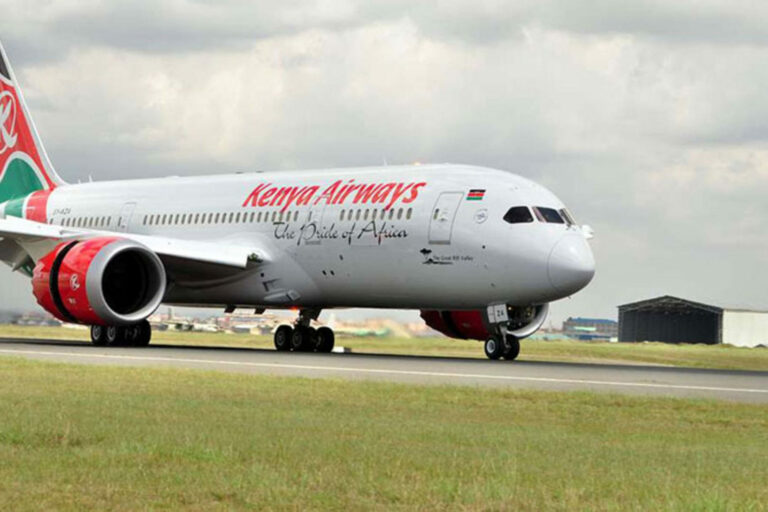
The intricacies of aircraft finance can confound even seasoned industry observers. Matters grow murkier still when arcana such as operating and finance leases enter the discussion. For the uninitiated, the jargon alone is an obstacle course. As so often where understanding is thin, ignorance is padded out with conjecture, guesswork and, in less excusable cases, outright falsehoods deployed less to illuminate than to disguise the absence of knowledge.

Kenya Airways (KQ) has lately been the subject of a familiar Kenyan pastime: the confident propagation of nonsense. Attacks on the airline have relied less on evidence than on a cocktail of ignorance, supposition and outright invention. Its aircraft operating and finance leases, scrutinized repeatedly by reputable audit firms and hauled before assorted parliamentary committees, have been examined, re-examined and pronounced proper.

Yet rumours persist. The most recent, aired in a national newspaper, alleges without substantiation that these leases are inflated to enrich senior management. It is an accusation that survives not because of plausibility, but because calumny travels faster than fact.

An appreciation of lease structures is indispensable. A finance lease closely resembles a mortgage: regular payments are made to a lender over a fixed term during which the lessee enjoys uninterrupted use of the asset. Once the final instalment is paid, ownership duly passes to the lessee.

Dissecting the falsehoods surrounding Kenya Airways (Part 1)

An operating lease, by contrast, is little more than a tenancy. The lessee remits rent to the owner for a specific period and enjoys exclusive use for the duration. When the contract expires, the asset, like a rented house, returns to its proprietor, leaving the occupant with nothing but memories and a cleared balance.

Airlines, like most capital-intensive businesses, rely on a judicious blend of operating and finance leases. This hybrid approach allows carriers to preserve financial flexibility, distribute risk, extract advantages where available and adapt to the unforgiving cyclicality of air travel. By mixing the two, airlines can expand fleets, keep aircraft tolerably modern and husband cash without the self-inflicted constraint of committing to a single orthodoxy. It also bears repeating, because confusion persists, that aircraft manufacturers are not benevolent lenders of last resort. They design and build airplanes for the global marketplace; financing their purchase is emphatically someone else’s problem.

This article dismantles a set of durable but unfounded rumours suggesting that Kenya Airways’ lease arrangements are elaborate connivances designed to enrich politically connected businessmen and complicit managers. They are nothing of the sort. In particular, the oft-recycled claim that the airline’s finance leases are controlled by shadowy offshore-registered interests collapses under even cursory factual scrutiny. Comprehensive details of KQ leases are disclosed in Note 25 of Kenya Airways’ 2021 annual report and other annual reports.

Of particular concern is a recent article in one of the dailies alleging that Kenya Airways’ “big bosses steal when leasing aircraft” and that there exists a scheme to burden the national carrier with Boeing 737 Max aircraft at inflated rates. It further asserts, with breezy confidence, that more attractive bargains for new jets are readily available.

Why Kenya Airways’ recovery needs facts, not aviation folklore

These claims collapse under even cursory acquaintance with the aviation industry. It is an elemental fact, known to financiers, manufacturers and airlines alike, that the post-pandemic recovery has left the global supply chain for aircraft and spare parts in acute disarray. Boeing and Airbus, the industry’s comfortable duopolists, together carry an order backlog approaching 17,000 aircraft. An airline placing and fully paying for a new aircraft would not expect delivery for seven to eleven years. To suggest that fleets of discounted, immediately available jets are loitering on the tarmac is not investigative journalism; it is wishful thinking masquerading as exposé.

Post-pandemic distortions have also extended well into the secondary aircraft market, where availability is rationed on a first-come-first-served basis. In such conditions, price becomes a simple function of scarcity. Demand sets the tone and any aircraft that appears on the leasing market commands a premium. Pricing is further shaped by the lessee’s risk profile. Smaller airlines, deemed less reliable, pay more for their access to aircraft than sprawling carriers with hundreds of jets and balance sheets to match.

By global aviation standards, KQ is a small airline. It cannot extract the economies of scale available to industry behemoths, nor can it compete with state-backed carriers from oil-rich countries that can write cheques upfront and ask questions later.

Aircraft leasing, in short, is not a uniform market governed by egalitarian pricing. This is a basic fact, one that those entrusted with informing a national audience might be expected to grasp before advancing insinuations that are not merely uninformed but potentially damaging to the country’s national flag carrier.

We paid fake Canadian Embassy official Brian Obare Sh80m for visas

A prosecution witness left many stunned when she narrated in court how millions of money was paid to a fake Canadian Embassy official. Lydia Nyagala who is a former employee at Golden Key Travel Consultants Limited narrated that the fake official, Brian Obare, received up to Sh82 million.

Apparently, the money was paid to Obare between March 2022 and November 2023 to facilitate the processing and issuance of Canadian visas.

Ms Nyagala told the court that she first met Obare at Embassy House in Nairobi. Obare had been introduced to their firm as a counsellor who was attached to the Canadian Embassy.

After the meetup, Golden Key and Obare entered into an arrangement. Through this arrangement, Golden Key would collect money from visa applicants and then remit it to Obare for processing.

Ms Nyagala told the court that they agreed that each client would pay a deposit of Sh124,500 and a total of Sh450,000 per visa application.

After this meet up, interactions that followed thereafter were largely through WhatsApp.

Golden Key then went on to collect payments from unsuspecting visa applicants, passports, and supporting documents that included ID cards, academic certificates, birth certificates, digital photos, medical certificates, vaccination records, and police clearance reports (Good Conduct). These documents were then handed over to Obare for processing.

Having collected passports, Ms Nyagala told the court that Obare produced documents for biometrics, and demanded that clients make the full payments before he could release the passports.

She went on to tell the court that after payments were made, none of the applicants ever successfully made it to Canada. Many never went past the Jomo Kenyatta International Airport (JKIA), others were denied boarding, and still, others were deported at Bole International Airport while trying to transit through Ethiopia.

“Some clients were arrested and advised to contact the Canadian Embassy directly,” Ms Nyagala told the court.

She added that when they contacted Obare, he told them to ask the clients to pay an additional Sh50,000 per passport. He claimed that he knew someone at the airport who could facilitate their travel to Canada.

Ms Nyagala said that they tried to contact the embassy but were unable to reach them. However, one of their clients successfully sent an inquiry to the embassy with her visa and was told that the visa was fake.

She noted that altogether, they paid Obare approximately Sh82 million but were only able to physically account for Sh51.2 million which is supported by receipts and transaction records that have been produced before court.

Obare has however denied all these allegations.

A statement on the arrest of Obare by the Directorate of Criminal Investigations shows that he was arrested in Ongata Rongai town by detectives drawn from the DCI Nairobi Regional Headquarters.

READ MORE: I want to go to Canada on visit visa with my kids then seek asylum – Kenyan mom