
Home Blog Page 116

Kenya’s leaders must lead the end of FGM — Not explain it away

0

When those in positions of authority speak carelessly, the impact ripples far beyond the moment. When an elected leader describes a prohibited act as “discipline” or reduces it to “culture,” it isn’t an innocent remark.

It subtly redraws the boundaries of what a community considers acceptable. Such statements embolden harmful norms and make the work of teachers, chiefs, health professionals, and law‑enforcement officers far more difficult as they try to safeguard young girls.

Recent remarks by a Kenyan public figure suggesting that FGM “tames” girls should trouble every one of us. This moment is not about trending outrage; it is about the dangerous green light such statements give to those seeking justification for abuse.

If Kenya is truly committed to ending FGM, then its leaders must name it accurately: a violation of human rights, an act of violence, and a criminal offense. Leadership must be visible, principled, and actively engaged in stopping it.

Leadership as a Legal and Moral Obligation

A rights-based lens begins with a non-negotiable truth: girls are not vessels of culture. They are individuals with inherent rights. FGM strips away multiple protections, dignity, bodily autonomy, and freedom from harm among them.

Kenya’s law is crystal clear. The Prohibition of Female Genital Mutilation Act places responsibility not only on the cutter but on anyone who facilitates, encourages, or fails to report the act.

When leaders speak about FGM as though it is a matter of opinion, they cross into a realm where legality and accountability converge. In 2021, the High Court reaffirmed that neither personal liberty nor cultural argument can be used to defend FGM.

Kenya’s commitments under the Maputo Protocol and the African Children’s Charter reinforce this stance. For elected officials, these are not academic principles, they are the very standards they are sworn to uphold.

The numbers offer both encouragement and caution. The 2022 KDHS shows a decline in FGM prevalence from 21% in 2014 to 15% in 2022. This improvement reflects years of coordinated effort: strong laws, political will, and the dedication of county and grassroot level structures. Yet the threat remains uneven and persistent.

The practice is also evolving. Medicalization is on the rise, and traditional practitioners continue to play a major role. This shift signals adaptation, not disappearance. With more than 230 million women and girls affected globally, Kenya’s gains matter, but they remain fragile. Complacency would be a profound mistake.

Elected leaders hold a level of influence that no NGO or activist can match, because they shape the social norms that either shut down the space for violence or quietly expand it, they control the county budgets that determine whether protection systems are strengthened or left to fail, and they direct the enforcement environment in which chiefs, police, and administrators operate.

When political leaders speak with ambiguity, they create room for impunity to grow; when they speak with clarity, they drive the momentum needed to protect communities and uphold the law.

A Practical Path Forward

Ending FGM demands more than declarations. It requires a firm, unambiguous stance. Leaders who make harmful statements must correct them publicly and reaffirm the law. Prevention must be treated as a core governance responsibility, not an optional advocacy issue.

Evidence from the Spotlight Initiative shows that integrated, society-wide approaches outperform isolated interventions.

National and county leaders must therefore strengthen coordination across justice systems, health services, and women’s rights movements. County Anti-FGM steering committees must be empowered to act, not merely convene.

Partnership with respected cultural authorities is equally essential. When traditional leaders champion protective by-laws, communities shift. Leaders must also invest in safe spaces, survivor support, and legal aid ensuring that protection is not symbolic but real, funded, and measurable.

Also Read: Breast cancer is no longer a disease of older women

The Standard Kenya Must Demand

A nation cannot claim to uphold human rights while tolerating language that normalizes violence. Elected leaders are custodians of the law.

Before speaking, every public official should reflect on one question: Will my words shield a vulnerable girl, or will they expose her to greater danger?

Kenya must make it politically untenable to excuse FGM—and politically honorable to end it.

The dawn of a new era. How the 2025 Africa Cup of Nations became one of the most exciting in history

0

The tournament in Morocco will be remembered for a long time: it gave us incredible matches and proved that African football has become tactically mature and in line with global trends. The best sports betting site 1xBet, the official partner of CAF and the 2025 Africa Cup of Nations, sums up the exciting tournament.

Goals are back

This tournament has been the highest-scoring since 2012 – in three weeks, the teams have scored a total of 121 goals, averaging 2.33 goals per game.

The final stages could have raised the bar even higher, but starting with the semi-finals, the teams became more cautious: only 2 goals were scored in 4 matches. The price of a mistake was too high, and the pressure of responsibility took its toll. But the statistics don’t negate the main thing – the tournament gave us many bright and truly beautiful goals. Suffice it to recall Ayoub El Kaabi’s spectacular scissor kicks in the matches against Zambia and the Comoros.

The list of top scorers at CAN 2025 includes present-day stars and even legends of African football. Mohamed Salah and Victor Osimhen scored 4 goals each, while Riyad Mahrez, Ademola Lookman and Amad Diallo scored three times.

The tournament’s biggest stars confirmed their status

Three other players who received individual awards at the tournament are also worth mentioning. First, the best goalkeeper, Yassine Bounou: 2 goals conceded in 7 games is an excellent result. Secondly, Brahim Díaz, the top scorer with 5 goals. True, he failed to score a penalty at a crucial moment in the final, but he had played brilliantly throughout the tournament.

Egypt vs Nigeria: a battle for bronze worthy of the final!

The legendary Sadio Mané was named the best player of the Africa Cup of Nations. 2 goals and 2 assists only highlight his influence on Senegal’s play, but don’t fully reveal the former Liverpool player’s contribution. What’s more important is that it was Mané who gave his all for the victory and led the Lions of Teranga to triumph for the second time in the last three tournaments.

In the semi-final, his goal secured victory over Egypt, and at the decisive moment in the final, Sadio became the voice of reason, convincing his teammates to keep fighting after the referee’s two controversial decisions, which provoked a stormy reaction from the coaching staff and fans of the Senegal national team.

No surprises as an indicator of the tournament’s growing status

Journalists called the list of the Africa Cup of Nations quarter-finalists perhaps the strongest in the history of the tournament. Each of the teams, except Mali, has participated in the World Cup finals at least three times. This is an indicator of the tournament’s status, with all the favorites arriving in excellent form.

The downside of this is a lack of sensations. Indeed, there were some local surprises: Burkina Faso’s comeback with goals against Equatorial Guinea in the 95th and 98th minutes, as well as the performance of the Tanzania national team, which managed to reach the knockout stage with only 2 points. But there were no major surprises, such as Zambia’s victory in 2012 or even Burkina Faso’s semi-final appearance in 2022.

However, spectators could see that the best of the best fought to the end, and starting from the quarter-final matches, there was no clear domination of one team over another. The tournament showed that African football has come a long way in its development and is now creating a unique and globally competitive product.

You can follow future Africa Cup of Nations tournaments and the performances of African national teams at the World Cup with the official partner of the tournament, the best sports betting site 1xBet! Place bets on the achievements of African representatives at the Mundial and support the continent’s best teams!

Peter Muthoka: Why I sold my JKIA business to Germans at Sh5.2 billion

0

Businessman Peter Muthoka made a cool Sh5.2 billion from the sale of his business to a German firm. In this multi-billion deal, Mr. Muthoka sold his cargo business TransGlobal Centre Limited to Çelebi GMBH. TransGlobal is based at the Jomo Kenyatta International Airport.

Muthoka’s JKIA business has been operating at the  under the brand name Africa Flight Services (AFS). AFS is no small fish in the cargo business.

According to data from the Kenya Airports Authority, AFS (Africa Cargo Handling) handles 33 percent of exports ahead of Kenya Airways Cargo which handles 22 percent of exports. However, when it comes to imports, AFS handles 20 percent with Kenya Airways handling 32 percent.

So why would Mr. Muthoka cash in his money-minting JKIA business? The businessman told a local newspaper that he was convinced that it was time for him to venture into other areas of investment.

“I have done my best in this business. We have the best service and best equipment, [but now] I want to invest in other things,” he said.

Mr. Muthoka further noted that part of the money he got from the sale of this business has been used to repay a debt that the business had taken to upgrade its facilities.

He also noted that while he has sold off 100 percent of TransGlobal, he will still maintain some presence in the logistics business through Acceler Global Logistics, which is one of the businesses that he owns. Acceler deals in freight services.

This deal has already been confirmed and approved by the Competition Authority of Kenya (CAK), and acknowledged by Çelebi.

The deal will now see Çelebi GMBH make its entry into the Kenya market.  According to a statement by the company, Çelebi has acquired Muthoka’s business at $40.1 million (approximately Sh5.172 billion at an exchange rate of 129 to the US dollar).

“Çelebi Aviation has closed on the acquisition of 100 percent of Transglobal Cargo Centre Ltd. (AFS) for $40.1 million, marking the company’s entry into Kenya’s rapidly expanding aviation services sector. The acquisition is in line with Çelebi’s international growth strategy and is expected to increase synergies among group companies,’ the company stated.

According to Celebi Aviation chief executive officer Dave Dorner, the acquisition is strategically based on the expected growth of the local aviation market.

“Kenya is a key gateway for trade and cargo flows across East and Central Africa. We are going to combine AFS’s strong local expertise with Çelebi’s global experience, modern systems and operational standards to support Kenya’s ambitions as a regional trade and logistics hub,” he said.

Çelebi noted that the aviation market in Kenya is forecast to grow at an average rate of 5 percent per year over the next five years, significantly outpacing the International Air Transport Association’s projected global average of 3.3 percent.

READ MORE: Peter Munga wins Sh150 million court case against ex-friend Muturi

Kenya Airways wins three sustainability awards at The Aviation Challenge 2025

0

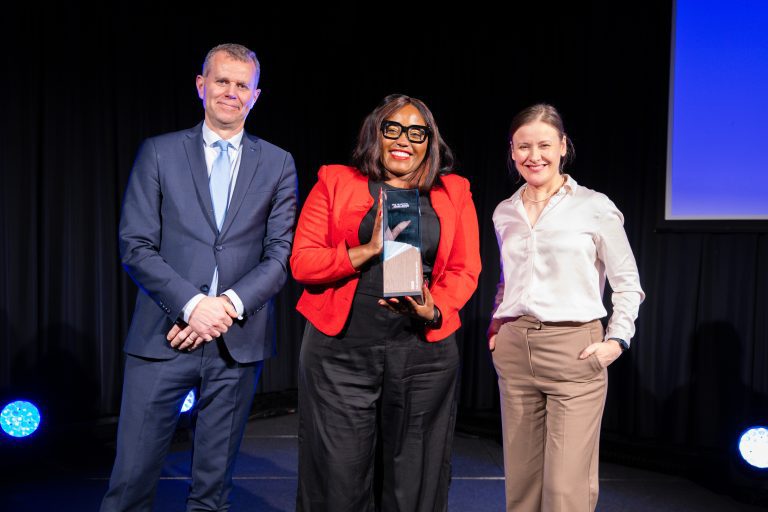
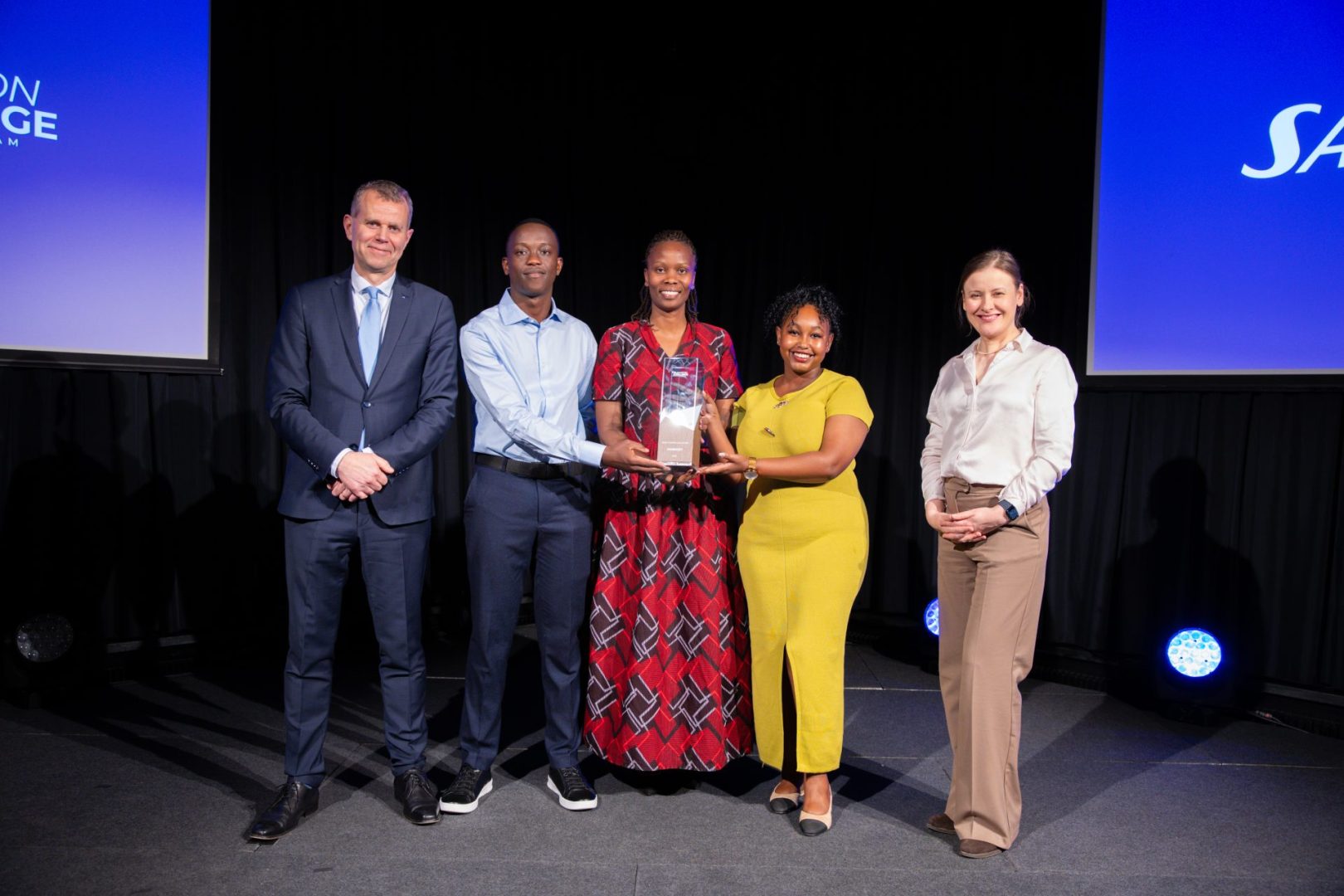
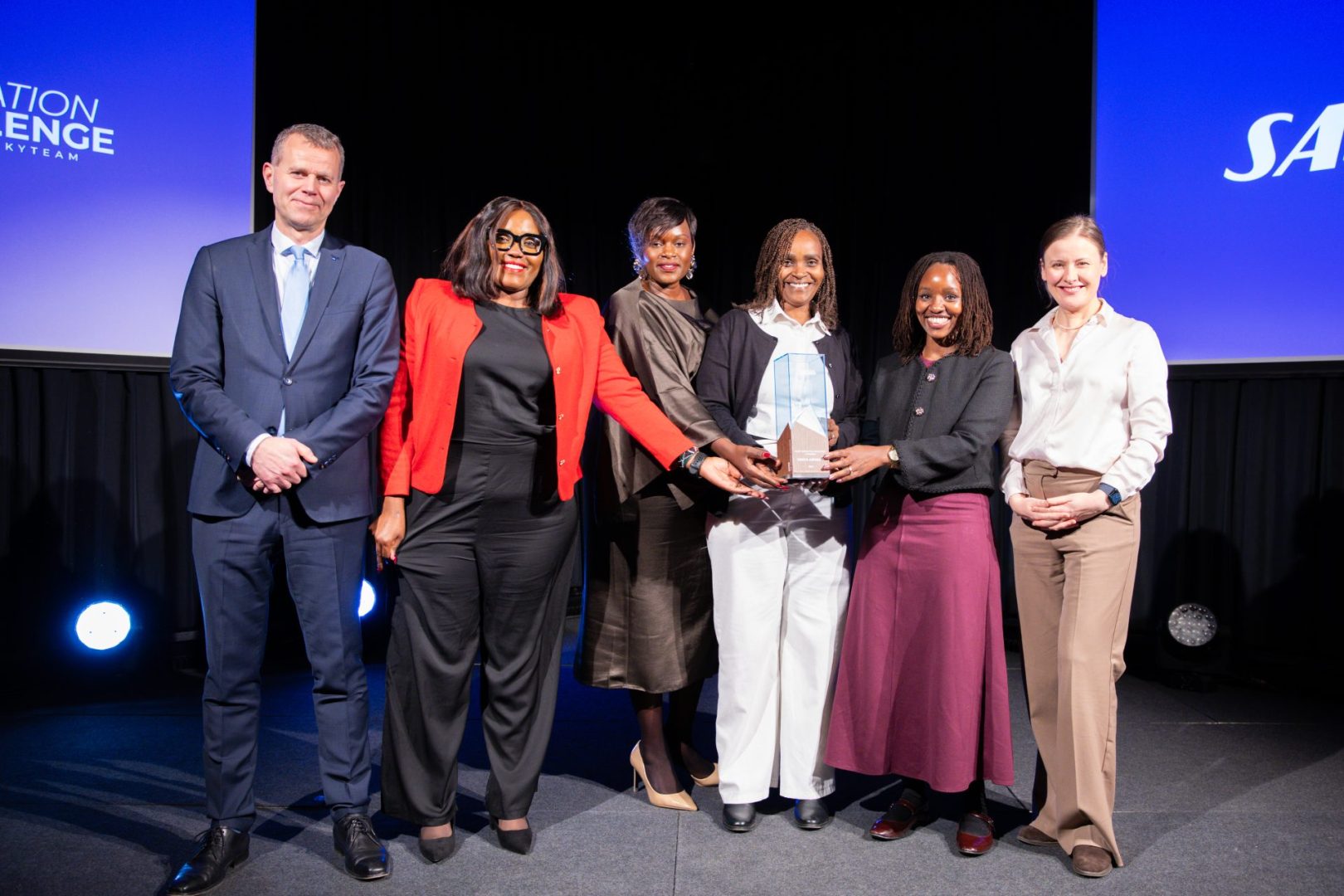
Kenya Airways (KQ) has once again emerged as a leader in sustainable aviation, securing three awards at The Aviation Challenge 2025. This marks the fourth year the carrier has been recognized for its practical approach to green flight, proving how African aviation is driving global innovation through strategic partnerships and eco-conscious operations.

At this year’s challenge, Kenya Airways received the following awards, including:

  • Most Impactful Solution – Catering
  • Game Changer of the Year
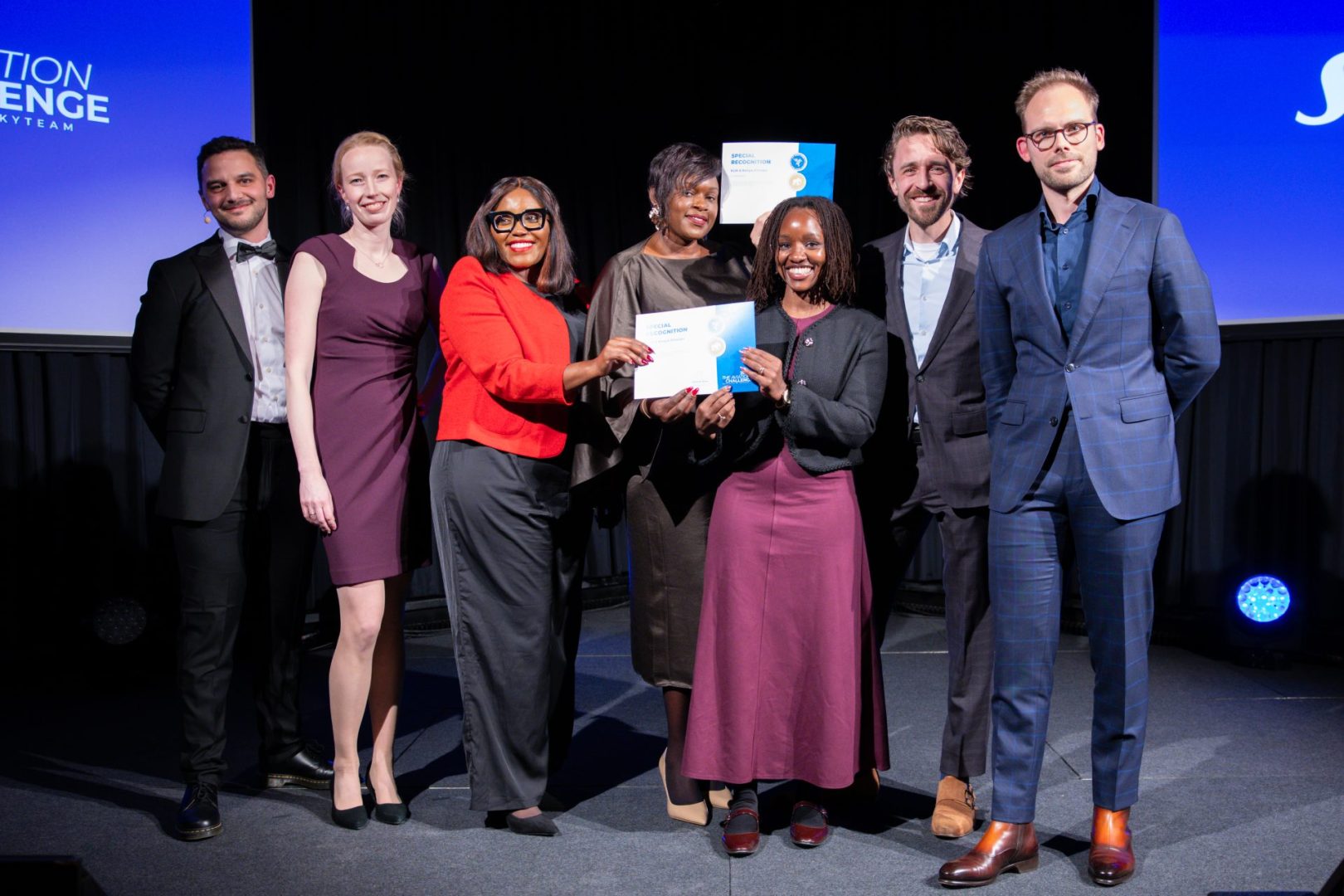
  • Special Recognition for Collaboration with KLM.

George Kamal, Acting Group Managing Director and CEO of Kenya Airways, commenting on the multiple awards won noted, “This recognition shows our commitment to expanding sustainable practices through innovation and focused action. It reflects the hard work of our people and partners as we continue to embed sustainability into our operations and create real change across the industry. We are proud to play our part in building a stronger future for aviation.”

The Most Impactful Solution, Catering and Game Changer of the Year awards recognise initiatives that are used on all Kenya Airways flights. These include recyclable aluminium food packaging, bamboo cutlery instead of single-use plastic, paper cups replacing plastic cups, and canned drinks instead of plastic bottles.

Together, these actions have helped Kenya Airways avoid more than 337 tonnes of single-use plastic every year and save over KES 50 million annually. This reflects the airline’s progress in making sustainable aviation part of normal operations.

Dissecting the falsehoods surrounding Kenya Airways (Part 2)

Kenya Airways also received Special Recognition for Collaboration for its continued partnership with KLM. Over four editions of The Aviation Challenge, the two airlines have worked together to share ideas, develop practical solutions, and speed up their use across operations. This collaboration shows the value of airlines working together to drive sustainability.

Additionally, Jambojet, a subsidiary of Kenya Airways, was also recognised at the challenge, winning the Most Compelling Story award. The recognition highlights Jambojet’s storytelling approach in showcasing sustainability efforts and impact.

The awards were presented at a global aviation sustainability event held in Copenhagen, Denmark. The event brought together SkyTeam member airlines to develop practical and scalable solutions for a greener aviation industry.

Gachora: Why NCBA agreed to Nedbank’s Sh110 billion takeover offer

0

NCBA Group chief executive officer John Gachora has spoken up on how the banking group came to accept a takeover offer from South Africa’s Nedbank Group.

According to Mr. Gachora, the Nedbank takeover offer was the preferred option as it came with minimal disruption to the NCBA’s main business model, staff, and brand.

“There will not be any overlaps between us and Nedbank, and therefore, we do not envision our employees being affected negatively,” he said. “In fact, this creates opportunities for employee development, training, and growth since we will be an important subsidiary for Nedbank.”

This means that NCBA Group will be able to preserve its identity and avoid the integration disruptions that have often been witnessed with previous mergers in the banking sector in the region.

“We have built over time what I think is a fantastic brand and one of the most highly-rated financial institutions in this region,” said Mr. Gachora. “We do attract a lot of interest. From time to time, we get approaches, and we have to examine and review the approaches we get and make decisions.”

Mr. Gachora however, did not confirm if NCBA Group had received an offer from Stanbic Bank’s parent company the Standard Bank Group, which is also from South Africa.

“I cannot tell you, but when we examined the Nedbank conversation, it met the merit for us to want to recommend it to our shareholders, and that is how we got here,” he said.

In the offer by Nedbank, the South African group is looking to acquire a controlling stake of up to 66 percent in NCBA.

This will be through a shares purchase that is estimated to be of a value of 13.9 billion rands (about Sh109.9 billion). This purchase will be done through a mix of cash and Nedbank shares.

This acquisition has already been backed by the top NCBA shareholders who hold up to 71.2 percent stake.

“Nedbank does not have a presence in the markets where we operate except for a representative office in Nairobi, and therefore we will not be going through a painful integration of either systems, policies, or people,” said Gachora.

“This, makes it a much easier transaction for our staff and customers. This was a big consideration for our board in considering what kind of transaction they would be willing to recommend to shareholders.”

The acquisition offer has sparked a rally on the NCBA share. On Thursday when the news broke, the counter soared by Sh8.50 per share which was equivalent to a gain of 9.47 percent to close trading at Sh98.25 per share from the previous day’s Sh89.75 per share.

READ MORE: Transaction advisers in Kenya Pipeline IPO to pocket Sh3 billion

How to apply for Sh10,000 salary advance loan from Co-op Bank

0

January is often regarded as one of the most financially challenging months of the year for many households. After the festive season’s heightened spending on travel, parties, and social obligations, personal savings are frequently depleted.

At the same time, regular expenses such as school fees, rent, utilities, transport, and food resume immediately, creating pressure on already stretched budgets.

For salaried workers and small business owners alike, the gap between post-holiday expenses and the next stable cash inflow can make the month feel financially straining.

This is why some individuals turn to salary advances from banks and other financial institutions to meet urgent obligations without defaulting on bills or disrupting daily life.

Unlike other loans, salary advance loan approvals are relatively fast, and repayment is automatically deducted from the borrower’s next paycheck.

The Co-operative Bank of Kenya (Co-op Bank) is one of the lenders offering this type of loan, offering customers financial relief until their next payday.

Through the Flexi Cash Salary Advance Loan, borrowers can get loans of between Sh10,000 and Sh500,000, depending on the limit assigned to individual borrowers.

The borrowed amount is recovered within 4 to 12 months. To get started, a customer must have an active Salary account operated for at least 3 months.

Two guarantors, including one colleague, are also required for the loan to be approved. The loan attracts a negotiation fee at a rate of 3 percent and a competitive interest rate plus govt levies.

How to apply for Co-op bank salary advance loan

  • Dial *667#
  • Enter your 4-digit PIN
  • Select E-loans
  • Select Apply loan
  • Select preferred loan type (Salary loan)
  • Select Tenure/Duration
  • Enter valid loan amount
  • Select account to credit
  • Select ‘proceed’ to accept/confirm loan charges
  • Accept Terms and Conditions
  • Await Confirmation Message

Also Read: Co-op Bank account giving Kenyans cash advances and loans

Short courses, big opportunities: Skills you need to thrive in new job market

0

Kenya’s job market is undergoing a rapid transformation. Automation, digitisation, and shifting economic priorities are redefining the skills employers value.

As traditional career paths become less predictable, short professional courses are emerging as a practical way for job seekers and working professionals to stay relevant, improve employability, and increase income potential.

Unlike long academic programmes, short courses are affordable, focused, and designed to deliver market-ready skills in weeks or months.

Below are some of the most impactful short courses in Kenya today, and how they can positively change your career trajectory.

  1. Digital Marketing

Digital marketing covers online advertising, social media management, search engine optimisation (SEO), email marketing, and content strategy.

Businesses in various sectors are moving online to reach customers through platforms like Facebook, Instagram, Google, and TikTok. This has created a strong demand for digital marketers.

  1. Data Analysis and Data Science

These courses teach how to collect, analyse, and interpret data using tools such as Excel, Power BI, SQL, and Python.

Organisations in sectors such as banking, telecoms, health, logistics, and government increasingly rely on data to make decisions. As such, data skills are no longer optional; they are strategic.

  1. Software Development and Web Development

These courses focus on programming languages and frameworks such as HTML, CSS, JavaScript, Python, PHP, and mobile app development.

As Kenya’s tech ecosystem continues to grow, local and international companies are constantly seeking developers.

  1. Cybersecurity

Cybersecurity courses cover digital security, ethical hacking, network protection, and risk management.

As businesses and government services move online, cyber threats are increasing. Organisations need professionals who can protect sensitive data and systems.

  1. Project Management

These courses cover project planning, budgeting, risk management, and leadership. Many organisations struggle with project execution. Skilled project managers are needed in construction, NGOs, ICT, manufacturing, and development projects.

  1. Accounting and Financial Management 

Short professional courses in bookkeeping, tax compliance, and financial reporting are essential in the current world as small and medium enterprises require affordable financial expertise to stay compliant and profitable.

  1. Technical and Vocational Skills

The demand for skilled technicians remains high, especially in the growing construction, renewable energy, and manufacturing sectors.

This makes hands-on courses in plumbing, electrical installation, welding, refrigeration, solar installation, and motor vehicle diagnostics attractive.

Also Read: Kenya Pipeline Company e-IPO launched at the Nairobi Securities Exchange

Lists of Universities eligible for HELB and government scholarships

0

The Kenya Universities and Colleges Central Placement Service (KUCCPS) has unveiled higher learning institutions eligible for government scholarships and Higher Education Loans Board (HELB) funding.

The listed institutions are public universities and colleges approved by the Ministry of Education and included in the official Kenya Universities and Colleges Central Placement Service (KUCCPS) database.

Students placed in these institutions qualify for government scholarships and HELB funding. The listed institutions are:

  1. Multimedia University of Kenya
  2. Murang’a University of Technology
  3. Nyandarua University College
  4. Open University of Kenya
  5. Pwani University
  6. Rongo University
  7. South Eastern Kenya University
  8. Taita Taveta University
  9. Technical University of Kenya
  10. Technical University of Mombasa
  11. Tharaka University
  12. Tom Mboya University
  13. Turkana University College
  14. University of Eldoret
  15. University of Embu
  16. University of Kabianga
  17. University of Nairobi
  18. Alupe University
  19. Bomet University College
  20. Chuka University
  21. Co-operative University of Kenya
  22. Dedan Kimathi university of technology
  23. Egerton University
  24. Garissa University
  25. Jaramogi Oginga Odinga University of Science and Technology
  26. Jomo kenyatta University of Agriculture and technology
  27. Kabarnet University College
  28. Kaimosi Friends University
  29. Karatina University
  30. Kenyatta University
  31. Kenya University- Mama Ngina University College
  32. Kibabii University
  33. Kirinyaga University
  34. Kisii University
  35. Koitaleel Samoei University College
  36. Laikipia university
  37. Maasai Mara University
  38. Machakos university
  39. Maseno university
  40. Masinde muliro university of science & Technology
  41. Meru University of Science and Technology
  42. Moi University

Also Read: Alliance Girls High School vs Karima Girls High School performance in KCSE 2025

Online Slots Vs Traditional Slots: Key Differences You Should Know

0

Ever sat back and asked yourself which slot style fits your mood better, the one on your phone or the one on a shiny machine at a gaming floor?

Many people think about this when they want some light fun, so let us talk about both in a clear and friendly way. Both online slots and traditional slots bring their own charm, and knowing how they differ can help you enjoy the moment more.

Online Slots At A Glance

Online slots have become a common choice for people who like comfort and easy access. They fit well into daily life and offer a relaxed way to enjoy playtime. Let us look closer at what makes them special.

Ease Of Use And Comfort

Online slots can be played from home, during a break, or while relaxing in the evening. You just need a device and an internet link, and you are ready. The screens are clear, buttons are simple, and the flow feels natural. Many players like how they can play at their own pace without any rush. Sounds and visuals are soft and cheerful, adding to a calm mood.

Traditional Slots At A Glance

Traditional slots hold a classic charm that many people still enjoy. These machines have been around for years and are part of social outings for many.

Physical Feel And Atmosphere

Sitting in front of a traditional slot gacor machine gives a real touch that some players enjoy. Pulling a lever or pressing a button feels satisfying. The lights, sounds, and friendly buzz around add to the fun. Many people like going out with friends and sharing smiles when reels spin. It feels like a small break from routine life.

Access And Timing

Both types offer positive ways to enjoy time, but access is where they differ clearly. Each option suits a different kind of daily schedule.

Flexible Or Fixed Play Time

Online slots fit easily into busy days. You can start and stop when you like. Traditional slots usually need a planned visit, which many see as a fun outing. Both styles support different moods, one for quiet time and one for social time.

Game Styles And Visuals

The look and feel of slots add joy to play, and both types shine in their own way. Each brings smiles through colors and motion.

Screen Style And Sound Feel

Online slots often show bright themes, smooth motion, and clear sound that works well on personal devices. Traditional slots use bold lights and classic sounds that many people know well. Both styles aim to keep the mood cheerful and light.

Social Feel And Personal Space

People enjoy the slot gacor malam ini in different ways, sometimes alone and sometimes with others. This is another area where the two styles differ gently.

Playing Alone Or With People Around

Online slots suit those who enjoy quiet time. You can focus fully and enjoy calm moments. Traditional slots offer shared joy, with people nearby and friendly faces around. Both ways feel good, depending on how you like to spend your time.

Learning And Getting Started

Starting with slots should feel simple and friendly, and both styles support this in their own way.

Simple Steps For New Players

Online slots often guide players with clear screens and easy steps. Traditional slots feel easy too, as most machines use clear signs and simple buttons. New players usually feel comfortable quickly in both cases.

Choice And Fun Factor

Having options keeps things fresh, and both online and traditional slots offer pleasant choices.

Different Ways To Enjoy Play

Online slots offer many themes and play styles that can suit different moods. Traditional slots focus on classic styles that many people enjoy again and again. Both bring fun moments and a relaxed feel.

Final Thoughts

Online slots and traditional slots both offer positive and enjoyable ways to spend time. One fits into daily comfort, while the other adds joy to social outings. The choice depends on how you like to relax, your schedule, and the kind of mood you enjoy. No matter which one you pick, both bring smiles, simple fun, and light moments that many people enjoy in their own way.

High grand falls hydropower project lol loo by gains momentum

0

The Government’s proposed High Grand Falls Hydropower Project is gaining momentum after the Cabinet Secretary for Energy and Petroleum, Hon. Opiyo Wandayi, joined Kenya Electricity Generating Company PLC (KenGen) leadership for an inspection tour of the proposed 700-megawatt site and the wider Seven Forks Cascade.

KenGen said the project is expected to significantly strengthen Kenya’s long-term electricity supply while delivering a major additional public benefit through enhanced flood control downstream of the Seven Forks system. The company noted that the development is aligned with Kenya’s drive to grow affordable, clean generation capacity to support industrial expansion and broader economic growth.

KenGen Managing Director and CEO, Eng. Peter Njenga, described the High Grand Falls initiative as a strategic national investment and thanked the Government for entrusting KenGen with implementation. “Today marks the beginning of an important and transformative journey,” said Eng. Njenga. “I wish to thank the Government of Kenya, through our parent Ministry, for the confidence placed in KenGen and for the continued support extended to our mandate.”

Maseno University, KenGen announce multiple job vacancies, apply now!

During the visit, CS Wandayi commended KenGen’s management of hydropower resources and its readiness to maintain stable supply even as the country experiences reduced inflows into major reservoirs following below-average rainfall in key catchment areas. “I am impressed by KenGen’s professional approach to water resource management and their commitment to ensuring uninterrupted electricity supply to the country,” said Hon. Wandayi.

During the tour, KenGen provided a status update indicating that, as of Wednesday, January 21, 2026, Masinga Dam was measured at 1,053.04 meters above sea level, which is 3.04 meters below full capacity of 1,056.5 masl and above the minimum operating level of 1,037 masl. The company confirmed that all Seven Forks hydropower plants remain structurally sound and operationally healthy, continuing to contribute optimally to the national grid.

Eng. Njenga reiterated that hydropower remains Kenya’s lowest-cost source of electricity and said its prudent deployment has supported tariff stability, even during periods of reduced rainfall. He added that KenGen’s wider generation fleet, including geothermal, wind, thermal stations and other hydropower plants across the country, continues to operate optimally and contribute reliably to the national electricity supply.

KenGen reaffirmed its commitment to delivering affordable, clean and reliablesupport of Kenya’s development aspirations.